
Introduction to the Great Northwestern River Route
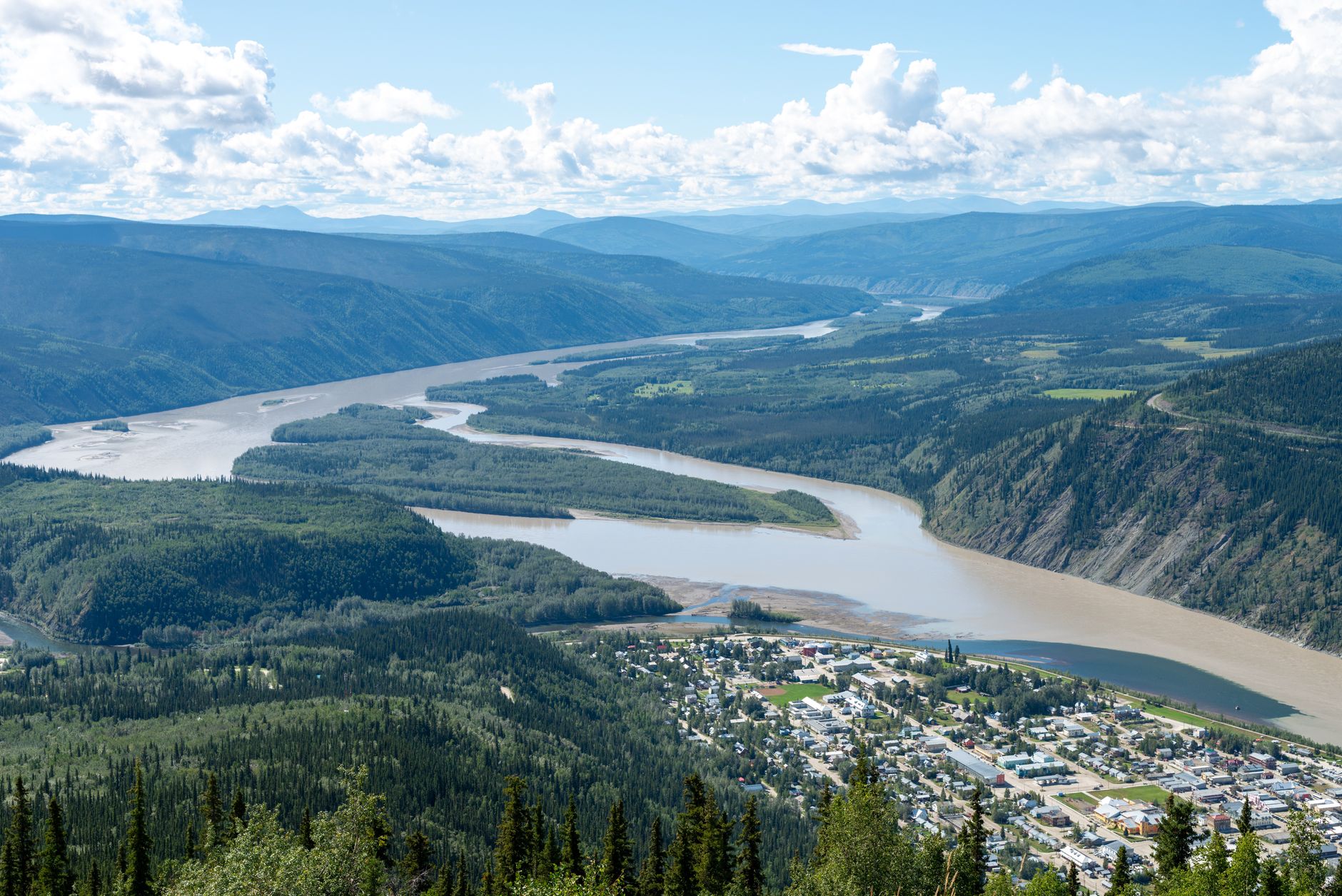
The Yukon River is not merely a watercourse; it is the historical, cultural, and geographical backbone that sustains the vast territory of northwestern North America. From its glacial sources in British Columbia to its immense delta emptying into the Bering Sea, this liquid giant winds through more than three thousand kilometers of pristine taiga, rugged mountains, and floodplains that have scarcely changed since the days of the gold rush. Undertaking a canoe traverse across its waters demands absolute respect for the immensity of the landscape and a precise understanding of river dynamics. Far from being a recreational outing, the route requires robust technical preparation, the ability to adapt to extreme weather changes, and meticulous management of available resources during weeks of absolute isolation.
Over centuries, this natural corridor has served as the only viable communication artery for First Nation communities and subsequent fortune seekers. Today, descending the Yukon in autonomy represents one of the last great experiences of pure adventure accessible to the specialized traveler. The traverse challenges both physical endurance and mental fortitude, forcing expedition members to integrate into the relentless rhythm of the subarctic wilderness. Every river bend reveals a new horizon of endless boreal forests, ancient geological formations, and a wildlife population composed of grizzly bears, moose, and bald eagles that rule the territory with total indifference to human presence.
Expedition Planning and Navigable Section Selection
Planning a Yukon traverse begins long before touching the water, demanding detailed cartographic dissection and rigorous selection of the targeted river section. The classic stretch linking Whitehorse to Dawson City, spanning approximately seven hundred kilometers, constitutes the most balanced route for intermediate-autonomy expeditions. This section combines calm current stretches with historic moderate-class rapids, such as the feared Five Fingers and Rink Rapids, where precise reading of the volume and maneuverability of the craft are vital to prevent disastrous capsizes in frigid waters.
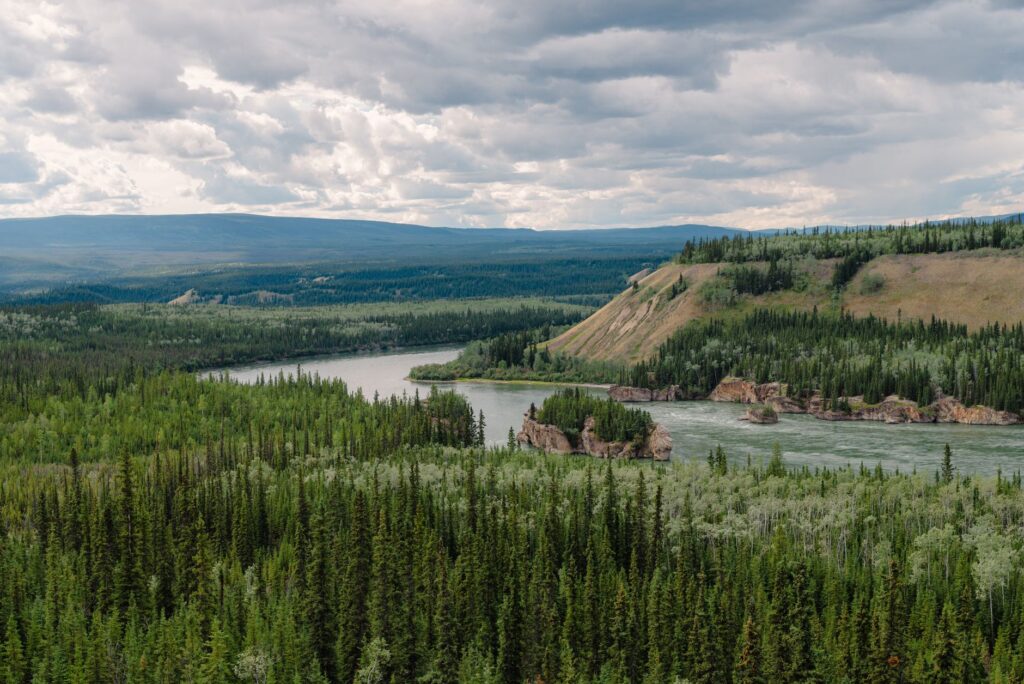
Establishing the appropriate calendar is another fundamental pillar of logistical success. The navigable weather window strictly extends from early June through late August. During June, the spring snowmelt significantly raises water levels, increasing current speed but also submerging dangerous obstacles such as fallen trees along the banks. July offers the most stable meteorological conditions, though mosquitoes and blackflies reach maximum density, demanding rigorous protection. Fuel and provisions autonomy must be calculated with a thirty percent safety margin, as adverse weather conditions can force expedition members to remain camped for several days without advancing.
Watercraft Logistics and Survival Equipment
The choice of watercraft completely determines the viability of cargo transport and stability on the water. Seventeen or eighteen-foot expedition canoes, manufactured from high-resistance composite materials or marine aluminum, are the undisputed standard. They must be equipped with bow and stern floatation bags to ensure buoyancy in case of swamping. Internal weight distribution must follow a strictly millimetric criterion, placing the heaviest packs at the canoe’s center of gravity and securing them firmly with strap systems to prevent gear loss during unexpected capsizes in turbulent water.
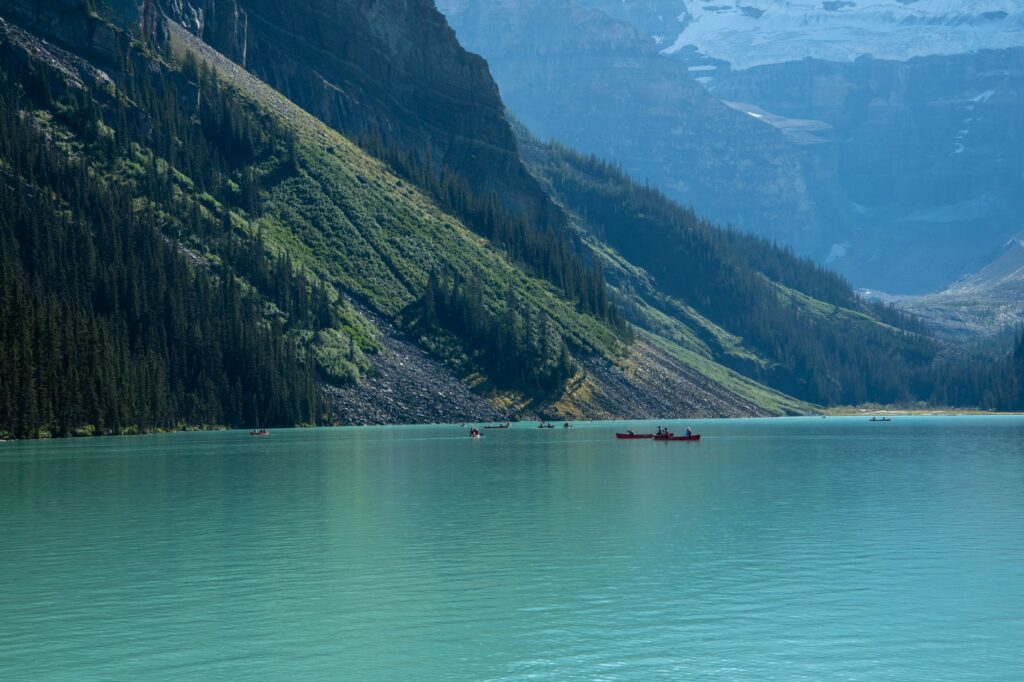
Personal and collective equipment is divided into quick-drying technical layers, high-capacity water filtration and purification systems, and ultralight shelters capable of withstanding gale-force winds and persistent rainstorms. Given that the wildlife includes a dense population of black and grizzly bears, storing food in certified containers and constantly using bear sprays are non-negotiable regulations. Medical self-sufficiency and satellite communication complete the basic kit, with the mandatory carriage of two-way messaging devices and emergency location beacons, as conventional cellular coverage is nonexistent across ninety percent of the route.
Fluvial Dynamics and Current Reading on the Yukon
Navigating the Yukon involves understanding the complex hydraulics of glacial rivers, where suspended sediments constantly alter bed depth and create shifting sandbars capable of stranding a loaded canoe in seconds. The primary channels, locally known as the veins of highest speed, must be identified through observing surface ripples and the direction of eddies. A common mistake among novices is paddling against the current in meanders, wasting precious energy that is vital to conserve for long days of travel.
The subtlest hazards stem from so-called sweepers or submerged log jams, arboreal structures swept away by floods that act as deadly underwater strainers. The current pushes the watercraft directly against these timbers, making it nearly impossible to free it if a lateral impact occurs. Therefore, the golden rule of river navigation in this latitude requires maintaining a safe distance from eroded banks and anticipating shore-crossing maneuvers well in advance, utilizing lateral eddies to slow down and assess the next passage.
Wild Campsites and Subarctic Environmental Management
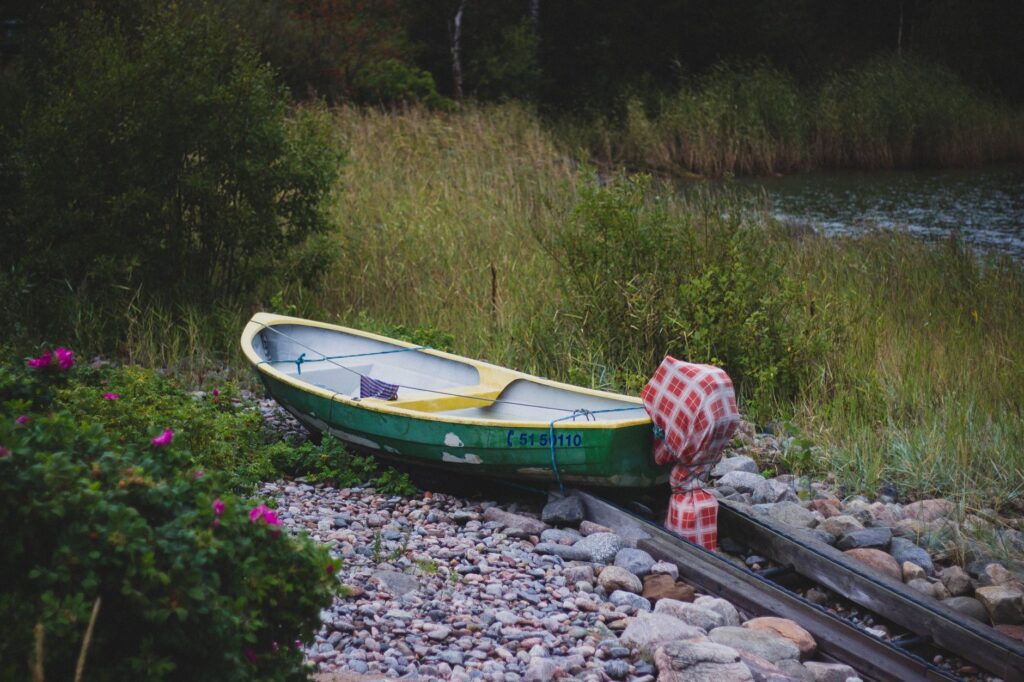
At the end of each paddling day, finding and setting up camp requires methodological rigor similar to navigation itself. The banks of the Yukon offer numerous gravel river terraces and pebble beaches that serve as ideal sites for pitching tents, avoiding damage to the delicate moss and lichen layer of the surrounding boreal forest. The Leave No Trace principle is applied with extreme severity, mandating the packing out of all organic and inorganic waste and the management of fire pans that neither alter the soil nor leave permanent marks on the landscape.
Cooking must always be set up leeward and at a minimum distance of one hundred meters from tents, establishing a strictly designated area for food processing and another for resting. Campfires, besides providing warmth and valuable relief from insects, act as a comforting psychological element following physical exertion in the rain. Nighttime rest management is disrupted by the midnight sun phenomenon, which maintains diffuse light for twenty-four hours, requiring the systematic use of eye masks to ensure adequate physical recovery before taking up the paddles at dawn.
Historical Heritage and Traces of the Gold Rush
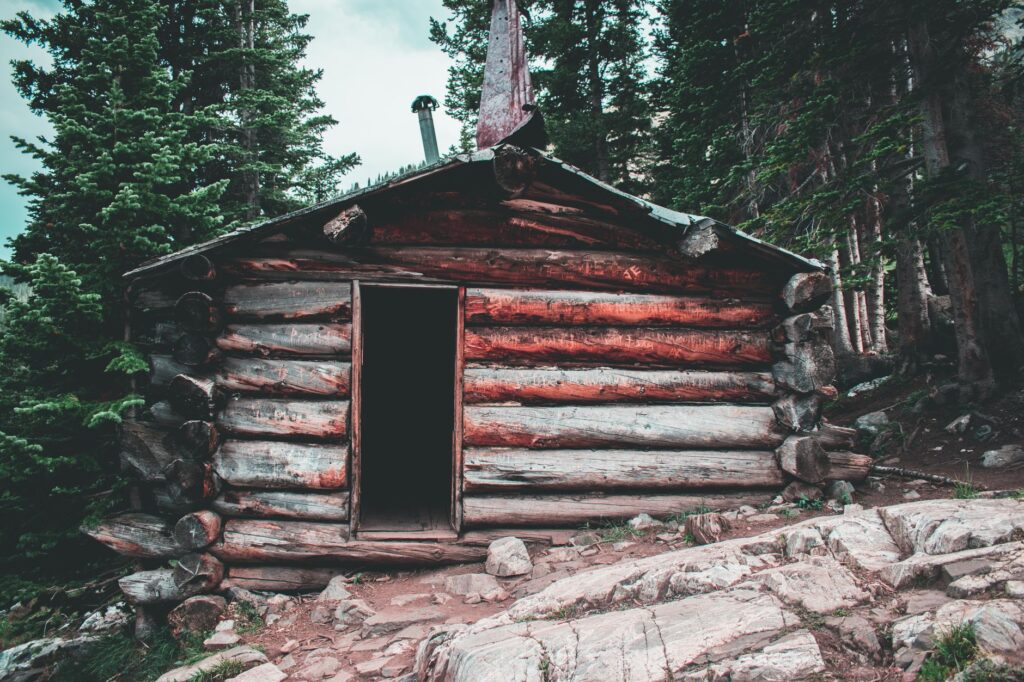
The Yukon course functions as an open-air archaeological museum, where the ruins of log cabins, abandoned paddle steamers, and forgotten mining camps emerge among the vegetation as testimony to a feverish era. In places like Fort Selkirk, a historical settlement jointly restored by the government and local communities, visitors can stroll among wooden buildings that once bustled with commercial and social activity. These cultural stops profoundly enrich the journey experience, transforming a simple physical crossing into a chronological tour of colonization contradictions and indigenous resilience.
The high point of this historical heritage is reached upon docking in Dawson City, the legendary capital of the Klondike Gold Rush. Its unpaved streets, Victorian-style saloon facades, and genuine frontier atmosphere preserve the ambiance of 1898, when thousands of adventurers arrived hoping to strike it rich. Visiting these enclaves highlights the sheer scale of human effort required to open these trade routes, contrasting historical bustle with the profound silence that now reigns over the intermediate stretches of the river.
Practical guide
How to get there: The standard logistical starting point is Whitehorse, capital of the Yukon Territory, accessible via scheduled flights from Vancouver or Calgary. From the airport, local transport services allow the transfer of equipment and canoes to the Lake Laberge launch site or directly to the river.

Permits and regulations: No general river entry permit is required, but registering the route plan with local emergency services and notifying the estimated arrival date in Dawson City is mandatory to trigger search protocols in case of unjustified delay.
Estimated budget: The main cost derives from renting expedition canoes, logistical return transport from Dawson City, and technical satellite safety equipment, ranging between fifteen hundred and three thousand euros per person depending on the level of assistance contracted.
Emotional Epilogue on the Last Shore
When the canoe finally touches the muddy shore of Dawson City and the paddles are put away for the last time, the river’s silence seems to continue echoing within the traveler. Weeks of shared effort, absolute dependence on the elements, and the desolate immensity of subarctic forests leave an indelible mark on memory. The Yukon grants no truce to those who traverse it without humility, but rewards patient spirits with a deep, authentic connection to the primordial pulse of the Earth. As one watches the waters continue their unalterable journey toward the distant Bering Sea, it becomes clear that the true conquest was not mastering the river, but learning to flow with its untamable current.