
The Architecture of the Dormant Earth
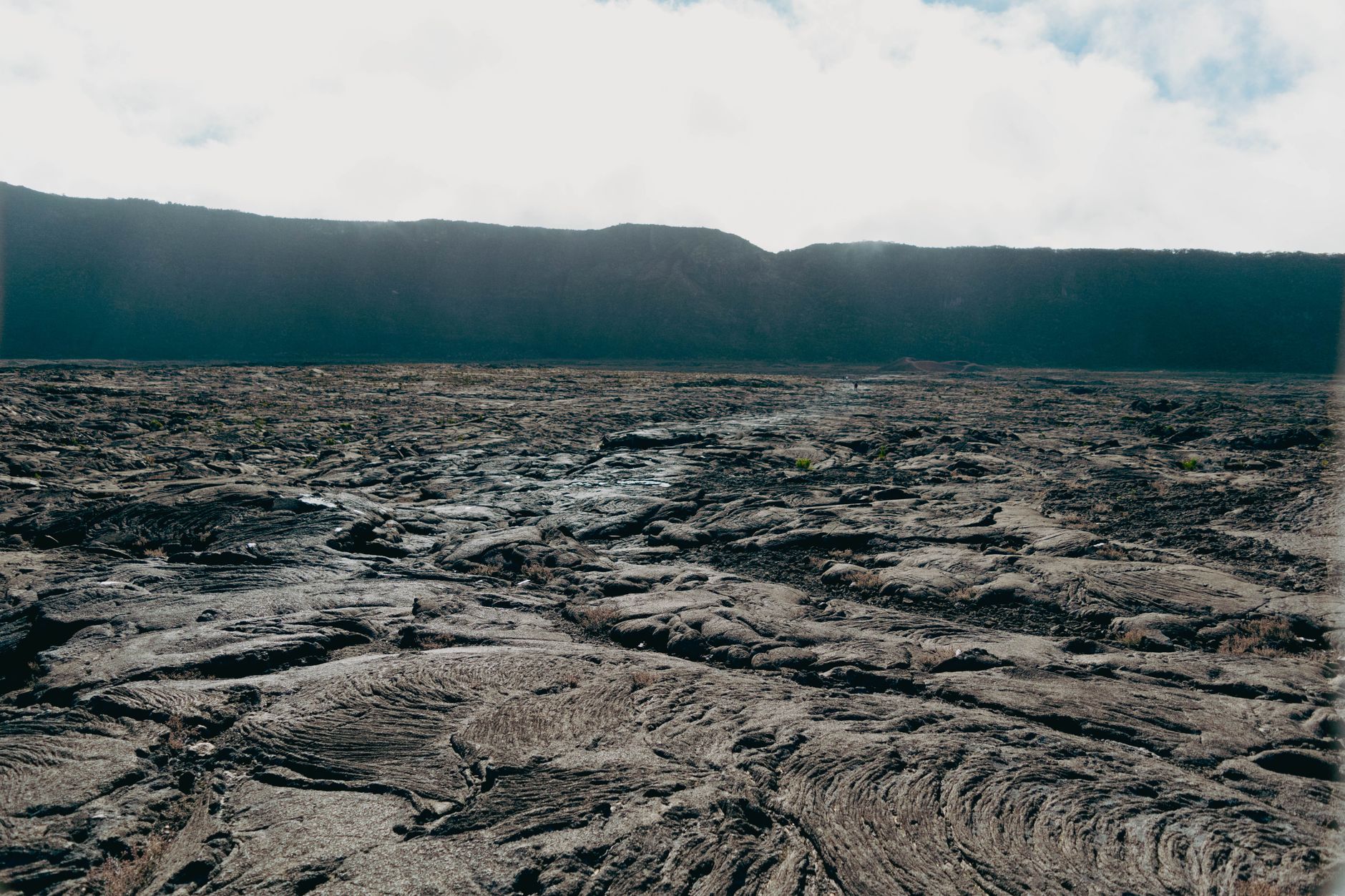
La Garrotxa is more than a landscape; it is a geological palimpsest where the volcanic activity of the past has dictated the rules for human connectivity. In this corner of the Catalan Pre-Pyrenees, the relief has not been an obstacle, but the structural axis upon which a network of paths has been built, still supporting rural life today. The topography, marked by over forty volcanic cones and basaltic lava flows, forced early settlers to design routes that, far from being random, leverage natural faults and depressions to connect the Hostoles and Bas valleys with the town of Olot.
The thesis underpinning this territory is clear: the survival of La Garrotxa depends on its ability to integrate geological memory into its contemporary logistics. Unlike other mountain environments, the infrastructure here has not attempted to dominate the stone but to adapt to the porosity of the basalt. The dry-stone walls that border the fields are not mere ornaments; they are a containment engineering system that prevents erosion on volcanic slopes, allowing rainwater to filter into the aquifers that feed the region’s springs.
The Engineering of Bridle Paths
Historically, connectivity in La Garrotxa has depended on bridle paths and medieval stone roads that allowed for the transit of goods between the interior and the coast. These trails, often paved with basalt slabs extracted from local quarries, represent one of the oldest and best-preserved communication networks in Europe. The durability of this volcanic material has allowed these routes to withstand centuries of harsh weather, functioning as the arteries of a system that is now being reinvented through sustainable tourism and organic farming.

Maintaining these routes is a task of technical precision. Local crews use traditional methods to ensure drainage is efficient, preventing stagnant water from degrading the paths. This approach is not just a matter of heritage, but an operational necessity to maintain access to isolated farmhouses, many of which now function as nodes of local production supplying nearby markets. The infrastructure, in this sense, is a living organism that requires constant, respectful management.
The Symbiosis Between Basalt and Rural Housing
The use of basalt in the vernacular architecture of La Garrotxa is a masterful example of resource utilization. The region’s farmhouses, built with volcanic blocks, possess exceptional thermal inertia—a detail that medieval builders understood long before the advent of energy efficiency regulations. This architecture is not only functional but establishes a visual dialogue with the volcanic cones that dominate the horizon, such as Croscat or Santa Margarida.

The integration of these buildings into the path network is not accidental. Each farmhouse typically had direct access to main trails, ensuring that harvesting and the distribution of agricultural products—such as small-grain corn or buckwheat—could be carried out even during winter months, when valley mist and humidity hinder transport. This web of connections defines a social structure where the self-sufficiency of each family unit is complemented by a network of mutual support organized through shared paths.
Water Logistics in Porous Soil
One of the greatest engineering challenges in La Garrotxa is water management. Due to the volcanic nature of the subsoil, the terrain is extremely porous, which facilitates drainage but complicates storage. Ancient engineers in the area solved this dilemma by constructing clay-lined ponds and canalization systems that leverage the natural slopes of the land. These hydraulic works, though modest in scale, are vital for the sustainability of extensive livestock farming.
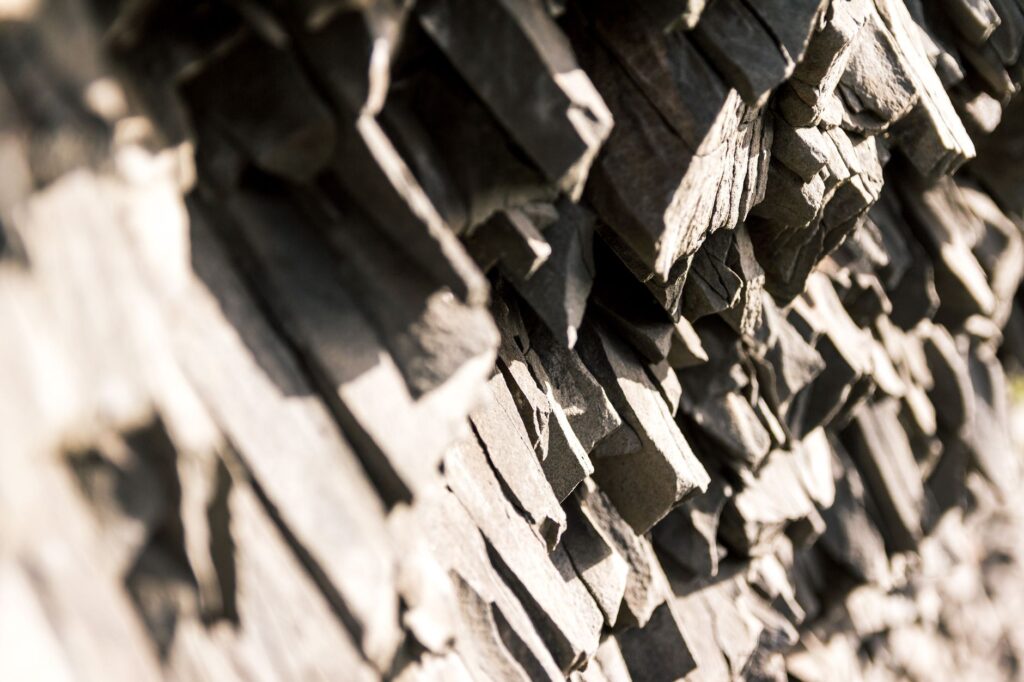
Volcanic stone is not just a building material; it is the tangible memory of a cataclysm that, in its repose, has allowed for the flourishing of a culture of resilience and balance.
Today, these systems have been modernized with rainwater harvesting technologies that allow for more efficient use of water resources, especially during seasonal droughts. The connection between these water sources and the historical paths creates a map of stops that serves as both a service infrastructure and a cultural legacy that attracts walkers from around the world, integrating water management into the region’s tourism flow.
The Role of Greenways in Modern Mobility
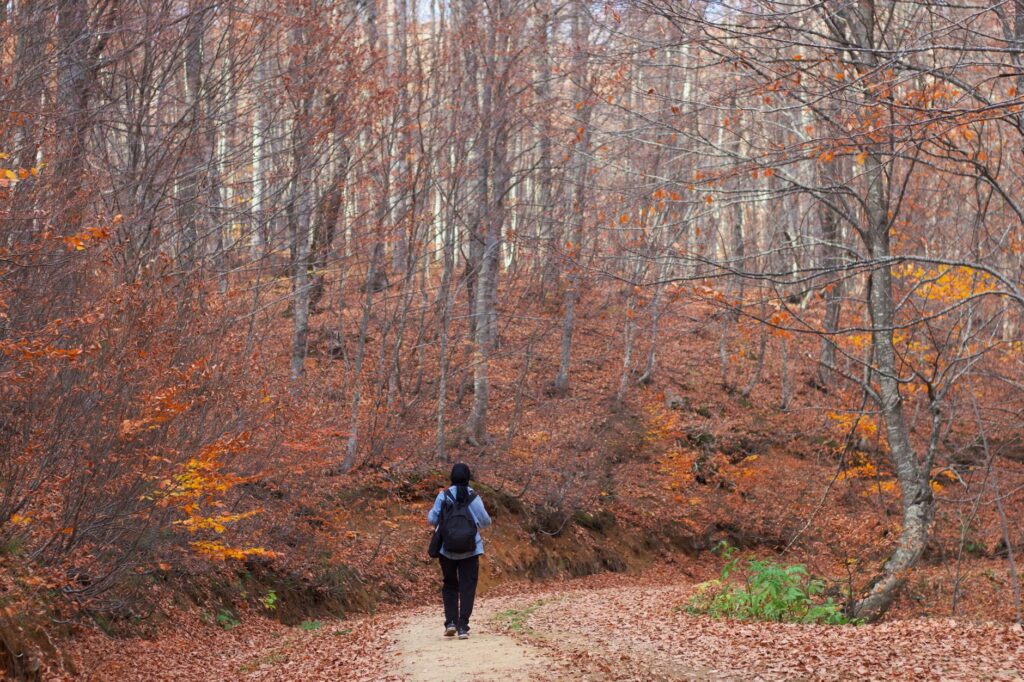
The conversion of old railway lines into greenways has brought a paradigm shift to connectivity in La Garrotxa. The route that once transported ore and raw materials toward Girona now serves as a central axis for non-motorized mobility. This infrastructure allows one to cross the heart of the volcanic zone without the need for motor vehicles, reducing environmental impact and fostering a tourism model that prioritizes experience over speed.
Intermodal connectivity is another pillar of this system. The ability to combine public transport—such as the buses that traverse the region—with the use of bicycles on the greenways has allowed residents of the smallest villages to have a real alternative to private cars. This progress, while gradual, is redefining the economic dynamics of the valleys, allowing the younger population to reside in rural areas without being disconnected from service and work hubs.

Challenges Amidst Climate Change
The volcanic territory of La Garrotxa is not immune to global crises. Rising temperatures and altered rainfall patterns are testing the resilience of historical infrastructure. The erosion of stone paths, accelerated by episodes of torrential rain, demands constant investment in maintenance and a review of slope consolidation techniques. Contemporary civil engineering must work hand-in-hand with geology here to prevent landslides on volcanic cones that threaten access routes.
Furthermore, managing visitor flows is a logistical priority. Saturation at critical points during peak season requires intelligent management of parking and access, using pre-booking systems and shuttle services. The goal is to preserve the integrity of the landscape while ensuring that access does not become a factor of degradation, maintaining the balance between tourism exploitation and natural heritage conservation.
Culture as an Infrastructure of Cohesion
Beyond stones and paths, connectivity in La Garrotxa is sustained through its cultural fabric. Weekly markets, local festivals, and agricultural cooperatives act as nodes of exchange that reinforce social cohesion. This invisible infrastructure is what allows residents to feel part of an interconnected community, despite the geographical dispersion of the farmhouses. Culture is, ultimately, the glue that holds the physical logistics of the territory together.
The true connectivity of a place is measured not only by the speed of its roads, but by the depth of the bonds that unite its inhabitants with the land that sustains them.
Local product fairs and hiking associations are examples of how the community organizes to protect and promote its heritage. This active participation is fundamental for ensuring that political decisions regarding infrastructure take into account the real needs of residents, avoiding the mistakes of developmental models that ignore the specificities of volcanic terrain and the rural identity of the region.
Practical guide
- How to get there: The region is connected to Girona and Barcelona via regular bus lines (TEISA). We recommend arriving by public transport to reduce pressure on natural access points.
- Internal transport: Electric bicycles are the most efficient way to travel the greenways that cross the zone.
- Accommodation: Prioritize rehabilitated farmhouses that have sustainability certification and efficient resource management.
- Best time to visit: Spring and autumn offer the best weather conditions for hiking, avoiding the extreme heat of August.
- Respect the environment: It is imperative to follow marked trails. Erosion in volcanic zones is irreversible if one leaves the marked path.
- Local consumption: Supporting local producers at the weekly markets in Olot and Santa Pau ensures the economic viability of the rural network.
- Real-time information: Always check the status of trails at the Natural Park visitor center before starting any long-distance route.
At the end of the day, when the sunset light stains the basalt fields violet, La Garrotxa reveals its true essence: a territory that, after millennia of fire, has learned to live in absolute peace. It is in that silence, between the volcanic stone and the beech forests, where one understands that true connectivity is not what takes us fastest, but what allows us to reach the deepest parts of ourselves.