
Origins and Architecture of the Provision Temple
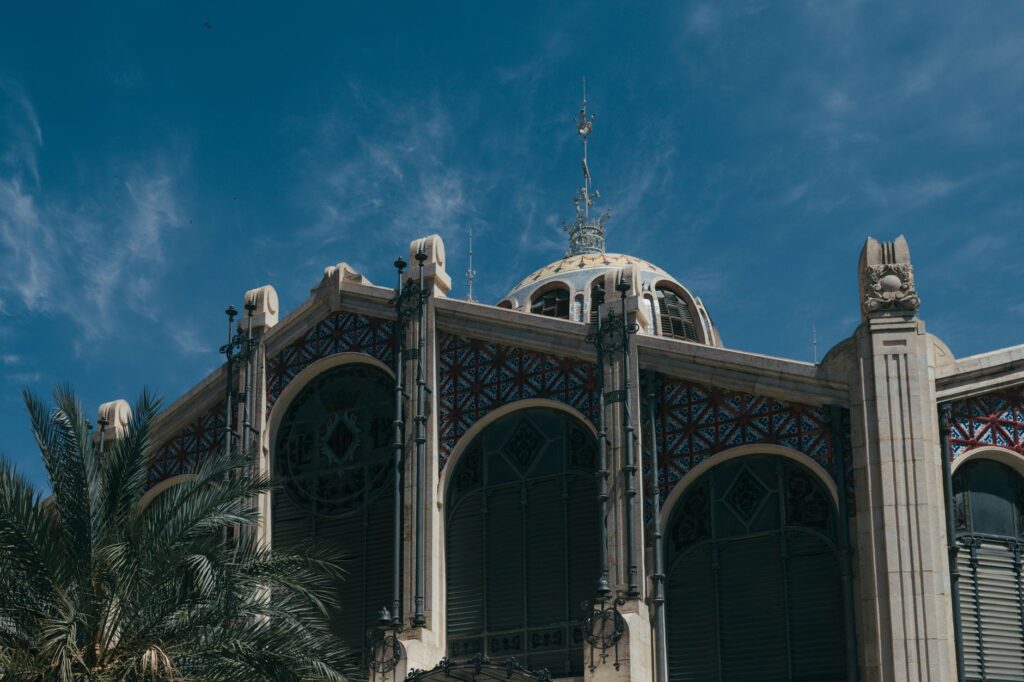
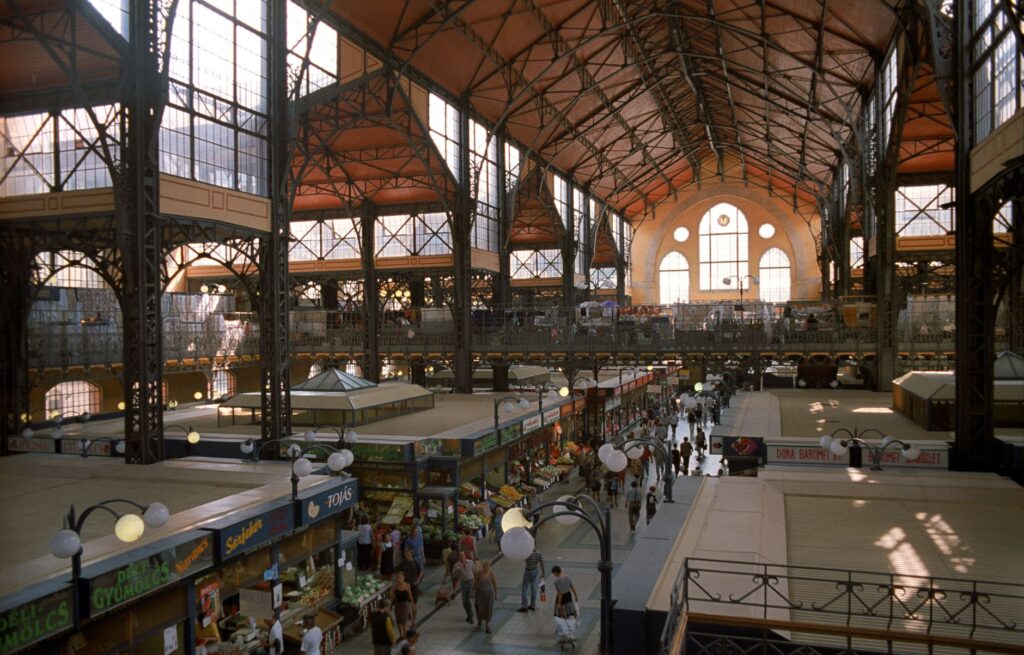
Alicante’s Central Market is not merely a commercial exchange space, but a secular cathedral where the most genuine Mediterranean diet is consecrated. Built over the old glacis of the city’s defensive walls and inaugurated in 1921, this building represents one of the most remarkable exponents of industrial and modernist architecture in the Valencian Community. Its diaphanous naves, designed to harness the zenithal light of the sea, host a daily choreography that has repeated itself for an exact century without losing an ounce of its original pulse.
Walking through its corridors at dawn requires understanding the rhythm of the wholesalers and market stallholders who sustain Alicante’s pantry. The wrought-iron structures and large windows allow the sea breeze to penetrate into every corner, ventilating an enclosure where vegetables from the Vega Baja orchard coexist with the most prized catches from the local fishermen’s guild. Here, every stall maintains a family genealogy passed down from generation to generation, guarding secrets of cutting, salting, and conservation that will hardly find a home in large supermarket chains.
The Monumental Façade and the Weight of History
The main entrance, crowned by geometric and floral ornamental elements, testifies to the bourgeois optimism of the early twentieth century. However, the market’s walls also hold indelible scars of recent history, such as the impacts of the tragic bombing by fascist aviation in 1938, preserved as a reminder of collective memory. This duality between historical tragedy and the vital joy of fresh produce grants the building a unique emotional density on the Spanish eastern coast.
The ground-floor stalls are dedicated almost exclusively to land and sea products, structured through orthogonal aisles that facilitate the fluid transit of local shoppers. Unlike purely tourist markets, this space maintains a loyal clientele of neighbors who arrive daily with their shopping carts, dictating the law of supply and demand according to the agricultural season and the state of the sea.
The Brotherhood of the Sea: Red Prawns and Cured Meats
The true beating heart of the Alicante market is located in its bustling fish and seafood section, an unparalleled showcase of the marine biodiversity of the Gulf of Alicante. Extraordinary specimens parade across white marble slabs, but it is the mythical red prawn from Denia that reigns with unquestionable authority. Captured in the muddy bottoms of Cape San Antonio by small-scale artisan boats, its iodized flavor and buttery texture concentrate the pure essence of the Mediterranean seabed.
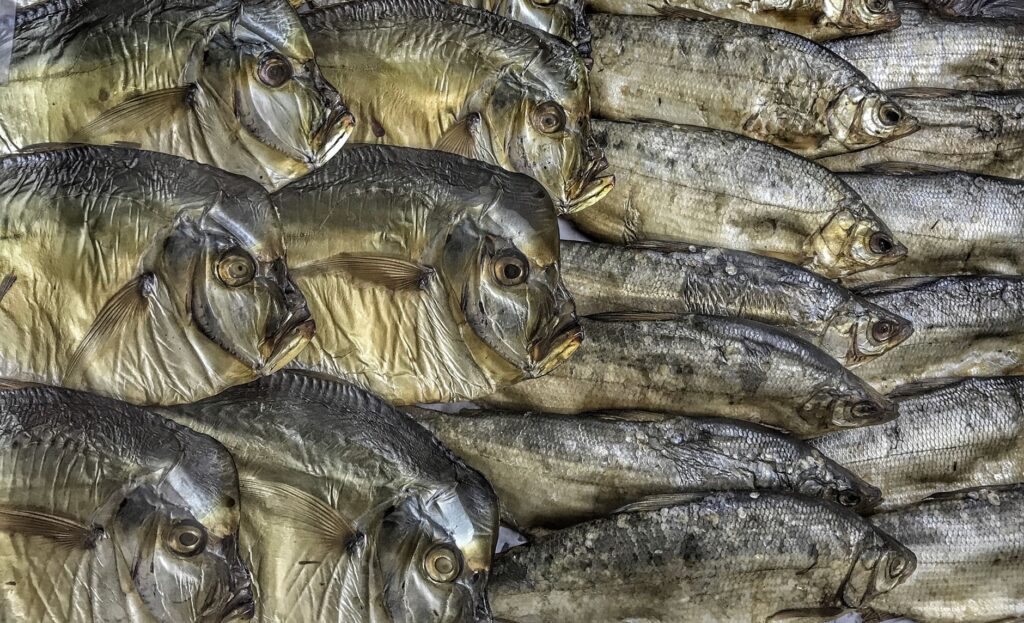
Alongside the crustaceans, the millenary tradition of salt-cured fish finds its maximum peninsular expression in Alicante. Specialized stalls display neat rows of tuna roe, top-quality mojama, and dried silver hake, a direct inheritance from Phoenician and Roman preservation techniques. The art of curing fish in sea salt remains an artisanal trade requiring patience, climatic intuition, and absolute mastery of exposure times to the coastal sun and air.
The market is not only where food is bought, but the last stronghold where the city converses with itself through the flavors of its territory.
The stallholders explain with didactic patience the difference between trap-caught tuna and local varieties, guiding the novice consumer on a sensory journey that transcends mere economic transaction. This relationship of mutual trust constitutes the social glue that prevents the total gentrification of this emblematic space.
The Pantry of the Orchard and Terraces
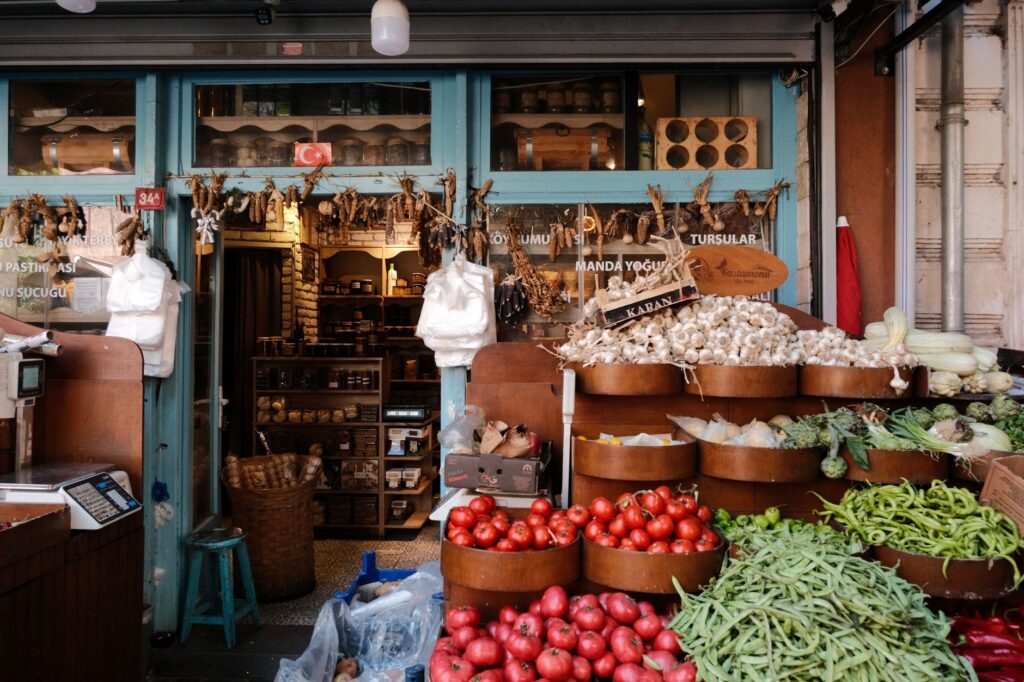
Leaving the bustle of the coast and heading inland into the province, Alicante’s agricultural geography unfolds a vegetable pantry as rich as it is unknown to the casual traveler. In the terraced fields of the Marina Alta, the cultivation of forage turnips, wild chard, and Muchamiel tomatoes survives thanks to the resilience of small farmers who reject industrial standardization.
In the Central Market, these treasures of the orchard occupy a privileged place in the stalls of direct farmers. The artichokes of the Vega Baja, tender and devoid of acidity, are sold by the dozen alongside verdial lemons and loquats from Callosa d’en Sarrià with protected designation of origin. Seasonality strictly marks every square meter of these counters, reminding visitors that nature dictates its own rhythms independently of globalized modernity’s urgencies.

Rice as Cultural Mortar
No analysis of Alicante’s gastronomy would be complete without mentioning the cereal that underpins its culinary identity: rice. The market sells indigenous varieties such as bomba and senia, cultivated in the wetlands of the Albufera Natural Park and neighboring river valleys. Specialized vendors advise on each grain’s absorption capacity, a critical factor in achieving technical perfection in rice dishes like arroz con costra, caldero, or arroz a banda.
The rice culture in Alicante is a communal act that transcends individual recipes; it is the perfect excuse to gather entire families around an outdoor wooden table beneath the shade of Mediterranean pine trees.
The Ritual of the Alicante Mid-Morning Brunch
By mid-morning, the rhythm of the market undergoes a subtle transformation imperceptible to the uninitiated. The provision aisles yield prominence to the counters of surrounding bars and the interior itself, where one of the most deeply rooted rituals of Levantine culture is celebrated: l’esmorzaret. Far from being a mere snack, this popular brunch constitutes a hearty meal that articulates the city’s social life.
The kitchens of these small establishments whip up legendary sandwiches made with products freshly acquired from neighboring stalls. Crusty country bread accommodates hearty combinations such as white sausage with grated tomato, cuttlefish with garlic and parsley, or traditional sobrasada with quail eggs. All of this is invariably washed down with a glass of local wine from the Vinalopó wineries or an ice-cold beer.
Cross-Clientele and Generational Resistance
The contemporary success of the Central Market lies in its ability to integrate two seemingly antagonistic worlds: lifelong neighbors seeking exact vegetables for Tuesday’s stew and young chefs looking for inspiration and top-quality produce for their vanguard restaurants. This harmonious coexistence guarantees the economic survival of traditional stallholders against the pressure of large supermarket chains.
The generational transfer of the trade is the greatest challenge facing market families. While some stalls close upon retirement without an apparent successor, other young entrepreneurs take up the baton by incorporating digital home-delivery tools and pick-up points, demonstrating that tradition and innovation are not mutually exclusive terms.
Practical guide
- How to get there: The Central Market is located on Avenida de Alfonso el Sabio, accessible on foot from anywhere in Alicante’s historic center and connected to the TRAM network (Mercado stop).
- Opening hours: Monday to Saturday, from 7:00 AM to 2:30 PM. Fish stalls usually close earlier on Mondays due to the fishing fleet’s rest schedule.
- Best time to visit: Between 9:00 AM and 11:30 AM, when the market reaches its peak commercial and sensory activity.
- Essential products: Red prawn from Denia, salt-cured tuna roe, Muchamiel tomatoes, and regional designation-of-origin rice varieties.
- Local etiquette rules: Avoid touching fresh produce directly with your hands at the stalls; always ask the vendor to select the pieces for you.
Epilogue: The Ultimate Beat of the Plaza
When the metal shutter of the last stall slowly descends at noon and the echo of voices fades beneath the century-old vaults, Alicante’s Central Market does not die; it simply rests to accumulate energy that will burst forth again at the following dawn. In that evening silence lies the true dignity of a place that refuses to be a mere tourist set.
The aromas of thyme, salt spray, and citrus impregnate the limestone walls, reminding visitors that a people’s identity does not reside in dead stone monuments, but in how they cultivate, tell, and share their daily bread. Alicante beats within this modernist womb, where history continues to be written every morning with the exact weight of a red prawn and the complicit smile of a market vendor.