
A New Horizon for the Contemporary Traveler
The way we conceive the act of traveling has undergone a radical metamorphosis in recent years. Travelers no longer seek rigid itineraries or static monuments frozen in postcards; today’s explorers crave sovereignty over their time, unfiltered authenticity, and, above all, genuine sensory immersion. Amid this transformation, the Czech Republic has made a bold statement with an innovative concept recently unveiled at the ATM 2026 international tourism market: the ethos of feel free, a philosophy that transcends simple mobility to anchor itself firmly on the plate.
Far from traditional mass-market circuits, the Czech culinary proposal invites visitors to rediscover the territory through its flavors, treating gastronomy not merely as sustenance, but as the structural backbone of cultural experience. From the subterranean wine cellars of Moravia to the avant-garde bistros of Prague, contemporary Czech cuisine converses with its historical legacy without hesitation, offering visitors an edible cartography where every bite tells a story of resilience, cross-cultural heritage, and creativity.
The Culinary Renaissance in the Heart of Europe
To understand the scope of this gastronomic revolution, one must examine how Czech hospitality successfully shed the heavy clichés of its past decades. For a long time, international culinary circles associated the country exclusively with heavy dishes and a limited variety of ingredients. However, the current wave of renewal has demonstrated that Central Europe’s larder possesses exceptional richness, driven by a new generation of chefs who honed their skills in world-class kitchens before returning to their roots.
This phenomenon is not an isolated occurrence, but part of a coordinated strategy of cultural and tourism promotion designed to position the country as a premier culinary destination. Participation in international summits like ATM 2026 reflects the urgency of diversifying tourism offerings and attracting more demanding travelers who value both sustainability and technical excellence. The reinterpretation of centuries-old recipes through modern fine-dining techniques has become the standard in establishments recognized by leading international guides.
From Forest to Table: The Wild Larder
A fundamental pillar of this new gastronomic narrative is the systematic return to local and hyper-local products. The Czech forests, rich in mushrooms, wild berries, and game, serve as a natural pantry for a cuisine that embraces seasonality almost dogmatically. High-end restaurants in regions like South Bohemia collaborate closely with small producers, organic farmers, and local foragers to ensure that ingredients retain their authentic organoleptic properties.
This direct connection with the natural environment reinforces the destination’s promise of freedom. Dining in the Czech Republic ceases to be a passive act and becomes a form of communion with the landscape. Diners can savor the minerality of volcanic soils in local white wines or perceive the aroma of fir trees in smoked meat preparations, achieving a multisensory experience difficult to replicate in other major urban centers across the continent.
The Metamorphosis of the Traditional Tavern
The iconic hospoda, or Czech tavern, has also undergone a profound mutation. While the ritual surrounding draft beer remains sacred—the country’s brewing culture is internationally recognized as heritage—the culinary accompaniment has evolved exponentially. It is no longer just about satisfying hunger after a long day, but about enjoying refined bar bites crafted from noble offal, artisanal pickles, and cheeses from small highland producers.
True travel freedom lies in the courage to strip away culinary prejudices and accept that tradition and avant-garde are not enemies, but inseparable partners at the table.
Urban establishments have successfully hybridized the relaxed atmosphere of the classic tavern with the service standards of fine dining. This democratization of good food allows both the expert gastronome and the curious tourist to share a space where product quality and warm human interaction are non-negotiable.
The Liquid Map: The Vinicultural Rebirth of Moravia
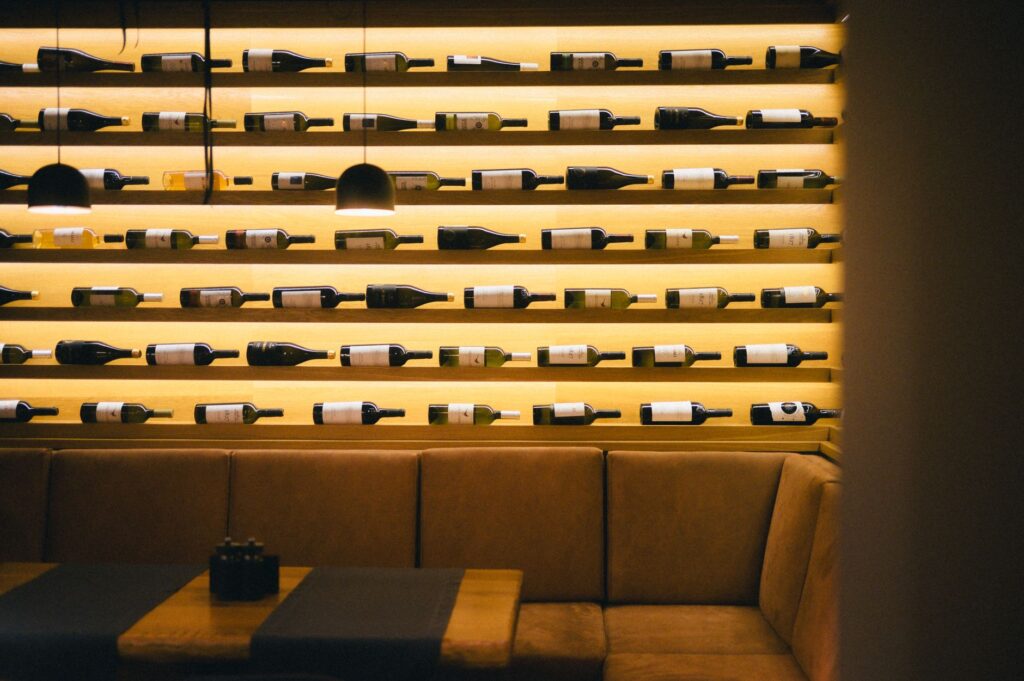
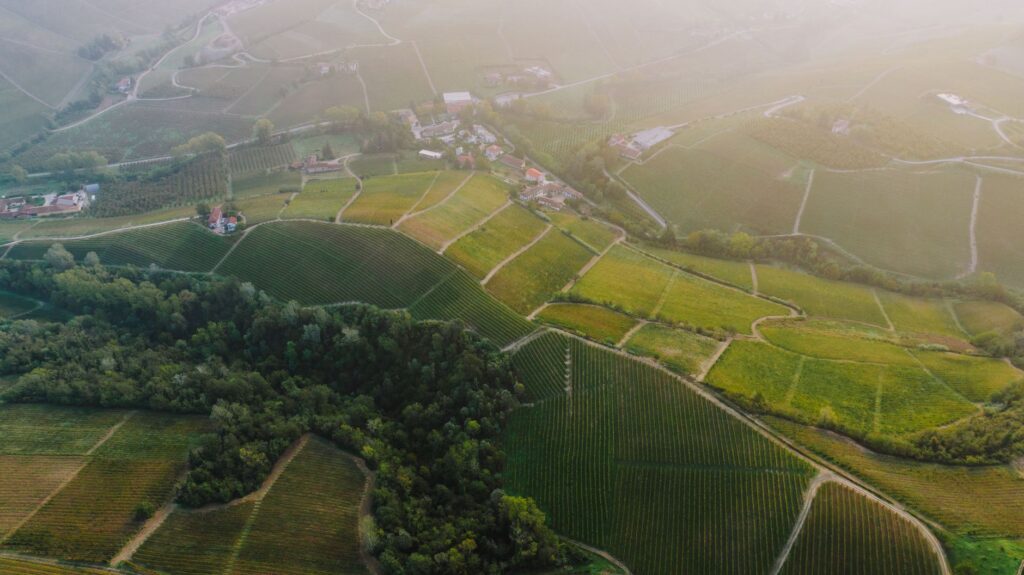
No analysis of the Czech gastronomic scene would be complete without examining its wine production, a long-kept secret that now shines in its own right. The Moravian region, situated in the southeast of the country, features unique microclimatic conditions that favor the cultivation of exceptional aromatic grape varieties, capable of competing head-to-head with the most esteemed wines of neighboring Austria or Alsace.
Moravian winemakers have embraced biodynamic farming and minimal-intervention practices, reflecting that same spirit of independence championed by national tourism initiatives. Tastings in small family-owned cellars, where the winemaker personally explains the fermentation process while pairing pours with homemade cured meats, represent one of the most sought-after experiences for travelers looking to escape standardized commercial circuits.

Beer as Living and Creative Heritage
And, of course, beer continues to reign supreme, albeit from a completely revitalized perspective. Craft microbreweries are proliferating not only in Prague but in tiny villages where brewing traditions merge with experimentation involving exotic hops, barrel-aging in wine casks, or the infusion of botanical spices. This liquid dynamism turns every stop along the road into a unique discovery, solidifying the country’s reputation as a paradise for brewing culture enthusiasts.
Sustainability and Respect: The Foundations of New Tourism
The Czech commitment to freedom of movement inherently carries an inescapable environmental responsibility. Promoting fluid, decentralized travel experiences helps alleviate congestion in focal points, such as Prague’s historic center, redirecting tourist flows toward rural counties and secondary cities that directly benefit from the economic impact of culinary tourism.
This decentralization fosters the conservation of architectural and landscape heritage. By dining at a family-run restaurant in a remote area, travelers actively contribute to the maintenance of sustainable local economies, ensuring that culinary traditions are passed down through generations without losing their commercial or cultural authenticity.
The Pulse of Major Culinary Cities
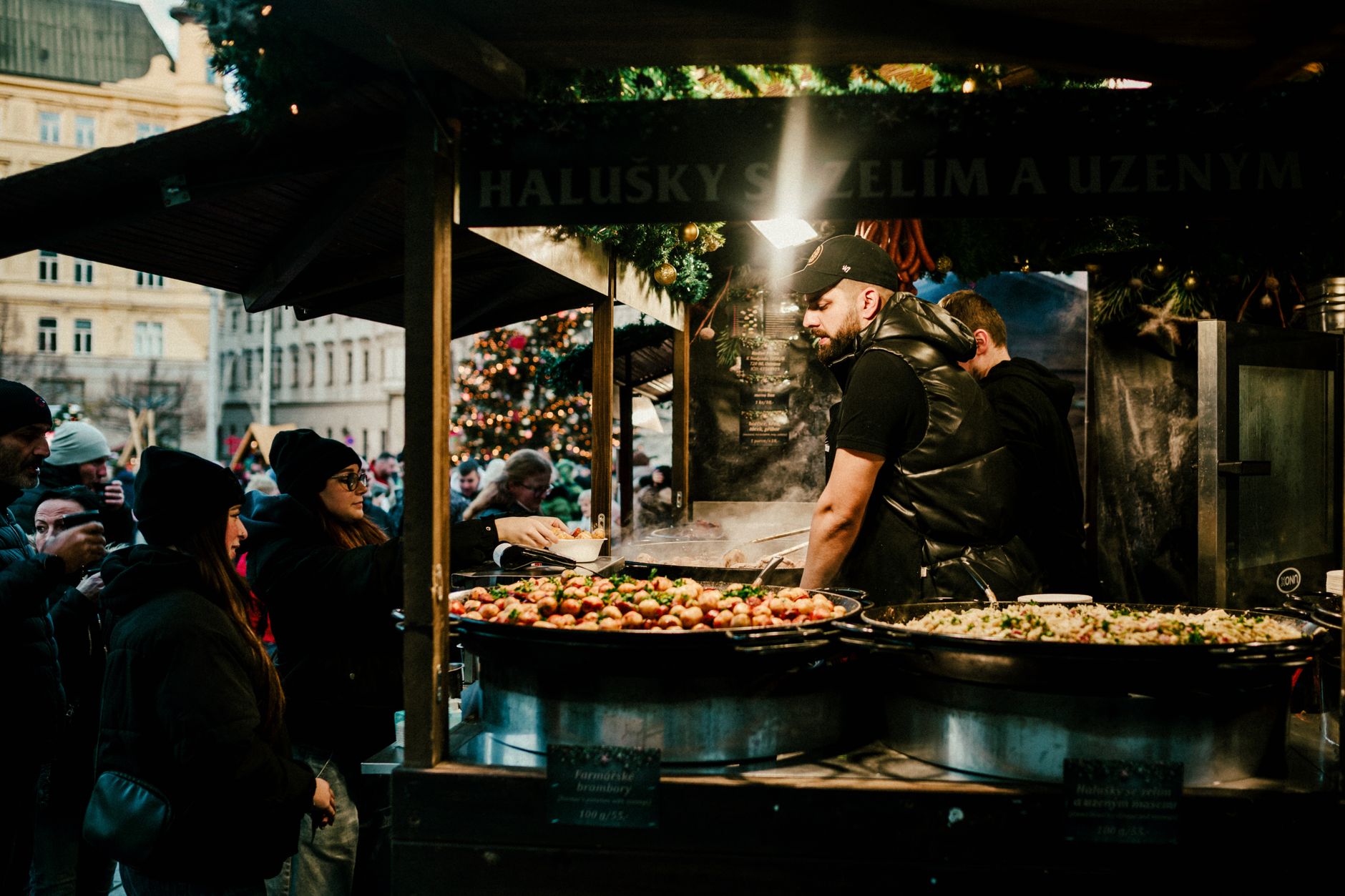
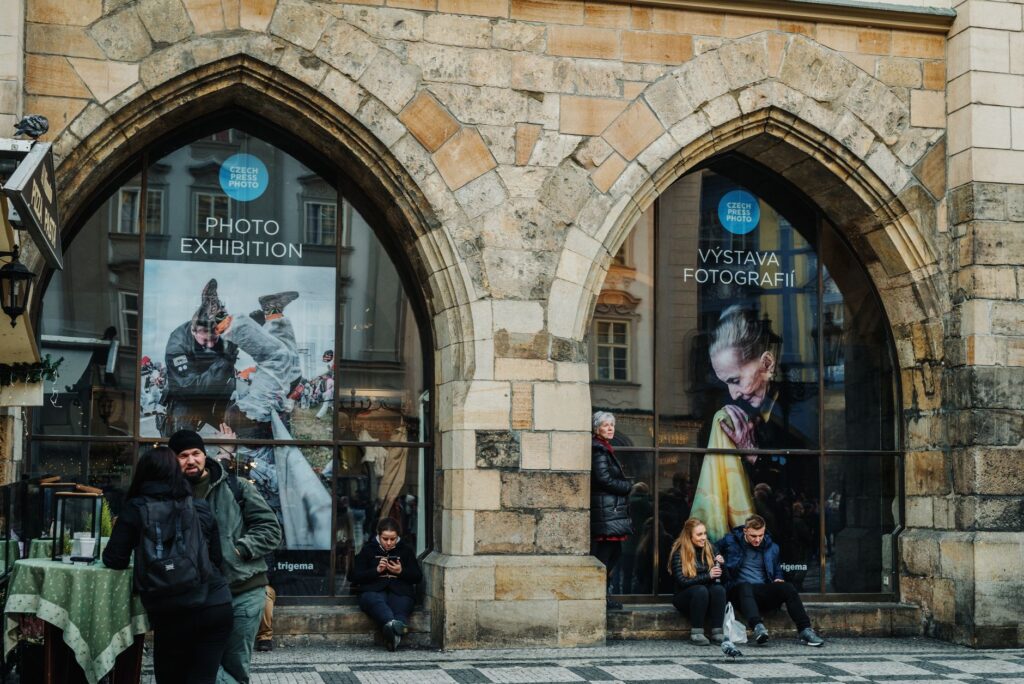
While rural regions lean into the purity of tradition, major cities act as laboratories of cultural fusion. Prague, Brno, and Ostrava concentrate a vibrant scene of young chefs who reinterpret Central European, Austro-Hungarian, and Balkan influences with a cosmopolitan gaze. These gastronomic spaces stand out for their avant-garde design, commitment to the circular economy, and rigorously curated natural wine lists.
Traveling freely also means choosing consciously whom we support with every consumer decision, turning every meal into a vote for local diversity and respect.
The integration of the urban culinary offer with the surrounding cultural environment allows visitors to intuitively design their own routes, breaking away from traditional guidebooks and relying on serendipity as their best roadmap.
Practical guide
- When to go: Spring (May to June) and autumn (September to October) offer the best weather conditions and coincide with the grape harvest and mushroom-picking seasons.
- Getting around: The Czech railway system is highly efficient, connecting Prague with major wine regions and secondary cities punctually and affordably.
- Reservations: Award-winning or high-demand restaurants in Prague and Brno require bookings weeks in advance; rural taverns typically operate on a first-come, first-served basis.
- Tipping culture: Leaving between 5% and 10% in restaurants is customary if service has been satisfactory, preferably in cash.
- Language: Although English is spoken fluently in tourism and gastronomic circuits, learning a few basic words in Czech is deeply appreciated by locals.

Sensory Epilogue: The Refuge of Memory and Flavor
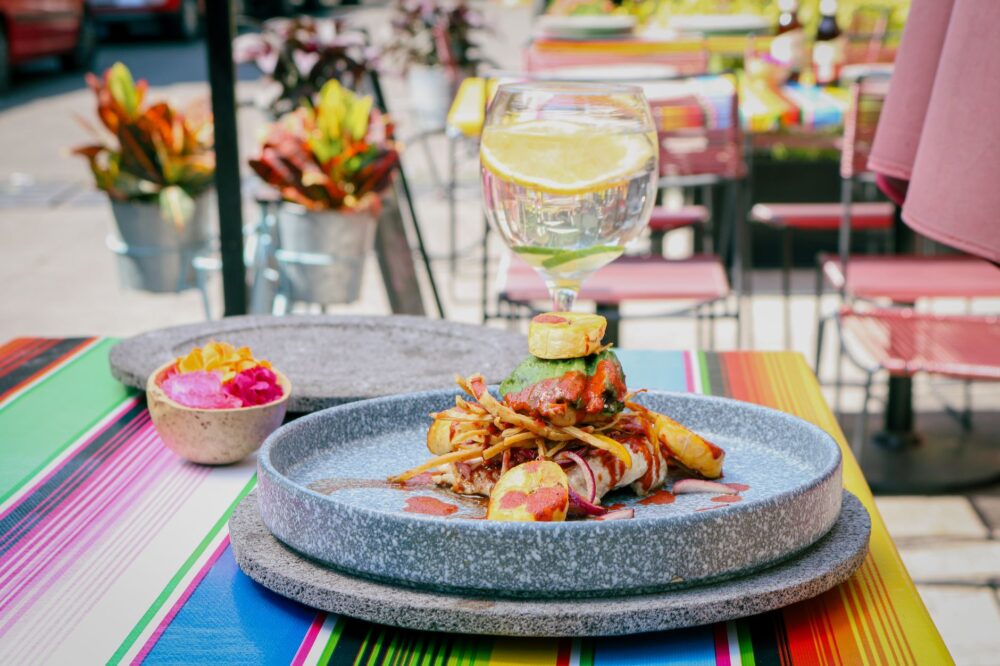
At the end of the journey, when the bustle of international fairs and sprawling metropolises fades away, what truly endures in the traveler’s memory is the texture of shared moments around an honest table. The Czech Republic has masterfully understood that true tourism freedom lies not solely in ease of transit, but in the capacity to move people through the senses. Sitting before a humble yet technologically flawless dish, flanked by a glass of Moravian wine and the warm silence of a centuries-old landscape, is the ultimate realization that travel is, above all, an act of profound inner freedom.
This culinary reinvention solidifies the destination not as a mere transit point, but as a temporary home where every visitor is free to chart their own course, savoring the present without haste and carrying away the certainty of having discovered a well-kept secret in the heart of Europe.
Source: Travel & Tourism News Middle East / Editorial staff based on ATM 2026 data.