
Origins and Architecture of the Modernist Temple
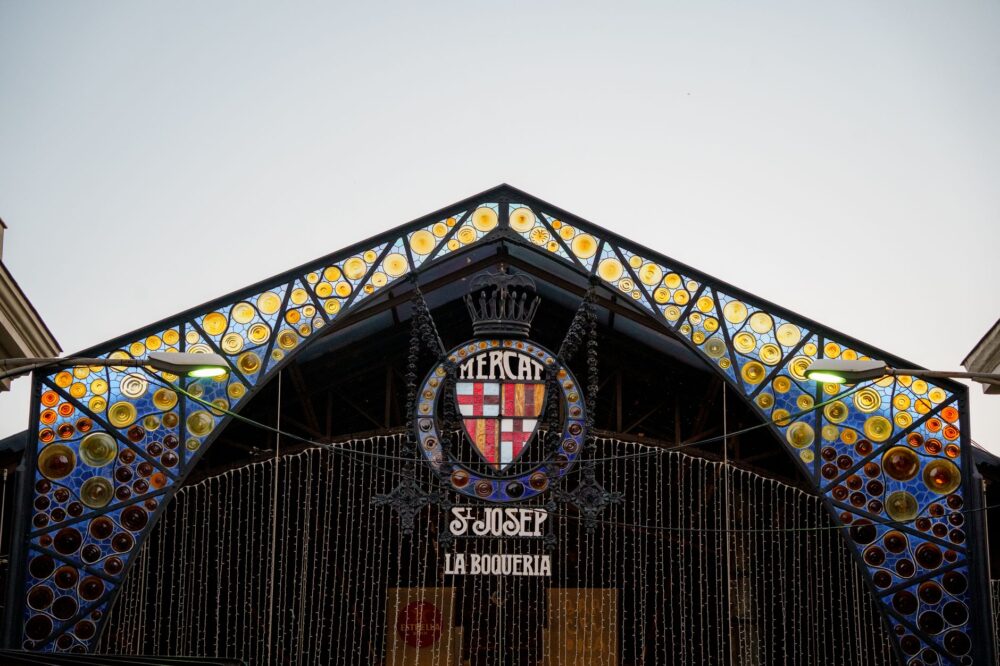
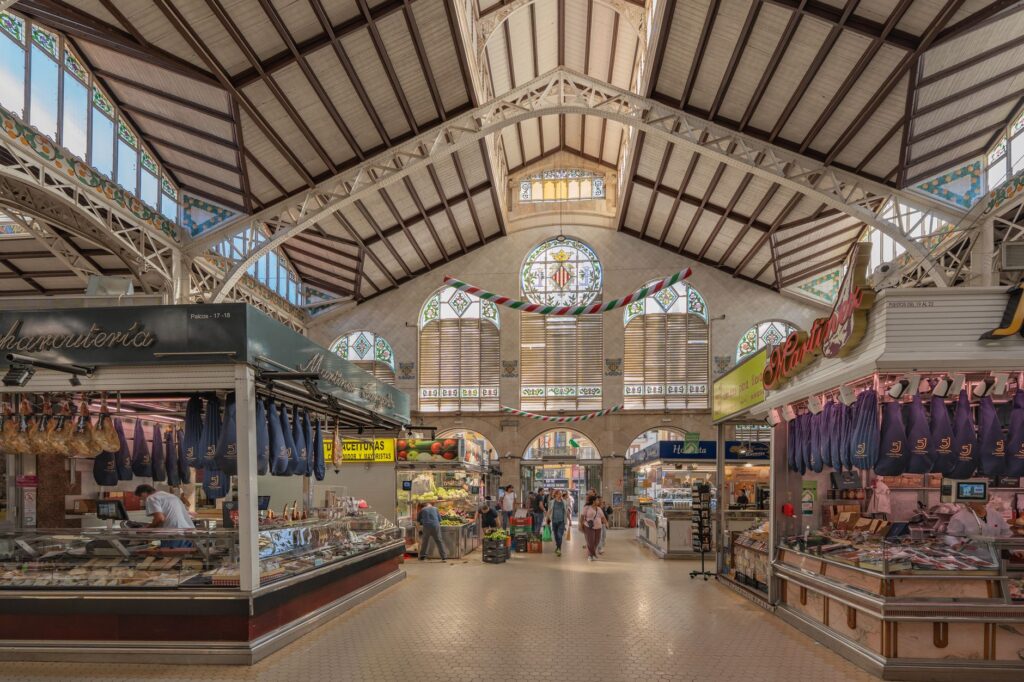
Valencia’s Central Market is much more than a mere urban provisioning hub; it is a secular cathedral erected upon the foundations of overseas trade and peri-urban agriculture. Formally inaugurated after decades of bureaucratic disputes and stalled projects, this colossal structure of iron, glass, and ceramics represents the zenith of architectural modernism applied to daily life. Architects Alejandro Soler March and Francisco Guardia Vial conceived a space in 1914 where natural light pours in zenithally, sculpting an unrepeatable atmosphere every morning over the fresh produce stalls.
Beneath the metallic ribbed vaults that mimic the silhouette of dragons and the historic trade exchanges of the Crown of Aragon, vendors execute an age-old choreography. Each product occupies a meticulously studied space, an implicit order that respects the seasonality of Spain’s eastern coast. The fish stalls, dominated by catches from the Grao fish market, display the iridescent shimmer of red prawns from Denia and local bivalves, while the steady murmur of shoppers creates a genuine urban symphony.
The inclusion of Valencian ceramics on the facades and interior baseboards introduces a chromatic palette dominated by olive greens, terracotta ochres, and crisp whites. This aesthetic display serves climate control rather than mere ornamentation: the porous materials and high ceilings facilitate natural air circulation—an ingenious early 20th-century cooling system that continues to prove astonishingly effective against sweltering summer heatwaves.
The Surrounding Orchard: The City’s Green Heartbeat
It is impossible to understand the market stalls without looking toward the agricultural belt that sustains them: the Huerta de Valencia. This oasis of irrigation canals dating back to the Andalusi era, zealously protected by the Water Tribunal—Europe’s oldest active legal institution—cultivates vegetable varieties that have remained virtually unchanged for the past five hundred years. Here grow Benicarló artichokes, tender snap peas, and coveted tiger nuts carrying protected designation of origin status.

The water flowing through the main irrigation channels, such as Moncada or Tormos, originates directly in the Turia River, regulated through community discipline where a verbal agreement still holds more weight than any notary contract. Local farmers arrive at the market at dawn with baskets still damp from the nocturnal dew, transporting produce whose carbon footprint is practically negligible and whose organoleptic profile defies the standards of globalized intensive agriculture.
Within this agrarian ecosystem, biodiversity is cultivated through small-scale polycultures. Plots form a mosaic where hanging tomato vines, winter melons, and white eggplants coexist. Veteran farmers practice intuitive crop rotation, preserving the fertility of clay-rich soil that demands constant physical exertion and profound meteorological knowledge handed down through generations.
The Valencian orchard is not a fossilized landscape destined for tourist contemplation, but a living organism that nourishes and sustains the culinary identity of an entire Mediterranean region.

Fish Market Stalls and the Liturgy of the Sea
Just a few steps from the main entrances, white marble tables are covered with crushed ice to receive the catches brought in by the artisanal fleet operating between Cape San Antonio and the Gulf of Valencia. Female vendors, authentic guardians of local marine nomenclature, serve a demanding clientele seeking the exact point of freshness required for traditional broths, rice dishes, or Frituras.
The star product varies according to the tide, but wild sea bass, white seabream, and black monkfish hold prominent positions. Unlike major international distribution circuits, the fish sold here barely exceeds a few hours since artisanal boats touched port. This immediacy guarantees firm textures and a pure sea flavor that requires no complex culinary artifices to shine brightly on the table.
Nighttime auctions at the port fish market determine the economic pulse of the market the following morning. Middlemen and small restaurateurs buy amidst the calls of gulls and the diesel engines of fishing boats, establishing a direct link between the sailor and the final consumer that stands resiliently against the pressure of suburban big-box supermarkets.
Rice as the Backbone of Culinary Tradition
No gastronomic analysis of this enclave would be complete without addressing the cereal that anchors Valencian culture: rice. In the central aisles of the market, shops specializing in legumes and grains display varieties protected by the Valencia Rice Designation of Origin: Bomba, Senia, and Albufera, each possessing radically different physical behavior and broth-absorbing capacities.
The Senia grain, for example, stands out for its exceptional absorption of surrounding flavors, making it the preferred choice for coastal runny and soupy rice dishes. The legendary Bomba rice, conversely, with its short pearled grain, increases its longitudinal size during cooking without breaking, withstanding the roaring flames of orange-grove firewood during family Sundays with dignity.
Popular wisdom passed down among market stalls also encompasses the secrets of the perfect sofrito—slowly confited onions over high heat, seedless grated tomato, and sweet paprika toasted with extreme caution—proving that Valencian cuisine is, above all, a rigorous exercise in timing, temperature, and absolute respect for raw ingredients.
Sweet Craftsmanship and Horchata Culture
The northern edge of the market building opens onto stalls dedicated to traditional confectionery and dried fruits, where the tiger nut achieves secular divine status. Wrinkled brown tubers originating from the orchards of Alboraya are transformed at neighboring counters into liquid horchata and celebrated spongy fartons specifically designed to be dipped in the chilled beverage.

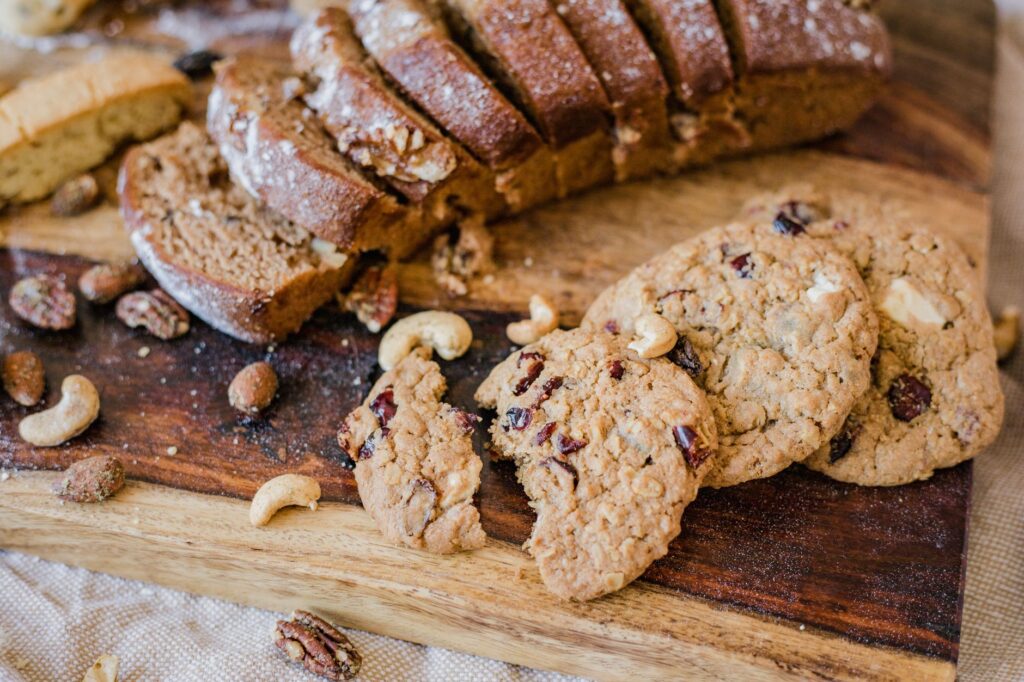
Additionally, artisanal nougats from the northern regions of Alicante, lemon-and-cinnamon-scented llanda cakes, and brioche-textured panquemados preside over Easter celebrations. These traditional bakery sweets maintain secular formulas that reject industrial preservatives, relying instead on pure lard, barn eggs, and organic citrus zests.
Master horchateros and market historians patiently explain the complex washing, crushing, and pressing process of tiger nuts to visitors—a ritual requiring purified water and moderate industrial refrigeration to prevent premature fermentation of a live product rich in natural starches and healthy fats.
Sustainability Challenges and Generational Turnover
Despite its apparent vigor, the Central Market faces complex structural challenges stemming from urban gentrification, massive tourist pressure, and the difficulty of finding generational turnover in family stalls. Many children of long-time stallholders opt for university careers, forcing the handover of centennial businesses to new entrepreneurs who must learn the trade from the ground up.
Merchant associations collaborate closely with municipal authorities to implement sustainable mobility policies, banning polluting vehicles in the immediate surroundings and promoting public transport and ecological last-mile delivery fleets. Likewise, campaigns are promoted to educate younger generations on local shopping as opposed to the uniformity of impersonal refrigerated supermarket aisles.
The survival of traditional European markets depends on their ability to balance heritage authenticity with adaptation to twenty-first-century logistical demands, without losing an ounce of their community soul.
Practical guide
- How to get there: Located in the heart of the historic center (Plaza del Mercado, s/n), it is accessible on foot from any point in Ciutat Vella. Municipal EMT bus lines (numbers 4, 7, 27, and 73) stop less than a hundred meters away.
- Opening hours: The market opens Monday through Saturday from 07:30 to 15:00 hours. Visiting between 09:00 and 11:00 hours is recommended to see the produce at its peak and avoid end-of-morning crowds.
- Recommended accommodation: For a complete immersion, the Carmen neighborhood and the surroundings of the Silk Exchange house unique boutique hotels located in restored historic palaces, such as Caro Hotel or Palacio Vallier.
- Commercial etiquette: Photographing the stalls and building is permitted, but visitors should request prior permission from vendors before directly focusing on individuals. Cash payment remains very common in traditional stalls, though most now accept contactless cards.
The Eternal Awakening Beneath the Domes
When the afternoon light begins to fade over the modernist stained-glass windows and cleaning crews sweep away the final ice remnants at the fish bays, the Central Market regains a quiet dignity. In that moment of truce, before the iron doors close until the new dawn, the metallic structure seems to exhale a sigh accumulated over more than a century of human stories.
Residual aromas of saffron, fresh seafood, and damp orchard soil still linger in the air, reminding any observant traveler that the true sanctuaries of Mediterranean culture are not found solely behind the silent walls of museums, but in these bustling spaces where life is nourished, celebrated, and passed on every single day without rest.