The liquid gateway between two worlds and its fragile balance
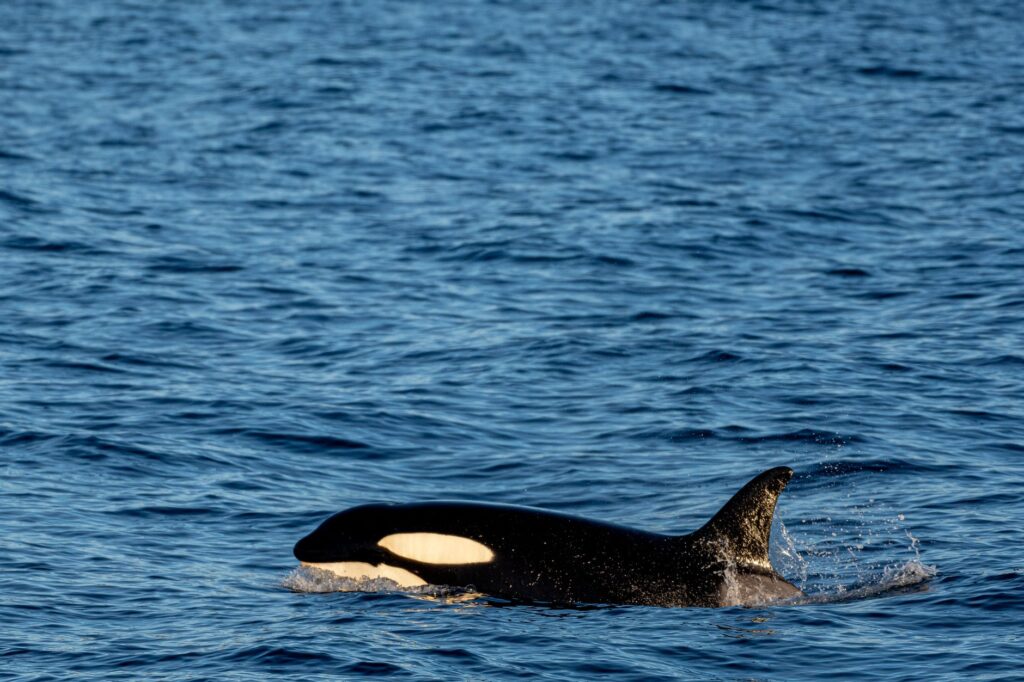
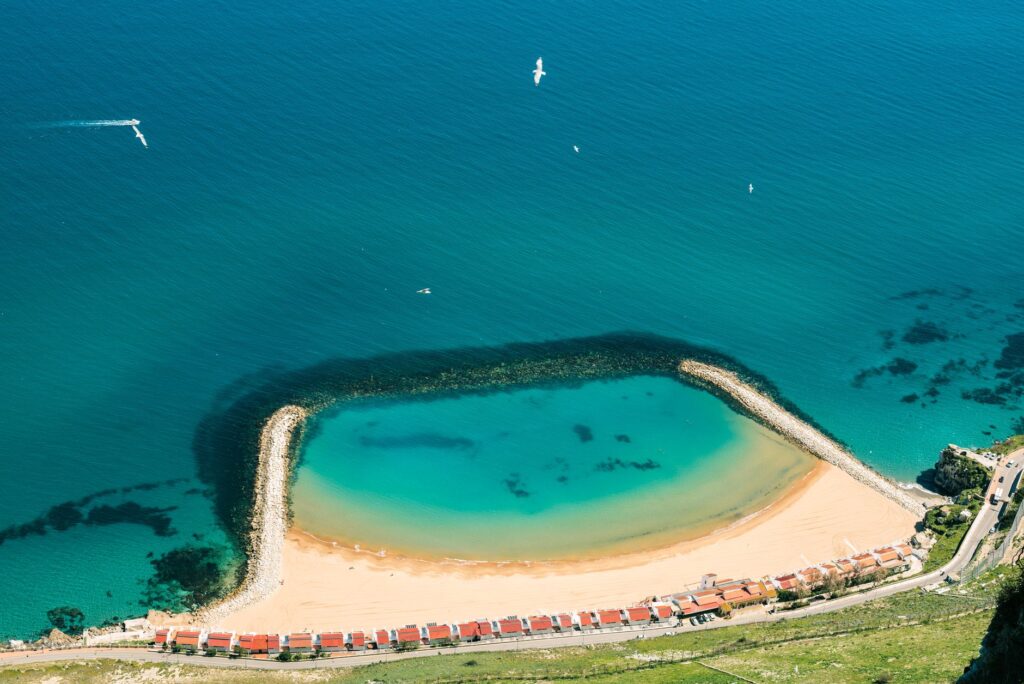
The Strait of Gibraltar is far more than a geographical accident separating Europe from Africa; it constitutes one of the most dynamic and complex oceanographic corridors on the planet. In this bottleneck, barely fourteen kilometers wide at its narrowest point, the cold, dense waters of the Atlantic Ocean collide and mix with the warm, saline waters of the Mediterranean Sea. This perpetual collision generates intense currents, nutrient upwellings, and exceptional biological richness that sustains entire trophic webs. At the center of this ecological theater lies one of the most fascinating and studied apex predators in the marine realm: the resident population of Iberian killer whales (Orcinus orca).
Far from being casual visitors, these cetaceans have made the eastern sector of the Strait and the coasts of the Gulf of Cadiz their temporary home during the summer months. Their presence, however, is not without tension. The drastic transformation of coastal marine ecosystems, historical overfishing, and the exponential rise in commercial maritime traffic have turned this corridor into an environment of high vulnerability. Understanding the ecology of these orcas requires looking beyond sensationalist headlines and delving into the complex oceanography of a marine throat where science, economics, and cross-border conservation converge.
Geodynamics and currents of the Strait
The bathymetric configuration of the Strait of Gibraltar responds to complex tectonic processes linked to the convergence of the Eurasian and African plates. The seabed is not a uniform plain; rather, it features thresholds and deep submarine canyons, with the Camarinal Sill being the shallowest point at approximately 280 meters. This physical barrier acts as a natural regulator of water exchange. Atlantic surface water flows constantly into the Mediterranean to compensate for the latter’s high evaporation, while at depth, a tongue of Mediterranean water, denser and saltier, slides back toward the open ocean.
This constant exchange of water masses drives a phenomenon known as coastal upwelling. When Levantine winds blow strongly from the east, they displace surface waters offshore, forcing deep layers rich in nitrates, phosphates, and organic matter to rise toward the surface. This massive influx of nutrients stimulates the proliferation of phytoplankton, which in turn feeds zooplankton and smaller pelagic fish, creating a hyperactive trophic chain upon which larger species, including large tunas and marine mammals, depend.
Atlantic bluefin tuna as an ecological and trophic driver
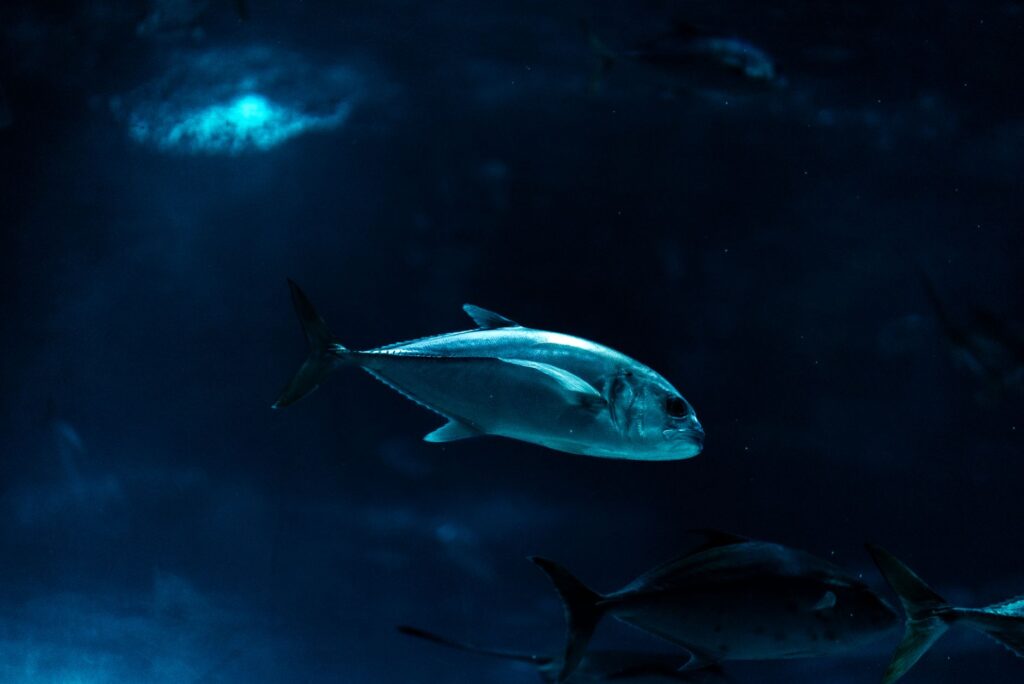
To understand the movement patterns of the Strait’s orca subpopulation, it is imperative to trace the path of the Atlantic bluefin tuna (Thunnus thynnus). Every spring, large schools of mature tuna leave the North Atlantic to cross the Strait toward the Mediterranean to spawn in temperate waters, particularly around the Balearic Islands. This migratory flux represents one of the largest concentrations of energetic biomass in the marine environment and constitutes almost the exclusive dietary base for the orcas during the spring and summer months.
The orcas, organized into small, tightly knit family clans, have developed highly specialized cooperative hunting tactics to capture these powerful swimmers. Unlike high-latitude orca populations that feed on seals or schooling fish, this Iberian group relies mechanically on the successful capture of adult bluefin tuna. The alteration of tuna populations due to decades of industrial overfishing has therefore had a direct and immediate repercussion on the demography and behavior of these cetaceans, forcing them to modify their foraging strategies and spatial distribution within the corridor.
Social anatomy and demography of the Iberian subpopulation
The orca population frequenting the waters of the Strait of Gibraltar is classified as critically endangered by the International Union for Conservation of Nature (IUCN). This is an extremely small group, numbering just over fifty individuals distributed across several stable clans or families. Their social structure is matriarchal and relies on intergenerational cultural transmission: mothers and grandmothers teach the calves not only migration routes and hunting techniques, but also communication codes and social interaction patterns.
This reliance on cultural learning means that any loss of adult individuals, especially breeding females or experienced guides, represents a devastating blow to the long-term viability of the entire group. Added to this are a low birth rate and a high infant mortality rate indirectly linked to chemical contamination from heavy metals and persistent organic pollutants accumulated in body fat, as well as collisions with recreational and high-speed vessels transiting the area.
Interaction with sailboats and the myth of deliberate attack
In recent years, the relationship between the Strait’s orcas and recreational sailors has captured international attention due to a series of interactions characterized by physical contact with the rudders of sailboats, which in numerous cases has resulted in structural steering failure and subsequent vessel immobilization. These episodes have been popularly labeled in the media as “attacks,” a term categorically rejected by the scientific community for attributing a malicious intent that does not exist in the cetaceans’ behavior.
Interactions with rudders do not stem from an aggressive strategy, but rather from a playful and exploratory behavior consolidated among the younger individuals of the group, stimulated by curiosity and collective play dynamics.
Analyses conducted by specialized working groups suggest that these behaviors began with a very small core of young individuals who discovered the elastic resistance of suspended spade rudders as they rotated. The repetition of the game, reinforced by the visual and acoustic feedback of the moving boat, spread rapidly through social imitation among clan members. Far from seeking to sink vessels, underwater observations confirm that orcas display tactile curiosity that, due to their enormous physical strength and the design of modern watercraft, inadvertently generates severe structural damage.
The impact of maritime traffic and underwater noise pollution
The Strait of Gibraltar supports one of the highest densities of commercial maritime traffic in the world. Giant cargo ships, container vessels, oil tankers, and high-speed ferries cross the area uninterruptedly twenty-four hours a day, connecting ports in northern Europe, the Mediterranean, and Asia. This constant transit generates a severe environmental impact, dominated by two critical factors: the constant risk of collision with marine wildlife and underwater noise pollution.
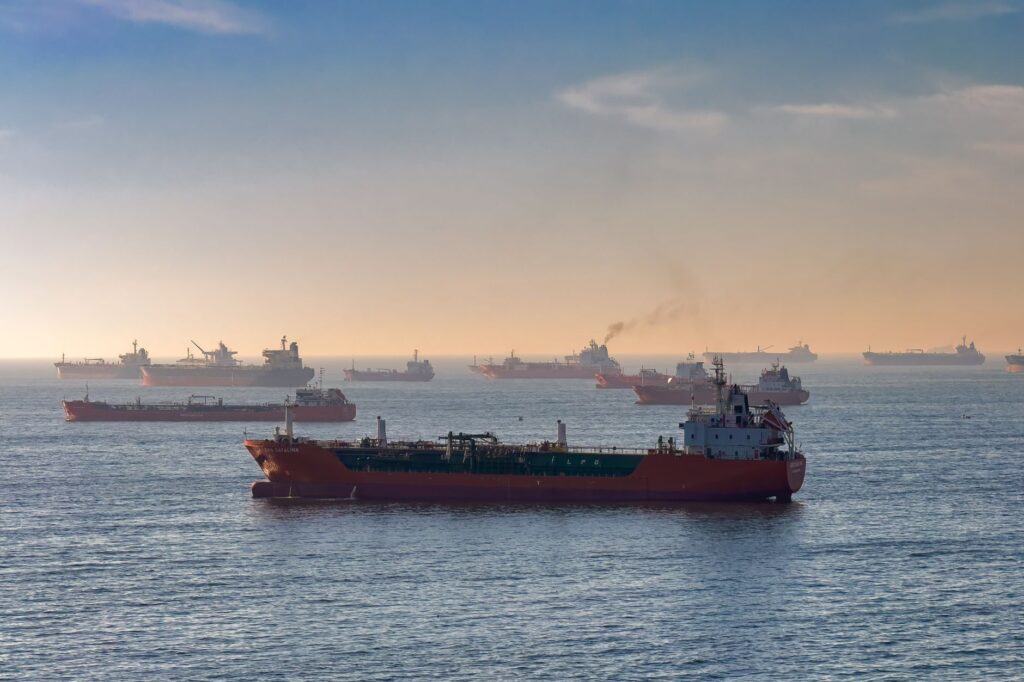
Anthropogenic noise generated by large propellers and diesel engines of merchant ships propagates with great efficiency through the water column, masking the acoustic signals that orcas use to communicate with each other, coordinate tuna hunts, and orient themselves in the marine environment. This chronic noise soup causes high levels of physiological stress in cetaceans, alters their resting patterns, and hinders the cohesion of family groups, exacerbating the vulnerability of a population already strained by food resource scarcity.
Cross-border conservation strategies and spatial management
The effective protection of Iberian orcas requires a management approach that transcends national jurisdictions and local sectoral interests. As a highly migratory species that transits Spanish, Moroccan, and Portuguese waters, diplomatic and scientific coordination between administrations is an indispensable condition. In Spain, conservation plans have driven the establishment of marine protected areas and temporal navigation limits in zones of special cetacean concentration during summer months.
Likewise, specific regulations have been developed to regulate the whale-watching tourism sector, establishing minimum safety distances, limits on approach times, and an explicit prohibition against interacting with animals displaying sensitive behaviors. However, experts agree that these measures must be complemented by stricter restrictions on underwater noise and fisheries management based on bluefin tuna quotas that guarantee both the economic sustainability of the artisanal fleet and the maintenance of adequate caloric intake for the orcas.
Practical guide
Planning a responsible approach to the marine environment of the Strait of Gibraltar requires understanding current regulations, reference research centers, and nautical safety protocols established to minimize impacts on protected wildlife.
- Location and access: The study and observation area extends from Cape St. Vincent in Portugal to the Gulf of Cadiz and the eastern strip of the Strait, with main bases in ports such as Tarifa, Algeciras, and Barbate.
- Navigation regulations: It is strictly forbidden to navigate closer than 60 meters to cetaceans, feed them, swim with them, or alter their travel trajectory. In the event of an interaction with orcas, it is recommended to turn off the engine, disconnect the sonar, leave the rudder centered, and avoid any abrupt maneuvers that stimulate play.
- Interpretation centers and citizen science: Institutions such as the Atlantic Orca Working Group (GTOA) and Circe (Coordination, Research, and Conservation of Cetaceans) offer updated scientific information and channels to report sightings and interactions for research purposes.
- Responsible tourism: If hiring cetacean observation trips, verify that vessels carry the official authorized boat flag (emblematic of environmental quality) and strictly comply with slow and respectful approach protocols.
- Best time to visit: The months between May and August concentrate the highest probability of orcas being present along their bluefin tuna tracking route, also coinciding with the most stable weather conditions for coastal navigation.
Silences in the current
Observing the hazy silhouette of the African coastline from the cliffs of Tarifa while the Levantine breeze stirs the sea surface allows us to gauge the fragility of this oceanic outpost. The orcas of the Strait are neither a threat nor a symbol of conflict, but rather the living guardians of an ancient equilibrium that depends entirely on our environmental management decisions. In the constant murmur of their waters, Earth’s geological history and the ethical responsibility to preserve marine life for future generations converge, reminding us that in this narrow blue corridor, every species fulfills an irreplaceable role that human technology can never replicate.