


The Invisible Geometry of Saltwater in the Atlantic Estuary
At the southern tip of the Breton peninsula, where Atlantic currents push inland to sculpt a complex network of channels and clay flats, the Guérande marshes unfold a landscape that defies the conventions of mass coastal tourism. This amphibious territory is not the result of geographical chance, but rather of rigorous human intervention begun in the Middle Ages, when Benedictine monks understood that solar evaporation and tidal flow could be harnessed as an economic and cultural resource of the highest order. Today, this protected ecosystem offers a travel alternative rooted in active contemplation and respect for natural cycles, constituting one of the most singular enclaves for understanding the historical relationship between humanity and the marine environment.
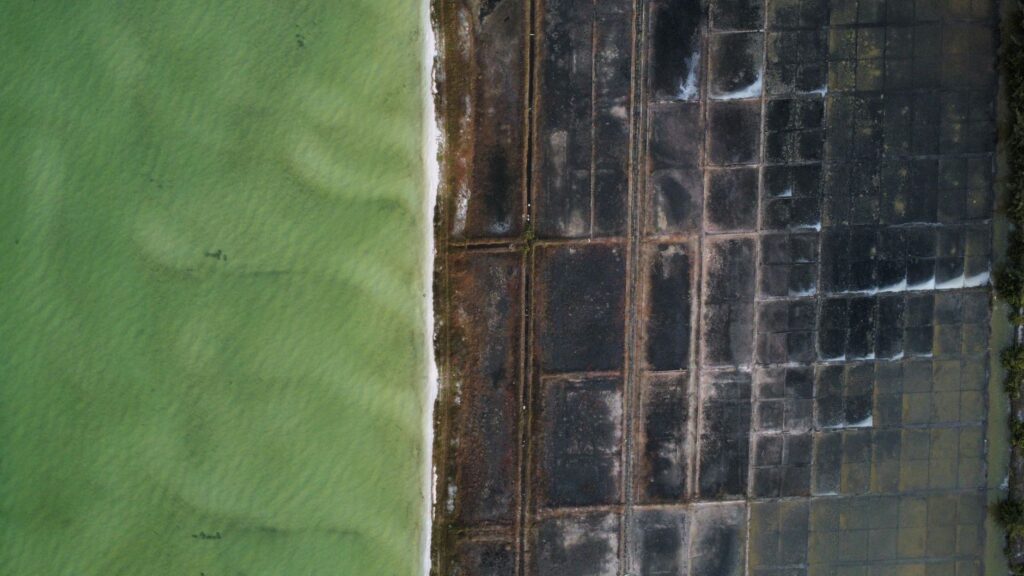
Far from conventional sun-and-beach circuits, the traveler who ventures into Guérande discovers a geography fragmented by thousands of artificial basins known as oeillets, where seawater moves by gravity through a millimeter-precise network of sluices and clay dikes. The architecture of this saline landscape is completed by the fortified villages that guard it, where grey granite masonry and black slate roofs establish an unalterable chromatic contrast against the shifting light of the estuary. This report examines the economic, social, and landscape structure of a territory that has successfully shielded itself against urban speculation, becoming a European benchmark for sustainable tourism and living heritage.
The Alchemy of the Estuary: From Canal to Marine Crystal
The operation of the Guérande salt pans relies on a delicate thermodynamic and meteorological balance. Unlike modern industrial extraction plants, here the harvesting process strictly follows traditional methods passed down through generations. Oceanic water penetrates the system during spring and summer high tides, traversing a decantation circuit where it progressively increases in salinity as it flows through storage ponds and distribution channels.
The paludiers, as the region’s salt artisans are known, operate as expert hydraulic engineers equipped with traditional tools such as the las, a long wooden handle crowned by a lightweight board that allows them to skim the water’s surface to harvest the fragile layer of fleur de sel without disturbing the clay bottom. This trade demands deep knowledge of westerly winds and summer insolation, decisive factors that condition the quality and volume of the harvest. Visiting the marshes allows travelers to understand that every grain of salt encapsulates months of meteorological observation and considerable physical effort, revaluing an everyday product that here attains the category of a natural work of art.

The salt of Guérande is not a condiment obtained through mechanical processes, but the distilled result of patience, tides, and human geometry upon the Atlantic mud.
Architecture of Ramparts and Slate Roofs
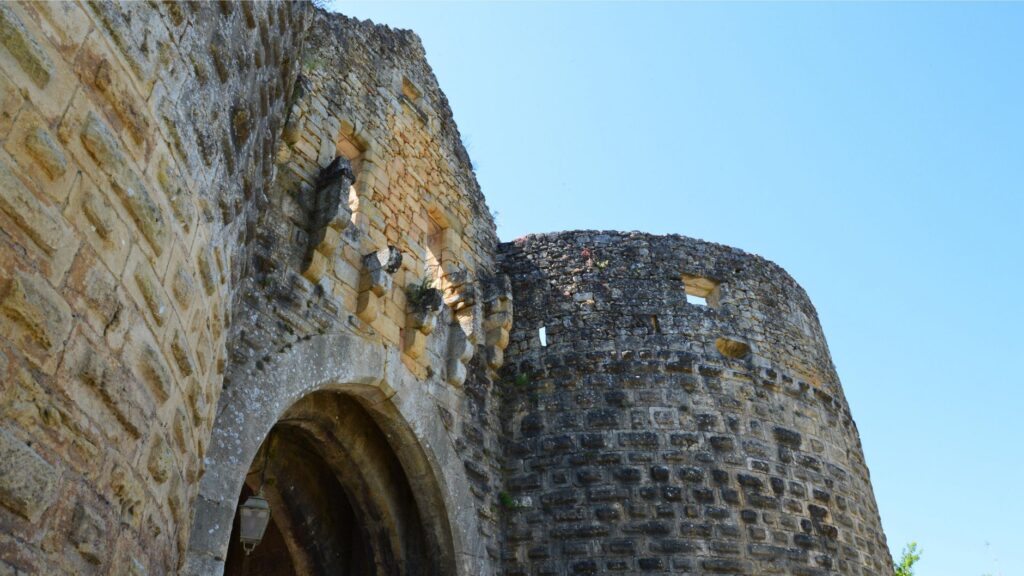
Dominating the saline flat rises the medieval town of Guérande, one of the few French localities to preserve its 15th-century ramparts entirely intact. Crossing the Porte de Saint-Michel means leaving the amphibious world of the channels behind to immerse oneself in an urban fabric where time seems to have slowed down. Cobbled alleyways are flanked by timber-framed houses and stately mansions built from the region’s characteristic granite, a material resistant to marine humidity that grants the town a stony and solemn appearance.
This architectural heritage does not constitute a mere museum backdrop, but a living space inhabited by artisan workshops, independent bookstores, and small markets featuring local produce. The integration between the walled town and the surrounding marshes is total: the urban economy has historically depended on the white gold trade, and this interdependence is manifest in the layout of the bridle paths and the ancient salt storage warehouses, now converted into interpretation centers and cultural spaces that explain the evolution of the surrounding landscape.
Amphibian Botany and Avifauna of the Regional Natural Park
The value of Guérande extends beyond the strictly ethnographic realm to establish itself as a wildlife refuge of international importance. Integrated into the Brière Regional Natural Park and the network of protected wetlands, the saline labyrinth sustains highly specialized halophytic flora capable of thriving in soils with extreme salinity concentrations. Species such as glasswort, sea purslane, and sea fennel carpet the margins of the ponds, creating vegetal tapestries that shift from intense green to copper red depending on the season.
For ecotourism and ornithology enthusiasts, the estuary represents a privileged observatory. During migratory routes and nesting months, the marshes welcome thousands of waterbirds, from the elegant grey heron and the bittern to numerous shorebird species that find a tranquil hunting ground in this quiet biotope. Designated trails skirting the channels allow visitors to traverse these areas of high ecological value without disturbing wildlife, fostering a respectful and educational approach that contrasts with invasive recreational tourism and prioritizes silent observation over intrusive recreational intervention.
The Economy of White Gold Facing Climate Challenges
In the twenty-first century, the survival of Guérande’s artisanal salt pans faces complex challenges derived from climate change and demographic pressure on the French Atlantic coast. Atypical rainfall episodes during summer months, traditionally dry, can ruin an entire harvest within hours by diluting the saline concentration of the ponds. Faced with this vulnerability, the paludiers‘ cooperative has driven management strategies based on controlled diversification and rigorous designation-of-origin certification.

This economic model demonstrates that the viability of rural European heritage does not depend on mass tourism, but on production excellence and the rigorous transmission of traditional knowledge to new generations. Training workshops and specialized guided tours help finance the conservation of the clay dikes and the restoration of wooden sluice gates, ensuring that medieval hydraulic technology continues to operate with the same efficiency five centuries after its original design.
Estuarine Gastronomy: Hyper-Local Produce as Culture
The influence of the marshes and the open sea inevitably shapes the Breton table in this region. Local gastronomy rejects culinary artifice in favor of a larder based on the absolute freshness of marine resources and the precise use of artisanal salt as a flavor enhancer. The restaurants of Guérande and the nearby Croisic peninsula feature inshore catches from the local artisanal fleet, invariably accompanied by vegetables cultivated in the estuary’s borderlands.
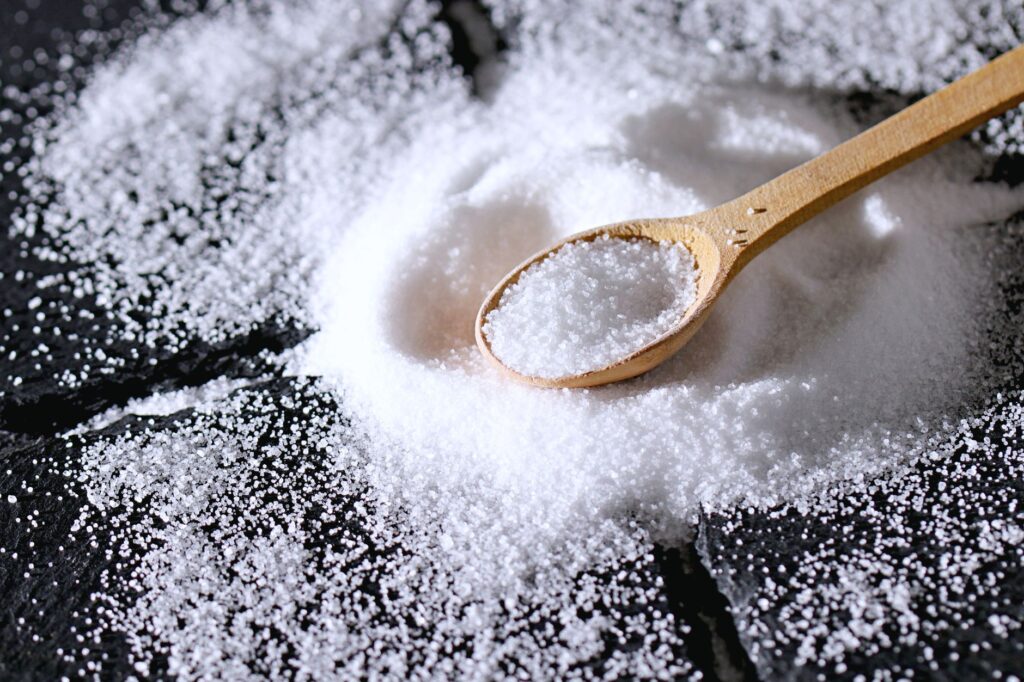
Likewise, the culture of bread and salted butter finds its maximum expression here, combining Breton dairy tradition with the crunchy crystals of fleur de sel. The culinary tourism fostered in the region shuns standardized offerings and promotes direct contact with producers, organizing gatherings that explain how the water’s mineral content directly influences the organoleptic qualities of both savory items and traditional pastries, such as local butter-rich kouign-amann cakes.
Eating along the Guérande coast is an exercise in geographical comprehension; every dish synthesizes soil mineralogy, the harshness of Atlantic winds, and the accumulated wisdom of its people.
Practical guide
- How to get there: The main access is via Nantes-Atlantique Airport, located approximately 75 kilometers away. From there, regional rail services connect to La Baule-Escoublac or Guérande stations in roughly one hour. Renting a vehicle is also recommended to explore the estuary’s secondary roads with autonomy.
- Best time to visit: The months between June and September coincide with the optimal salt harvest season and stable weather conditions. However, spring (April and May) and autumn (October) offer a calmer experience, ideal for birdwatching and hiking without crowds.
- Accommodation: Travelers are advised to prioritize rural tourism establishments integrated into traditional restored manor houses within the walled town or near the marshes, avoiding mass-market resort hotels along the coastal beach strip.
- Visiting rules: The marshes are private property and active workplaces. Walking along the clay rims of the evaporation basins (oeillets) is strictly prohibited to prevent dike collapse; tours must be conducted exclusively along marked public trails or via authorized guided visits.
- Gastronomy and shopping: Purchase fleur de sel and coarse sea salt directly at official points of sale run by the paludiers‘ cooperative or at local historic-quarter markets to guarantee authenticity and support the preservation of the artisanal craft.
The Twilight Reflection: The Ultimate Pause in the Estuary
As evening falls over the Guérande marshes, the surface of the ponds transforms into a motionless mirror capturing the amber and violet tones of the Atlantic twilight. In that moment of absolute silence, broken only by the distant murmur of ocean breakers and the low flight of late night birds, the landscape reveals its true spiritual and static dimension. Visitors have left the trails; tools rest on the dikes. Only the perfect geometry of clay and water, carved by human effort over centuries, remains in dialogue with the immensity of the oceanic sky. It is within this refuge of slowness that contemporary travelers find the definitive answer to the need for pause, reconnecting with the essential rhythms of land and sea in one of the most honest and best-preserved corners of Atlantic Europe.


