
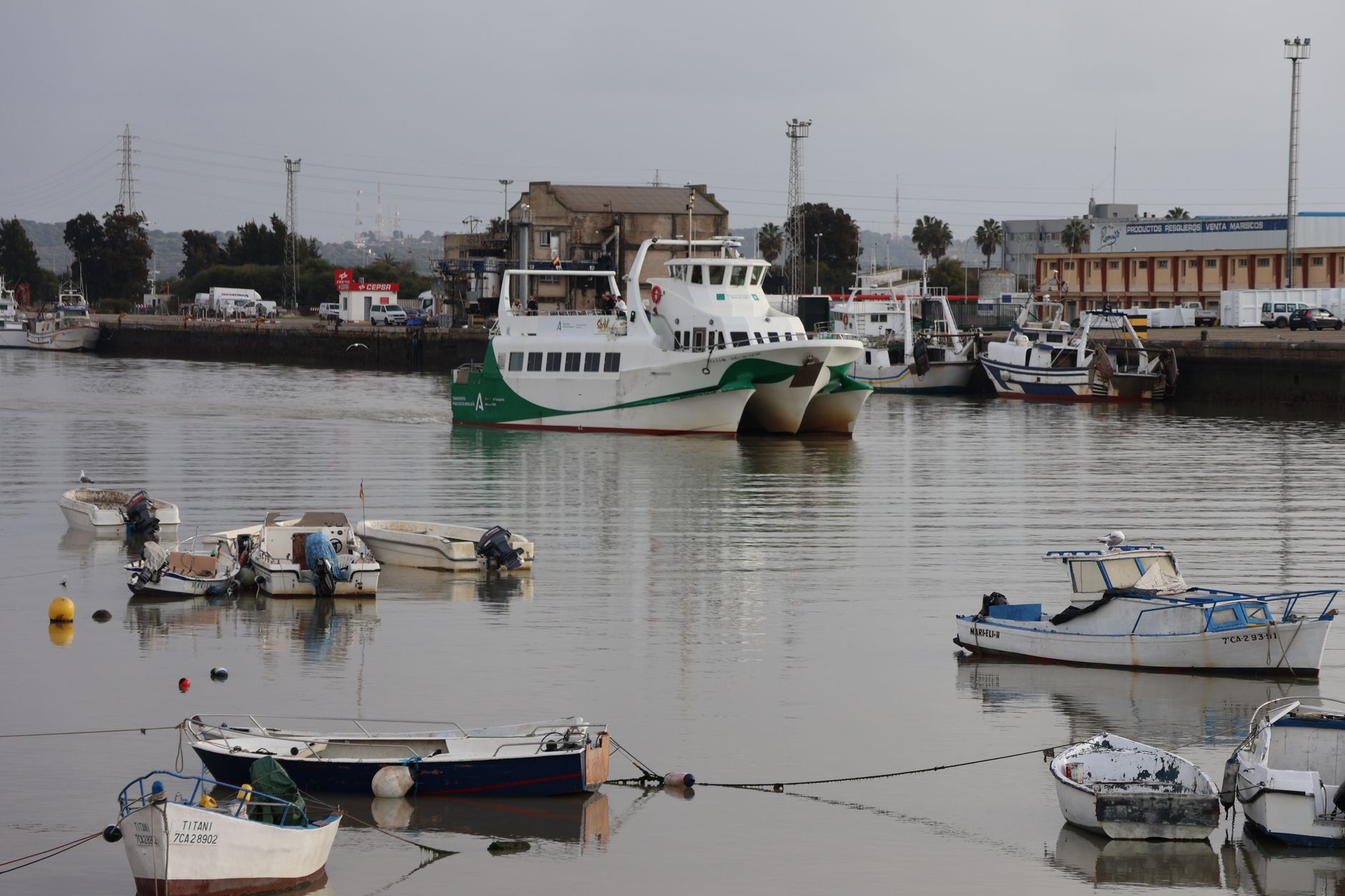

The Geopolitics of Narrow Waters: Aqaba’s Strategic Hub and Its Hinterland
The Gulf of Aqaba is far more than a placid body of water flanked by severe deserts; it constitutes a maritime and terrestrial throat where four national sovereignties converge across just a few kilometers of shared coastline. From the perspective of transport infrastructure, this elongated water body acts as an intermodal bridge of immense strategic value and constant fragility. Here, the flows of heavy freight, tourist movements, and the seasonal migration of workers and pilgrims depend on a precise choreography between the coastal highway, container docks, and high-speed passenger terminals.
Analyzing mobility in this region requires understanding that the geographical isolation of the surrounding desert has historically forced the development of highly specialized logistical solutions. The supply chains feeding the tourist enclaves on the Egyptian Sinai coast, Jordanian industrial complexes, and mega-projects under development in northwestern Saudi Arabia rely on maritime connectivity that brooks no interruption. When seasonal northerly winds whip the gulf with unexpected gusts, the entire intermodal system experiences immediate tension that tests the resilience of operators and port administrations.
Administrative complexity adds a layer of technical friction that distinguishes Aqaba from other maritime corridors in the Mediterranean or Southeast Asia. Vessels crossing daily toward Taba or Nuweiba must navigate not only complex customs protocols but also stringent international safety standards and underwater archaeology in an extremely fragile marine environment. This report examines the human and mechanical machinery that makes it possible to keep this delicate umbilical cord between Africa and Asia alive across the waters of the Red Sea.
Port Architecture and International Ferry Logistics
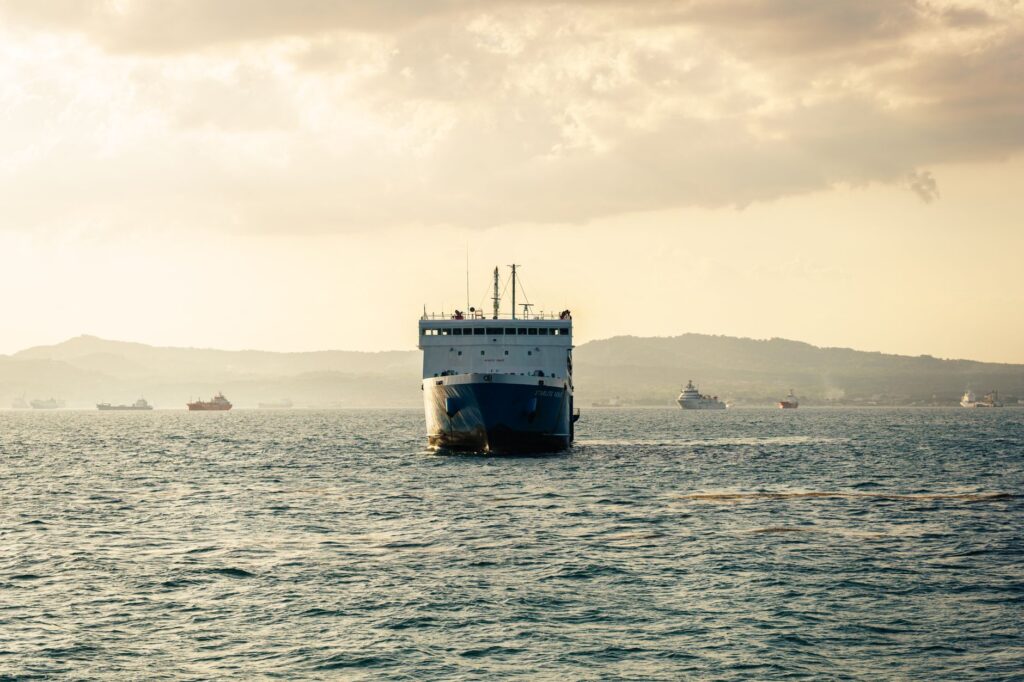
The beating heart of mobility within the gulf resides in its deep-draft ferry infrastructure, capable of simultaneously transporting articulated cargo trucks, private vehicles, and hundreds of foot passengers. This mixed fleet operates under a short-sea shipping regime that defies the usual conventions of international maritime transport. The docks at Aqaba have undergone successive modernizations to channel ro-ro vehicular traffic that bypasses more conflictous or indirect overland routes across the Middle East.
Every docking maneuver at the Jordanian terminal is the result of meticulous coordination between captains, harbor pilots, and ramp operators. The typology of the vessels deployed—principally roll-on/roll-off ferries with side-loading capability and reinforced sterns—responds to the need to minimize turnaround times at the pier. During peak seasons, a vessel can complete cargo operations, crew customs clearance, and departure toward the Egyptian coast in under ninety minutes, a logistical feat requiring seamless synchronization between border authorities on both shores.
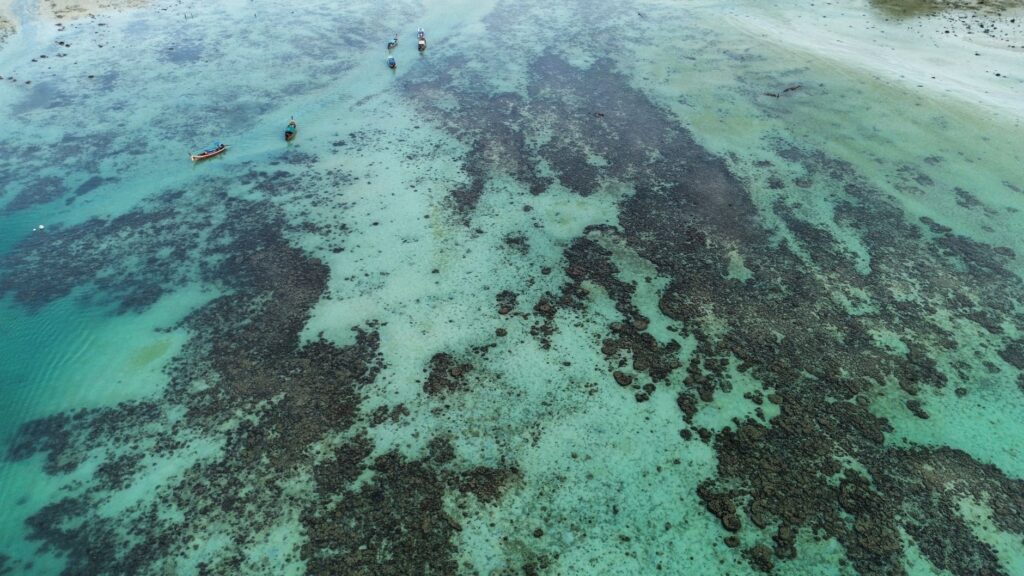
The waterline of the Gulf of Aqaba supports much more than international trade; it sustains the fragile daily pulse of communities that rely entirely on the punctual arrival of every cargo shipment and every ferry.
Nevertheless, technical efficiency coexists with deep structural challenges. The aging of certain naval units combined with the corrosive salinity of the Red Sea demands maintenance programs that are as stringent as they are costly. Port authorities face the ongoing challenge of upgrading electronic signaling, dredging approach channels against accumulating coral sediments, and ensuring that fire safety and evacuation systems strictly comply with global IMO (International Maritime Organization) regulations.
The Pilgrim Route and Seasonal Passenger Transit
Beyond freight transport and conventional tourism, the Gulf of Aqaba plays an irreplaceable historical and contemporary role as a transit corridor for pilgrims journeying to the holy sites of the Arabian Peninsula or returning toward the African continent. This seasonal human flow radically transforms the operational dynamics of the terminals. During pilgrimage months, intermodal infrastructure experiences surges in demand that dwarf its habitual operating capacity by several hundred percent.
To manage this human influx without collapsing surrounding terrestrial transport networks, exceptional passport control protocols are deployed alongside temporary rest areas equipped with mobile sanitary facilities and organized long-distance bus convoys. The integration between ferry and highway becomes the critical link: any delay at sea due to crosscurrents immediately reverberates into the kilometers-long queues forming on the approach roads to the Jordanian port.

Interviews with local logistics planners reveal that the key to success in these campaigns lies in operational flexibility and meteorological foresight. Navigation agencies operate control centers linked in real-time with coastal weather stations to redirect passenger flows before sea conditions render smaller vessels unsafe, thereby preventing gridlock situations at the piers.
Corniche Highways and the Eastern Sector Coastal Road Network
The maritime connectivity of the gulf would be meaningless without the terrestrial infrastructure feeding and distributing it. On the eastern shore, the highway running parallel to the coast constitutes a remarkable piece of civil engineering, carved in many sections between the pink granite foothills of the mountains and the crystal-clear waters of the gulf. This high-capacity route bears heavy freight traffic originating from industrial ports and connects with major national highway axes.
Maintaining this coastal road presents singular geotechnical challenges. Sudden flash floods rushing down the wadis during sparse yet violent winter storms can deposit tons of mud and rock onto the asphalt within minutes, cutting communication between logistics centers and southern hotel zones. To mitigate this risk, civil engineers have designed a network of reinforced dips, cyclopean concrete retaining walls, and early hydrological warning systems based on flow sensors in the upper watersheds.

Beyond its strictly logistical function, this road serves as the sole umbilical cord for urban development and marine conservation infrastructure along the littoral. Traffic management in this sensitive strip requires a constant balance between expanding transport capacity to reduce transit times and strict environmental protection to prevent hydrocarbon runoff pollution in adjacent coral reefs.
Environmental Challenges and Coral Reef Protection Under Logistical Pressure
The sustained expansion of maritime and coastal transport in the Gulf of Aqaba clashes head-on with an exceptional biological reality: its waters harbor some of the most climate-resilient coral reefs on the planet, making them subjects of international scientific study. This circumstance imposes severe environmental restrictions on any transport infrastructure activity, ranging from merchant vessel anchorage to the construction of new piers.

Port authorities and ministries of environment have implemented mandatory ballast water management systems and zero-discharge protocols for all vessels operating within the gulf terminals. Likewise, ferry and speed-boat traffic is subject to strictly buoyed navigation corridors to prevent accidental collisions with marine megafauna and reduce acoustic impact on benthic ecosystems along the coastal fringe.
Environmental engineers collaborate closely with marine biologists to monitor the health of coral communities located near port approach lanes. Restoration programs for corals damaged by historical nautical activity and the installation of eco-friendly mooring buoys are palliative measures demonstrating how regional transport modernization seeks to integrate ecological sustainability as a non-negotiable component of long-term viability.
Practical guide
- Documentation and Visas: Verify current entry requirements for international ferries between Jordan, Egypt, and Saudi Arabia, as border visa regulations and port departure taxes are subject to frequent updates.
- Advance Vehicle Booking: If you plan to cross the gulf with a private vehicle or campervan via ro-ro ferry services, advance processing of customs documentation and international insurance (Carnet de Passage en Douane) is essential weeks prior.
- Seasonality and Weather: Avoid scheduling critical maritime travel legs during the windier winter months (December to February), when high-speed services frequently face temporary suspensions due to heavy swells.
- Digital Connectivity: Purchase regional or local eSIM cards before starting your road journey across the gulf’s various border posts, as mobile network coverage may alternate between different national operators without warning.
- Coastal Road Safety: When driving along the seaside corniche roads, exercise extreme caution regarding unexpected heavy freight trucks and potential sand or gravel deposits swept across the asphalt by desert winds.
Visual Epilogue: The Silence of the Anchor in the Red Sea Sunset
When the sun dips rapidly behind the abrupt summits of Sinai, staining the waters of the Gulf of Aqaba with coppery and violet reflections, the frantic activity of the port terminals experiences a brief yet solemn pause. On the horizon, silhouetted against the twilight sky, the profile of a ferry steers slowly toward the port entrance, its white wake cutting the smooth surface like an invisible seam binding distant shores. In this confine where the desert meets the marine abyss, every arrival in port is not merely a triumph of logistical engineering and coastal navigation, but the silent confirmation that fragile human connectivity continues to conquer the hostile immensity of the territory.


