
The Geography of Coral Isolation in the Melanesian Fringe
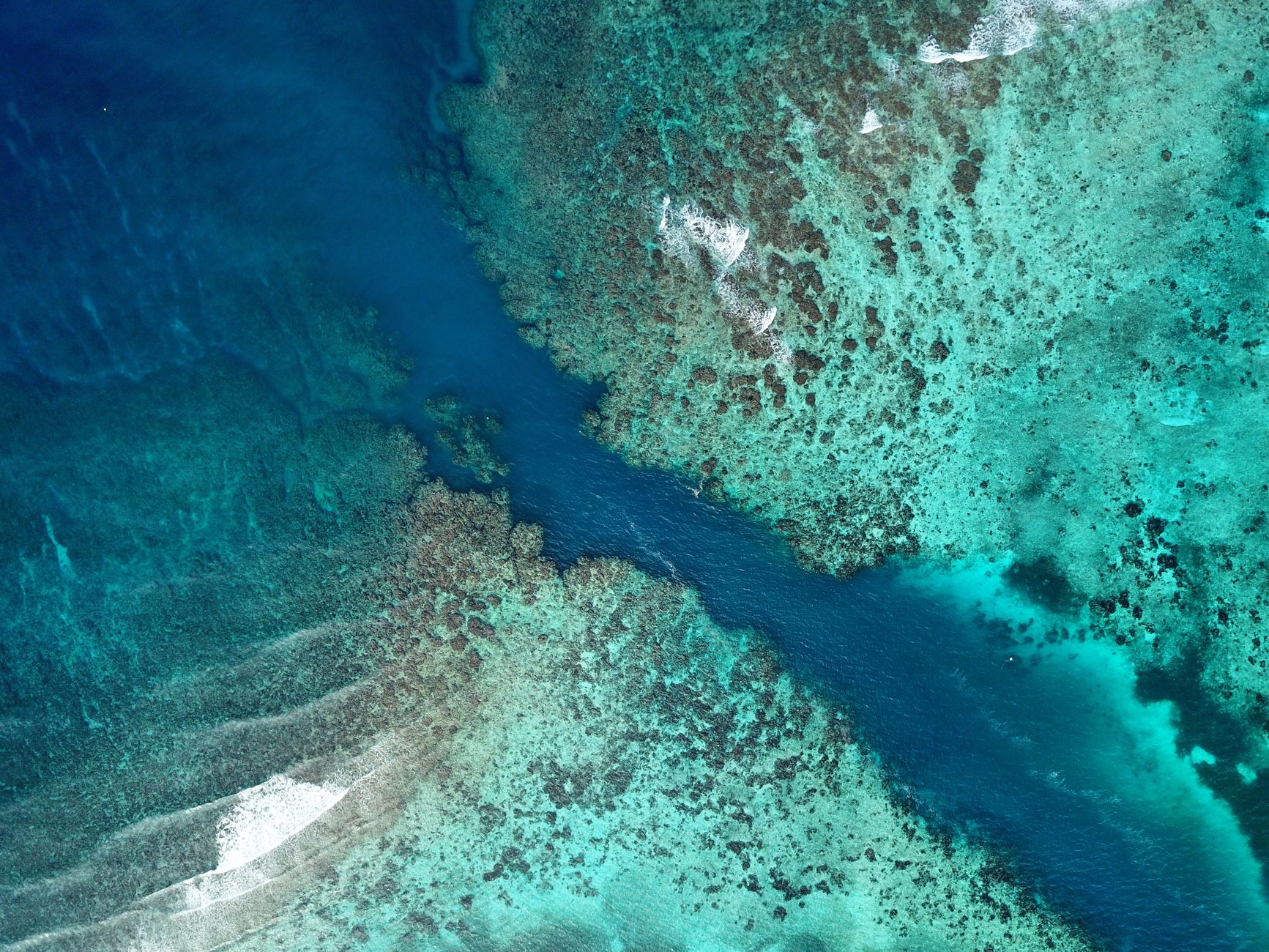
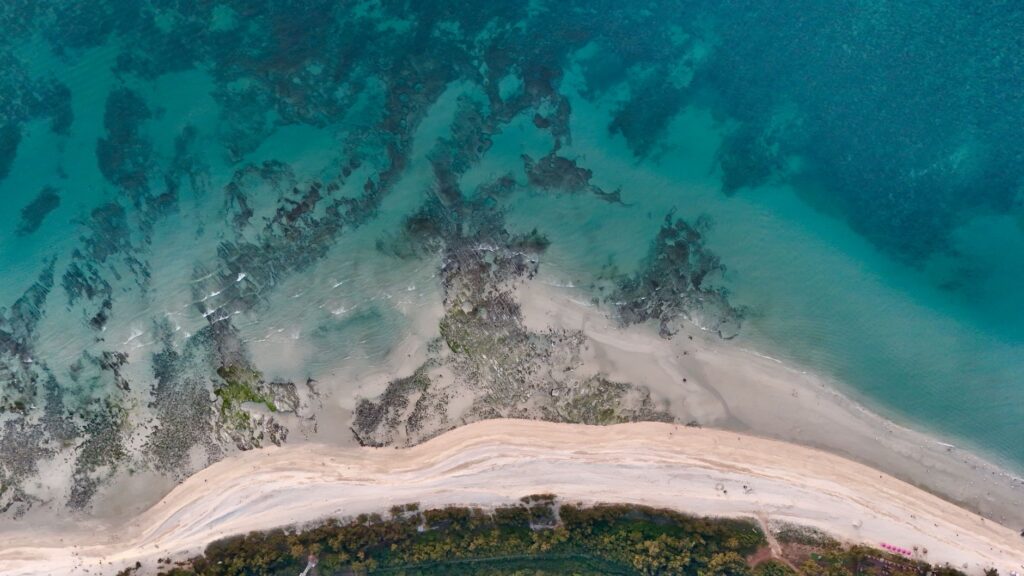
The horizon of the Loyalty Islands, situated northeast of Grande Terre in New Caledonia, is defined not by massive asphalt infrastructure or complex metropolitan hubs, but by a slender boundary where the immaculate white of coral sand crashes against the cobalt blue of the oceanic trench. Lifou, Maré, and Ouvea form an insular triptych where distance is measured not in kilometers, but in tides, the frequency of trade winds, and the skill of sailors and pilots who interpret every ebb tide as a shifting hieroglyph. In this remote corner of Oceania, the survival of Kanak communities depends on a logistical framework as fragile as it is precise, an intermodal system where every link—from the interisland cargo ship to the community pickup truck—fulfills a vital function in stitching together isolation.
For decades, transportation across this archipelago has been subjected to the unrelenting laws of the tropical nature. Coral atolls lack deep-water ports capable of accommodating massive container ships, forcing the design of a human-scaled transport architecture. The docks at Wé in Lifou or Tadine in Maré serve as settings where the friction between modernity and ancestral geography becomes tangible every single day. Understanding how these communities are provisioned is to witness an exercise in economic and cultural resilience, where fuel shortages, fluctuations in fresh produce supplies, and vulnerability to tropical cyclones establish a permanent state of logistical alert.
The Cabotage Fleet: The Umbilical Cord of the Coral Sea
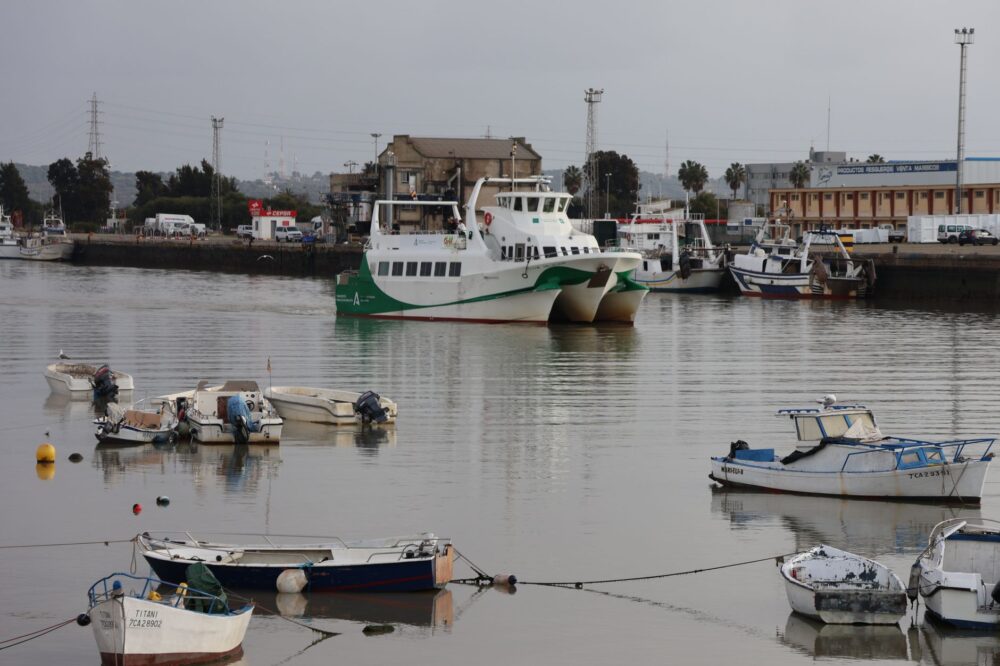
Maritime transport forms the backbone upon which the material provisioning of the Loyalty Islands rests. Vessels such as the cargo and passenger catamaran regularly departing from the port of Nouméa represent much more than a mere means of transportation: they are the undeniable link preventing total disconnection between the settlements and the administrative center of the territory. These ships shoulder the weight of the local economy, carrying everything from heavy construction materials and off-road vehicles to the indispensable foodstuffs for local markets and small community grocery stores.
Operations in the atolls demand millimetric synchronization. Lacking sheltered harbors against the heavy swells of the open sea, docking maneuvers in Maré and Lifou turn into spectacles of seafaring dexterity. Crews must navigate treacherous currents and submerged reefs acting as razor-sharp coral blades. Compounding this is the challenge of transshipping cargo into smaller barges, a slow process exposed to meteorological caprices. If the eastern wind blows too strongly, unloading operations are immediately suspended, isolating the pier entirely and demonstrating the fragility of a supply chain bound to the whims of the ocean.

The sea does not negotiate its schedule; in the Loyalty Islands, every crate of goods descending the cargo ramp is a provisional victory against geographic oblivion.
Atoll Aviation: Coral Runways and Aerial Nexuses
When the sea forbids transit or medical urgency demands immediacy, the skies over the Loyalty Islands become the only viable path. The archipelago’s airport network, comprising modest airfields such as Wanaham in Lifou or La Roche in Maré, defies the logic of major international airports. Their runways, often built atop compacted coral plateaus or reinforced turf surfaces, receive the twin-engine turboprops of regional carrier Air Calédonie with a precision that astonishes travelers unaccustomed to insular bush aviation.
These short-haul flights not only carry local passengers, teachers, and government officials, but also act as an urgent postal service and a flying intensive care unit. Airport logistics here lack massive automated terminals; check-in relies on hand-signed passenger manifests, and baggage weighing frequently includes boxes of fresh produce or fishing gear brought along by travelers. Keeping these runways operational requires constant surface maintenance to prevent salt erosion and torrential rains from deteriorating the pavement, turning regional aviation into a discipline where civil engineering must constantly converse with the living geology of the atoll.
The Terrestrial Network: Forest Tracks and Community Mobility
Once cargo touches solid ground—whether at the wharf or the airstrip—the transport challenge shifts to the islands’ interior. The road network across Lifou and Maré consists of a blend of secondary pavements and red clay earth tracks, known locally as *terrasse*, winding through dense tropical forests and traditional coconut and vanilla plantations. Interior mobility heavily relies on robust vehicles, preferably four-wheel drive, capable of withstanding deep potholes carved by intense seasonal precipitation.
Unlike urban environments, structured public transport is virtually nonexistent in the conventional sense. Instead, mobility is organized through school transport networks, shared pickup trucks managed by local cooperatives, and an intensive web of neighborhood solidarity. Residents travel between tribes—the traditional administrative and social units of Kanak culture—using ancestral trails adapted for modern vehicular traffic. This coexistence between motorized traffic and traditional pedestrian paths demands prudent driving and profound respect for the community property that the routes traverse.
Subsistence Economy and Supply Logistics
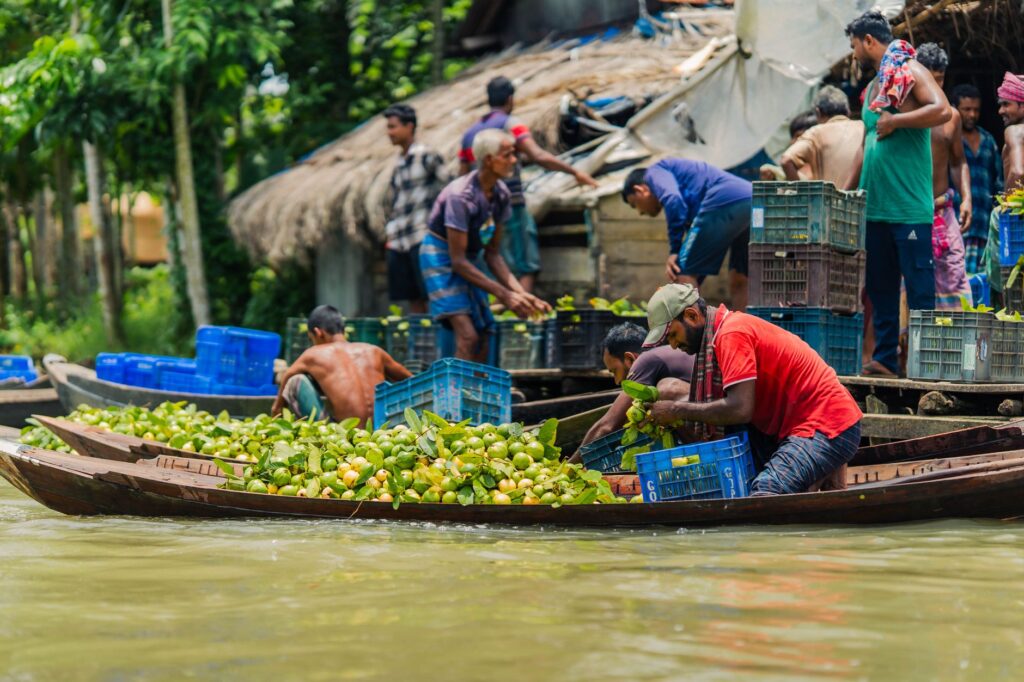
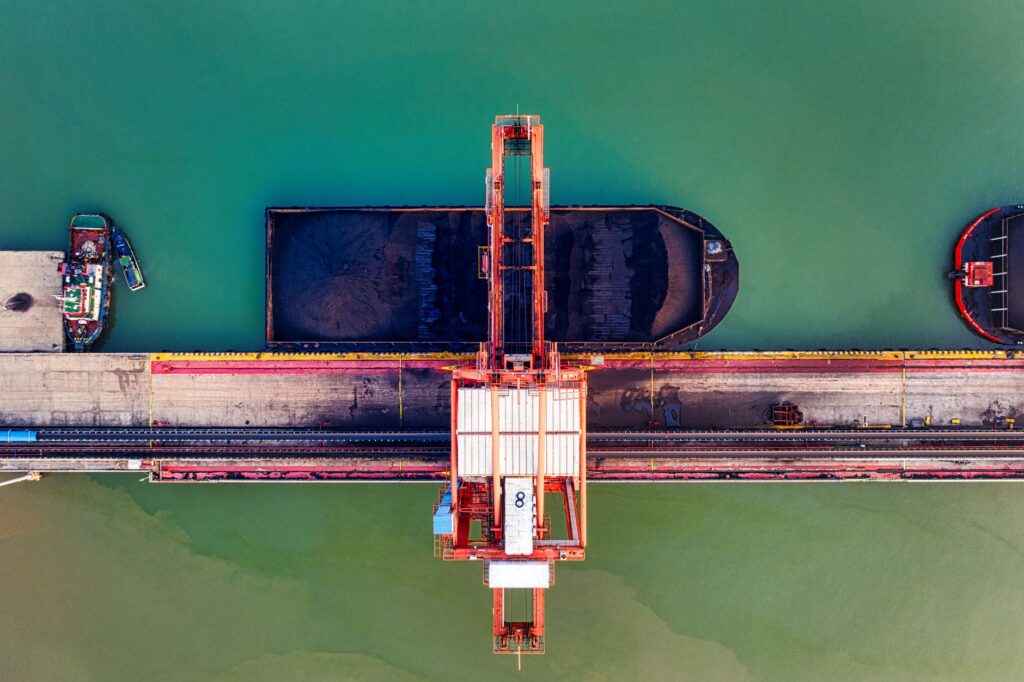
The impact of the intermodal system is clearly observable in local markets and family pantries. The Loyalty Islands produce a significant portion of their food through subsistence agriculture and artisanal fishing, cultivating tubers such as yams and taro, and harvesting marine resources from protected lagoons. However, manufactured goods, energy, fossil fuels, and certain processed foods rely entirely on the external supply chain operating through insular ports and airports.
Any disruption in the frequency of cargo vessels or maritime freight rates directly and immediately impacts the cost of daily living. Local merchants must plan inventories months in advance, absorbing high logistical costs driven by insularity surcharges applied by shipping companies. This economic reality fosters a highly conscious consumer culture, where resource waste is perceived as a direct threat to community stability. Waste management, in turn, represents the dark reverse of this logistics: cans, plastics, and discarded materials must be returned to Grande Terre aboard the same ships that brought the cargo, creating an environmental bottleneck testing the carrying capacity of these closed ecosystems.

Practical guide
- Getting there: The primary access route is via scheduled flights from Nouméa-La Tontouta International Airport or the domestic Magenta airfield operated by Air Calédonie. Passenger and cargo ferry services also connect Nouméa with Lifou and Maré, taking approximately five to ten hours depending on weather conditions.
- When to go: The dry season, spanning from May to September, offers milder temperatures and calmer seas, ideal for both transport and outdoor activities. The cyclone season (November to April) should be avoided.
- Interior transport: Renting 4×4 vehicles from authorized local agencies is essential to traverse the interior tracks of the islands. Booking months in advance is strongly advised due to limited fleet availability.
- Customary rules: Access to certain tribes, sacred beaches, or traditional trails requires prior authorization from local chiefs and the presentation of a symbolic gift (the customary gesture). Always respect community property boundaries.
- Accommodation and supplies: Opt for traditional tribal lodging (*gîtes tribaux*), which directly support the local economy. Carry sufficient cash, as the ATM network is severely limited outside the main settlements.
The Human Pulse of the Journey and the Oceanic Horizon
At the end of the day, as the sun sinks into the Pacific, painting the cliffs of Lifou in ochre and violet hues, the massive intermodal machinery of the Loyalty Islands grinds almost to a halt. Cargo ships turn off their cranes at the coral docks, the last twin-engine aircraft are secured in grass hangars, and community pickup trucks return to their bases amidst clouds of red dust. In that sudden silence, the true dimension of this archipelago is revealed: a territory sustained by the infinite patience of its inhabitants and by a delicate balance between sea and sky.
Traveling across these islands teaches one to shed metropolitan haste and tune in to the rhythm of the elements. Every journey, whether aboard an oscillating cargo ship or navigating a forest track flanked by ancient banyans, reminds us that connectivity in the oceanic fringe is not a matter of speed, but of mutual respect. The Loyalty Islands continue to resist time and distance not through the imposition of grand engineering feats, but through the everyday wisdom of a people who have turned the sea not into a barrier that separates, but into the invisible bridge uniting everything.