The Geography of Wind and Salt
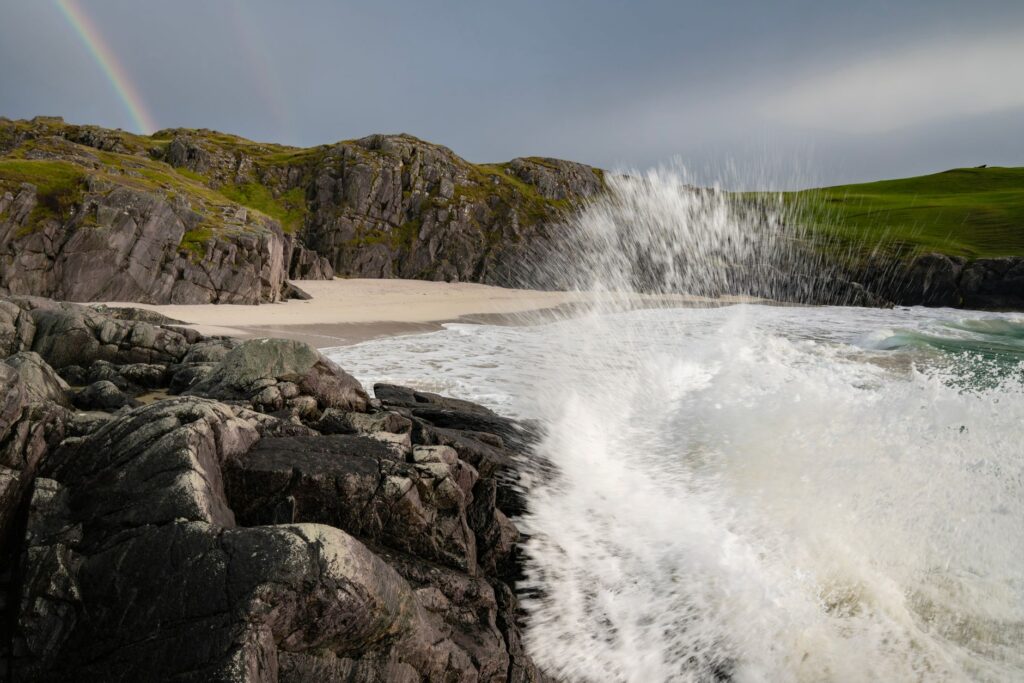
In the northwesternmost corner of Europe, where the Atlantic Ocean relentlessly sculpts the continent’s oldest stone, human mobility ceases to be a mere administrative formality and becomes a precise choreography dictated by meteorology. The Outer Hebrides archipelago, known locally as Na h-Eileanan Siar, stretches its chain of islands from Lewis and Harris in the north down to Barra and Vatersay in the south, forming a fragmented territory where water is not an obstacle to be overcome, but the only possible path. Understanding the logistics of this region requires stripping travel of any superficial romanticism to delve into the raw architecture of a vital transport system that sustains the daily lives of more than twenty-six thousand residents.
The backbone of this network consists of the Caledonian MacBrayne fleet, affectionately known as CalMac, whose large red and black hulls plow the turbulent waters of the Minch and the Sea of the Hebrides. However, the reliance on these multi-purpose vessels—capable of digesting automobiles, heavy freight, and passengers alike—exposes island communities to chronic vulnerability. When hurricane-force gales sweep northern waters during the autumn and winter months, cancellations are not an anomalous exception, but the default operational state that forces a rethinking of the food supply chain, the transfer of patients to mainland reference hospitals, and the summer tourism economy.
The Lifeline Fleet of the Minch
The primary maritime link connecting the port of Ullapool in the Scottish Highlands with Stornoway on the Isle of Lewis represents a marvel of naval engineering adapted to extreme conditions. Modern ferries operating this route function as true floating bridges, equipped with advanced stabilization systems and reinforced bows to withstand the onslaught of Atlantic waves. Nonetheless, port infrastructure at both ends of the journey suffers constant pressure. Berthing ramps, breakwaters, and rapid-mooring systems undergo accelerated wear due to saline corrosion and the violence of spring tides.
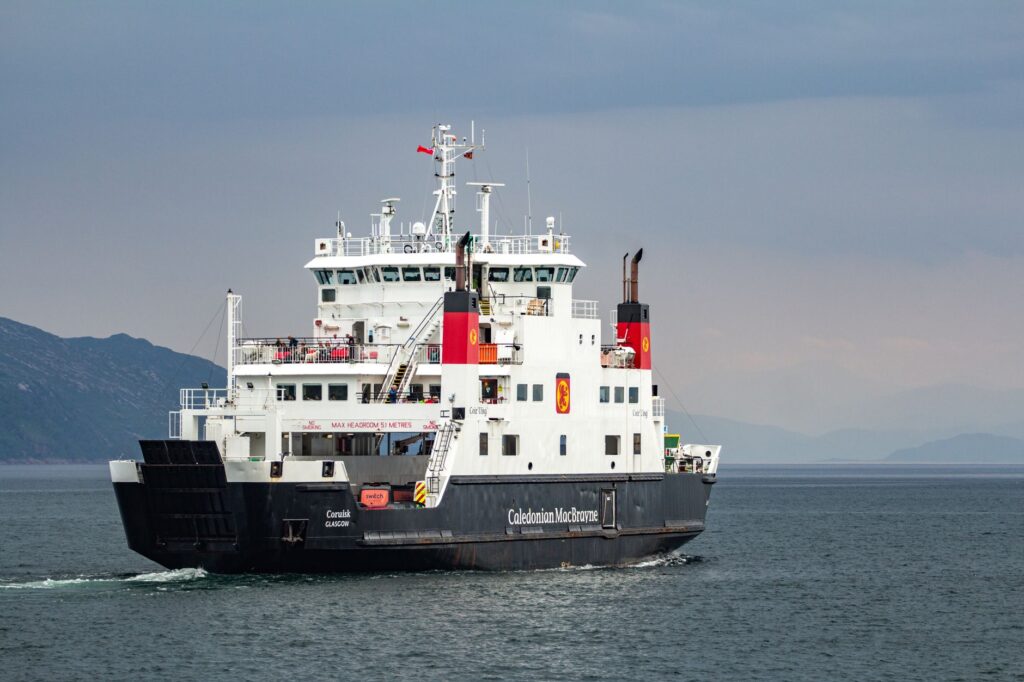
In addition to the main Stornoway route, a mosaic of secondary itineraries links smaller islands such as Uist and Benbecula. Each port of call demands chronometric precision from crews, who must maneuver in narrow basins where crosscurrents frequently exceed four knots. Punctuality in these waters depends not on the clock, but on the constant reading of the barometer and sea state. For residents, the morning review of the weather forecast and ferry status constitutes an inescapable ritual that dictates the opening of shops, attendance at educational centers, and the receipt of postal mail.
Low-Tide Aviation in Barra
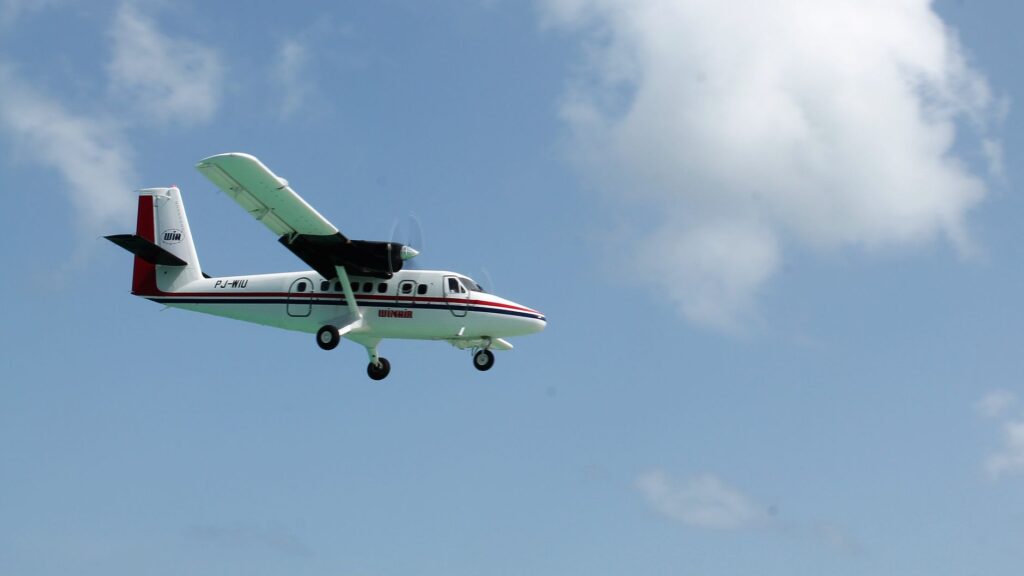
When stormy seas make navigation impossible or medical urgency demands an immediate response, regional aviation steps in with one of the planet’s most unique propositions: Barra Airport, situated on the beach of Cockle Bay. Here, Loganair Twin Otter turboprop aircraft do not touch down on asphalt, but on an expanse of firm sand that vanishes completely twice a day beneath the tides of the Atlantic. The scheduling of commercial flights is strictly governed by tide tables, turning nature itself into the most demanding air traffic controller in the world.
This precarious yet perfectly regulated aeronautical infrastructure demonstrates how human coexistence with an implacable environment can succeed without artificial alteration. There are no concrete-marked runways or large climate-controlled terminals; the control tower operates from a small hut that oversees the absence of livestock or distracted walkers before clearing aircraft to land upon the sea foam. The fragility of this operating model contrasts with its absolute operational reliability under stable meteorological conditions. Pilots operating this route require a specific rating and proven experience in visually reading sandbars and breaking wave directions.
Internal Connectivity and Single-Track Roads
Once the islands are reached, terrestrial mobility presents its own set of structural and cultural challenges. Outer Hebrides roads are predominantly dominated by passing places, stretches of single-lane paved track where drivers must alternately yield using small lateral pull-offs. This road infrastructure, originally designed for the slow traffic of agricultural carts and light local vehicles, now bears the growing weight of oversized motorhomes and heavy logistics trucks.
The coexistence between the carefree traveler and the local freight driver keeping to a strict timetable generates recurring tensions during peak season. Local authorities invest considerable resources in maintaining road surfaces, relentlessly punished by winter frosts and peat bog seepage. To this extent, the network of causeways and bridges linking the islands of Benbecula, Grimsay, and North Uist acts as civil engineering containment dikes that occasionally suffer severe structural damage when storms combine high tides with westerly winds.
Island Economy and Logistical Dependency
The transport system of the Outer Hebrides is not merely a matter of tourist convenience, but the life support upon which the archipelago’s productive economy rests. The shellfish fishing industry, marine salmon farming, and the production of celebrated local single malt whiskies depend entirely on a cold chain and transport schedule that cannot afford prolonged interruptions. A forty-eight-hour delay in a ferry’s departure can mean the total loss of freshness for catches destined for continental and European markets.
Likewise, the supply of vehicle fuel and home heating oil, alongside the replenishment of construction materials, is planned via freight convoys scheduled months in advance. The scarcity of cargo deck space limits the volume of goods transportable in a single voyage, structurally driving up the cost of living on the islands. This economic reality discourages heavy industry investment and concentrates added value in sectors capable of supporting high logistics costs, such as heritage tourism and high-end artisanal goods.
Contemporary Challenges and Energy Transition in Transport
Over the past decade, the debate over the future of island transport has shifted toward sustainability and the technological renewal of the fleet. Accumulated delays in building new liquefied natural gas-powered vessels at domestic shipyards have exposed industrial weaknesses in Scotland’s public procurement model. Local communities demand greater decentralization in route management and a decisive commitment to hybrid vessels capable of reducing carbon footprints within a protected natural environment.

On the other hand, the electrification of private and commercial fleets on the islands faces the challenge of a limited local electrical grid and a scarcity of high-power fast-charging points. Public road transport operators experiment with extended-range electric buses, though low winter temperatures and daily mileage on peripheral routes drastically reduce battery performance. The transition toward zero-emission mobility in such an exposed territory will require massive investments and technical solutions tailored to extreme maritime climates.
Practical guide
How to get there: Primary access is achieved via Caledonian MacBrayne ferries from Ullapool to Stornoway (Lewis) or from Skye to Tarbert (Harris). Alternatively, fly with Loganair from Glasgow, Edinburgh, or Inverness to Stornoway, Benbecula, or the beach airport in Barra.
When to travel: The months from May to September offer the best weather conditions and highest frequency of services, although the archipelago remains accessible year-round for flexible travelers prepared for potential weather-related alterations.
Driving rules: Rigorous use of passing places on single-track roads is mandatory. Never park in these pull-offs and always yield the right-of-way to the vehicle closest to one or moving uphill.
Advanced booking: Vehicle spaces on CalMac ferries during the peak summer season must be reserved months in advance. Foot passenger tickets rarely sell out, but checking real-time service alerts before heading to the port is vital.
The Echo of the Atlantic in the Traveler
After traversing wind-scoured roads and sharing a ferry deck beneath an evolving sky of leaden tones and sudden sunbursts, the traveler understands that true luxury in the Outer Hebrides is not speed, but the ability to tune into the ancestral rhythm of the territory. Here, the slowness imposed by the elements represents not a technical deficiency, but a wholesome reminder of human limits against the vastness of the ocean. Upon bidding farewell to these islands from the boarding stairs on Barra’s sand or from the rail of the vessel heading back to the mainland, one retains the certainty of having journeyed through one of the last bastions where mobility remains an act of respect and profound connection with nature.