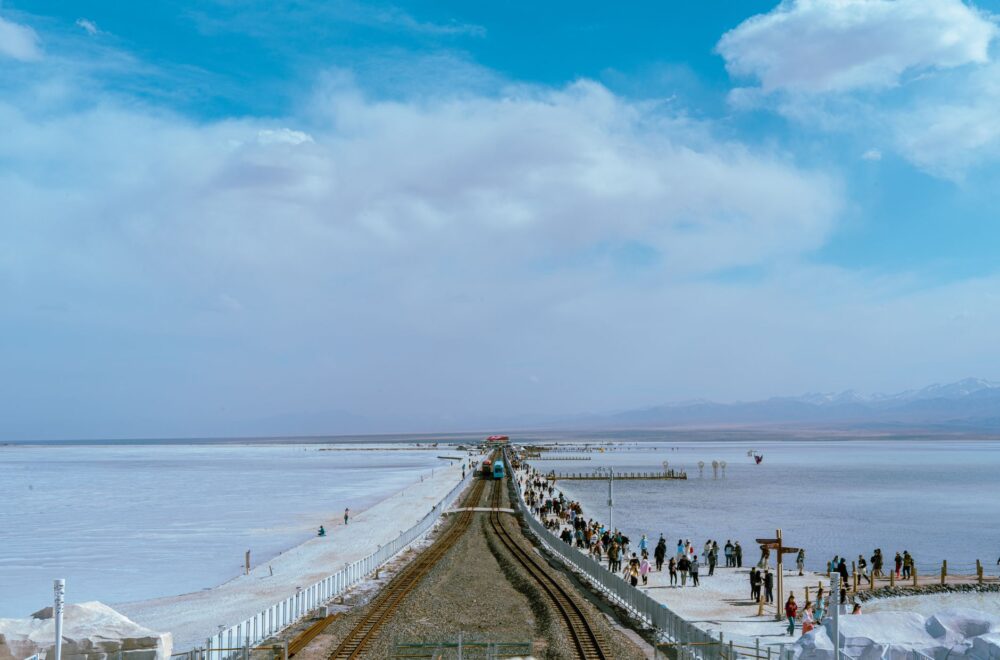
There exists a quiet geography in the Indonesian archipelago, tracing the remote frontier where Southeast Asia begins to dissolve into the vast oceanic expanse of Oceania. Rote, located in East Nusa Tenggara province, belongs firmly to this realm of silences. For decades, its name barely whispered through the most exclusive circles of international surfing—a closely guarded secret among intrepid travelers who crossed churning seas in search of the legendary T-Land wave. Today, however, the island is undergoing a subtle transformation, spurred by the presence of Nihi Rote and the establishment of initiatives like the Hospitality Academy, welcoming a new breed of seekers drawn to the luxury of authenticity and conscious isolation.
This feature investigates how a destination historically sidelined by mainstream trade and tourism routes is redefining the parameters of low-impact travel. Through an exploration that combines marine navigation, community immersion, and the analysis of pioneering educational models, we examine whether Rote can preserve its fragile cultural and natural ecosystem against the inevitable tide of modernity. Far from the mass tourism choking neighboring islands, Rote offers a masterclass in stopped time and hospitality rooted in mutual respect.
The Edge of the Known World: Geography and Isolation in Nusa Tenggara
Arriving in Rote demands a voluntary surrender to the rhythm of travel. Situated south of West Timor, the island unfurls as a landscape of jagged limestone, arid savannahs, and mangroves battered by seasonal monsoons. Unlike the lush volcanic peaks of Java or Bali, the scenery here is raw, punctuated by the omnipresent lontar palm, from which locals harvest water, sugar, and building materials.
Geographic isolation has historically shaped the psychology of the Rotinese people. For centuries, the traditional kingdom of Landu and other local chiefdoms maintained complex maritime trade networks connecting this island to northern Australia and neighboring Savu and Sumba. Today, that isolation translates into a landscape purity difficult to find elsewhere in Southeast Asia, where nearly every cove has been cataloged by conventional guidebooks.
Nevertheless, transport infrastructure has slowly improved with regional flights from Kupang and regular ferries. Despite these updates, the journey remains a natural filter that dissuades fleeting tourism, ensuring that those who set foot in Rote do so with a genuine disposition toward contemplation and respect for local rhythms.
The Perfect Wave and the Myth of T-Land: The Awakening of Mindful Surf
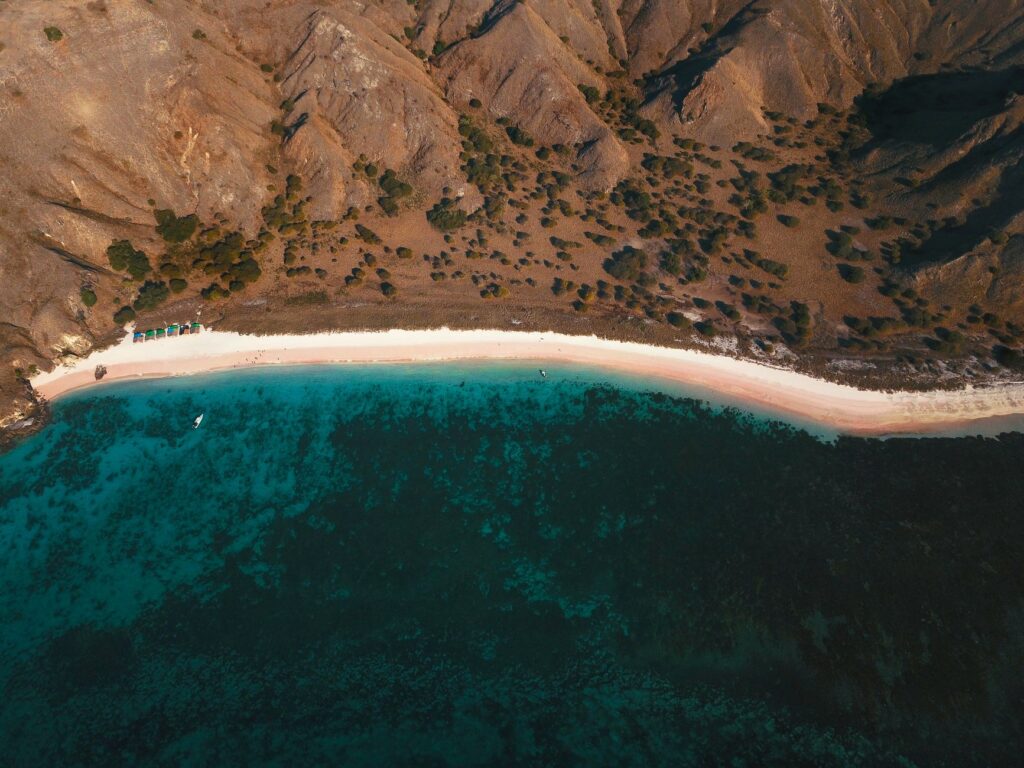
The modern world’s first contact with Rote occurred on the water. In the early 1990s, surf pioneers discovered Nemberala, a fishing village fronting T-Land—one of the longest, most consistent, and flawless left-hand waves on Earth. Unlike the congested breaks of Uluwatu or Kuta, surfing in Rote meant sharing the sea with only a handful of souls and an endless horizon.
With the arrival of low-key accommodations first and more sophisticated propositions later, the scene has evolved. The emergence of high-end boutique properties has sought to distance itself from traditional backpacker tourism without tipping into ostentatious exclusivity. Surfing in Rote is no longer merely a marginal sporting activity, but the economic catalyst that allowed the local community to grasp the commercial value of its natural environment, albeit with the ongoing challenge of preventing the over-commercialization of coastal culture.
Local instructors, many trained through the island’s own educational initiatives, now guide a new generation of visitors eager not just for the adrenaline of the wave, but for an understanding of local meteorology, ocean currents, and the symbiotic relationship between traditional fishers and contemporary surfers.
Navigation and Living Cartography: Exploring the Eastern Coast by Sea and Board
Venturing along Rote’s eastern coast requires abandoning nonexistent asphalt roads and embarking in traditional wooden outrigger boats known as perahu. These journeys reveal a fractured coastline of limestone islets, turquoise lagoons, and coral reefs virtually unexplored by modern marine science.

During these voyages, it is common to spot bottlenose dolphins and sea turtles finding a protected sanctuary here away from industrial overfishing. The Rote Ndao fishing communities operate using ancestral artisanal techniques, employing manual purse-seine nets and respecting lunar cycles for pelagic catches. This subsistence economy, though fragile, serves as a bulwark against the environmental degradation afflicting other parts of Indonesia.
Stops at land-locked coves reveal sea caves hung with stalactites and white-sand beaches where human footprints vanish with the next high tide. It is in this direct contact with the sea that travelers grasp Rote’s true insular dimension: a territory where dry land is merely a geographical accident amid the vastness of the Indian Ocean.
Vernacular Architecture and the Art of Lontar Palm Weaving
Rote’s material culture is distinguished by its profound connection to local botany. Traditional Rotinese architecture centers on circular dwellings with hyperbolic conical roofs built entirely from dried lontar palm leaves and bamboo framing. These structures, engineered to withstand seasonal tropical cyclones, represent one of the finest examples of vernacular bioclimatic engineering in eastern Indonesia.
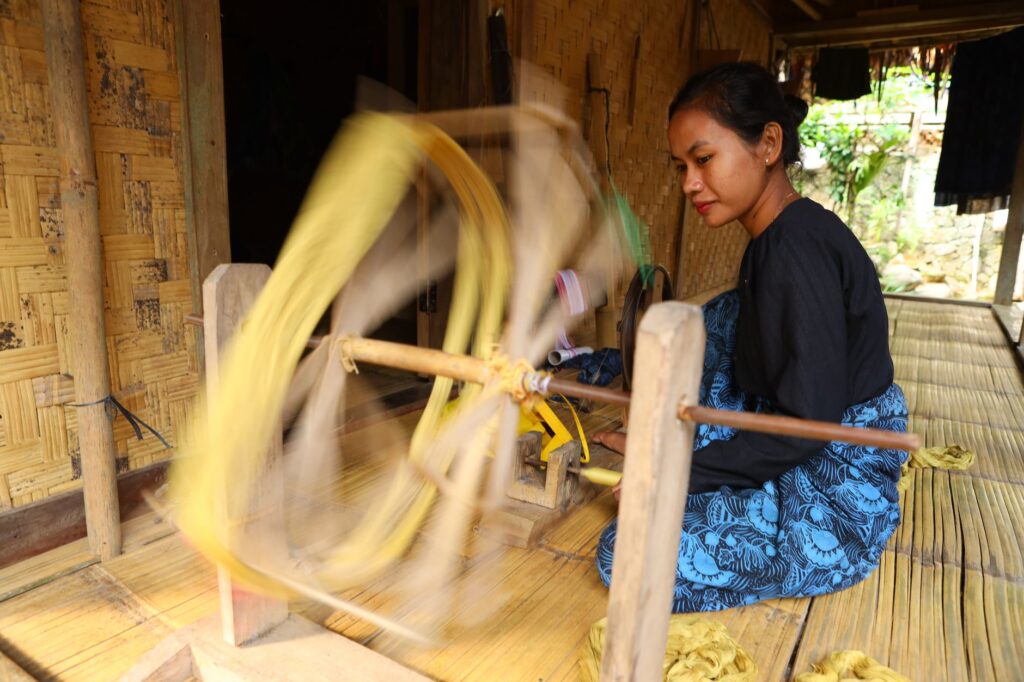
Meanwhile, the island’s textile arts—centered on the iconic ti’i langga conical hats crowned with a flared finial resembling buffalo horns, and intricate ikat weaves—reflect a unique visual genealogy. Each geometric pattern and combination of natural dyes extracted from roots and barks tells a story of lineage, social status, and marital alliances among the island’s various clans.
The preservation of these artisan techniques faces the modern challenge of generational transition. As youth migrate to cities in search of formal employment, traditional workshops and women’s craft cooperatives struggle to keep alive a heritage at risk of being relegated to ethnographic museums.
The Hospitality Academy and the New Paradigm of Local Employment
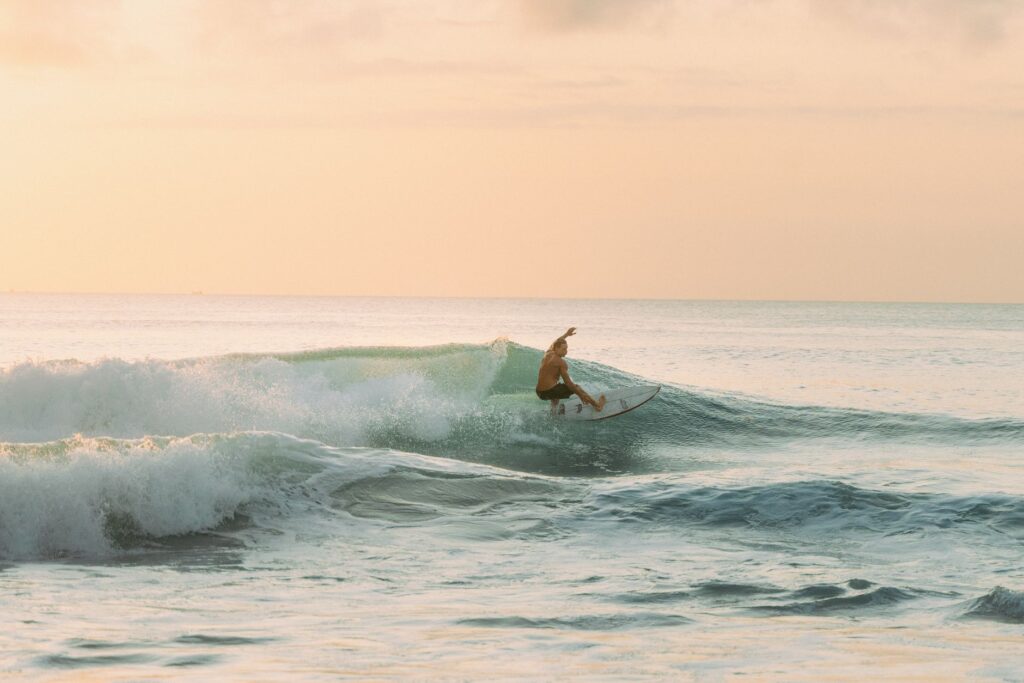
One of the most disruptive factors in Rote’s recent socioeconomic landscape is the establishment of service-oriented educational initiatives, chief among them the model catalyzed indirectly by Nihi Rote and the Hospitality Academy. This vocational training center aims to equip local youth with advanced technical and linguistic tools to secure leadership roles within the luxury hospitality industry, ensuring that economic benefits from tourism do not flow exclusively to external investors.
The curriculum combines international service standards with the elevation of indigenous culture. Students learn not only hotel management techniques and sustainable gastronomy, but also the importance of acting as cultural ambassadors for their own island. This pedagogical approach breaks with the neo-colonial dynamics typical of mass tourism, where locals are often relegated to low-skilled, low-paying positions.
The results of this educational bet are already visible across island establishments, where a new generation of Rotinese professionals manages guest experiences with an identity pride that richly enhances stays and redefines exclusive service into an egalitarian relationship.
True luxury in the 21st century is not artificial isolation, but the opportunity to witness a culture still determining its own tempo without the roar of global haste.
Insular Gastronomy: Flavors of the Arid Land and Sea
Rote’s cuisine is a faithful mirror of its ecology: austere, direct, and deeply tied to local resources. Lacking the agricultural exuberance of Java or Bali, the traditional nutritional base has historically revolved around corn, cassava, fresh fish, and lontar palm derivatives.

Among its most unique ingredients is gula lempeng, a thick, caramelized palm sugar sold in blocks wrapped in dried leaves, used both to sweeten dishes and to add depth to seafood broths and stews. The morning markets in Ba’a, the island’s administrative capital, display a parade of reef fish—such as snapper and parrotfish—smoked over coconut husks, served alongside wild greens and spicy sambals made from local chilies and kaffir limes.
With the arrival of newer hospitality ventures, resident chefs have begun engaging with this ancestral cookbook, interpreting traditional dishes through contemporary techniques without diluting their identity. The result is a culinary experience that narrates, bite by bite, the story of resilience and adaptation from a people who have successfully coaxed abundance from an apparently unforgiving earth.
Practical guide
How to get there: The primary access to Rote involves flying from Bali’s Ngurah Rai International Airport to El Tari Airport in Kupang (West Timor). From Kupang, take a short regional flight to David Constantijn Saudale Airport in Ba’a (Rote), or opt for the daily fast ferry connecting Kupang to Ba’a port (approximately a two-hour crossing).
When to go: The dry season, running from April to October, is ideal for surfing, sailing, and outdoor activities, coinciding with trade winds that temper temperatures. The rainy season (November to March) offers greener landscapes and total tranquility, though some secondary roads may become impassable.
Where to stay: Accommodations range from family-run traditional surf camps in Nemberala to low-density sustainable luxury resorts like Nihi Rote, focused on privacy, wellness, and integration with the natural setting.
Requirements and recommendations: A passport valid for at least six months and a tourist visa (available on arrival for most nationalities) are required. It is essential to respect local customary rules, dress modestly when visiting traditional villages, and exercise caution with water usage and plastic waste management, as the island has limited recycling infrastructure.
Epilogue on the Shore: Nemberala Dusk and the Traveler’s Memory
As the sun begins its descent over Nemberala Bay, Rote’s sky ignites in shades of rust, mauve, and old gold. The shadows of lontar palms stretch across damp sand as the final fishers return, their perahu gliding silently over the mirror-like water surface. In this moment of luminous suspension, the island reveals its true nature: a sanctuary where time is measured not by itineraries fulfilled, but by the intensity of a shared gaze.
The emergence of more conscious tourism and academies training youth in the art of hospitality demonstrates that another path for island development is possible. Rote does not need to be discovered anew; what it requires is to be listened to with care. Upon leaving the island, with the distant echo of T-Land’s waves lingering in memory, the traveler understands that extraordinary destinations are no longer those offering endless comforts, but those returning our capacity for wonder before the intact beauty of the world.
Source: Condé Nast Traveler (The Indonesian island that time forgot is one of travel’s most exciting new destinations).