
The Vertical Call of the Most Isolated Cordillera in the Peruvian Andes
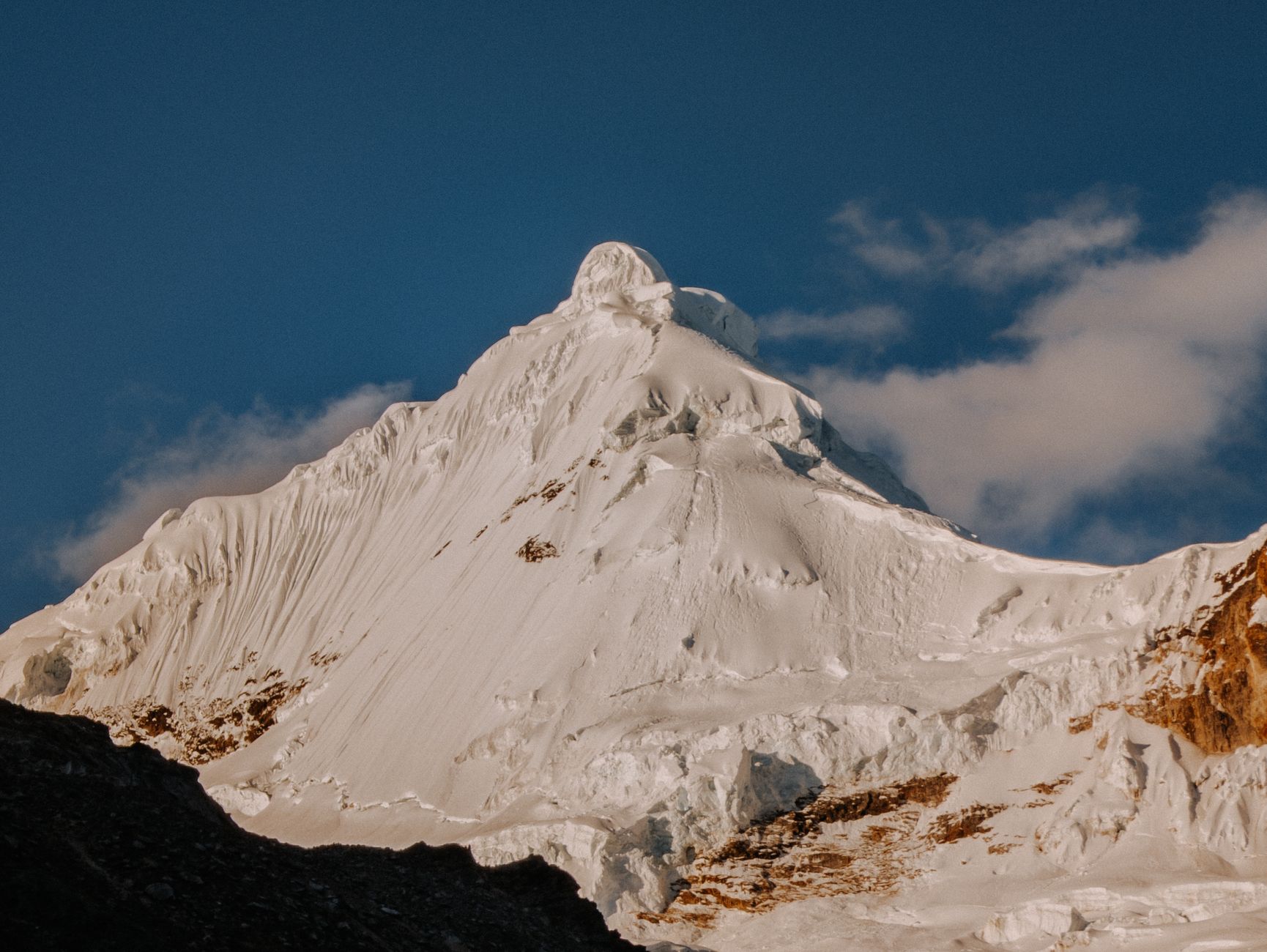
The Huayhuash massif does not merely appear on the horizon; it strikes with the undeniable force of a wall sculpted by relentless cold. Unlike the neighboring Cordillera Blanca, which features broader valleys and consolidated road access, this circuit demands an almost reverent approach. Here, trails systematically surpass four thousand five hundred meters above sea level, and every high mountain pass serves as both a biomechanical and mental trial for the trekker. The compact and fierce geography concentrates an astonishing density of snow-capped peaks into barely thirty linear miles, crowned by Yerupajá, the country’s second-highest colossus at over six thousand six hundred meters.
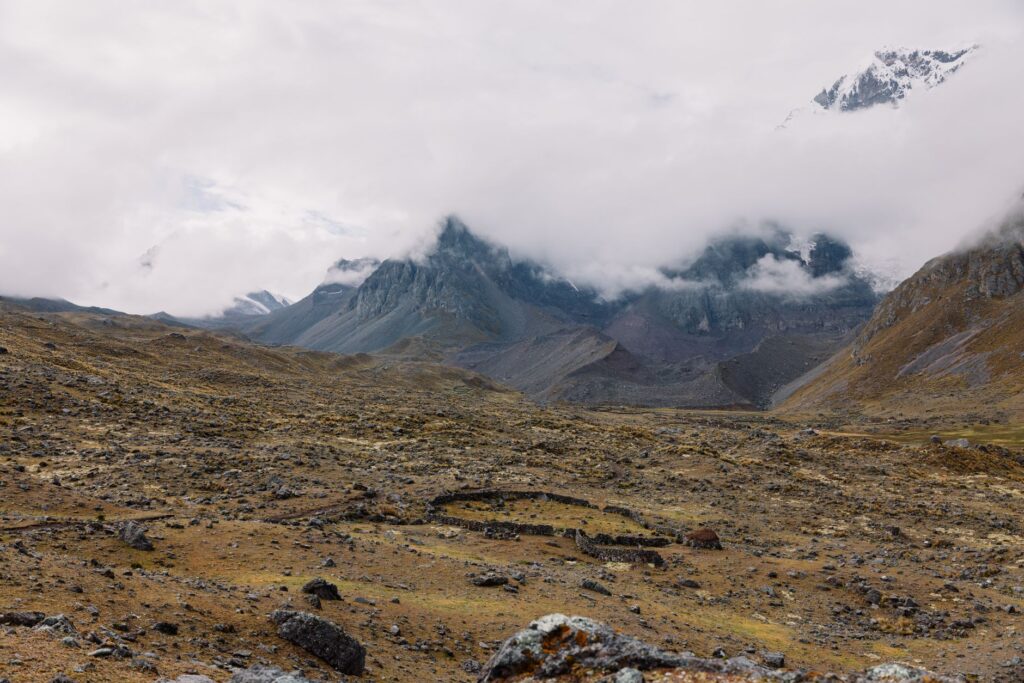
Undertaking this traverse requires shedding any trace of improvisation. The solitude of these Peruvian valleys, where silence is broken only by the roar of ice avalanches or the sharp whistle of puna winds, commands profound respect. This is not a standardized recreational product, but rather an untamed territory where self-sufficiency draws the line between expedition success and emergency rescue. Each day of marching involves descending deep valleys carpeted in ichu grass only to ascend once more—lungs burning and heart pounding—toward the next threshold of rock and moraine.
The central question guiding this route is not how long it will take to complete, but whether the traveler possesses the capacity to synchronize their biological rhythm with the unforgiving hypoxic demands of the high plateau. Prior acclimatization in Huaraz is not merely a helpful suggestion; it is the indispensable passport to avoiding acute mountain sickness and enjoying a geological backdrop where the Earth displays its rawest, most primordial architecture.
Geomorphological Anatomy and the Challenge of the Major Passes
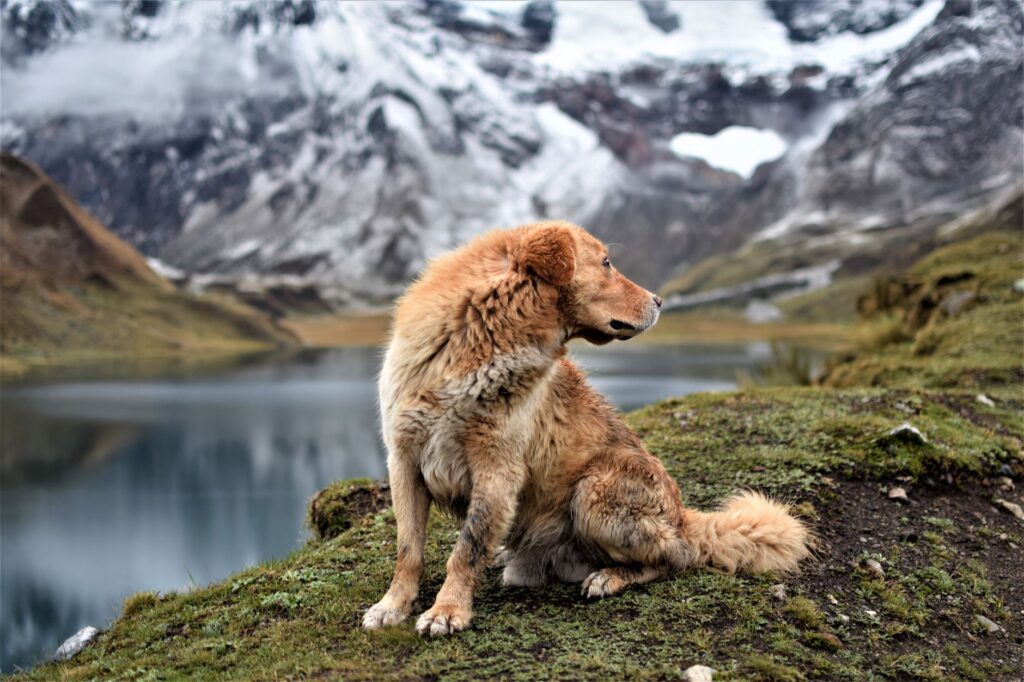
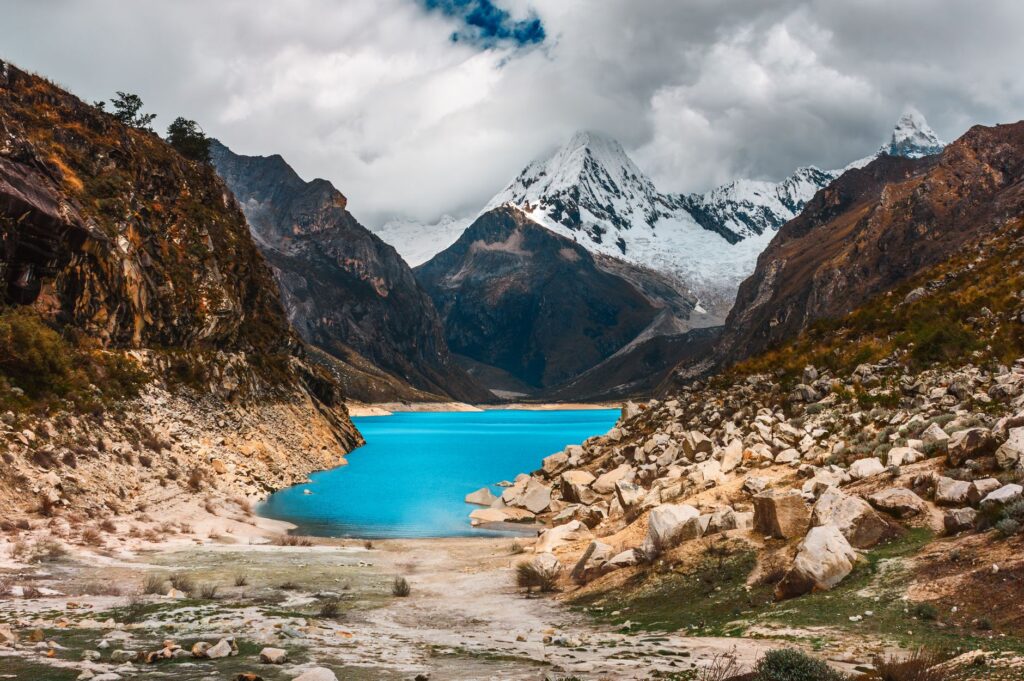
The classic layout of Huayhuash traces an imperfect ring around the stony massif, forcing hikers to conquer between seven and nine high altitude passes depending on the chosen variant. Among them, the San Antonio pass and the formidable Cuyoc stand out as milestones of respect. At the former, the trail runs along a ridge so narrow that on both sides abysses plunge toward turquoise lagoons of an unreal brilliance, fed by hanging glaciers melting under the tropical sun of the central Andes.
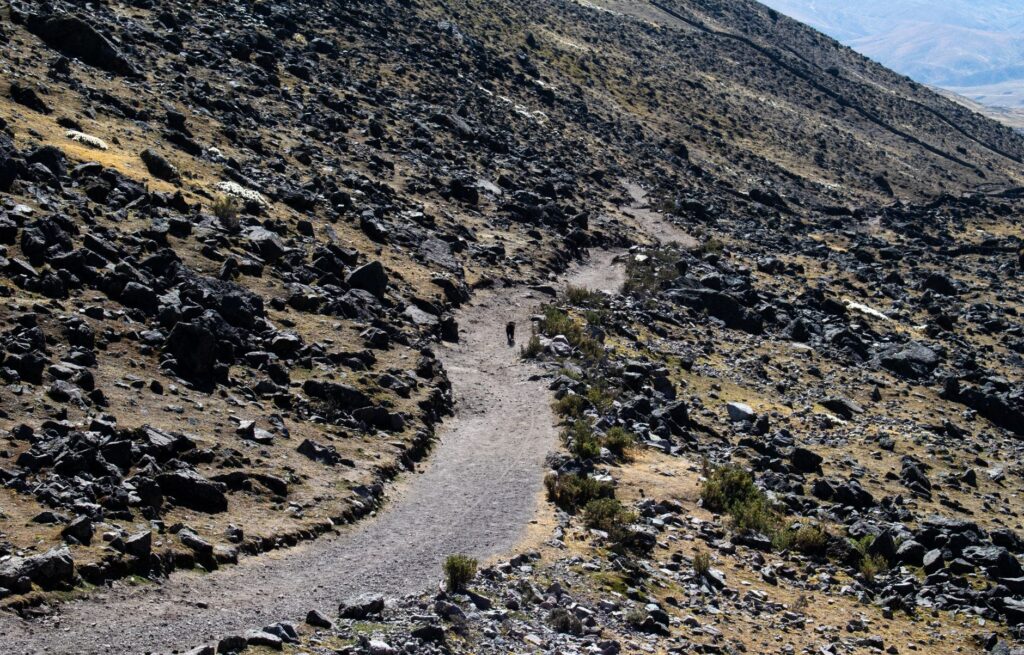
Progressing across these trails demands absolute mastery of balance with a heavy load. The terrain shifts without warning: from firm ground to crumbly slate scree, and onward to live ice or fresh snow. High-cut hiking boots with high-traction soles and telescopic trekking poles become additional limbs. The pace must be inexorably slow—the traditional Andean step: short, steady, and synchronized with deep breathing to prevent lactic acid buildup in the quadriceps.
blockquote>The mountain does not yield to brute force; instead, it rewards the patience of those who know how to pace their effort when the air grows thin and the horizon feels out of reach.
Throughout these days, geology narrates a story of tectonic plates in perpetual collision. Sedimentary and metamorphic rocks display veins of ochre, gray, and violet that shift in hue as the sun traverses the celestial vault. Glacial lagoons—such as Carhuacocha, Jahuacocha, or Viconga—act as giant mirrors reflecting the white masses, creating a display of visual contrasts that disarms any attempt at literary description.
Community Logistics and the Irreplaceable Role of the Arrieros
Unlike the solo expeditions characteristic of European or North American trails, Huayhuash rests upon a robust framework of local community economics. The peasant communities of Pacllón, Llamac, and Chiquián manage circuit access through a system of tolls and usage fees that finance local projects and regulate visitor flow. This participatory model ensures that tourism directly benefits the guardians of these high lands.
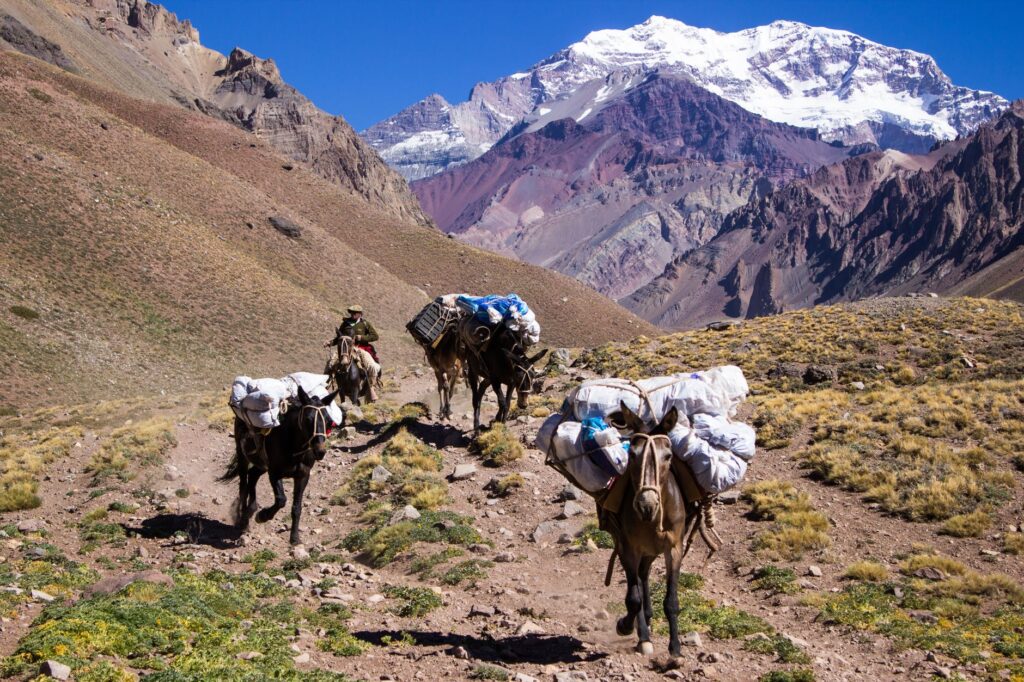
Hiring the services of local muleteers and their pack trains is not a luxury, but the logistical backbone of a self-sufficient expedition. These men and women possess encyclopedic knowledge of the weather, traditional shortcuts, and seasonal storm behavior. They dismantle tents before dawn and ensure camp gear is ready at the next valley floor, enduring sub-zero temperatures with admirable bonhomie and physical resilience.
The relationship between trekker and muleteer unfolds slowly, around the portable stove or during brief rests beside a mountain spring. Sharing an infusion of muña herbs to combat the night chill seals a tacit pact of mutual respect. Understanding their cultural codes, respecting the apus—the sacred mountains that, according to Andean worldview, govern valley destinies—and valuing their daily labor in extreme conditions enriches the human experience far beyond mere sporting achievement.
Temporal Planning, Climatology, and Managing Extreme Cold
The calendar in the Huayhuash Cordillera divides sharply into two seasons. The dry season, spanning from May to September, offers the clearest and most stable skies, characterized by intense solar radiation days and nights where the mercury plummets well below negative ten degrees. In contrast, the rainy period from October to April turns trails into slippery mud and shrouds peaks behind dense fog and electrical storms.
Even within the dry months, high-mountain meteorology is volatile. A radiant alpine blue morning can mutate within minutes into a sudden blizzard blanketing the landscape in white. Clothing must adhere to the layering principle: a baseline of highly breathable merino wool or synthetic fabric, an insulating mid-layer of down or high-loft synthetic fiber, and a windproof, waterproof outer shell featuring a high-end breathable membrane.
- Progressive Acclimatization: Spend at least three full days in Huaraz undertaking lower-altitude approach hikes, such as Laguna Churup or Pastoruri Glacier.
- Hydration and Nutrition: Consume between four and five liters of purified water daily and maintain a high intake of complex carbohydrates to offset basal caloric expenditure.
- Waste Management: Adopt a strict leave-no-trace policy, packing out all personal waste back to urban centers.
- Satellite Communication: Carry a satellite messaging device or emergency beacon, given the total lack of mobile phone coverage throughout the entire circuit.
Life in High Camp: Rest and Recovery
When the sun dips behind the jagged peaks with dizzying speed, the camp plunges into a freezing stillness. Expedition tents, engineered to withstand gale-force winds, become the sole sanctuary against the elements. Preparing dinner—relying on high-calorie dehydrated meals, hot soups, and abundant fluids—becomes a meticulously executed ritual to ensure metabolic recovery.
Nighttime rest above four thousand meters is rarely placid. Decreased atmospheric pressure triggers periodic breathing episodes and sudden awakenings with mild suffocation sensations. However, relying on a down sleeping bag with an extreme comfort rating and a high R-value insulated sleeping pad makes the difference between restorative sleep and absolute physical exhaustion. Discipline in gear maintenance—keeping water bottles inside the sleeping bag to prevent them from freezing solid—is a basic survival rule.
At dawn, frost coats the double walls of the tents like a layer of quartz crystals. Stepping outside to witness the first rays of sunlight gilding the snow-capped summits is the emotional reward that instantly dissolves accumulated fatigue and morning chill.
Practical guide
How to Get There: The main logistical hub is the city of Huaraz, located about a seven-hour bus ride from Lima via the Panamerican North Highway and the turnoff toward the Callejón de Huayhuash. Private transport to the village of Llamac or Pocllón is arranged directly from Huaraz.
Recommended Season: Between May and September. June, July, and August offer the greatest meteorological stability, though nights are considerably colder.
Permits and Fees: Local communities charge individual entry fees at various checkpoints along the route. Total accumulated costs range between 200 and 300 Peruvian soles, allocated toward trail maintenance and security.
Essential Gear: Broken-in waterproof trekking boots, poles with winter snow baskets, down sleeping bag (-15°C comfort rating minimum), expedition stove with appropriate fuel, purification tablets or fine-pore water filter, and high-SPF broad-spectrum sunscreen.
Medical Assistance and Insurance: International travel insurance covering helicopter rescue and high-mountain medicine above 5,000 meters altitude is mandatory. The regional hospital in Huaraz offers basic units, but severe cases require air evacuation to Lima.
The Perpetual Echo of the Peaks and Inner Reunion
Trekking through Huayhuash transforms perceptions of time and space. In this extreme corner of the Andean Cordillera, the traveler comprehends the insignificance of everyday urgencies when faced with the monumental scale of geological time. Granite masses and ancient glaciers remain indifferent to the ephemeral passage of human generations, reminding us that true contemporary adventure does not lie in conquering nature, but in learning to coexist with its vastness in silence and profound humility.
blockquote>Having surmounted the final mountain pass and gazed down upon the valley marking the journey’s end, accumulated fatigue dissolves, leaving behind the unwavering certainty of having walked through the planet’s purest sanctuary.
The return to Huaraz, boots laden with Andean dust and skin weathered by sun and wind, closes the cycle of a transformative experience. Images of turquoise lagoons, the weathered faces of muleteers, and the implacable silhouette of Yerupajá remain etched in memory as a permanent reminder that sanctuaries still exist where the earth retains its primordial, wild voice.