
The month of September marks a climatic and scenic turning point in the department of Santa Cruz. Following the dry months and winter winds of the southern hemisphere, the region undergoes a subtle yet profound transformation: native trees burst into bloom, mountain stream flows regain their dynamism, and wildlife activity increases with the gradual rise in temperatures. It is within this setting that adventure tourism acquires a unique dimension, stepping away from conventional sun-and-pavement circuits to venture deep into the transitional ecosystems nestled between the Andes and the Amazon.
This journalistic report examines five expedition and active tourism proposals recently highlighted in regional news reporting, analyzing not only the recreational appeal of each journey but also sustainability criteria, the value of local communities, and the technical preparation essential for enjoying these territories safely and respectfully.
The September weather window in eastern Bolivia
Understanding the appeal of September in Santa Cruz requires analyzing the meteorological conditions that make outdoor adventure possible. During this period, daytime temperatures remain moderate, typically ranging between 25 and 30 degrees Celsius, avoiding the stifling heat of the northern summer or the cold fronts locally known as surazos. This thermal stability encourages long hikes, ascents to natural viewpoints, and river crossings without the extreme physical exhaustion characteristic of other seasons.
Likewise, flora undergoes a synchronized awakening. Iconic species such as the tajibo—in its yellow, pink, and white varieties—blanket the Chiquitano dry forests and Andean foothills, offering a visual spectacle that contrasts with prior aridity. This botanical rebirth attracts pollinators and birds, turning September into a privileged month for wildlife observation and nature photography.
Route one: Deep trekking in the Amboró foothills
Amboró National Park represents one of South America’s most complex biodiversity sanctuaries, as Amazonian, Chaco, and Andean ecoregions converge within its territory. In the vicinity of its buffer zones, local operators have structured trekking circuits that demand physical endurance and an observant eye. The routes wind through humid canyons, where tree ferns reach prehistoric dimensions and the ground crunches beneath a dense layer of organic matter.
Local guides, intimately familiar with the trails, warn that the difficulty lies in the ambient humidity and steep slopes. This is not a casual Sunday stroll, but rather a technical immersion requiring specialized footwear with adequate traction, trekking poles, and sufficient water reserves. Throughout the journey, the sound of crystal-clear water cascading into hidden pools serves as a constant incentive to complete the grueling marches.
Adventure in Amboró is not a conquest of territory, but an exercise in humility before the monumental scale of the cloud forest.
Route two: River navigation and riparian adventure in northern Santa Cruz
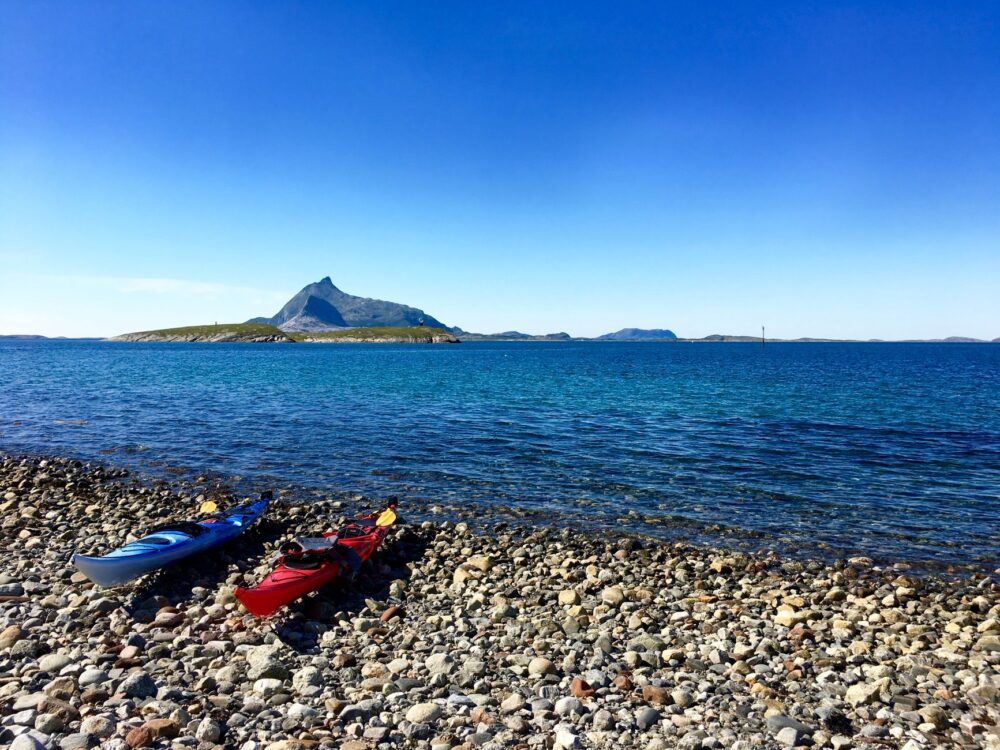
Moving away from mountainous terrain toward the northern plains, the adventure offerings shift toward riverways. Navigating small watercraft along the tributaries feeding the Amazon basin allows access to areas unreachable by land. September offers optimal water levels—robust yet stable, minimizing sudden flood risks and facilitating approaches to sandbars where black caimans, capybaras, and extraordinarily diverse riparian birdlife can be spotted.

This modality combines the physical effort of paddling or constant attention to river dynamics with environmental interpretation. Operators emphasize the need to strictly follow protocols for low noise impact and waste management, reminding travelers that human presence in these habitats must be ephemeral and silent.
Route three: Geological exploration and canyons in Chiquitania
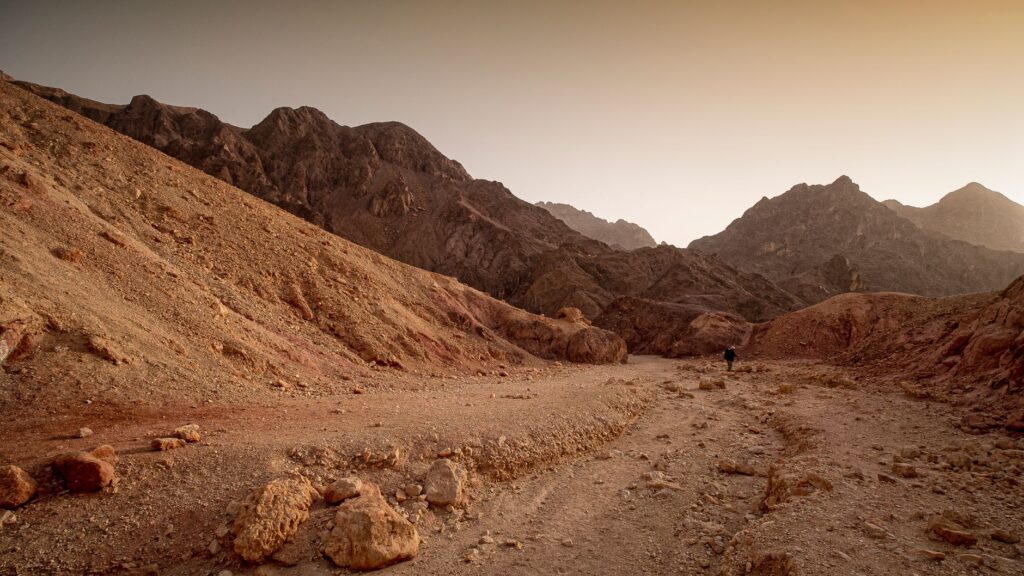
Chiquitania, historically renowned for its Jesuit missions and baroque architecture, also conceals high-value geological heritage for adventure tourism. Around ancient rock formations, travelers can engage in low-to-moderate difficulty rock climbing circuits, as well as exploratory hikes through canyons carved by wind and water erosion over millions of years.
The visual contrast between ocher and reddish sandstone formations and the vibrant green of seasonal vegetation creates landscapes of striking photographic power. Hikes require rigorous planning due to the scarcity of shade along open stretches, making broad-spectrum sunscreen, wide-brimmed hats, and carefully calculated hourly hydration mandatory.
Route four: Mountain biking in the mesothermal valleys
For those seeking speed and technical skill, the mesothermal valleys connecting the high Andean passes with the capital city offer world-class mountain biking routes. Secondary roads, once traditional trade pathways, descend windingly from mountain peaks to warm valleys, accumulating prolonged downhills with loose dirt, gravel patches, and sharp switchbacks.

This discipline demands dual-suspension bicycles in pristine mechanical condition, serviced hydraulic brakes, and comprehensive protective gear. Athletes undertaking this challenge highlight the variety of microclimates crossed within hours: from morning summit mists to the radiant sun of lower valleys, a geographical mosaic testing physical and mental adaptability.
Route five: Wildlife watching and nocturnal expedition in the Bolivian Pantanal
In the easternmost part of the department, entering the Pantanal wetland system opens the door to one of the continent’s most intense wildlife experiences. Expeditions combine daytime photographic safaris with guided nocturnal hikes, designed to document crepuscular and nocturnal fauna. The twilight reveals a vibrant ecosystem where caiman eyes gleam under flashlight beams and the sounds of amphibians and mammals compose an uninterrupted natural symphony.
Experts note that the success of these night expeditions depends on patience and absolute respect for safe distances from wildlife. Using red filters on flashlights avoids altering animal behavior, proving that contemporary adventure tourism prioritizes conservation over invasive intrusion.
Socioeconomic impact on host communities
The development of these five adventure circuits in September not only benefits travelers seeking genuine experiences but also stimulates the economy of rural communities historically dependent on subsistence agriculture. Local guides, porters, boat operators, and small gastronomic ventures find in active tourism a complementary source of income that encourages the protection of their own natural resources.

However, local development specialists warn against the risks of unregulated growth. It is imperative that departmental and municipal authorities reinforce carrying capacity controls in protected areas, ensure continuous training for tourism service providers, and guarantee that economic benefits permeate equitably to community grassroots.
True sustainable adventure tourism is measured by its capacity to leave the landscape untouched while positively transforming the lives of those who inhabit it.
Practical guide
How to get there: The central starting point is the city of Santa Cruz de la Sierra, connected via Viru Viru International Airport to major South American hubs. From the urban terminal, access to adventure zones is achieved through hired ground transport or rented 4×4 vehicles.
Best time to visit: September is ideal due to climatic stability and moderate temperatures, though checking weekly weather forecasts is recommended to avoid surprises from sporadic wind or instability fronts.

Essential gear: Waterproof trekking boots with high-traction soles, quick-drying clothing, 20-to-30-liter technical backpack, biodegradable sunscreen, insect repellent, headlamp with spare batteries, and a personal first-aid kit.
Safety recommendations: Never enter national parks or wild areas without the company of a certified local guide. Respect trail signage and always carry a satellite communication system or radio in areas without cellular coverage.
The secret heartbeat of the Santa Cruz earth
As the sun begins to dip below the horizon of eastern Bolivia, dyeing the sky in deep violet and ocher tones, adventure acquires its most intimate meaning. Far from urban noise and mass-market routes, seated by a controlled campfire or contemplating the thick silence of vegetation reclaiming its vital pulse, the traveler understands that the true essence of Santa Cruz in September does not lie solely in the adrenaline of physical effort, but in the ability to tune into the ancestral rhythm of a nature that refuses to be domesticated.
Source in EN: Laregion.bo – Adventure tourism in Santa Cruz: five nature routes to rediscover September