
The Gateway to a Roaring Oceanic Separation
Cook Strait is not merely a body of water dividing New Zealand’s North Island from the South Island; it stands as one of the most unpredictable, dynamic, and demanding maritime corridors in the Southern Hemisphere. Spanning barely twenty-two kilometers at its narrowest point, this natural channel funnels westerly winds and marine currents with unrelenting fury, testing naval engineering and travelers’ patience every single day of the year. Here, the mobility of an entire nation relies upon an exceptionally delicate intermodal thread where high-speed rail integration, heavy road freight, and deep-sea commercial navigation converge.
Understanding the dynamics of this passage means delving into a system where the operational margin for error is razor-thin. The ferry fleets operating between Wellington and Picton do more than carry passengers eager to gaze upon the Marlborough Sounds; they bear the economic backbone of the country on their decks. From the milk powder produced in the pastures of Canterbury to manufactured timber from the north, every ton of freight transiting between New Zealand’s two main landmasses depends on millimetric synchrony among ports, tides, and severe weather forecasts.
The Geography of Wind and the Fury of the Waters
The complexity of navigating Cook Strait lies in its capricious submarine and atmospheric geography. Prevailing westerly winds crash against the Southern Alps on the South Island and are funneled through valleys and the strait’s depression, creating a tunnel effect that accelerates gusts into gale-force tempests. Compounding this phenomenon is the convergence of two distinct tides: the South Pacific tide and the Tasman Sea tide collide within this geographic funnel, generating unpredictable crosscurrents and towering waves that challenge the stability of any vessel.
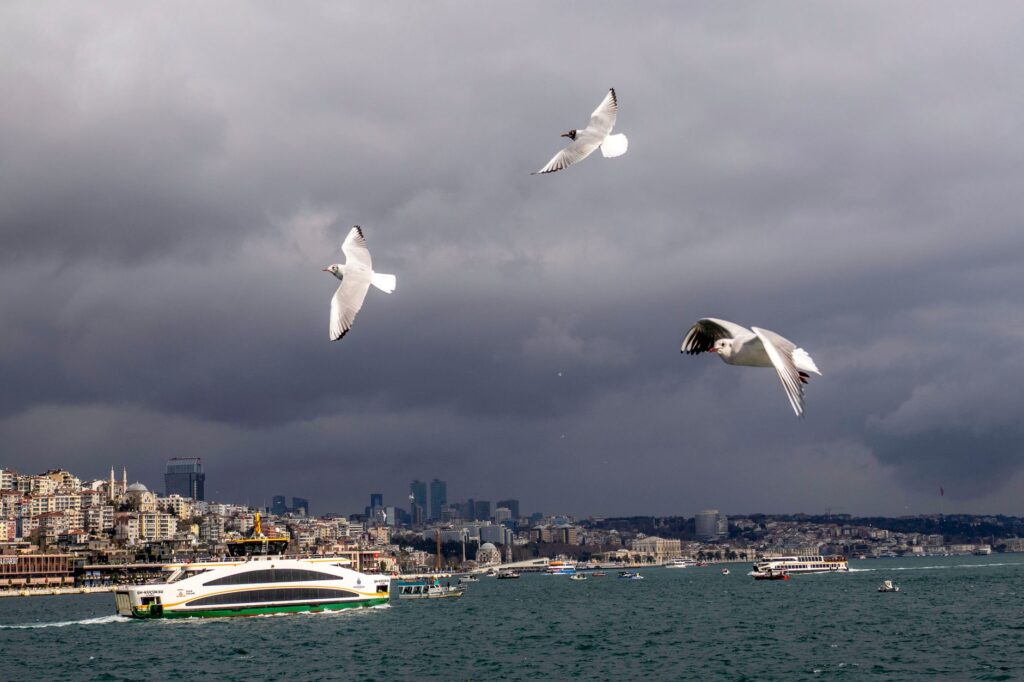
For captains commanding large multi-purpose ferries—capable of carrying entire freight trains, automobiles, and hundreds of passengers—each crossing is an advanced exercise in meteorological interpretation. Radar systems and seabed sensors in the ports of Wellington and Picton work tirelessly to anticipate sudden shifts in visibility and swell intensity. Unsurprisingly, this route has historically been feared by navigators, from early Māori explorers in their waka to the modern commercial fleet of today.
The Surface Fleet: Between Train, Car, and Steel
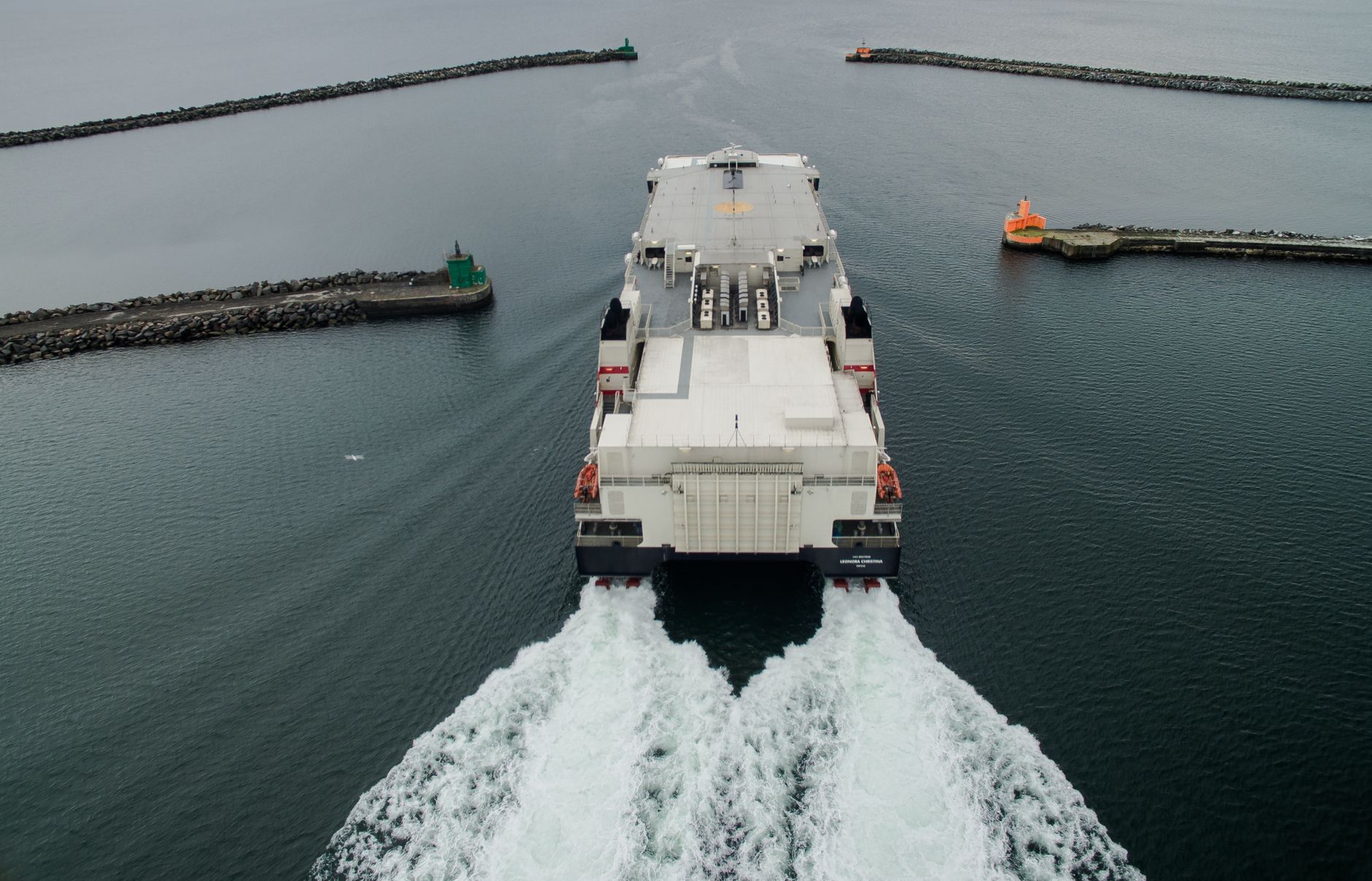
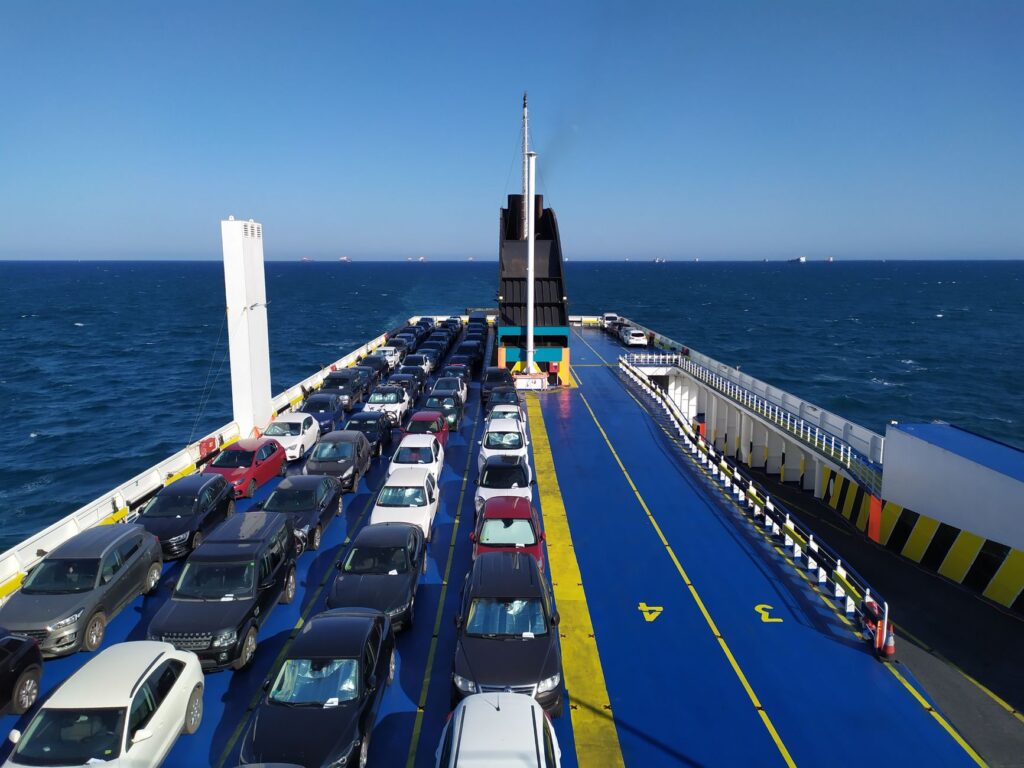
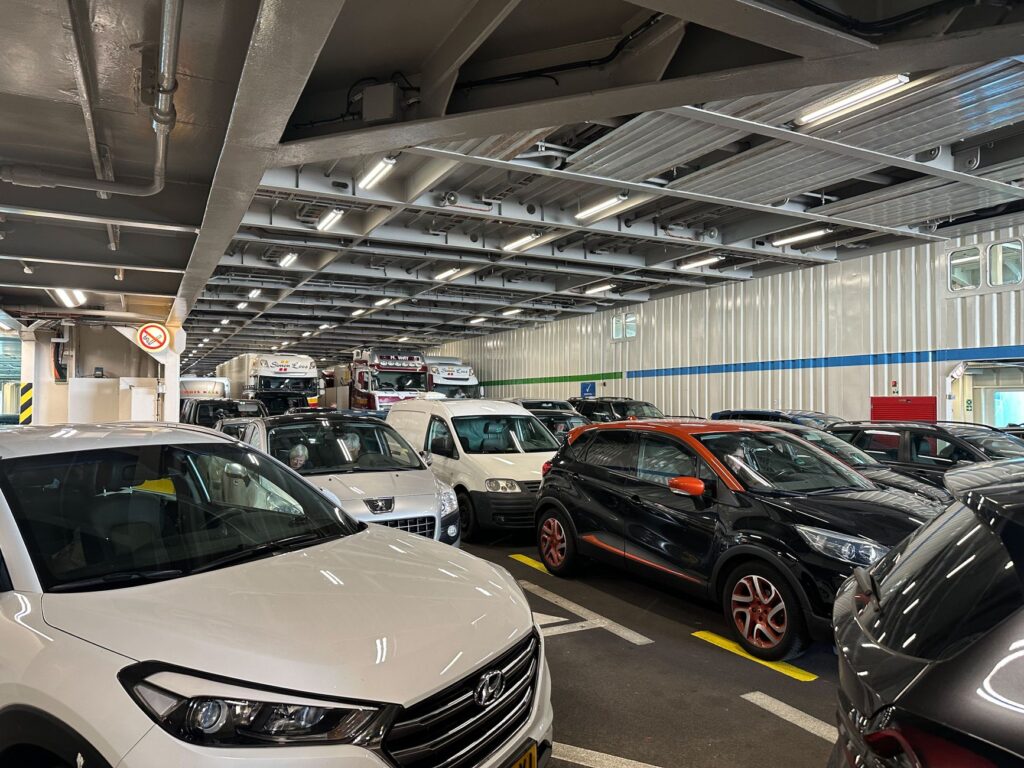
The transport system across Cook Strait relies principally upon two major maritime operators managing a fleet of double-ended ferries and roll-on/roll-off cargo ships. These floating colossi are engineered specifically to withstand constant marine punishment and to allow rapid loading and unloading processes that optimize turnaround times at the docks. Integration with the national railway network, operated by KiwiRail, allows freight cars to be shunted directly into the vessels’ bellies—a logistical marvel that avoids the individual handling of cargo.
However, this model faces continuous challenges of obsolescence and infrastructure renewal. Docks in both the sheltered harbor of Wellington and the protected fjord of Picton require multimillion-dollar investments to adapt to deeper-draft vessels and increasingly strict environmental regulations. The transition toward cleaner fuels and the reduction of carbon footprints in such an energy-intensive route represent the next great dilemma for port authorities and transport companies.

The Aerial Alternative: When the Sea Decides to Close the Passage
When weather conditions in Cook Strait become impassable due to violent gales or dense fog, maritime connections are suspended immediately. It is at this exact moment that the regional aviation network comes into play, serving as the sole umbilical cord keeping Wellington united with northern South Island cities like Blenheim or Nelson. Short-haul turboprop aircraft cross the strait in barely thirty minutes, offering a vital air bridge for passengers and urgent mail.
This aerial leap, while efficient, highlights the fragility of intermodal dependency. Passenger aircraft capacity is infinitely smaller than a ferry’s hold, causing monumental bottlenecks at airports when multiple days of maritime cancellations accumulate. Experienced travelers’ planning always incorporates a buffer margin of at least twenty-four hours when scheduling connections among international flights, trains, and ferries in this territory.
Infrastructure Under Strain: Ports at the Limit of Capacity
Demographic growth and the surge in international tourism have placed the land infrastructure feeding the ports under permanent strain. In Wellington, the Ngauranga Gorge motorway and port access roads bear a daily flow of heavy trucks that must channel their progress millimetrically toward the boarding ramps. Any road incident on this coastal highway instantly paralyzes the capital region’s intermodal supply chain.
On the opposite shore, Picton acts as a green funnel surrounded by steep hills. The small port town sees its floating population double every time the large ferries dock, generating an ongoing debate over how to balance heavy transport infrastructure development with the preservation of the delicate natural environment of the Marlborough Sounds. Investments in bypasses and rail upgrades proceed at a pace that experts describe as conservative against the real demands of modern traffic.
The Human Factor and the Resilience of Island Communities
Behind schedules, port tariffs, and gigabytes of meteorological data lies the human factor: ship crews, crane operators, train drivers, and logistics planners whose expertise keeps this nearly miraculous machinery functioning. For residents of rural areas near both ends of the strait, transport reliability is not a matter of tourist convenience, but a question of economic survival and access to specialized healthcare services concentrated exclusively in Wellington’s major hospitals.
New Zealand’s territorial sovereignty is defined not solely by its global ocean boundaries, but by the constant capacity of its people to weave bridges of steel and salt over the untamable waters of Cook Strait.
This interdependence fosters a very particular resilience culture among transport sector workers. Tales of crossings beneath towering waves form part of local folklore, passed down through generations of mariners who know every nook of Tory Channel and Queen Charlotte Sound currents. Their silent labor ensures that an island nation’s geographic isolation does not become a sentence to economic stagnation.
Practical guide
How to Arrive and Plan the Crossing: The primary maritime connection between the North and South Islands is operated by Interislander and Bluebridge, running multiple daily frequencies between Wellington and Picton. Estimated crossing duration ranges from three and a half to four hours, depending on sea conditions.
Vehicle and Passenger Reservations: Booking months in advance is strictly mandatory when traveling with a rental vehicle or campervan during peak season (December to February). Many car rental agencies in New Zealand require notification of strait crossings due to specific insurance policies and operational restrictions.
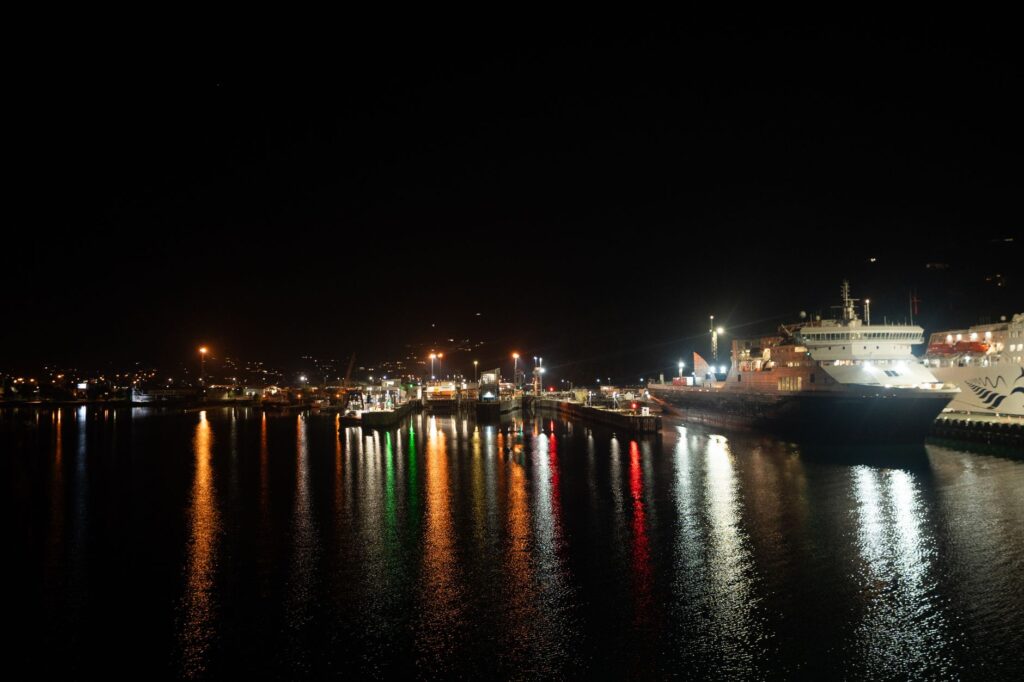
Weather Contingency Plans: Severe strait gales can trigger unforeseen cancellations, particularly during the southern winter months (June to August). Travelers are advised to download official weather tracking apps and check port departure status before starting any road journey toward Wellington or Picton.
Regional Air Alternative: In the event of prolonged maritime service interruption, regional airlines like Air New Zealand operate frequent short-duration flights between Wellington Airport (WLG) and nearby Blenheim (BHE) or Nelson (NSN) airports.
Visual Epilogue in the Cook Mist
As evening begins to settle over the leaden waters of Cook Strait, the final silhouettes of the ferries etch themselves against a horizon where sky and sea merge into a single mass of indefinite melancholy. From the cliffs of Cape Terawhiti, the constant pulse of the tide serves as a reminder that modernity—with all its satellite technology and reinforced steel hulls—continues to pay tribute to nature’s primordial force. No haste can bend this oceanic passage; only profound respect for a liquid abyss that, across the centuries, continues to compel New Zealand to seek and find itself across the sea.