
Introduction to the Coral Heart of the Sulu Sea
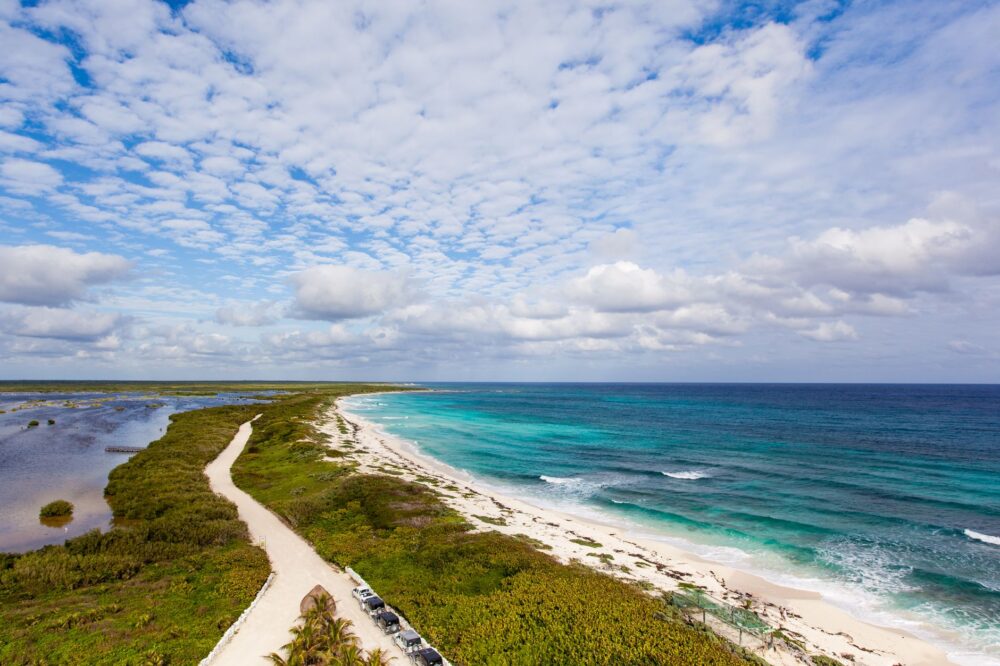
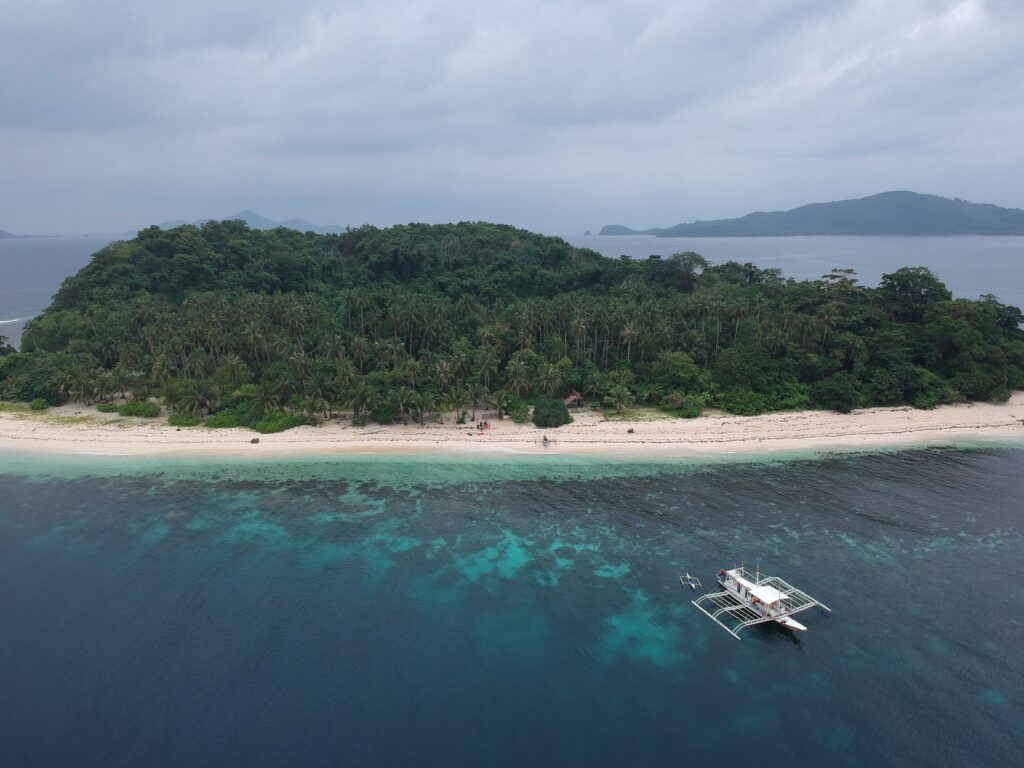
In the northeastern reaches of the Sulu Sea, far from conventional commercial shipping lanes and the urban pressures of the Philippine archipelago, lies a geomorphological structure of incalculable value. Apo Reef is not merely a shallow-water coral formation; it constitutes an isolated marine atoll of volcanic origin rising abruptly from oceanic abysses, creating an ecosystem of unique characteristics in Southeast Asia. Its geographical isolation has historically acted as a natural shield, preserving a marine biodiversity that sharply contrasts with the widespread degradation affecting the region’s coastal reefs.
Understanding the dynamics of this sanctuary requires looking beyond the tourist surface. Here, deep oceanic currents collide with the underwater walls of the atoll, generating nutrient-rich upwellings that sustain an extraordinarily complex trophic web. From large pelagics to microscopic organisms embedded within calcareous polyps, every element plays a vital function in this natural machinery. This report examines the scientific, ecological, and human foundations that ensure the survival of one of the last truly intact marine strongholds on the planet.
Geological Genesis and Atoll Geomorphology
The formation of Apo Reef is the result of complex tectonic and volcanic processes spanning millennia within the Sulu basin. Unlike fringing reefs bordering continental shores, this atoll rests upon an ancient submerged volcanic pedestal that ascends steeply from depths exceeding one thousand meters. Upon this basaltic platform, reef-building corals have slowly accumulated layer upon layer, forging a calcareous structure that now spans over thirty-four square kilometers.
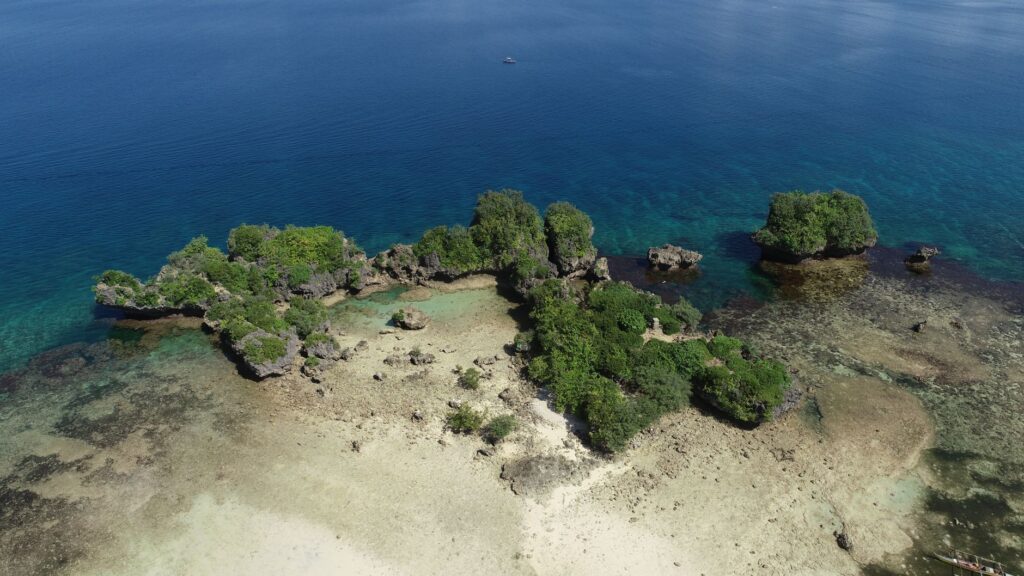
The atoll is divided into two primary reef systems separated by a deep channel of crystalline waters. The inner lagoon acts as a zone of relative calm, protected from the direct onslaught of monsoons, while the outer walls face the unyielding force of the open sea. This geomorphological duality generates distinct microhabitats that allow the coexistence of species adapted both to the high energy of exposed crests and the tranquil limits of interior sandy bottoms.
Tidal Dynamics and Pelagic Currents
The hydrodynamic behavior of the Sulu Sea dictates the daily heartbeat of Apo Reef. Marine currents, driven by seasonal monsoons and the region’s complex bathymetry, converge at this geographic point with notable force. As tides rise, masses of phytoplankton-rich oceanic water crash against the submerged cantiles of the atoll, triggering an upwelling phenomenon that revitalizes the entire water column.
This constant influx of nutrients turns the reef into an obligatory stopover and feeding station for numerous migratory species. The currents not only supply the chemical sustenance required for the accelerated growth of scleractinian corals, but also act as a natural thermal barrier, helping mitigate the devastating effects of coral bleaching during severe global warming episodes, although the climate safety margin narrows year after year.

Biological Architecture and Marine Biodiversity
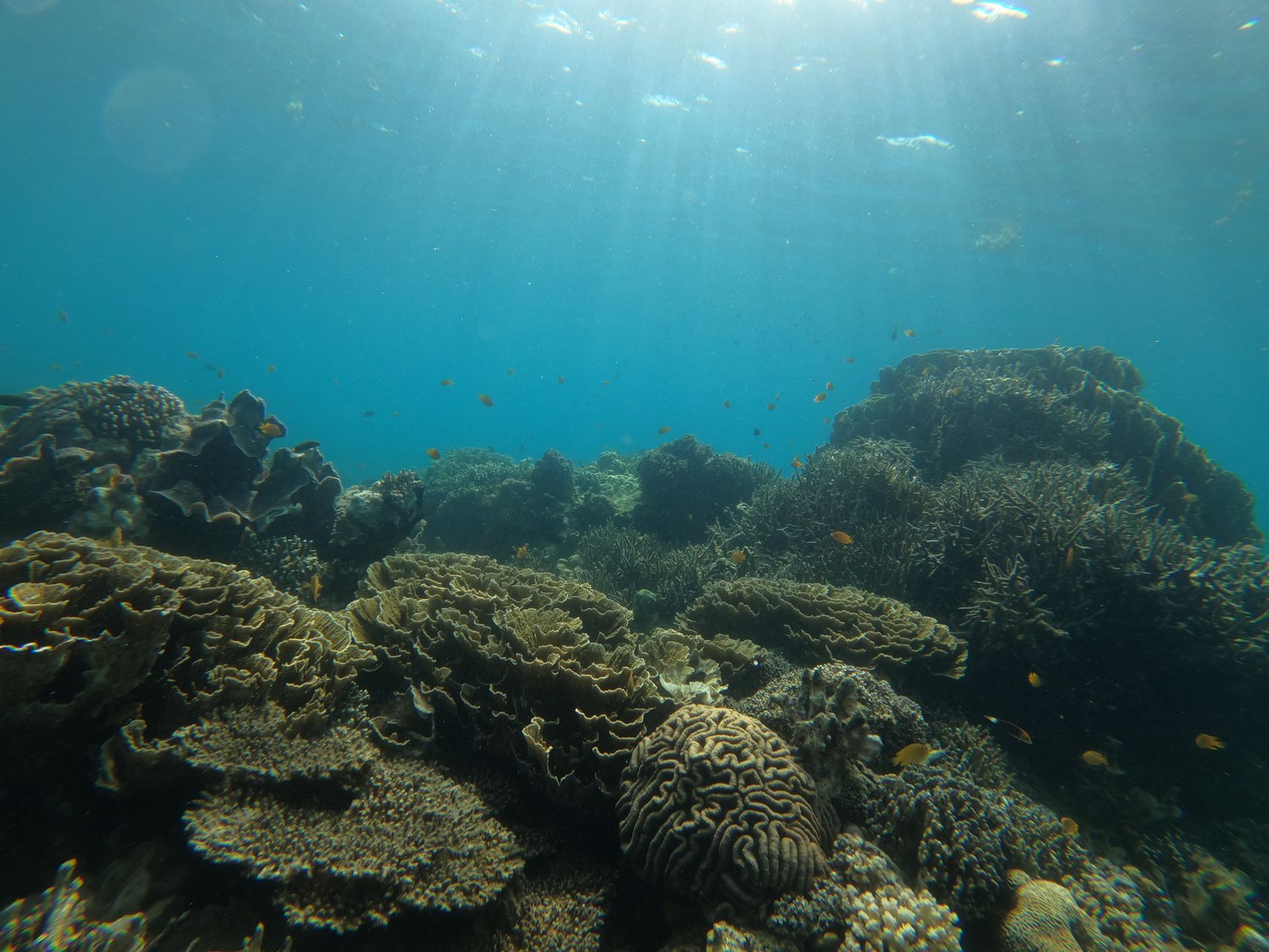
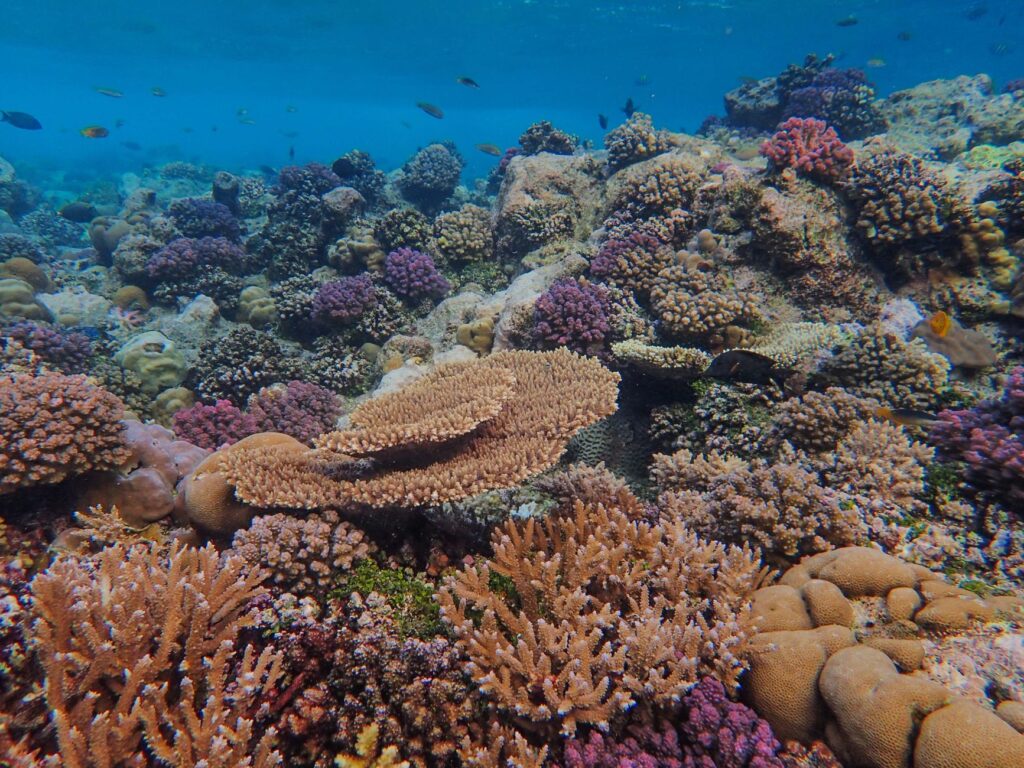
The biological richness of Apo Reef defies any conventional inventory. With over four hundred cataloged coral types, the atoll concentrates close to seventy percent of all known hard coral species in the world. This dense tridimensional architecture provides shelter and spawning grounds for more than six hundred species of bony and cartilaginous fish, turning every square meter of underwater wall into a hub of constant ecological activity.
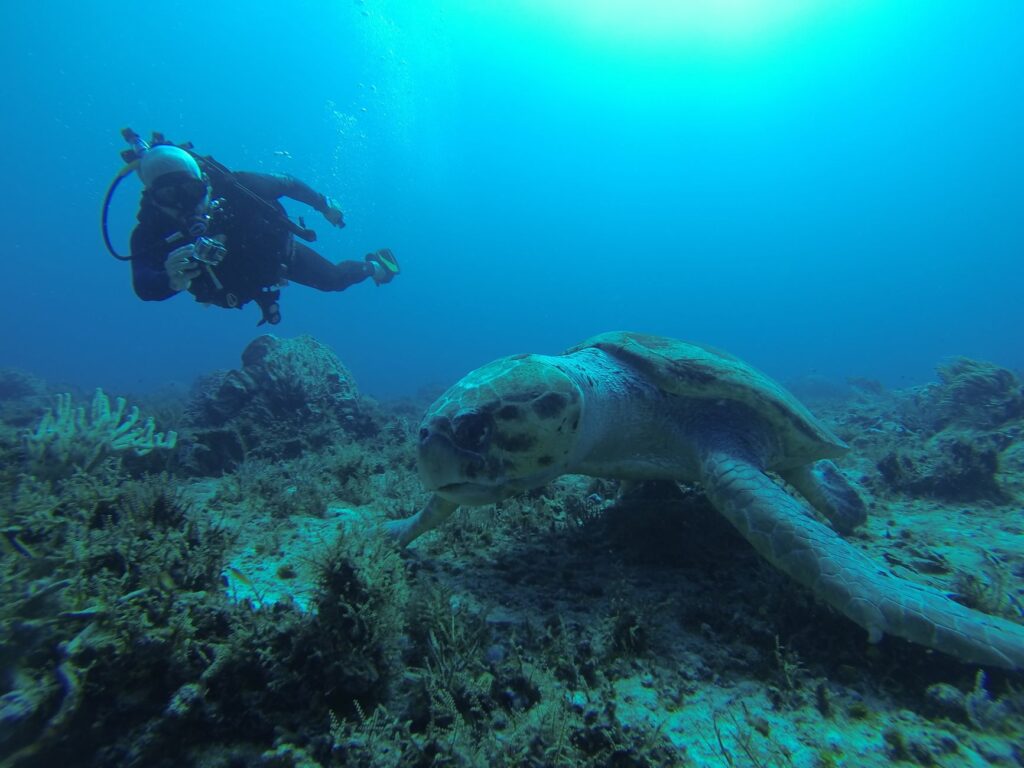
Resident species include large schools of jacks, barracudas, and humphead parrotfish, which patrol the outer cantiles relentlessly. In deeper zones, whitetip and grey reef sharks navigate with mechanical elegance, while hawksbill and green turtles find secure habitats among seagrasses and coral heads to feed and rest without the direct pressure of uncontrolled human activity.
The Ecological Role of Apex Predators
The presence of a healthy population of apex predators on Apo Reef is not a mere visual attraction, but the definitive indicator of a balanced ecosystem. Sharks and tunas act as upper regulators of the trophic chain, controlling the demographics of herbivores and medium-sized fish, which prevents algal overgrowth and allows corals to maintain spatial dominance.
Recent scientific studies demonstrate that the systematic elimination of these predators in other Philippine enclaves has triggered a cascading reaction that irreversibly degrades reef resilience. In Apo, conversely, strict protection of surrounding waters has allowed large fish biomass levels to remain stable, offering marine biologists an invaluable baseline model of how tropical oceans functioned before industrial overfishing.
The health of a deep-water reef is measured not by the beauty of its surface colors, but by the firmness with which its apex predators sustain the invisible balance of the trophic chain.
History of Protection and Marine Park Management
The current conservation status of Apo Reef is not a matter of chance, but the result of decades of community mobilization and administrative rigor. Declared a Natural Park in 1996 and subsequently recognized as a site of international importance, the protected area operates under a strict legal framework that severely restricts commercial fishing and the anchoring of unauthorized vessels on sensitive seafloor structures.
Park management combines governmental oversight with the active participation of local fishing communities from Mindoro Island, located a few hours of navigation away. Local park rangers conduct constant patrols to deter illegal fishing using dynamite and cyanide—devastating practices that once decimated vast coral extensions across Philippine seas—proving that effective conservation requires both legal authority and social roots among riparian populations.
The Challenge of Climate Change and Tourism Pressure
Despite its relative isolation, Apo Reef is not immune to major global environmental crises. The sustained rise in sea surface temperature, linked to global thermal anomalies, represents the greatest threat to the long-term survival of its coral colonies. El Niño episodes have caused severe thermal stress in the recent past, forcing scientists to closely monitor the recovery rate of corals following bleaching events.
Simultaneously, the growing popularity of the destination among sustainable diving enthusiasts demands strict regulation of tourism carrying capacity. Recreational boat anchoring has been entirely eradicated through the installation of eco-mooring buoys, and daily visitor quotas are enforced to prevent physical deterioration of the atoll’s most fragile zones, balancing public enjoyment with the scientific preservation of the environment.
Practical Guide
Planning a rigorous expedition to Apo Reef requires understanding the logistical particularities of a remote environment. Access is primarily achieved through the municipality of Sablayan on Mindoro Island, where authorized dive centers and expedition vessels operate with valid marine park permits.
- Best Time to Visit: From March to May, when the Sulu Sea presents peak underwater visibility, frequently exceeding thirty meters, and weather conditions are most stable due to the monsoonal transition.
- Access Requirements: Every visitor must pay conservation fees directly at the local administration offices in Sablayan, funds dedicated entirely to maintaining surveillance patrols and scientific research.
- Diving Regulations: The use of gloves, touching any marine organism, discarding waste into the water, and using sunscreens containing oxybenzone or other chemicals harmful to corals are strictly prohibited.
- Accommodation and Logistics: Most travelers stay at eco-resorts along the Mindoro coast or participate in liveaboard dive cruises that anchor near the park under strict low-impact environmental rules.
Final Reflection Under the Sulu Sea Stars
When night falls over the calm waters of Apo Reef and the southern firmament unfolds in all its splendor without artificial light interference, the immensity of the ocean acquires a profoundly reverent dimension. In this corner of the Sulu Sea, where ancient currents continue to sculpt the calcareous foundations of life, time seems governed by laws detached from the frenzy of the modern world. Here, marine conservation ceases to be a theoretical concept and becomes an unappealable responsibility toward the future.
Protecting this sanctuary does not merely mean safeguarding a catalog of striking species for the delight of coming generations, but recognizing the autonomy of an ecological system that existed long before humans drew maps across oceans. Every polyp surviving extreme heat, every school of fish crossing the current with geometric precision, and every park ranger watching over the atoll’s integrity in darkness represent tangible proof that environmental sanity is still possible in our time.
Defending the last pristine marine strongholds is an act of ecological resistance that reminds us of our true condition: we are merely temporary guests on a blue planet governed by forces infinitely wiser and older than ourselves.