
Introduction to the Elusive Carnivore’s Territory
The Sierra de la Culebra, located in the northwestern province of Zamora, represents one of the most fascinating and unique natural enclaves in the Iberian Peninsula. It is neither a cordillera of alpine summits nor a land of perpetual snows, but a mid-mountain system where gentle relief, sculpted by millennial erosion, conceals a dense network of valleys, streams, and forests of Pyrenean oak, pine, and rockrose. This seemingly monotonous landscape is, in reality, a first-tier ecological sanctuary and the most important historical stronghold for the conservation of the Iberian wolf (Canis lupus signatus) south of the Pyrenees.
For decades, this territory has been the stage for a complex coexistence between wildlife and the rural communities populating its foothills. Far from the bucolic image or exacerbated myth, the presence of the wolf in the Culebra responds to a solid biological structure based on perfectly organized territorial packs. The scientific question guiding this analysis is how the dynamics of these populations manage to sustain themselves in the face of growing anthropogenic pressure, habitat fragmentation, and regulatory shifts governing their protection status in Spain.
Geology and Landform Modeling of Zamora
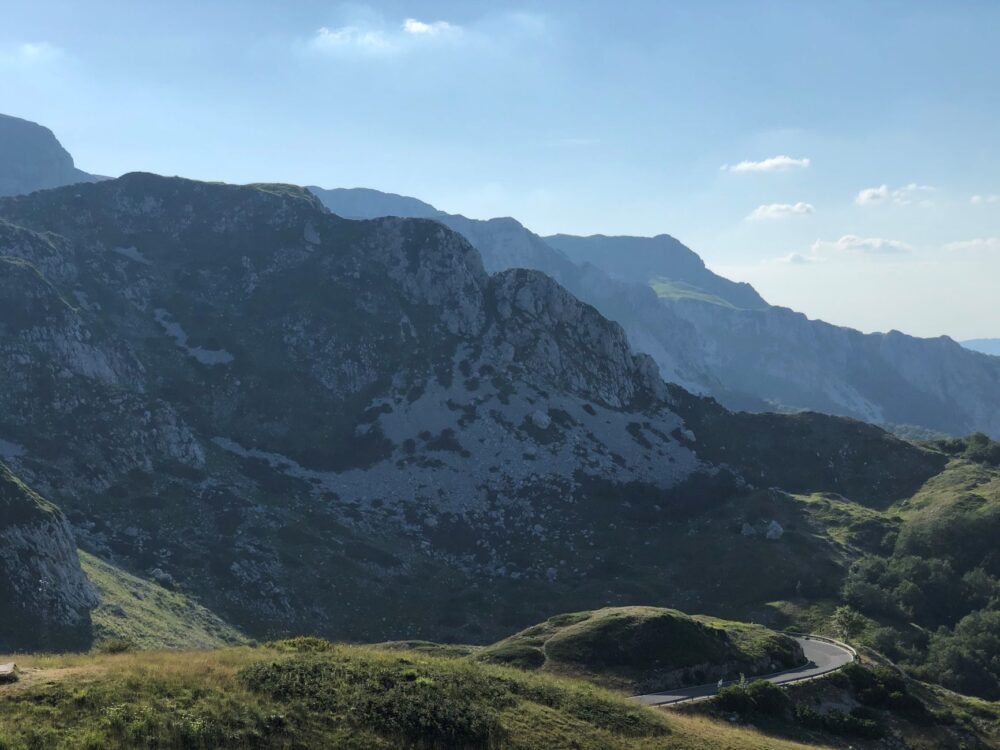
The geological substrate of the Sierra de la Culebra is dominated by Paleozoic materials, primarily slates, quartzites, and sandstones that have given rise to acidic, shallow soils. This substrate, ill-suited for high-yield intensive agriculture, has allowed much of the surface to maintain semi-natural or forest vegetation cover. The rocky ridges, rarely exceeding 1,200 meters in altitude, are cut by fractures and joints where shrub vegetation finds a foothold, while valley floors accumulate alluvial sediments retaining the moisture needed to sustain meadows and riparian forests.

This mid-mountain relief offers a fundamental strategic advantage for wildlife: compartmentalization. River valleys act as natural ecological corridors connecting the Castilian plateau with the Galician and Asturian foothills. The basins of the Tera, Aliste, and Esla rivers shape a peripheral hydrographic network defining the territory and providing essential water resources for both wild herbivores and the wolf itself, which finds foraging and breeding grounds in ravines and steep slopes far from direct human presence.
Ecology and Biology of Canis lupus signatus
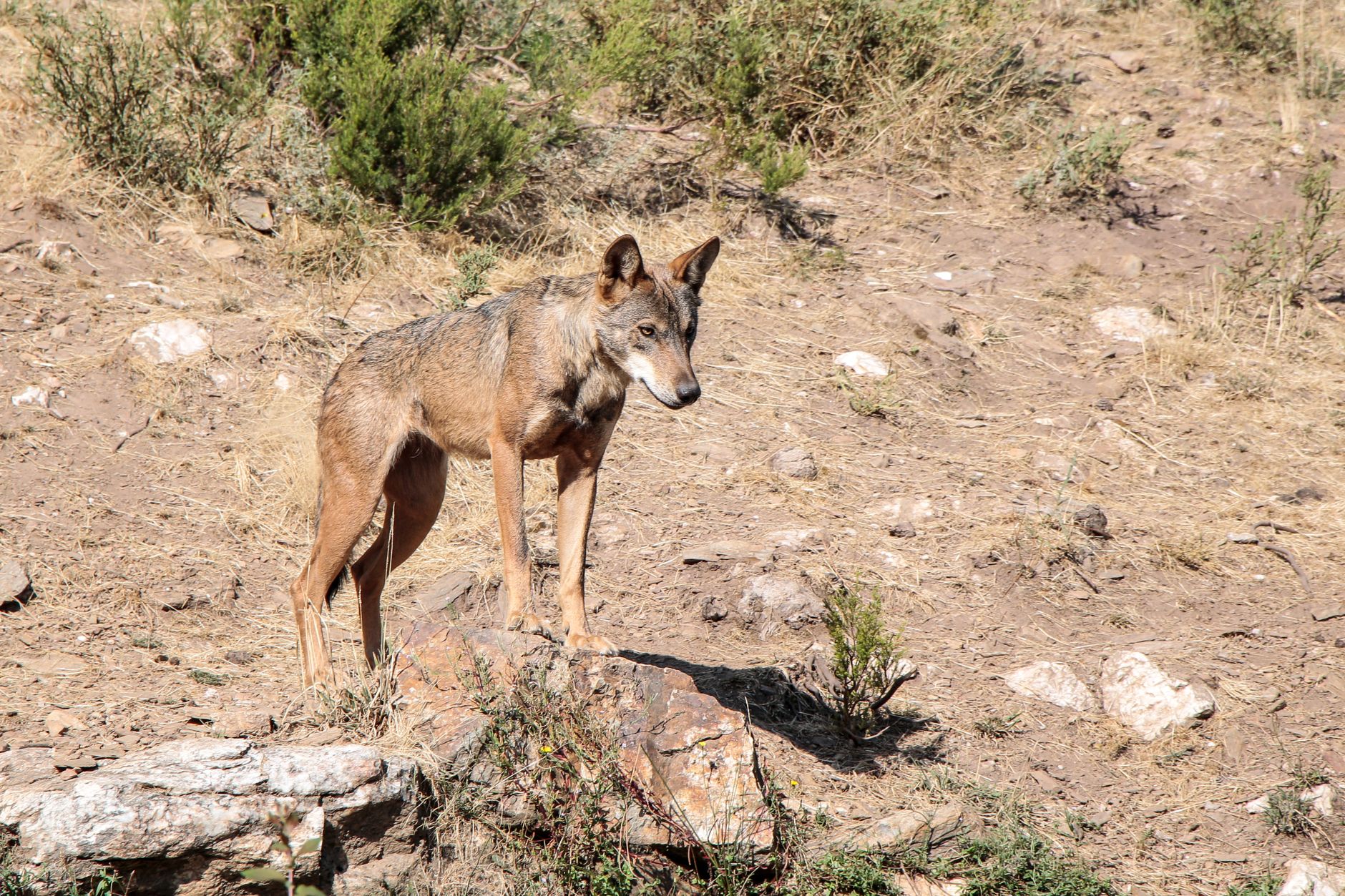
The Iberian wolf differs from its European counterparts through a series of unique morphological and behavioral adaptations, the result of geographic isolation and historical hunting pressure. Its size is slightly smaller than that of the northern Eurasian wolf, with a coat characterized by brownish and ochre tones conferring exceptional camouflage in Mediterranean and Atlantic scrublands. Its diet is eminently opportunistic yet highly specialized in wild ungulates, notably roe deer, red deer, and wild boar, whose populations experienced a notable increase following the gradual abandonment of marginal agricultural land uses in the second half of the twentieth century.
The basic social unit is the pack, a hierarchical family clan usually dominated by an alpha breeding pair. Social structure is not static; it responds to complex dynamics of cooperative hunting, territory defense, and pup rearing, which takes place in spring within excavated dens or under protected rock formations. Radiotelemetry and genetic studies conducted in the Sierra de la Culebra have documented how subadult individuals, upon reaching sexual maturity, leave the natal group to disperse in search of new mates and territories, a vital process to prevent inbreeding and ensure the genetic viability of the peninsular metapopulation.

Coexistence with Extensive Livestock Farming
Wolf conservation management in the Culebra cannot be understood without analyzing its direct interaction with local livestock herds. Historically, extensive sheep and goat farming has shared space with the apex predator, generating persistent socio-economic conflict. Attacks on extensive livestock represent the primary friction point between conservation interests and the livelihoods of local herders, who decry insufficient compensation systems and administrative delays in damage payouts.
To mitigate this impact, management programs have promoted the adoption of traditional and modern preventive measures. The use of mastiffs—large dogs specialized in defending livestock against wild canids—and the nocturnal enclosure of flocks in electrified corrals have proven highly effective when implemented comprehensively. However, the effectiveness of these measures often clashes with rural labor shortages and the aging of the farming population, hindering the widespread adoption of guarded grazing practices.
Ecological Corridors and Territorial Connectivity
One of the greatest scientific challenges in Iberian wolf conservation is ensuring connectivity between northern peninsular populations and isolated nuclei attempting to establish themselves in central and southern Spain. The Sierra de la Culebra acts as a true crossroads and fundamental nexus in this gene flow. Ecological corridors traversing the region allow the exchange of individuals toward the Central System and Portugal, preventing demographic isolation that would doom peripheral populations to inbreeding depression.

Nevertheless, this network of corridors faces severe threats from linear transport infrastructure—such as highways and high-speed rail lines—and the expansion of energy macro-projects, both photovoltaic and wind, fragmenting habitat and altering traditional wildlife dispersal routes. Spatial planning and the implementation of specific wildlife overpasses and underpasses are indispensable tools to keep these ecological arteries open, whose survival determines the long-term future of the species on the peninsula.
The Impact of Nature Tourism and Observation
Over the past two decades, the Sierra de la Culebra has undergone a notable socio-economic transformation driven by the rise of nature tourism and, most notably, wildlife observation (known internationally as wolf watching). Enthusiasts and photographers from around the world flock to this Zamoran corner hoping to sight the canid in the wild from authorized viewpoints and under the guidance of qualified local professionals. This activity has proven to be an economic catalyst for rural lodgings, restaurants, and guides, offering an alternative revenue source directly linking the territory’s economic value to the conservation of the living animal.

Despite its evident benefits, this activity demands strict regulation to avoid altering the natural behavior of the packs. Habituation to human presence, acoustic pollution at key ranging spots, and excessive photographic pressure during the breeding season are real risks environmental managers must monitor. Balancing public enjoyment of natural heritage with the tranquility required by wildlife remains a delicate challenge demanding rigorous codes of conduct and active surveillance.
Practical guide
How to get there: The primary gateway to the Sierra de la Culebra is the city of Zamora, located about 65 kilometers to the south. From there, the national and regional road network, highlighted by the N-631 highway, crosses the heart of the protected area connecting key villages such as Villardeciervos, Mombuey, and Robledo de Sanabria.
When to go: Autumn months (October and November) and spring (April and May) offer the best climatic and biological conditions. During autumn, the red deer rut and deciduous forest colors enrich the experience; in spring, pack activity peaks due to pup rearing.

Accommodations and Services:
The region features a network of quality rural houses and charming small hotels integrated into traditional slate and wood architecture. Advance booking is recommended, especially during autumn weekends.
Observation Recommendations: Spotting wolves independently is extremely difficult and requires advanced tracking skills and infinite patience. It is strongly recommended to hire authorized local ecotourism companies equipped with professional optics and adherence to ethical distance-observation protocols.
The Final Pulse of the Zamoran Mount
Under the soft twilight light, when the shadows of oaks stretch across clay valleys and mid-mountain silence reclaims absolute dominance, the Sierra de la Culebra reveals its true face. In this landscape where human history and wild nature intertwine inextricably, every distant howl echoing through the canyon is nothing less than the acoustic testimony of tenax resistance. The preservation of this ecosystem does not depend solely on administrative regulations or distant offices, but on collective capacity to value the complexity of a landscape where biological equilibrium rests on the fragile thread of mutual respect between man and the land he inhabits.