
Within the urban fabric of Lyon, where the threads of history intertwine with industrial modernity, one of Europe’s most refined bibliographical traditions quietly survives: silk bookbinding. Far from being a mere aesthetic caprice of nineteenth-century bibliophiles, the use of textiles for the endpapers and spines of volumes represents a technical summit where textile engineering merges with the monastic patience of the artisan craft. Through cobblestone alleys and ancient passageways known as traboules, the heirs of the historic canuts—the legendary Lyonnais weavers—continue to operate mechanical and manual looms to breathe life into brocades, damasks, and satins destined exclusively to protect works of incalculable value.
This report delves into the heart of Lyonnais workshops to decipher how haute couture and the art of bookbinding converge in an era dominated by the digital realm. The resilience of these creators does not stem from mercantile nostalgia, but from an urgent necessity to preserve the tactility of knowledge. Each piece of silk woven under the exact specifications of historic weight requires an encyclopedic understanding of natural dye chemistry, warp thread tension, and the millimeter-level rigidity that binding board demands to endure centuries of handling without warping.
The Geography of Loom and Paper in Lyon
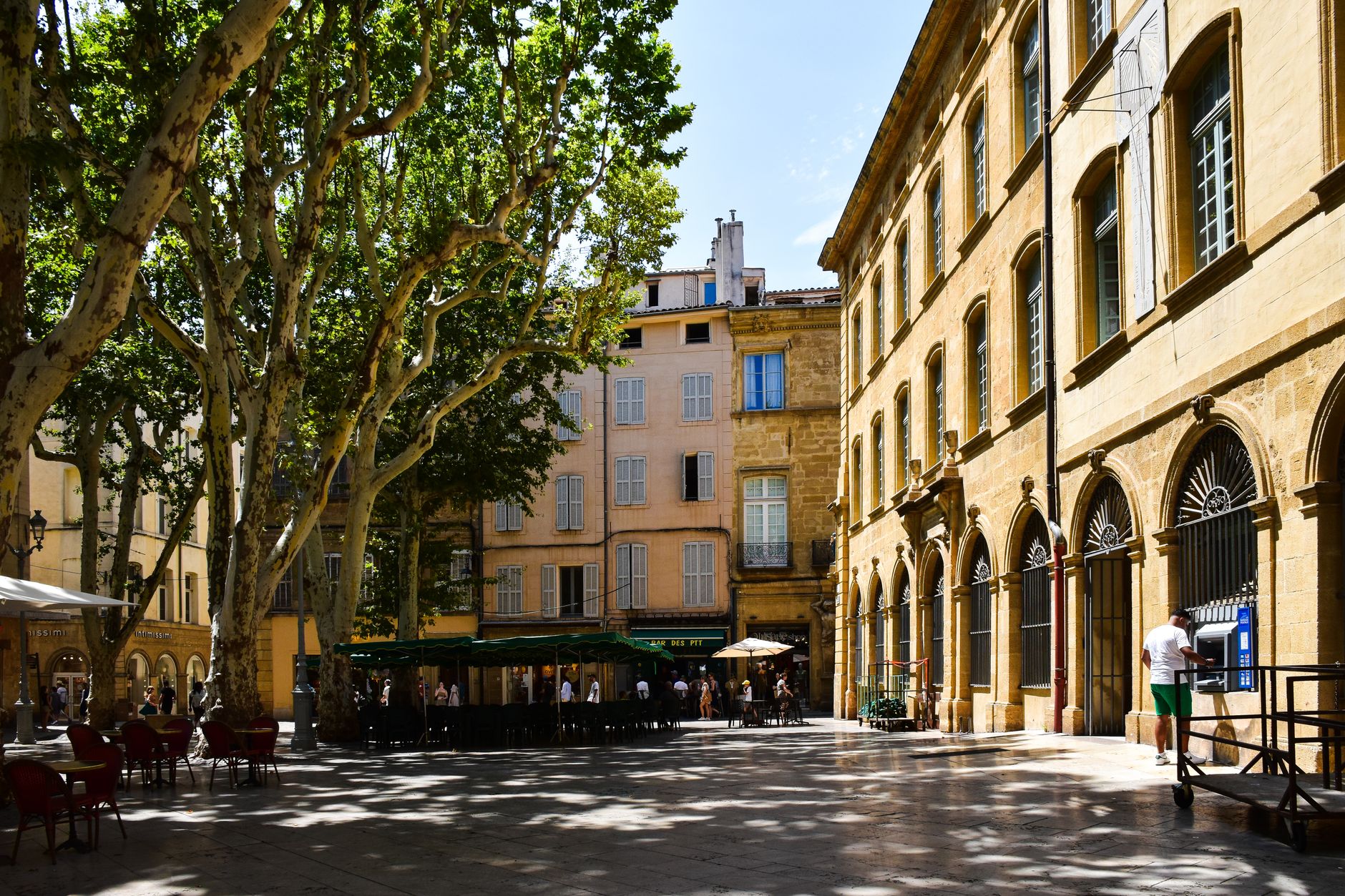
The relationship between Lyon and silk traces its roots back to the fifteenth century, when Francis I granted the city a monopoly on the importation and weaving of this material in France. Over time, the silk industry expanded its influence beyond court attire and the upper bourgeoisie, quietly infiltrating the bookbinding workshops of the Croix-Rousse district. In these labyrinthine spaces, where high ceilings accommodated bulky Jacquard looms, artisans discovered that dense silk weaves offered unparalleled durability and tactile pleasure for luxury bindings commissioned by patrons and royal libraries.

Today, visiting these studios requires stepping past anonymous doors that conceal living museums of technique. Here, objects are not mass-produced; every meter of fabric is calculated based on the exact dimensions of the volume, accounting for the grain of the thread to prevent premature fraying from continuous friction. Contemporary masters combine eighteenth-century pattern archives with modern designs, proving that Lyonnais textile tradition is a constantly evolving organism rather than a static relic locked inside a display case.
The Alchemy of Warp and Weft
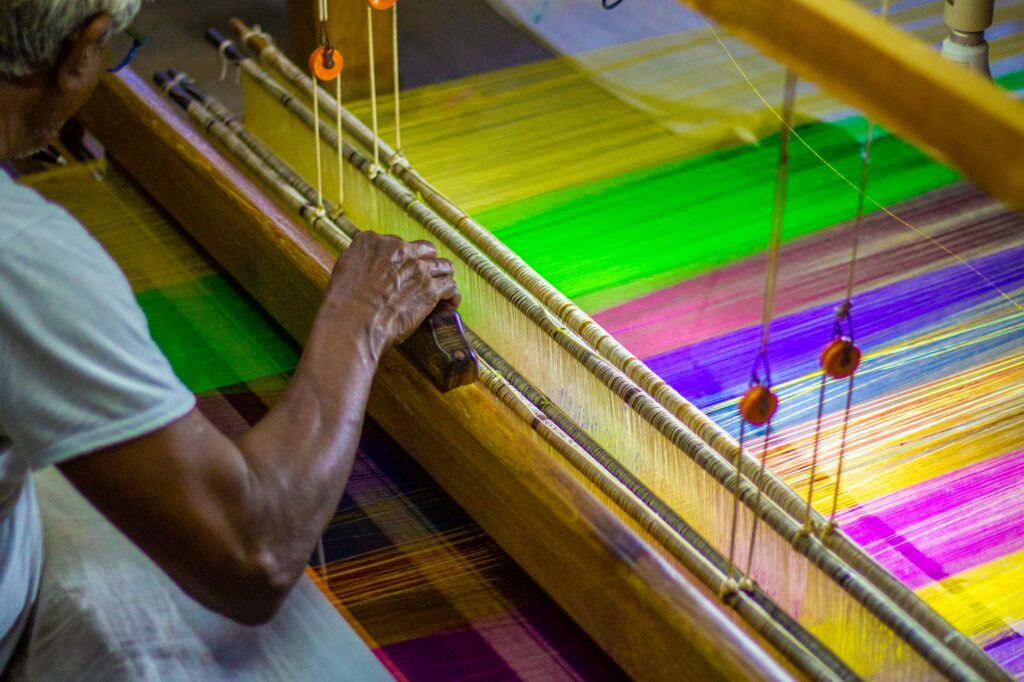
The process begins long before the fabric touches the binder’s hands. In associated spinning workshops, the raw material—cocoons of the Bombyx mori silkworm—undergoes traditional boiling and reeling processes that preserve the natural sheen and tensile strength of the fiber. Unlike modern synthetic fibers, authentic Lyon silk possesses a unique elastic memory that allows the textile to adapt to environmental humidity expansions and contractions of the paper.
Once the thread is obtained, the pattern design is programmed onto punch cards or digital media faithful to the original Jacquard system. Each color demands an independent shuttle, and the weave density can reach up to one hundred threads per square centimeter. This technical rigor ensures that when the silk is applied to the binding board using acid-free starch glues, the fabric suffers no ripples or loss of tension. Millimeter precision in cutting is the sole shield against structural tearing.
The Master’s Workshop: Between Gouge and Loom
Stepping across the threshold of an active workshop in Lyon’s historic district is entering a universe where time is measured by the noisy yet rhythmic beat of mechanical looms and the absolute silence of binders working with scalpels. In these spaces, the figure of the total artisan remains alive: someone capable of restoring an ancient manuscript with damaged vellum while simultaneously weaving the exact fabric that mimics the original seventeenth-century design for its new protective cover.
Professionals in this sector note that the greatest current challenge lies in the scarcity of local suppliers of high-quality raw materials. With the gradual disappearance of large European spinning mills, Lyonnais workshops have had to forge direct alliances with local sericultural farmers and small producers in Provence and northern Italy. This collaborative effort ensures the absolute traceability of every fiber, an essential requirement for international collectors and national libraries entrusting their bibliographical treasures to these diminutive studios.
The Invisible Art of Board Preparation
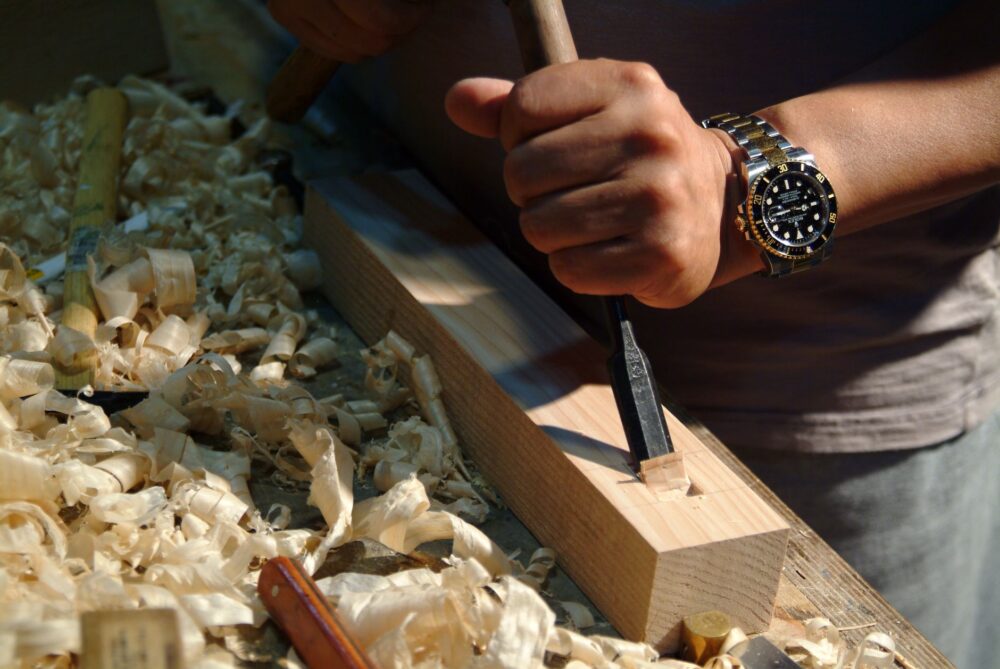
Before the silk can adhere to the book block, the rigid support must be prepared with surgical meticulousness. Binders employ pure cotton pulp board, free of chlorine and lignin, to prevent the acidity of the support from degrading the textile fiber over decades. Each board is hand-sanded along the edges to subtly bevel them, allowing the fabric to form a clean, sharp ridge at the corners—the most vulnerable point of any bound volume.
Subsequently, a thin layer of gesso and purified bone glue is applied with soft-bristle brushes to prevent lumps that might show through the delicate surface of the silk. The final touch must be smooth and uniform, devoid of mechanical irregularities. This intermediate step is the best-kept secret of Lyonnais workshops, differentiating commercial binding from an authentic work of bibliographical art capable of lasting three hundred years in pristine conservation.

The true elegance of a silk-bound book lies not in visual ostentation, but in the silent resistance of its materials against the destructive fury of time.
Hot Stamping and Embossing
Once the textile cloaks the rigid structure, the volume undergoes one of its most delicate phases: blind embossing or stamping with fine gold leaf. Unlike leather, upon which the pressure of hot tooling is direct and aggressive, silk demands absolute control over temperature and press force to avoid melting or cutting the textile fibers.
Engravers use hand-carved brass plates featuring heraldic, floral, or geometric motifs inspired by bindings from the French royal library. The 23-karat gold leaf is deposited millimeter-precisely onto the weave before applying the regulated heat stroke. The result is a hypnotic contrast between the matte or iridescent texture of the fabric and the metallic brilliance of the tooling, creating a visual depth that no modern digital process has managed to replicate with identical elegance.
Conservation in the Digital Age
In a century dominated by screens and the planned obsolescence of reading media, the silk-bound book reasserts its status as an object of worship and the definitive archive of memory. Major university libraries and private collectors periodically turn to Lyon’s workshops to restore historical volumes whose original covers have disintegrated due to the oxidation of ancient metallic threads or the attack of xylophagous insects.

Modern restorers apply non-invasive techniques, consolidating historical silks using hand-dyed silk tulle veils with reversible natural pigments. This conservationist approach respects the patina of time, avoiding historical fakes and ensuring the intervention remains perfectly identifiable by future specialists. Restoration does not seek to return artificial youth to the book, but to stabilize its historical dignity.
Practical guide
How to get there: Lyon is served by Lyon-Saint Exupéry Airport, connected to the city center via the Rhônexpress high-speed tram in under 30 minutes. From Paris, TGV high-speed trains connect Lyon-Part-Dieu station in approximately two hours.
When to visit: Spring and autumn offer optimal temperatures for walking the historic neighborhoods of Croix-Rousse and Vieux Lyon without the crowds of summer tourism.
Recommended workshops: Artisanal studios specializing in artistic binding and textile restoration are concentrated on the slopes of Croix-Rousse. Most require advance appointments arranged by email to ensure attention respectful of production rhythms.
Accommodation: The historic district of Vieux Lyon houses small boutique hotels situated in restored Renaissance palazzos, ideal for immersing oneself in the city’s heritage atmosphere.
The Final Echo of the Shuttle
At dusk, when the murmur of traffic dissolves into the steep alleys of Croix-Rousse and the last rays of sunlight strike obliquely across Lyon’s ochre facades, a faint mechanical echo still lingers inside the workshops. It is the muffled sound of a shuttle crossing the warp, a constant reminder that material beauty is not an accident of chance, but the fruit of human perseverance. In every volume that leaves these studios wrapped in its armor of silk and gold, the history of written civilization finds an unalterable refuge, a tangible testimony that delicacy, when grounded in technical rigor, is capable of defying the relentless erosion of the centuries.