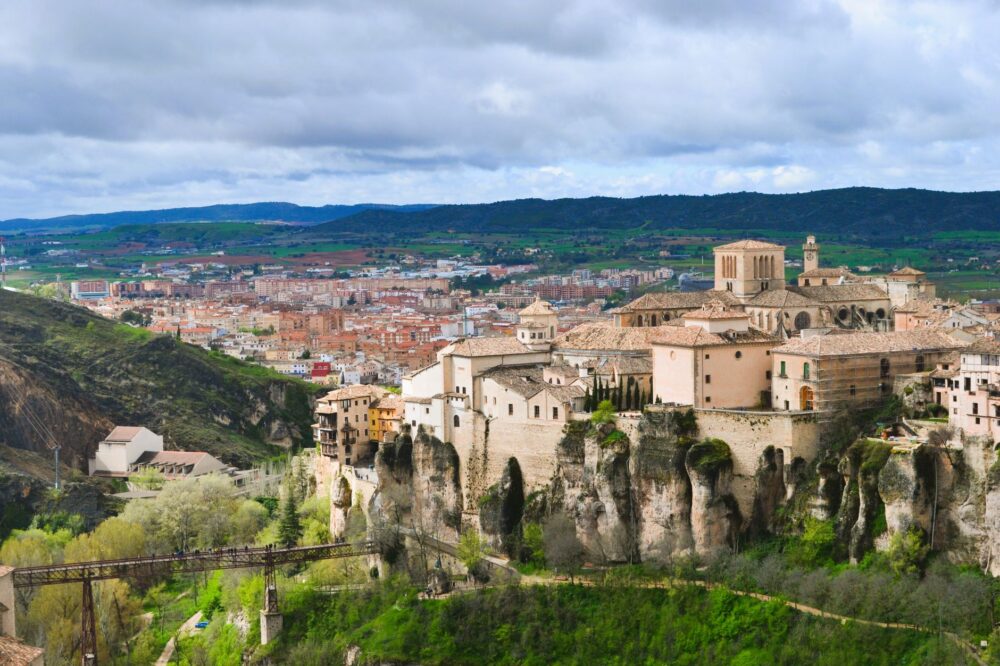
In the heart of South Jeolla Province, where the mountains roll like the spine of a sleeping dragon, the air in Gwangju does not smell of industrial modernity, but of something far deeper and more telluric. It is a complex aroma—a mixture of salt spray, damp earth, and the pungent sting of red chili that floats through the autumn mornings. Here, food is not merely prepared; it is cultivated through a silent dialogue with time and the elements, an invisible dance of microorganisms that transform the humble napa cabbage into the spiritual pillar of a nation: kimchi.
To understand kimchi in Gwangju requires abandoning the idea that it is a simple side dish. For Koreans, and especially for the inhabitants of this region—considered the culinary capital of the peninsula—kimchi is an architecture of memory. It is the result of a perfect symbiosis between the fertile geography of Jeolla and a preservation technique that has defied centuries of famine and war. On the terraces of traditional houses, or hanok, rows of dark earthenware jars known as onggi guard the secret of a fermentation that not only feeds the body but binds an entire community together.
The Architecture of Clay: The Secret of the Onggi
The first protagonist of this story is not an ingredient, but a vessel. The onggi is a ceramic made of clay fired at specific temperatures that give it a unique porosity. Unlike glass or steel, this clay «breathes.» This micro-ventilation is essential for lactic acid bacteria to thrive without the product rotting. In the outskirts of Gwangju, master potters continue to shape these pieces with a precision that borders on the mystical, knowing that the thickness of the jar’s wall will determine the flavor of the feast for the coming winter.
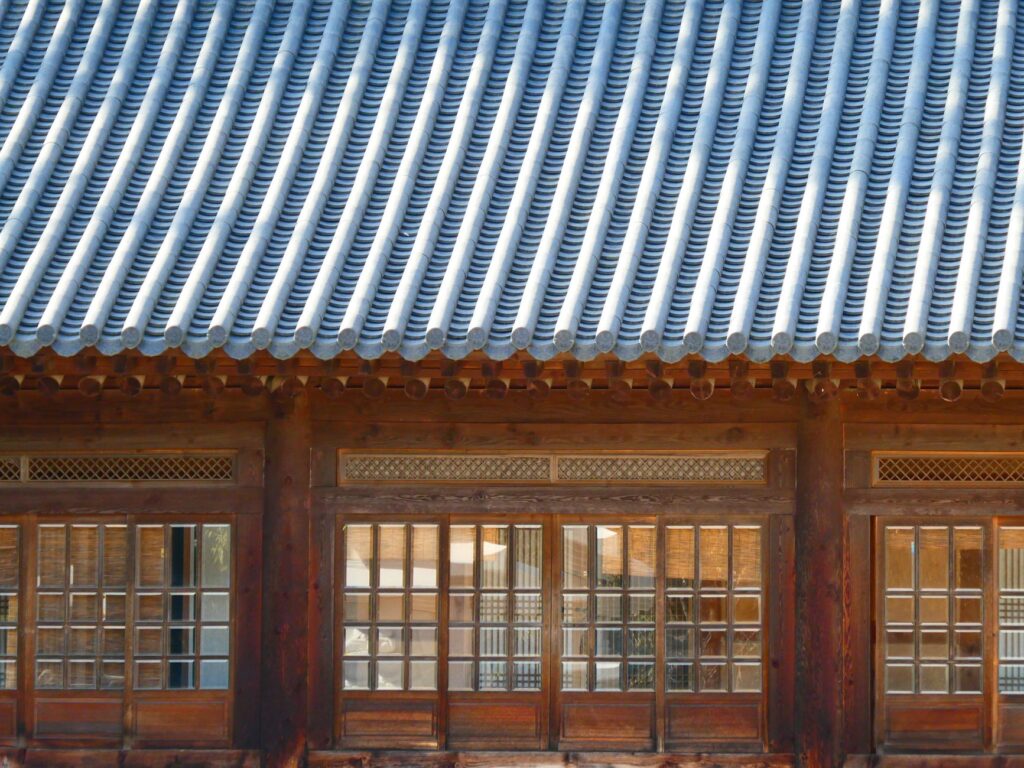
Inside these vessels, the cabbage undergoes a metamorphosis. It is not just salting and seasoning; it is creating an ecosystem. Local experts explain that good kimchi depends 70% on the quality of the salt and water, and 30% on the hand of the preparer. Salt from the nearby Sinan coast, aged to remove bitterness, is the first step in this process. Patience is the invisible ingredient that allows the vegetable’s sugars to convert into organic acids, creating that crisp texture and effervescent flavor that defines authentic artisanal kimchi.
«Within the porosity of the clay lies the secret of the vegetable’s eternal life; the onggi is the lung that allows time to breathe upon the food.»
Kimjang: The Ritual That Stops the Calendar
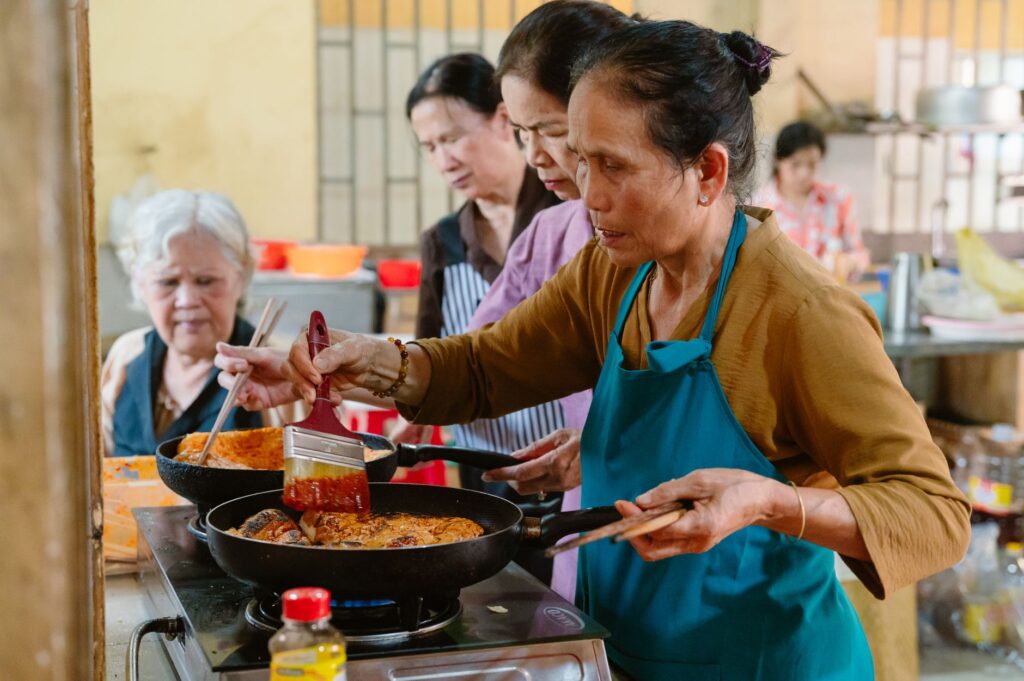
Every November, when the cold begins to bite the highlands, Korea experiences Kimjang. This ritual, declared an Intangible Cultural Heritage by UNESCO, is the moment when families and neighbors gather to prepare the kimchi supplies for the entire year. In Gwangju, Kimjang takes on epic proportions. It is not uncommon to see three generations of women—and increasingly men—squatting over red tarps, painstakingly spreading chili paste between every leaf of cabbage.
Kimjang is a lesson in applied sociology. During these days, news is exchanged, grudges are settled, and the social fabric is reinforced. The fatigue of physical labor is compensated by bossam: boiled pork consumed on the spot, wrapped in freshly seasoned cabbage leaves. It is a feast of immediacy that celebrates work destined for the future. In a hyper-technological society like Korea, Kimjang acts as an emotional anchor, preventing identity from dissolving into the speed of urban life.

The Jeolla Pantry: A Map of Flavor
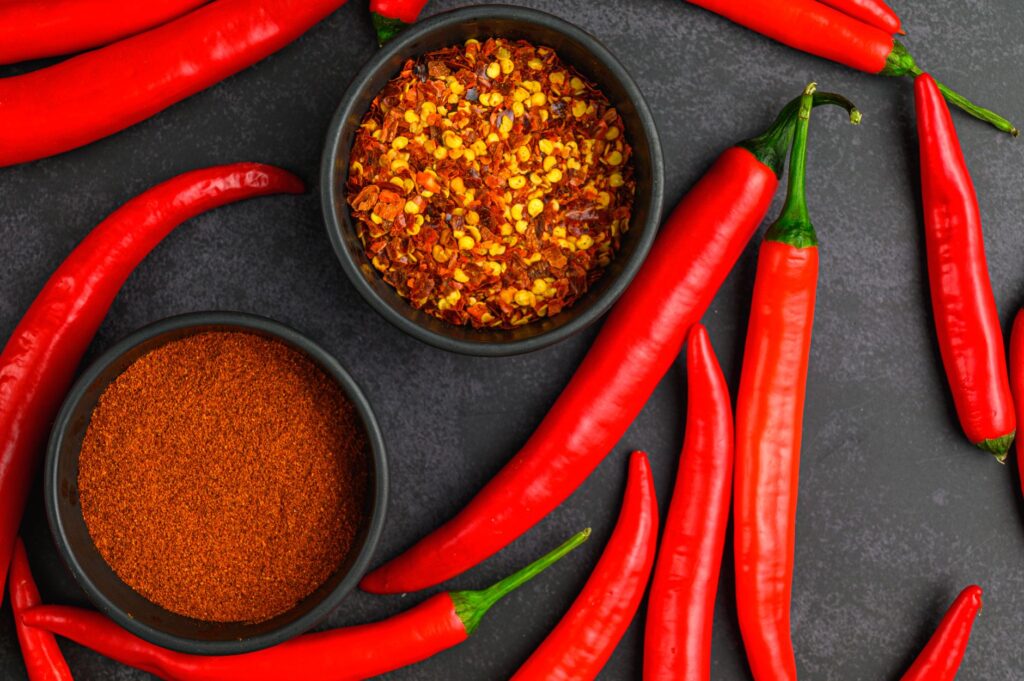
Why is Gwangju’s kimchi considered the best in Korea? The answer lies in its pantry. While in the north (Seoul) flavors are milder and more watery, in the south they are intense, deep, and highly seasoned. The Jeolla region uses a greater amount of jeotgal (fermented seafood), such as salted anchovies or shrimp, which provide an explosive umami. Additionally, the generous use of garlic, ginger, and the area’s famous gochugaru (chili powder) creates a sensory profile that challenges the Western palate.
- Baechu Kimchi: The classic fermented napa cabbage, the gold standard of the Korean table.
- Kkakdugi: Cubed white radish, crunchy and sweet, essential for accompanying bone broths.
- Gat-kimchi: Made with mustard leaves, it has a bitter and spicy kick that cleanses the palate.
- Oi Sobagi: Stuffed cucumbers, ideal for transitional months due to their freshness.
The Yangdong Market in Gwangju is the epicenter of this diversity. Walking through its aisles is like attending an exhibition of textures: from marinated lotus roots to fermented garlic scapes. Vendors with hands hardened by brine offer samples that explode in the mouth, revealing layers of flavor ranging from initial sweetness to a vibrant, acidic finish that lingers in the memory.
Living Science and Health in Every Bite
Beyond gastronomic pleasure, kimchi is a biological miracle. In the laboratories of the World Kimchi Institute, based in Gwangju, scientists study the strains of Lactobacillus generated during the process. Kimchi has been proven to strengthen the immune system, aid digestion, and possess antioxidant properties. It is, quite literally, edible medicine that has allowed the Korean population to maintain robust health through the centuries.
Fermentation is a form of pre-digestion. Microorganisms break down complex nutrients into simpler, easier-to-absorb forms, increasing the bioavailability of vitamins such as C, B12, and folic acid. In Gwangju, this science is not read in books; it is felt in the vigor of the elders who continue to work the land and in the longevity of a culture that has made its diet its primary shield against disease. Kimchi is not dead food; it is a living organism in constant evolution.
«Kimchi is not merely a recipe; it is a collective state of mind that transforms the need for survival into one of the world’s most complex art forms.»
Modernity and Designer Kimchi
Despite its traditional roots, kimchi is not a museum piece. In contemporary Gwangju, a new generation of chefs is reinterpreting this legacy. We find kimchi ice cream, cocktails using fermentation juice (kimchi-tinis), and haute cuisine techniques that deconstruct its ingredients to create ethereal textures. This evolution is necessary so that tradition does not become a burden, but rather a driver of innovation.

Even technology has adapted. In almost every modern apartment in Korea, there is a specific appliance: the kimchi refrigerator. These devices mimic the temperature and humidity conditions of jars buried underground, allowing even those living in glass skyscrapers to enjoy kimchi at the exact point of maturation. It is the victory of tradition over urbanism, proof that the Korean palate is not willing to give up its heritage for the convenience of modern life.
Practical Guide
To experience the full journey of kimchi at its source, it is essential to plan a trip to the southwest of the peninsula. Gwangju is accessible via the high-speed train (KTX) from Seoul in less than two hours, offering a fascinating contrast between the global metropolis and the country’s agricultural heartland.
The best time to visit is during the Gwangju World Kimchi Festival, usually held in October or November. This is the peak moment where you can participate in preparation workshops, taste rare varieties from nearby islands, and observe the competitions of master artisans. For a deeper immersion, Gwangju Kimchi Town offers an interactive museum and permanent cooking classes that explain the history and science behind fermentation.
Regarding accommodation, it is recommended to look for a stay in a traditional hanok in nearby rural areas like Damyang, where the nightly silence is only broken by the sound of wind through the bamboo. For dining, any local restaurant labeled as Jeolla-sik (Jeolla style) will serve a table full of side dishes (banchan) where kimchi will be the absolute protagonist. Do not forget to visit the Yangdong Market early in the morning to see the arrival of fresh vegetables and the frantic activity of the master fermenters.
The Flavor of Resilience
At the end of the day, as the sun sets behind the hills of Gwangju, a sense of profound respect for this process remains. Kimchi is a reminder that the best things in life take time. You cannot rush fermentation, just as you cannot rush the formation of a culture. Every bite of fermented cabbage carries with it the farmer’s sweat, the grandmother’s wisdom, and the patience of the earth.
In a world that seeks instant gratification, sitting down to a bowl of steamed rice and a piece of well-matured kimchi is an act of resistance. It is choosing complexity over simplicity, the artisanal over the industrial, and the eternal over the ephemeral. In the silence of Gwangju’s clay jars, life continues to bubble, reminding us that sometimes, to move forward, one only needs to know how to wait.