
The Quest for Solitude at a World Wonder
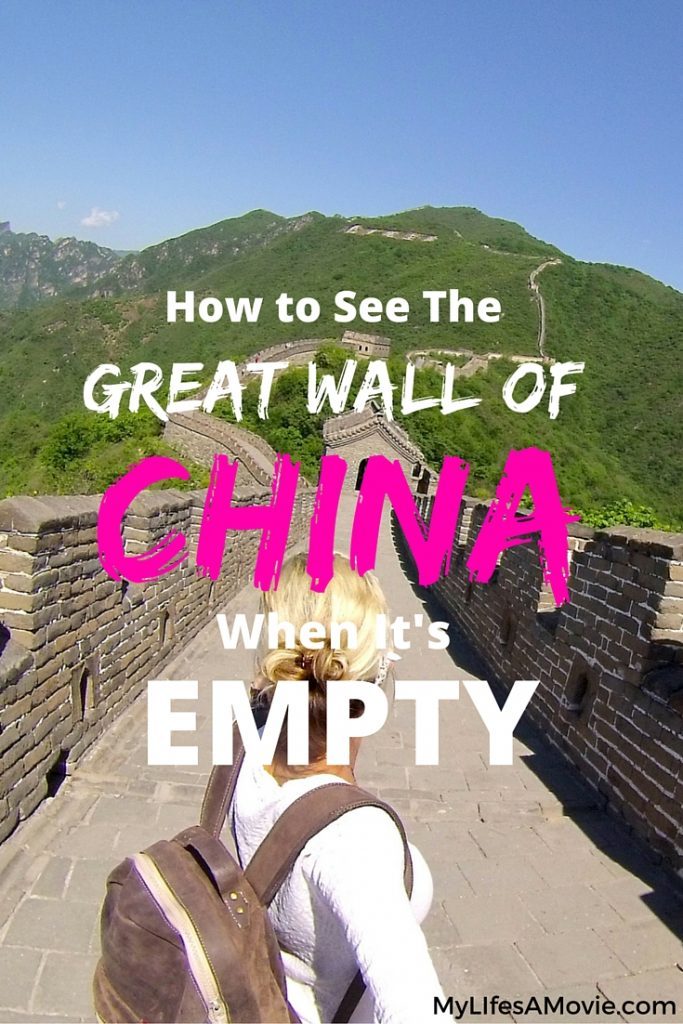
Beholding the Great Wall of China is one of those experiences that lives in the collective imagination long before one ever sets foot in Asia. However, the reality often differs from the dream: for most travelers, the first image is that of Badaling—a sea of colorful umbrellas, blaring tour guide megaphones, and a human tide that barely allows a glimpse of the steps. But another wall exists. One that snakes across mountain ridges in absolute silence, where the only sound is the wind whipping against Ming Dynasty bricks and the rustle of vegetation reclaiming its space between watchtowers. Finding that emptiness is not a matter of luck; it is a matter of meticulous planning and the will to stray from Beijing’s well-trodden paths.
For the solo female traveler, the Great Wall offers a perfect metaphor for resilience and solitude. It is not just a monument; it is a stone organism stretching for thousands of miles, with each section telling a different story. While restored sections offer a glimpse of imperial glory, the ‘wild’ or semi-restored stretches allow for a visceral connection with the past. The secret to seeing the wall empty lies in three fundamental pillars: choosing the right section, mastering local logistics, and, above all, timing. This report breaks down the ultimate strategy for conquering solitude on the largest structure ever built by man.
The Badaling Mistake and the Proximity Trap
Badaling is the most famous, best-preserved, and closest section to Beijing. It is, by definition, the place you do not want to be if you are seeking an authentic experience. While its accessibility is undeniable—connected by high-speed trains and direct buses—the cost is the total loss of historical atmosphere. Here, the wall feels like a theme park. Modern railings and throngs of visitors strip the site of its mysticism. If your goal is travel photography or simple introspection, Badaling should be immediately discarded from your itinerary.
Even Juyongguan, another nearby section, suffers from similar saturation due to its proximity to the capital. The golden rule is simple: the harder the access, the greater the reward. Distance acts as a natural filter that separates passing tourists from true explorers. To experience the wall in its purest state, one must look northeast toward sections like Mutianyu, Jinshanling, and the untamed Jiankou, where geography imposes a respect that mass tourism is not always willing to face.
Mutianyu: The Balance Between Comfort and Aesthetics
Mutianyu is the ideal choice for those seeking a restored wall with a fraction of Badaling’s crowds. Surrounded by dense forests that burst into vibrant colors during autumn, this section offers spectacular panoramic views and an infrastructure that, while modern, is less intrusive. The key at Mutianyu is timing. Most group tours arrive between 10:00 and 11:00 AM. Arriving at the opening at 7:30 AM guarantees you at least two hours of relative solitude, allowing you to walk toward the further towers, such as Number 23, where the flow of people drops drastically.
«The Great Wall is not to be visited, but to be inhabited through a slow pace; only in the silence of its empty towers can one understand the scale of imperial time.»
One of the great advantages of Mutianyu is its internal transport system. You can ascend via cable car or chairlift and, for the descent, use the famous toboggan. While it might seem like a trivial tourist attraction, sliding down the mountain through a metal chute is a surprisingly fun way to end the day. However, for the photographer seeking the perfect shot without a single tourist in the frame, even Mutianyu can feel a bit too ‘clean.’ This is where more remote options come into play.
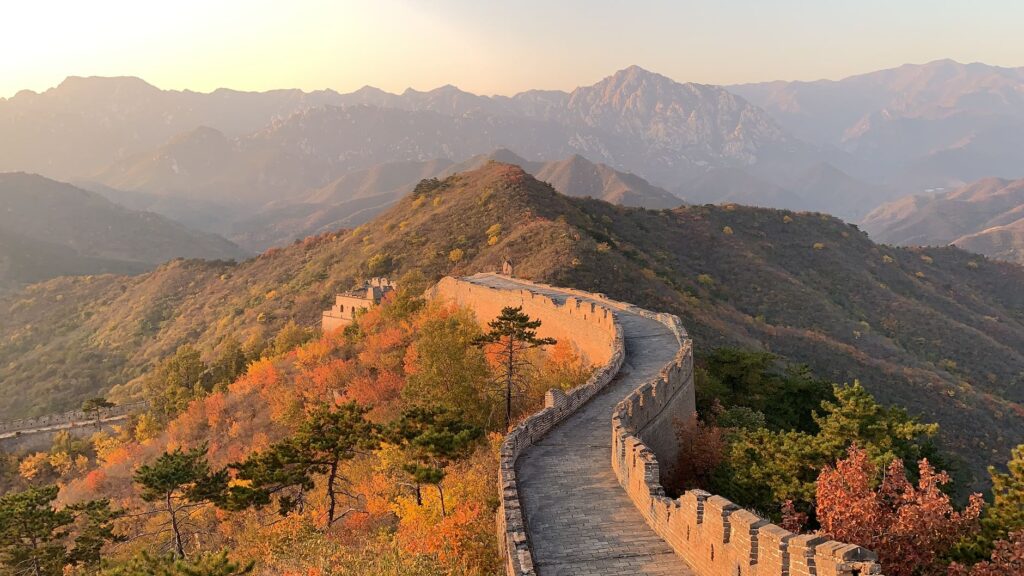
Jinshanling: The Photographer’s Solitary Paradise
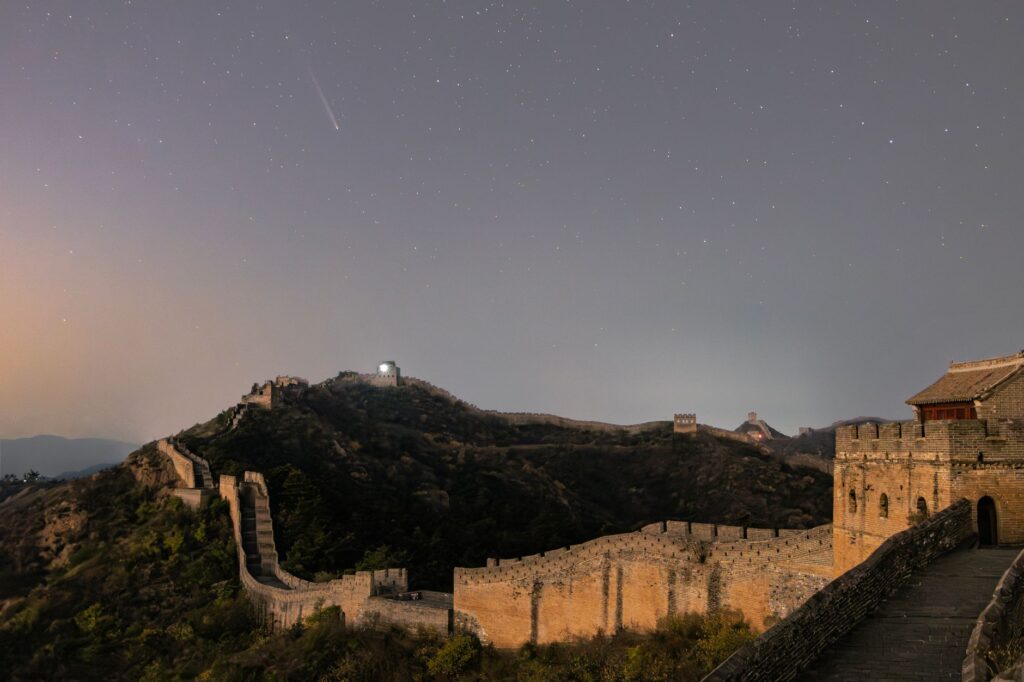
If asked which section is the most photogenic and tranquil, the answer is always Jinshanling. Located about 150 kilometers from Beijing, this section is famous for its unique watchtowers and varied architecture. Unlike Mutianyu, Jinshanling is only partially restored, giving it a patina of authenticity and melancholy that is hard to find elsewhere. Here, the wall follows the mountain ridges with an almost organic elegance, offering ‘stone snake’ perspectives that seem to have no end.
To see Jinshanling empty, the ideal approach is to stay overnight in the nearby village or in accommodations at the foot of the wall. This allows access to the stretch during sunrise or sunset, moments when the sun bathes the bricks in a deep golden hue and long shadows emphasize the texture of the stone. Walking through Jinshanling at six in the morning, with mist rising from the valleys, is one of the most powerful experiences a traveler can have in China. You are very likely to be the only person for miles, allowing you to reflect on the magnitude of the human effort required for this construction.
Jiankou: The Raw Beauty of the Wild Wall
For the most adventurous, Jiankou represents the ultimate challenge. This section has not been restored and lies in a state of majestic ruin. It is known as the ‘Wild Wall.’ Here, there are no cable cars, no souvenir shops, and no safety railings. The ascent is steep and, in some spots, requires the use of hands to scramble over crumbling steps and sharp inclines. Jiankou is dangerous, but its beauty is incomparable: nature has begun to reclaim the structure, with trees growing in the middle of towers and roots embracing stone foundations.
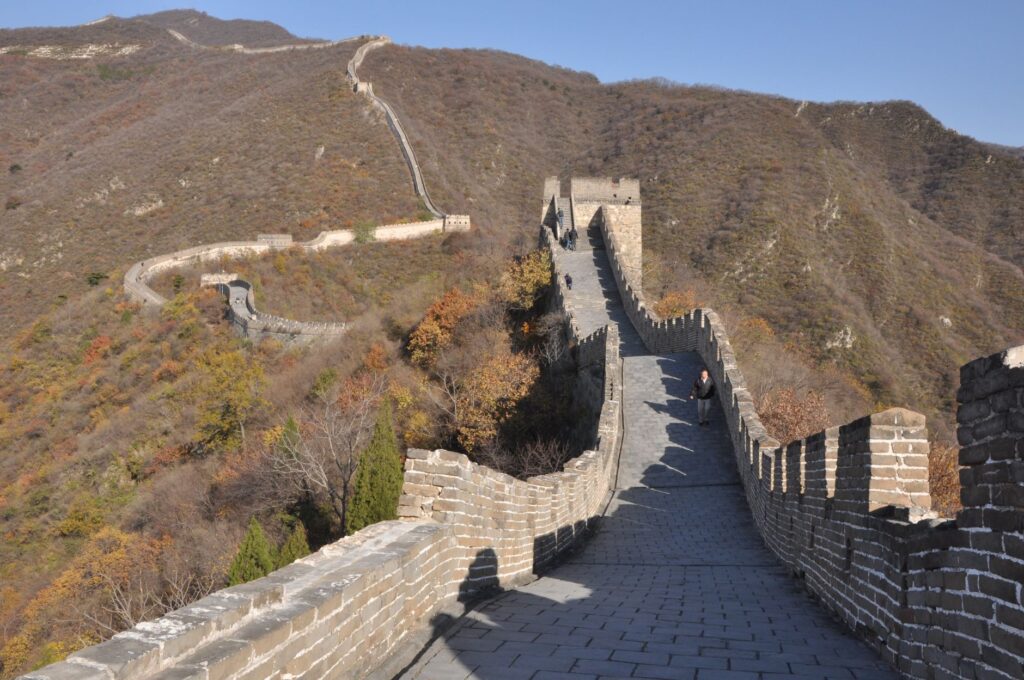
Exploring Jiankou requires proper physical preparation and, preferably, a local guide. The stretch connecting Jiankou to Mutianyu is particularly famous for offering the best of both worlds: the adrenaline of the wild and the safety of the restored at the end of the journey. Walking through Jiankou, you become a silent witness to the decay of an empire. It is the place where history feels most palpable, stripped of any modern artifice. It is undoubtedly the place where you will find the fewest tourists, as the physical exertion acts as the most effective defensive barrier.
Advanced Logistics: Navigating on Your Own
Reaching the remote sections of the Great Wall without depending on an organized tour is easier than it seems, thanks to modern technology. The Alipay app is not just for payments; it integrates mini-programs for booking high-speed trains and transport services. To go to Jinshanling, for example, you can take a train from Beijing Chaoyang Station to Gubeikou and then a short taxi ride. Another popular option among solo female travelers is hiring a private driver for the day through forum recommendations or apps like Didi (the Chinese equivalent of Uber).

Having a private driver grants you total freedom over your schedule. You can ask them to pick you up at 4:30 AM to reach the wall before sunrise—something no tour bus will ever do. Furthermore, many local drivers know lesser-known access points and can provide valuable information about weather conditions or temporary maintenance closures. It is an investment worth making to guarantee a stress-free and fully personalized experience.
Culture and Respect: Tourism’s Impact on Heritage
Visiting the Great Wall carries an ethical responsibility. In unrestored sections like Jiankou, the impact of human footfall is much more severe. It is vital to follow ‘Leave No Trace’ principles: do not take stones, do not leave graffiti, and pick up any litter. Erosion is the wall’s greatest enemy, and uncontrolled tourism accelerates this process. By choosing less-visited sections, you also contribute to distributing the economic weight of tourism to rural communities that are often left out of the benefits of Beijing’s major tourist hubs.
«The conservation of the Great Wall does not depend solely on the government, but on the sensitivity of every step we take upon its thousand-year-old bricks.»
Interacting with the inhabitants of the villages near the wall enriches the experience. Many families have lived in the shadow of these stones for generations and offer simple but cozy accommodations. Trying local cuisine, such as river trout or mountain dishes, is a way to connect with the living culture that still surrounds this historical monument. The wall is not just a barrier; it is a cultural ecosystem that deserves to be respected and preserved.
Practical guide
- Best time to visit: Spring (April-May) for cherry blossoms and Autumn (October-November) for golden foliage. Avoid the ‘Golden Week’ in October and Chinese New Year at all costs.
- Connectivity: Download a reliable VPN before entering China to access your social media and Google maps. However, Amap (Gaode Maps) is much more accurate within the country.
- Payments: China is a nearly cashless society. Set up Alipay or WeChat Pay by linking your international card before you arrive.
- Gear: Hiking shoes with good grip, even for restored sections, as the steps can be extremely slippery. Bring plenty of water, especially in Jinshanling, where services are scarce.
- Visas: Check current requirements; many countries now have 15-day visa exemptions for tourism in China.
The Last Ray of Sun on Eternal Stone
At the end of the day, when the sun begins to dip behind the mountains of Hebei and shadows lengthen over the wall’s relief, a nearly mystical phenomenon occurs. The stone seems to absorb the light, giving back a warm glow that transports you to past centuries. In that moment of absolute solitude, perched on a watchtower that has survived invasions, earthquakes, and the relentless passage of time, you realize that the Great Wall is not a destination to check off a list, but a place to feel human smallness in the face of history.
That sense of peace, of being the sole spectator of a sleeping giant, is what makes the effort to avoid the crowds worthwhile. It is not just about a photo without people; it is about reclaiming the capacity for wonder in an increasingly saturated world. As you descend from the wall under the first stars, you take with you not just images, but the profound silence of one of humanity’s greatest feats. The Great Wall awaits you, and if you know how to look, it will welcome you alone.
Source: Solo Female Adventure Travel & Itineraries | My Life’s a Movie