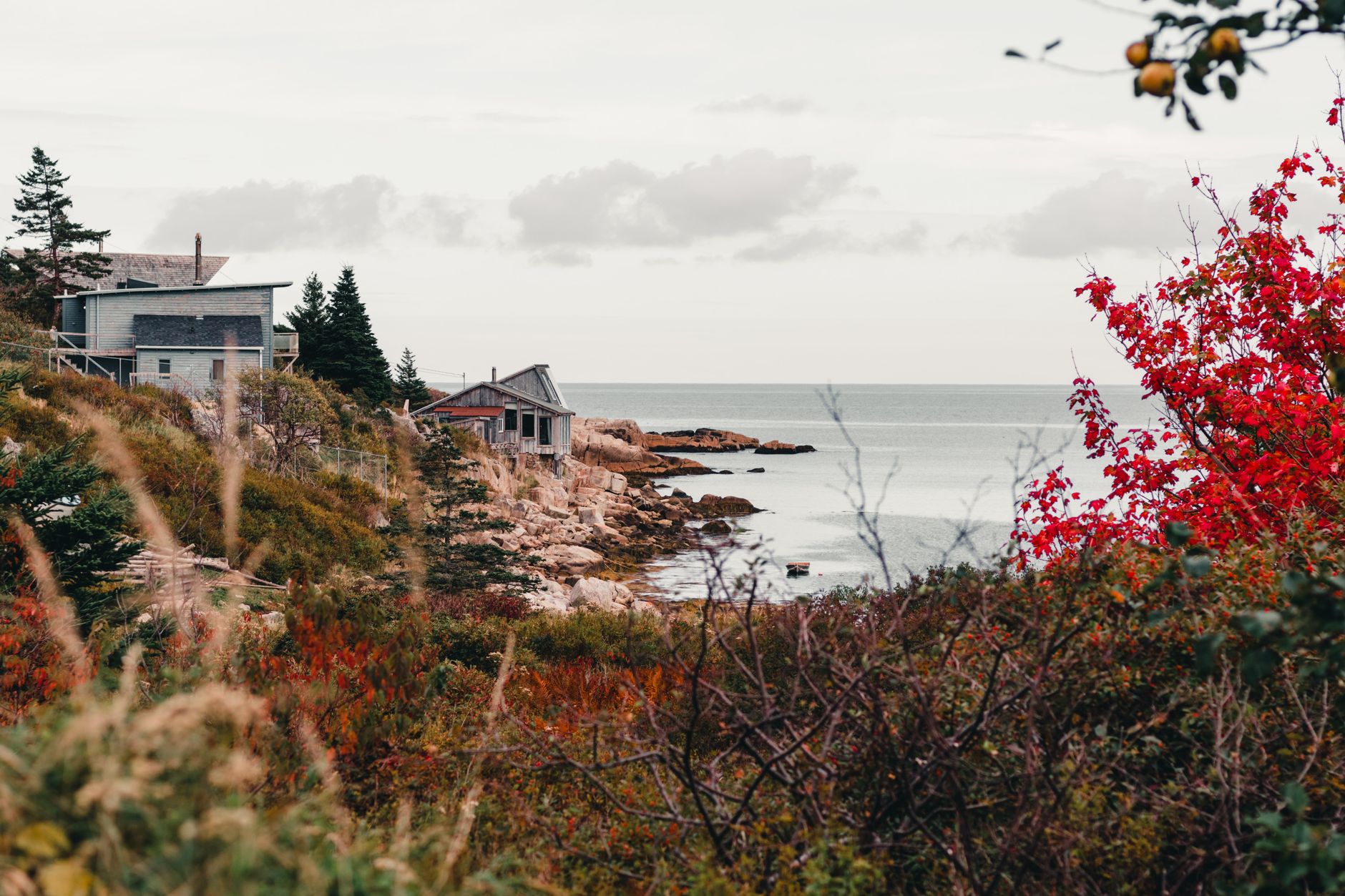

Autumn on the Atlantic coast of the United States possesses an almost cinematic quality, a moment when crisp northern air transforms landscapes into living canvases of deep reds, rich ochres, and vibrant yellows. Traveling northward, beyond the bustling urban centers of New England, leads inexorably toward the state of Maine, historically known as the Pine Tree State. Far from being a mere seasonal getaway, immersing oneself in Maine during September and October offers a profound dive into a unique cultural identity where life revolves around the sea, artisanal fishing, and the preservation of exceptional architectural and natural heritage.
Through experiences as memorable as a boat excursion for lobster harvesting, the contemplation of centuries-old granite lighthouses defying the tides, and the delight of driving along winding secondary roads bordered by endless forests, this destination proves it is working tirelessly to welcome the curious traveler. The proposition shuns mass tourism in favor of a measured pace, respectful of nature’s cycles and deeply rooted in the authenticity of its coastal communities.
The awakening of the Pine Tree State in the golden season
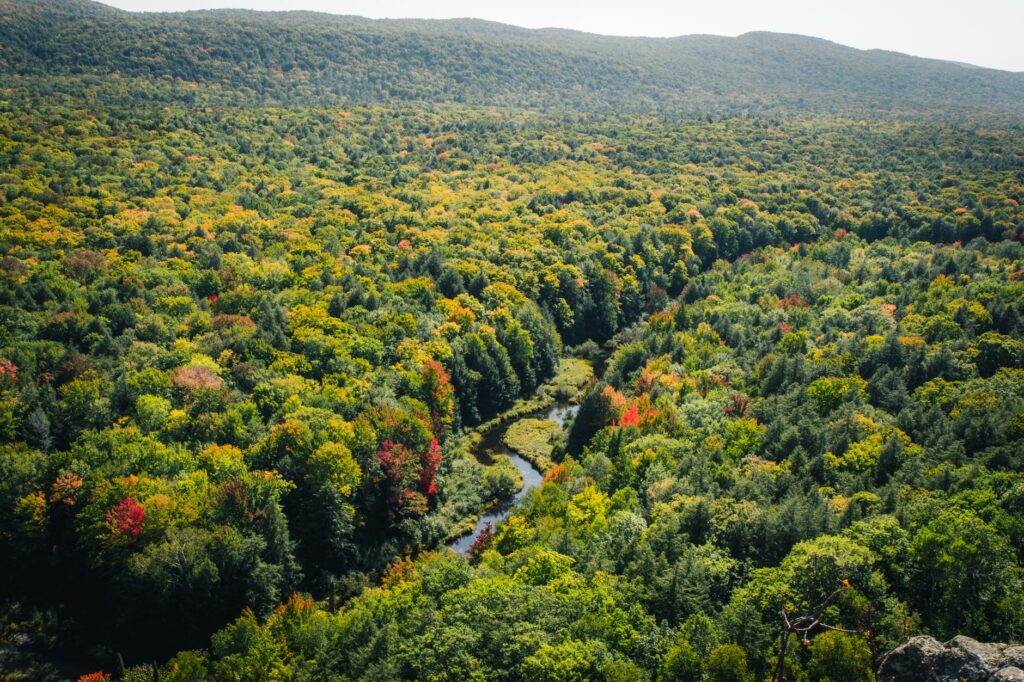
As temperatures begin to drop perceptibly, Maine undergoes a radical metamorphosis affecting both its geography and the mood of its inhabitants. The dense forests of fir, maple, and beech covering much of the territory begin to dress in blazing hues, a botanical phenomenon driven by cold nights and sunny days that attracts naturalists and photographers worldwide. This visual spectacle is far from static; it advances relentlessly from the northern and higher-altitude regions toward the southern coast, creating a wave of color that completely redefines the experience of traveling through the state.
For the traveler seeking something beyond a pretty postcard, autumn represents the perfect moment of transition. The massive influx of summer tourists fades away, leaving space for an atmosphere of reflective tranquility. Small coastal towns recover their daily pulse, allowing for genuine conversations with fishermen, artisans, and innkeepers who proudly guard the traditions of their ancestors. It is within this context that Maine’s true essence reveals itself without artifice, showing a hospitality forged by rigorous winters and an unbroken connection with the Atlantic Ocean.
Navigating cold waters: The lobster fishing experience
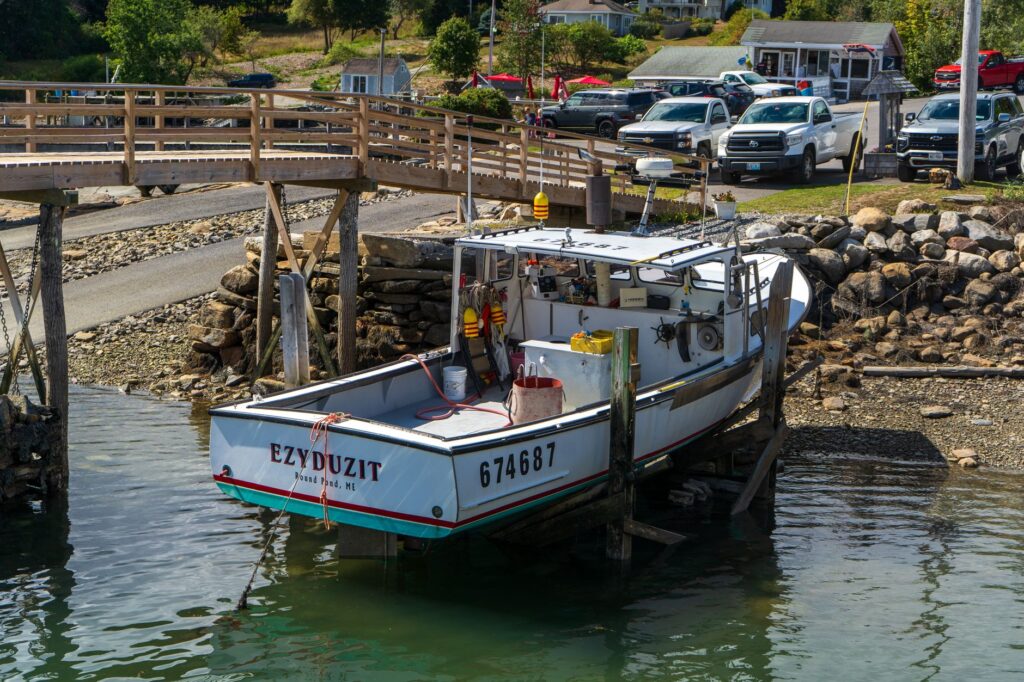
No trip to Maine can be considered complete without delving into its most iconic maritime culture: lobster fishing. Aboard traditional wooden vessels converted for tourism, visitors have the opportunity to accompany local lobstermen in their daily work. These professionals, heirs to knowledge passed down through generations, handle submerged traps with millenary precision, respecting strict environmental regulations designed to guarantee species sustainability.
During the voyage, the scent of salt mixes with sea breezes while learning about the delicate marine ecosystem of the Atlantic coast. Watching heavy traps hauled up, marketable catches selected by size, and breeding females or young specimens returned to the water offers a masterclass in environmental management and respect for the natural world. The experience usually culminates with a tasting of freshly cooked seafood on board, a culinary adventure transcending simple eating to become a tribute to human labor and ocean bounty.
The sea in Maine is not merely a landscape contemplated from the shore, but the invisible engine setting the rhythm of life, economy, and character for all its people.
Sentinel lighthouses: Guardians of the rocky coast
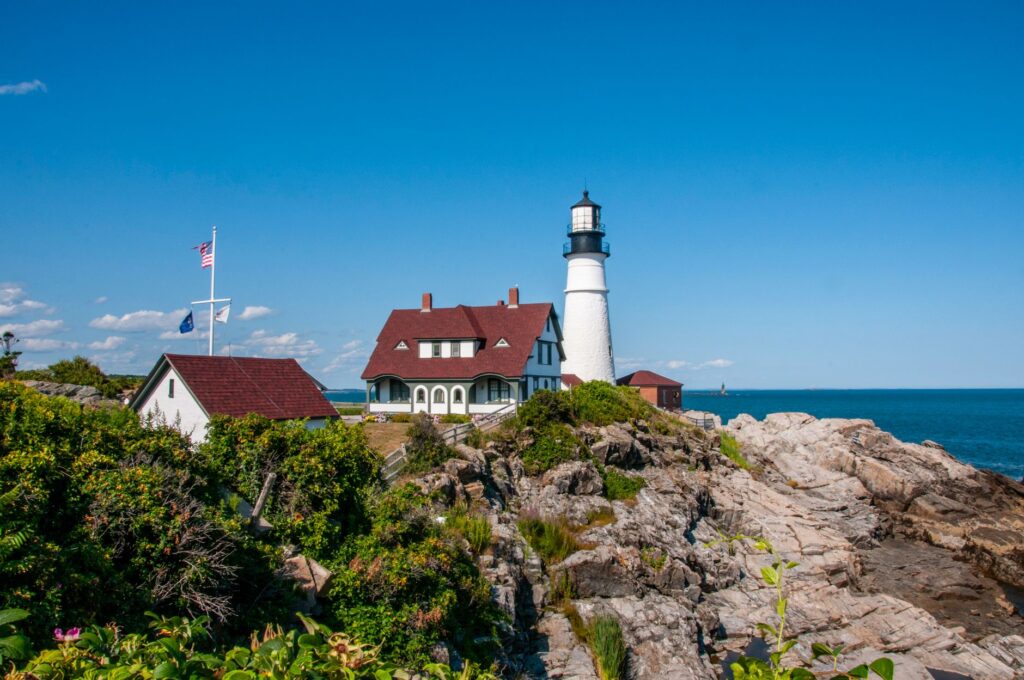
Maine’s coastline, carved by thousands of islands, bays, and inlets, has historically been among the most dangerous for navigation on the American continent. Responding to this unforgiving geography, dozens of lighthouses were erected over the centuries, functioning today as authentic monuments to human resilience. Iconic structures like the Portland Head Light, perched upon granite cliffs battered by waves, symbolize architectural elegance combined with a vital safeguarding function.
Visiting these historic towers in autumn acquires a uniquely melancholic and photographic dimension. The golden sunset light striking white walls and red lanterns contrasts dramatically with the dark blue ocean and mainland multicolored foliage. Many of these lighthouses house small museums displaying old Fresnel lenses, keepers’ diaries, and tales of heroic rescues on stormy nights, allowing visitors to understand the profound isolation and courage required by those who inhabited these solitary outposts.
Vernacular architecture and the pulse of seafaring towns
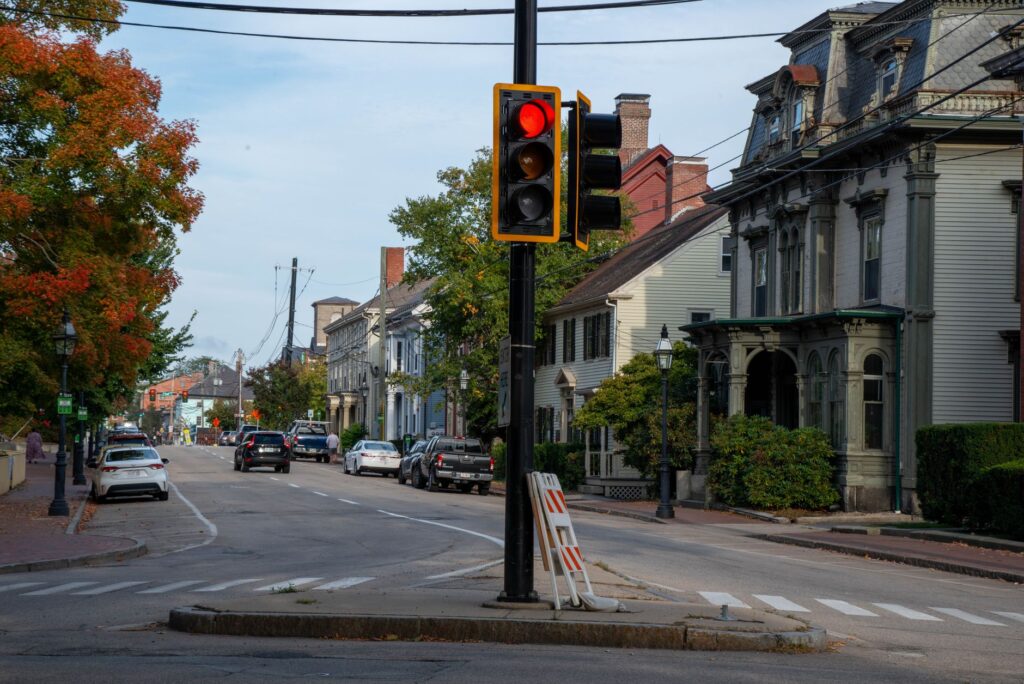
Strolling through towns like Kennebunkport, Camden, or Bar Harbor is stepping into a living museum of maritime architecture from the 18th and 19th centuries. Whaling captains’ mansions, built in impeccable Federal and Greek Revival styles, coexist harmoniously with red brick warehouses converted into art galleries and antique shops. Tree-lined streets, covered by a crisp carpet of fallen leaves, invite aimless walking, uncovering small cafes serving wild blueberry pie and artisan bakeries.
This urban fabric remains extraordinarily well-preserved thanks to coordinated efforts by local communities and historic preservation organizations. These are not artificial film sets for tourism, but inhabited spaces where community life still revolves around market squares, public libraries, and fishermen’s docks. The integration between rugged natural surroundings and respectful human intervention defines a landscape model where beauty lies precisely in the simplicity and functionality of its forms.
Flavors of the land: The autumn gastronomy of New England
Maine cuisine in autumn is a direct reflection of the local larder, marked by seasonality and proximity of ingredients. Beyond the ubiquitous lobster, the months following summer bring an explosion of flavors linked to the land and interior forests. Farmers’ markets overflow with crisp apples, multiple varieties of squash, root vegetables, and, of course, Maine’s famous wild blueberries, small yet intensely flavored berries starring in everything from artisan jams to traditional pies.
Historic taverns and farm-to-table restaurants harness this seasonal abundance to craft comforting menus. Thick and creamy seafood chowders, small game stews, freshly pressed apple cider, and stone-oven-baked rye breads compose a culinary offering designed to combat evening chill. Eating here is an act of cultural connection, allowing visitors to understand how geography and climate shape local dietary preferences.
The true wealth of a journey is measured not by places visited, but by the capacity to tune into the silent, deep rhythm of the land welcoming us.
Practical guide
Planning a trip to Maine during the autumn season requires understanding the region’s climatic and logistical particularities to maximize the experience.

- When to go: The peak of the fall foliage varies by latitude, typically occurring in late September in the north and mid-October along the southern coast.
- How to get there: Portland International Jetport (PWM) is the most convenient gateway for the south-central coast, while Boston Logan International Airport (BOS) offers broader international flight options about a two-hour drive from the state line.
- Transportation: Renting a car is absolutely essential to navigate scenic secondary roads (like Route 1) and access remote lighthouses and fishing villages.
- Accommodation: Historic inns and bed and breakfasts offer the most authentic lodging experience, though booking several months in advance is necessary due to high seasonal demand.
- Recommended clothing: Layering is key as weather changes rapidly. Windproof waterproof jackets, comfortable footwear for walking on rocks and trails, hats, and lightweight scarves are indispensable.
- Environmental respect: Obey fishing regulations, leave no trace in natural parks, and support local businesses and producers during your purchases.
Final reflection on the Atlantic horizon
Bidding farewell to Maine at journey’s end leaves a lasting sense of serenity and wonder. Unlike destinations saturated with artificial stimuli, this northern corner of the United States offers a scarcer luxury: time to contemplate, listen, and feel. The crunch of leaves underfoot, the intermittent flash of a lighthouse in the gloom, and the salty taste of the sea shared on a wooden deck become indelible memories accompanying the traveler long after returning to everyday routine.
Source in: Oneika the Traveller