The Latent Pulse of Commercial Modernism in Baix Camp
There are cities where architecture is not merely an exercise in aesthetic contemplation, but the living container for a way of understanding subsistence and human exchange. Reus, capital of the Baix Camp region in Tarragona, distills this essence in every cobbled corner. Beyond being the universal birthplace of the visionary architect Antoni Gaudí, this town has maintained for centuries an undeniable mercantile vocation that finds its highest earthly expression beneath the iron and exposed brick structures of its main market. Walking through its surroundings in the early morning hours is to witness a ritual where agricultural heritage and urban modernity converse without friction.
The Central Market building is not simply a provisioning point; it represents the stony testament of an ambitious bourgeoisie that understood food deserved a temple worthy of its economic and cultural value. The morning light filtering through the tall windows illuminates the marble counters where generations of shopkeepers have kept the flame of local commerce alive. Here, time seems governed by the cycle of the seasons and by the inherited wisdom of those who tilled a demanding land, capable of offering produce of exceptional quality thanks to the unique combination of the Mediterranean breeze and the protection of the pre-coastal mountain ranges.
The Generous Land: Hazelnuts, Almonds, and the White Gold of the Riverbank
If there is one element that defines the historical pantry of Reus and its region, it is the dried fruit and nut sector, with special mention of the Protected Designation of Origin hazelnut and the native almond. During the nineteenth and twentieth centuries, Reus set global hazelnut prices, becoming the financial epicenter of a global market connecting local fields with the main ports of Europe and America. The modernist warehouses still dotting the urban fabric preserve the memory of those nut barons who amassed fortunes trading in hard-shelled produce that still stars in Catalan pastry-making and avant-garde cuisine.

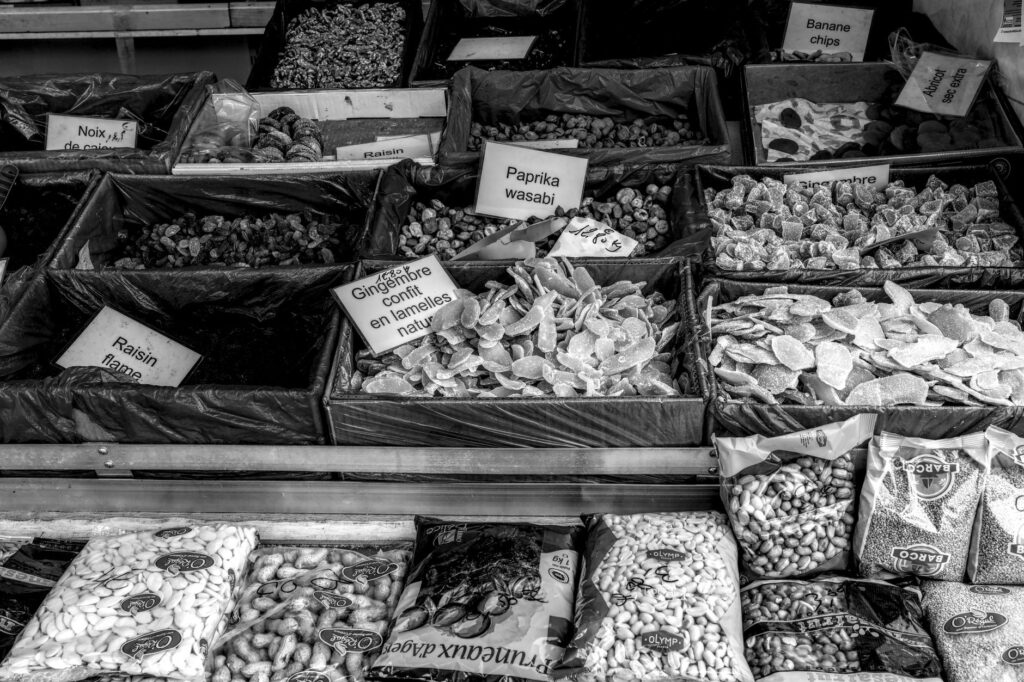
Stepping into the specialized market stalls reveals how the produce is displayed in all its variations: artisanally roasted, raw, in grain, or transformed into pastes and pralines that form an inseparable part of Catalan gastronomic identity. The farmers who come every week to sell their direct harvests preserve an almost extinct botanical knowledge. They know how to distinguish the exact ripening point of the Negret variety, prized for its balanced organoleptic profile and thin skin, ideal for uniform roasting. Conversing with them is an exercise in oral archaeology uncovering the secrets of dry-land farming that defies summer aridity.
Among the Supply Stalls: The Liturgy of Fresh Produce
The interior of the market is a dynamic ecosystem where traditional butchers, fishmongers bringing catches from nearby Cambrils, and gardeners supplying seasonal vegetables to the entire region coexist. The layout of the stalls responds to a natural hierarchy based on freshness and daily rotation. There is no room for advertising fanfare; the quality of the goods speaks for itself through the shine of bluefish skin, the vibrant color of hanging tomatoes, and the deep aroma of cured sausages from inland farmhouses.
The butchers and vendors act as guardians of a collective memory nurtured by mutual trust between buyer and seller. People do not come here merely to check items off a grocery list, but to engage in dialogue on how to cook produce according to the day. Recommendations on cooking times for a traditional sofrito or choosing the ideal cut for a Sunday stew are passed down with the naturalness of those practicing a vocational trade. This direct relationship humanizes the act of consumption, transforming it into a deeply social experience that anchors the neighborhood.

The food market is not just the place where daily sustenance is acquired, but the faithful mirror where a community recognizes its history, its achievements, and its resilience against homogenizing globalization.
The Architecture of Water and Iron: The Constructive Legacy
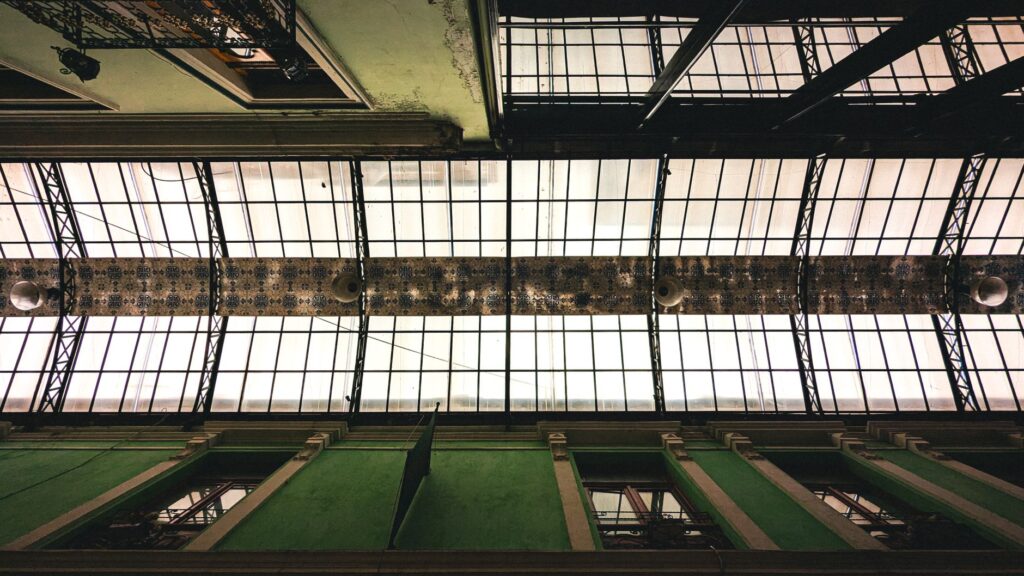
The architectural heritage linked to commerce in Reus constitutes a fascinating chapter of less-crowded Catalan modernism. Unlike major metropolises, construction solutions here addressed very specific practical requirements: constant ventilation of food spaces, ease of surface cleaning, and the optimization of natural light. Engineers and architects of the era equipped markets with advanced technical solutions admired today for both formal beauty and absolute operational functionality.
Exposed metal structures combined with glazed ceramics and facebrick create a unique visual atmosphere transporting visitors back to the late nineteenth century. Every ornamental detail, from forged iron supports to ceramic crestings with plant motifs, pays homage to the fertility of the surrounding countryside. This respect for nature applied to urban design demonstrates an aesthetic sensitivity that remains inspiring today. Touring these halls makes it clear that utility and beauty do not need to walk separate paths, but can merge into a single civil project.
The Culinary Repertoire of Baix Camp: When Simplicity Rises to Art
The traditional cuisine of Reus and its immediate surroundings draws directly from the produce arriving daily at its central market. This is not a gastronomy of complex artifices, but a pantry-based culinary tradition built on the masterful combination of field resources and nearby sea. Paced cooking times, soffits where onions and tomatoes confit for hours, and the generous use of extra virgin olive oil from the Arbequina variety shape a recognizable and robust flavor palette.

Among the most representative dishes are preparations incorporating the picada—that mortar-mushed blend of nuts, garlic, parsley, and fried bread—a technical technique adding density and complexity to fish and meat stews alike. Vegetables from the market gardens of Riudoms or Les Borges del Camp become absolute protagonists of memorable escalivadas, traditionally cooked over direct embers. Likewise, local pastry-making finds its best ambassador in hazelnuts and almonds, resulting in panellets, carquinyolis, and cocas de recapte that summarize the territory’s gastronomic wealth with millimeter precision.
Local Commerce as Cultural Resistance
In an era dominated by impersonal large stores and the immediacy of digital consumption, traditional municipal markets like the one in Reus stand as bastions of cultural and economic resistance. Keeping a food stall open in the twenty-first century implies assuming a business model based on daily demand, personalized service, and a staunch defense of local food sovereignty. Younger vendors taking over generational shifts bring fresh blood without betraying the foundational values of this commerce.
This generational transition guarantees that local varieties of fruits, vegetables, and artisanal preparations do not disappear before agro-industrial homogenization. Shopping at the central market is a conscious act of support for human-scale economics, where every euro invested directly benefits farmers, livestock herders, and artisans of the Baix Camp region. The vitality of these facilities shows that citizens still value human treatment, expert advice, and the certainty of knowing exactly where their table’s food originates.
Sustaining traditional commerce in urban centers is the only effective antidote against commercial desertification and identity loss plaguing our historical cities.
Practical guide
How to get there: Reus boasts excellent transport connections. The city’s train station connects directly with Barcelona via Regional services in approximately one hour and thirty minutes. Likewise, Reus Airport operates various charter and low-cost flights during the summer season, located just ten minutes from the urban center by local bus.
When to visit: The Central Market opens Monday through Saturday mornings, with peak activity and commercial bustle occurring between 8:00 AM and 11:30 AM. To enjoy the city calmly and tour modernist warehouses without crowds, spring and autumn offer optimal weather and local agricultural fairs.
What to buy: Purchasing roasted hazelnuts with a Protected Designation of Origin, Marcona almonds, extra virgin Arbequina olive oil from local cooperatives, and traditional pastry specialties like carquinyolis from Baix Camp artisan workshops is essential.
Where to stay: The historic center of Reus features small boutique hotels and family-run lodgings housed in rehabilitated former stately homes, allowing travelers to explore all modernist heritage and commercial zones on foot without private transport.
The Last Whisper of the Countryside in Noble Stone
As evening falls, when the market’s metal shutters roll down and the buyers’ bustle yields to the silence of noble stone, the city of Reus recovers another cadence. In neighboring streets, café terraces fill with residents discussing daily news while savoring local vermouth—that herbal-infused spirit forming an inseparable part of the town’s festive and social character. It is at this crepuscular moment that the perfect communion between past architecture and everyday life animating it becomes clearest.
Walking slowly through the Raval de Sant Pere or stopping before the undulating facade of Casa Navàs makes it clear that Reus is not a fossilized museum, but a living organism breathing to the rhythm of its traditions. The daily effort of farmers, the rigor of market merchants, and the fidelity of residents to an understanding of gastronomy ensure this legacy endures. Ultimately, the true secret of this industrious land lies in its unyielding capacity to honor the past without renouncing the pulse of the present, transforming each fruit of its soil into an eternal symbol of Mediterranean identity and hospitality.