
The Liquid Artery of Southeast Asia
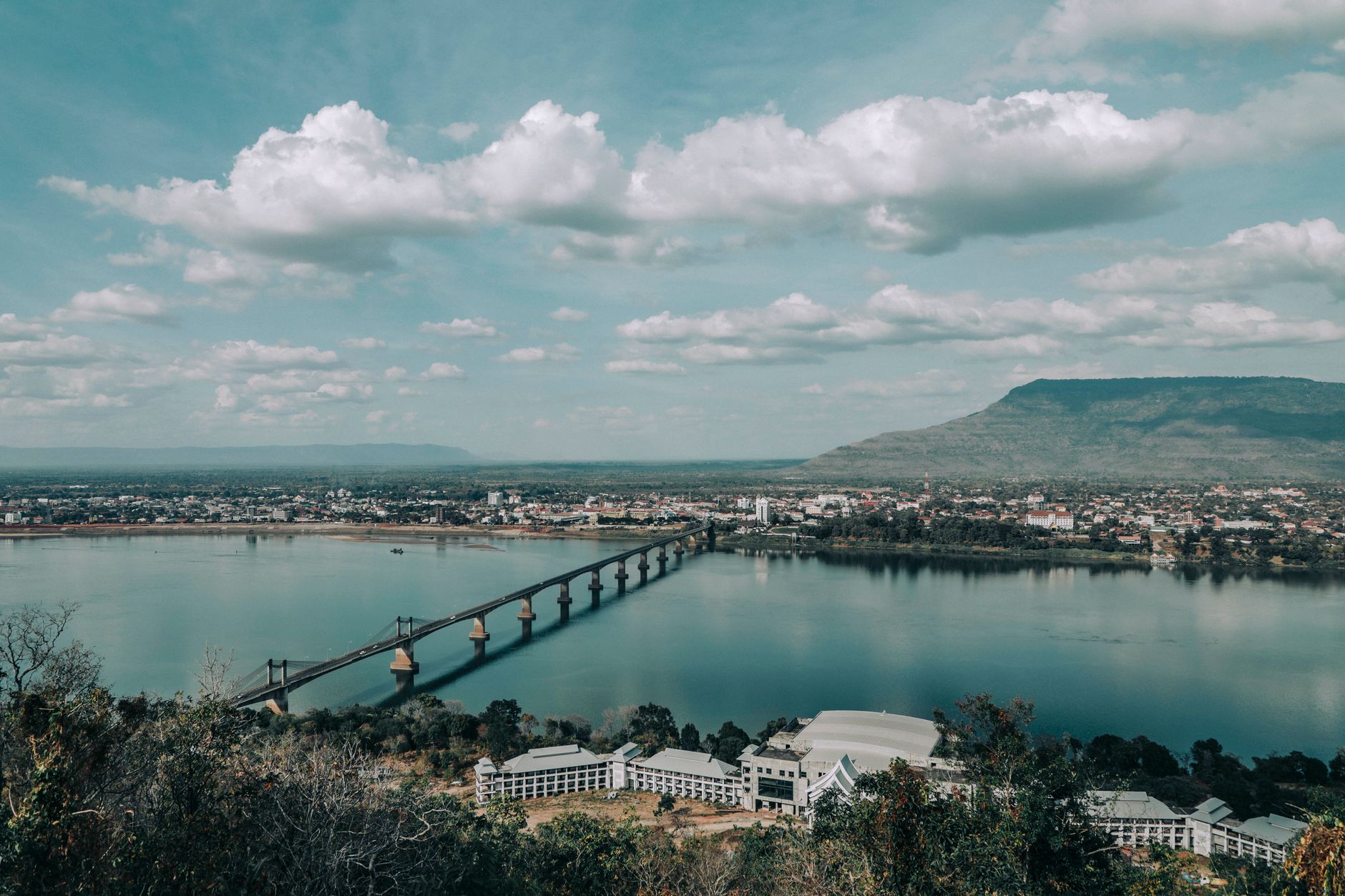
The Mekong River is not merely a geographical feature; it constitutes the backbone upon which civilization, commerce, and transportation have been articulated across the Indochinese Peninsula for millennia. From its headwaters on the Tibetan Plateau to its vast delta in the South China Sea, this monumental waterway structures borders and economies with its own internal logic, entirely independent of modern cartographic boundaries. In the interior section flowing between Laos and Cambodia, river navigation assumes a critical dimension, functioning not as a postcard tourist attraction, but as an indispensable transport infrastructure for the territorial cohesion of communities isolated by dense jungle topography.
Analyzing the current connectivity of this river basin requires a thorough understanding of the complex interaction between seasonal hydrology and mechanical transport means. During the monsoon season, water levels undergo drastic variations that alter navigable channels overnight, forcing local captains to rely on empirical knowledge passed down through generations. This report examines how commercial and passenger navigation routes manage to keep a fundamental logistical artery alive, defying cataracts, basalt gorges, and level fluctuations that would paralyze any other conventional transport system on the continent.
Naval Engineering in Turbulent Waters: The Evolution of the River Fleet
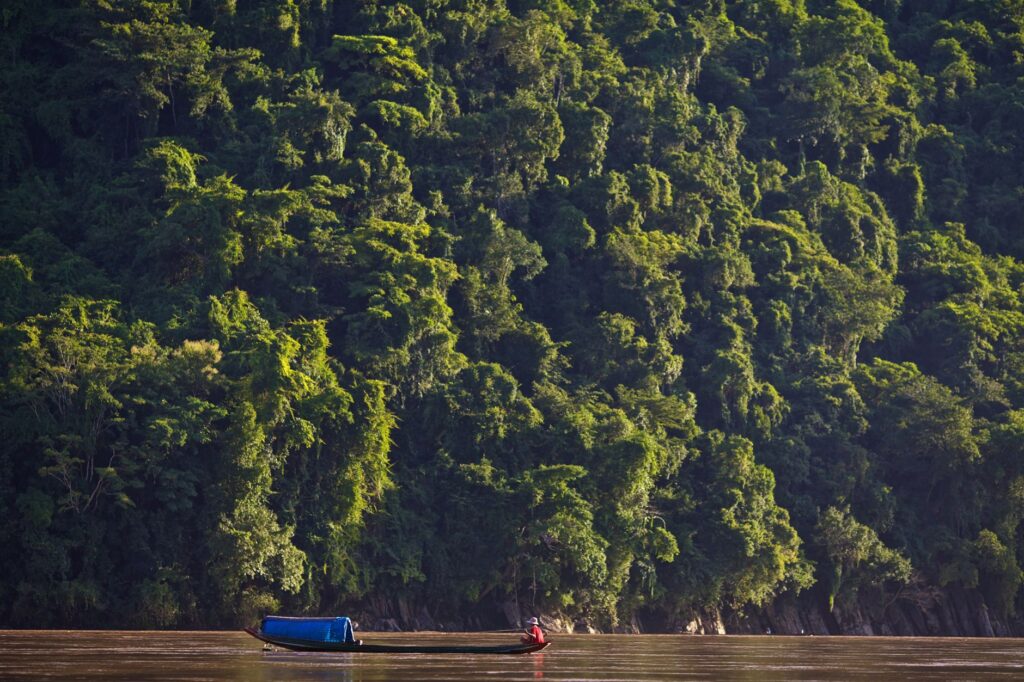
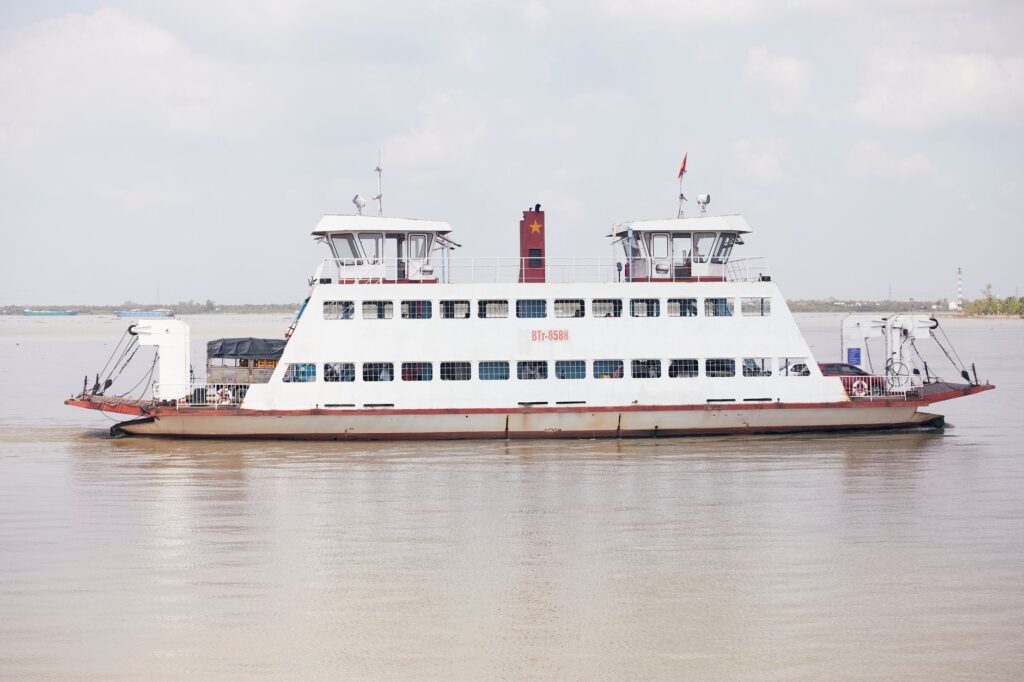
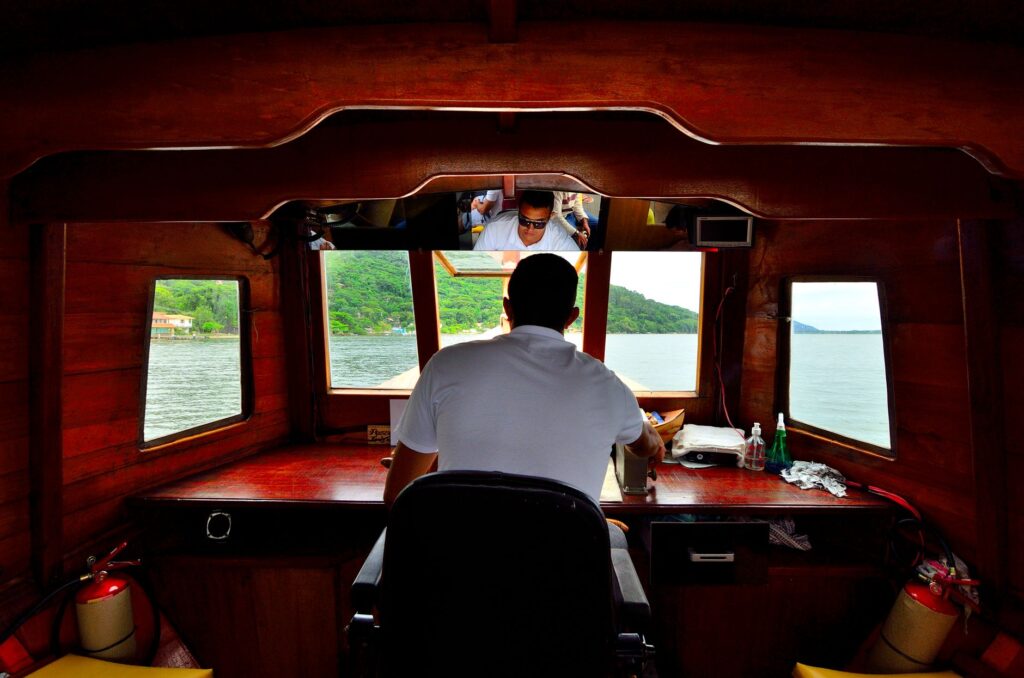
The design of the vessels plying the middle stretch of the Mekong responds to a rigorous physical adaptation to the demands of the environment. Unlike deep-water ferries, traditional passenger and light cargo boats—locally known as slow boats—are built with flexible wooden hulls and low profiles, allowing them to absorb the impacts of hidden sandbanks and maneuver with agility in high-speed cross currents.
In recent decades, the modernization of the fleet has incorporated more efficient propulsion technologies, adapting automotive-grade marine engines that optimize diesel consumption without compromising towing capacity. Artisanal shipyards located on the Laotian riverbanks have perfected the architecture of these craft, reinforcing keels with stainless steel plates to resist the constant abrasion of rocky sediment. This synthesis of traditional riverside carpentry and applied mechanical engineering guarantees the operational continuity of a transport line connecting river ports devoid of concrete docks or automated cranes.
Overcoming the Khone Rapids and Cross-Border Logistics
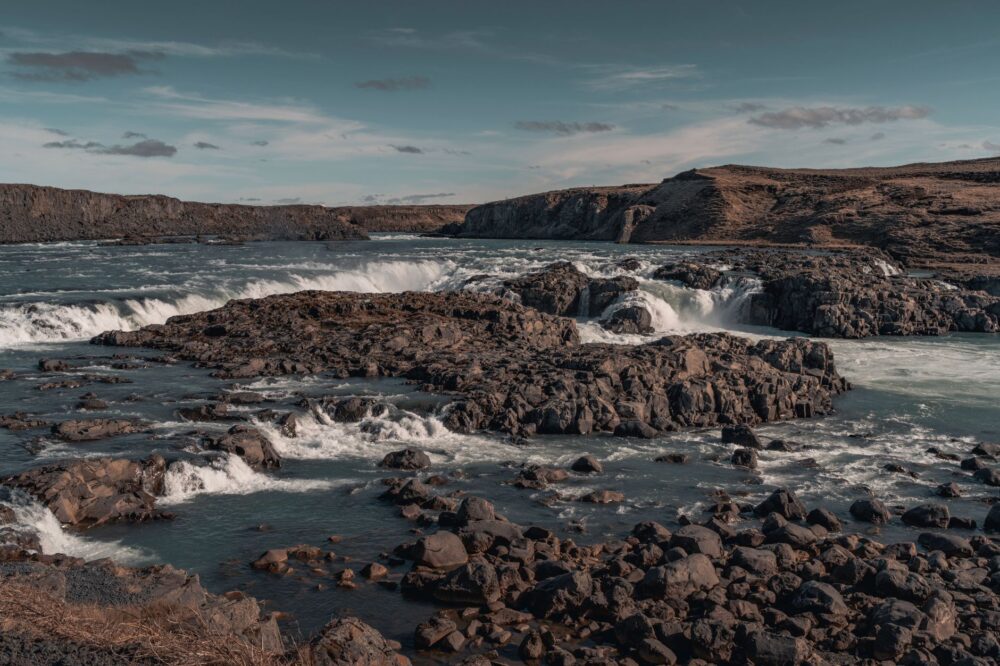
The nerve center and most challenging section of this route is located at the Khone and Pha Som waterfalls in southern Laos, very close to the border with Cambodia. This imposing system of interconnected rapids and waterfalls completely interrupts the continuity of navigation, forcing a highly complex multimodal transshipment.
Historically, this natural obstacle gave rise to the construction of Laos’s first railway line in the early twentieth century, a narrow-gauge system conceived by the French colonial administration to bypass the falls. Today, although those tracks are merely archaeological vestiges engulfed by tropical vegetation, transfer logistics have been modernized through fleets of light trucks and floating walkways that transfer containers and passengers from dock to dock, bridging the elevation difference in a matter of hours and maintaining commercial flow between both nations.
The Seasonal Pulse: Navigability Between Flood and Low Water
The economic and logistical viability of the river route depends closely on the annual hydrological cycle. The Mekong regime is marked by a flood phase, driven by Himalayan snowmelt and monsoon rains between May and October, and a severe low-water period lasting from November to April.
During the dry season, the water level drops drastically, exposing sharp bedrock and mudbanks that narrow navigation channels into tight corridors. In these critical months, port authorities in Laos and Cambodia deploy mobile buoyage equipment—consisting of artisanal buoys and solar-powered lights—to mark safe detours. Piloting precision thus becomes an exercise in high seamanship, where any miscalculation can strand a vessel for days in remote areas lacking telecommunications coverage.
Managing Mixed Cargo: Passengers, Freight, and Local Supply
Unlike purely tourist routes, scheduled Mekong liner boats operate under a mixed-cargo model that is vital to the region’s subsistence economy. On a single deck, sacks of rice, motorcycles, construction materials, small livestock, and local travelers travel side by side with international backpackers.
This logistical versatility requires a meticulous weight distribution aboard to maintain hull stability in turbulent waters. Captains personally supervise stowage, balancing dense cargo in the lower hold and placing lighter goods on the upper deck. For villages located along gorges without paved roads, this river service represents the sole umbilical cord to the regional markets of Luang Prabang, Pakse, or Stung Treng.
Port Infrastructure and the Impact of Hydropower Dams
The modernization of river transport on the Mekong faces not only natural challenges but also profound anthropogenic transformations. The massive construction of upstream hydropower dams in Chinese territory, as well as ongoing projects in the main stream of Laos, has irreversibly altered the natural flow and sediment load of the river.
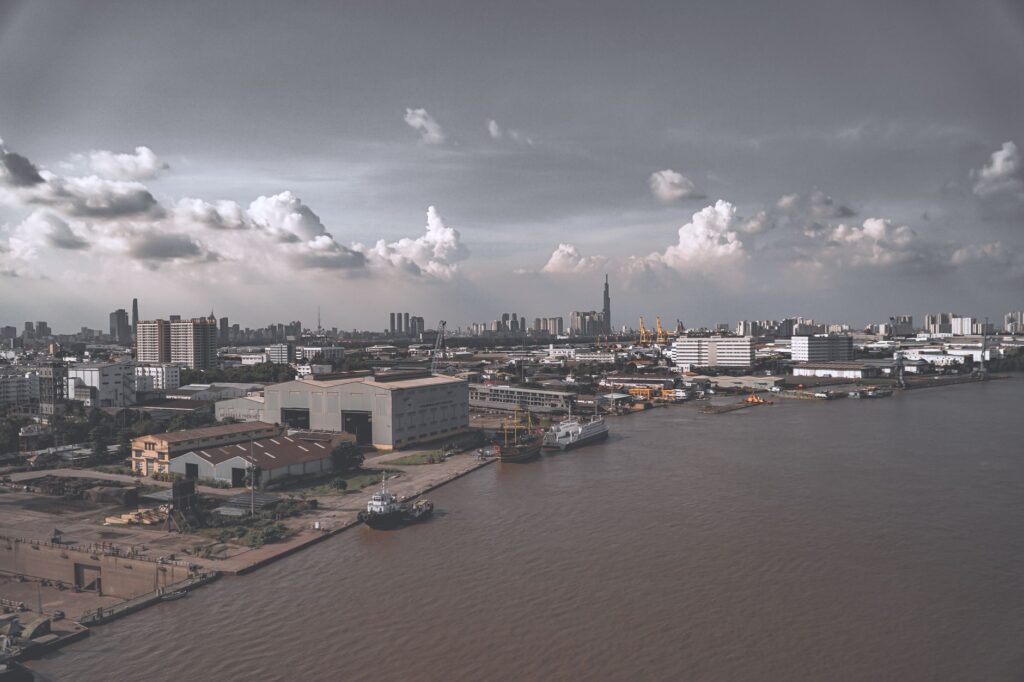
These major engineering works have caused sudden and unpredictable water level fluctuations, disorienting traditional navigators and eroding the slopes of smaller river ports. In response, riparian governments have begun investing in riverbank stabilization and the construction of modular floating docks that can rise and fall in solidarity with water levels, ensuring safety in handling heavy freight under a new hydrological paradigm.
Operational Safety and Navigation Protocols in the Upper Mekong
Ensuring safety in a cross-border river corridor of over a thousand kilometers requires rigorous multinational coordination. Joint river security patrols involving police forces from Laos, Cambodia, Thailand, and China regularly monitor the channel to prevent smuggling and ensure the free movement of merchant vessels.
Likewise, onboard safety standards have evolved markedly. Although the exterior aesthetics of the boats retain their traditional character, current regulations mandate the installation of global positioning systems (GPS), long-range VHF radio equipment, and certified life jackets in proportion to 100% of the passenger capacity. Nautical academies in Vientiane and Phnom Penh run specific river piloting courses to certify captains in reading high-speed currents and emergency maneuvering in the event of collisions with semi-submerged objects.
The Human Factor: Riverside Communities and Amphibious Cultures
The river is not a path to be crossed; it is the dynamic ground upon which the daily existence of entire peoples is founded.
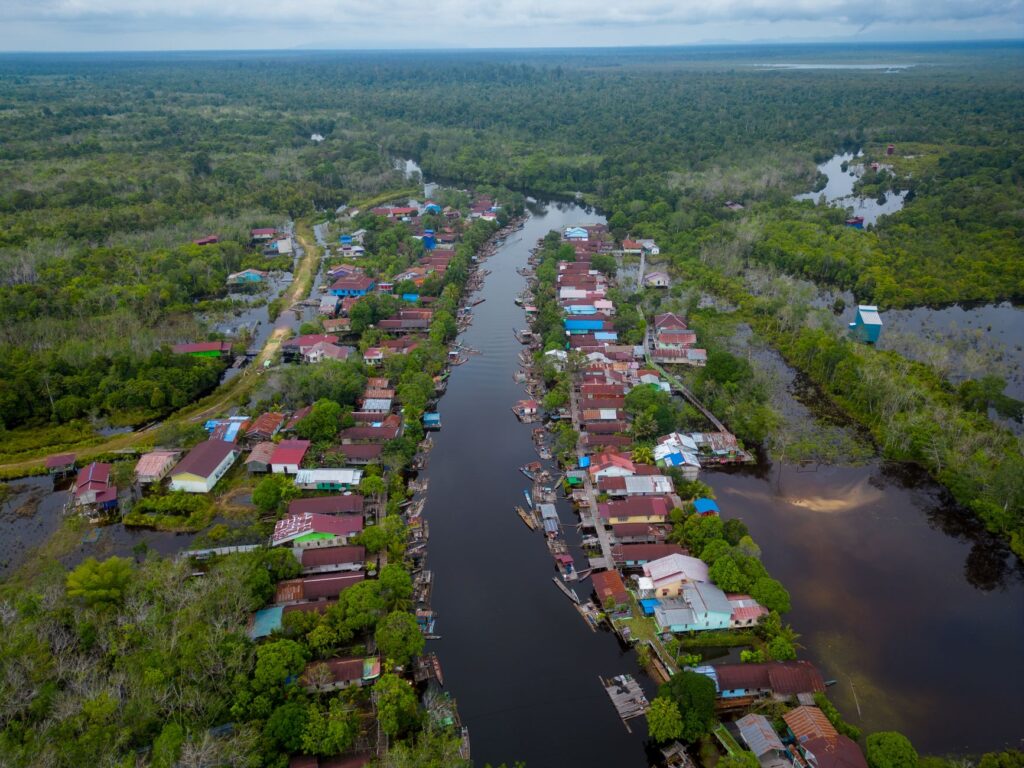
Beyond its logistical value, the Mekong sustains a rich mosaic of ethnic communities—such as the Lao, Khmu, and Hmong—whose material and spiritual culture is inextricably linked to the water regime. Riverside settlements are structured around river terraces, utilizing stilt houses designed to withstand annual floods without suffering structural damage.
The domestic economy of these families combines artisanal subsistence fishing with small-scale commerce of agricultural products grown in the fertile alluvial floodplains emerging during low water. The daily arrival of the scheduled boat is not merely a logistical event, but the primary social occasion of the day, the moment when news is exchanged, basic medical supplies are received, and local harvest surpluses are commercialized.
Practical guide
How to get there
The main access to the northern river route is through Luang Prabang International Airport (LPQ) in Laos, or by flying into Phnom Penh (PNH) in Cambodia for the southern stretches. From the airports, land transport services connect directly with public vessels and commercial ports.
Documentation and visas
A passport with a minimum validity of six months is required. Both Laos and Cambodia offer Visa on Arrival systems and electronic visas (E-visa) processed in advance through their official immigration platforms. It is advisable to carry several passport-sized photographs and cash US dollars in mint condition for fee payments.
Best time to visit
The period between November and February offers the most stable weather conditions, with moderate temperatures and a river flow that allows safe navigation without the extreme floods of the monsoon or the severe spring drought.
Safety and health
Comprehensive international travel insurance covering medical evacuation from remote areas is essential. Malaria prophylaxis and up-to-date vaccinations against hepatitis A and tetanus are recommended. Aboard vessels, strict compliance with life jacket safety rules is mandatory.
Fluvial Epilogue: The Silence of Twilight Waters
As the sun sets over the Indochinese horizon, dyeing the water an intense copper hue, the Mekong regains an ancestral serenity that contrasts with the intense logistical activity of the day. At that precise moment, the engines of the liner boats silence their mechanical roar, and the vessels tie up to wooden posts driven into the muddy bank. Riverside families light the first kerosene lamps in their stilt houses, while the water continues its millennial journey toward the sea, carrying the sediments that have built and unmade empires across the centuries. This unfathomable flow remains the truest testimony of a geographical resilience where human mobility does not seek to dominate nature, but to learn to flow with it in a delicate and perpetual balance.