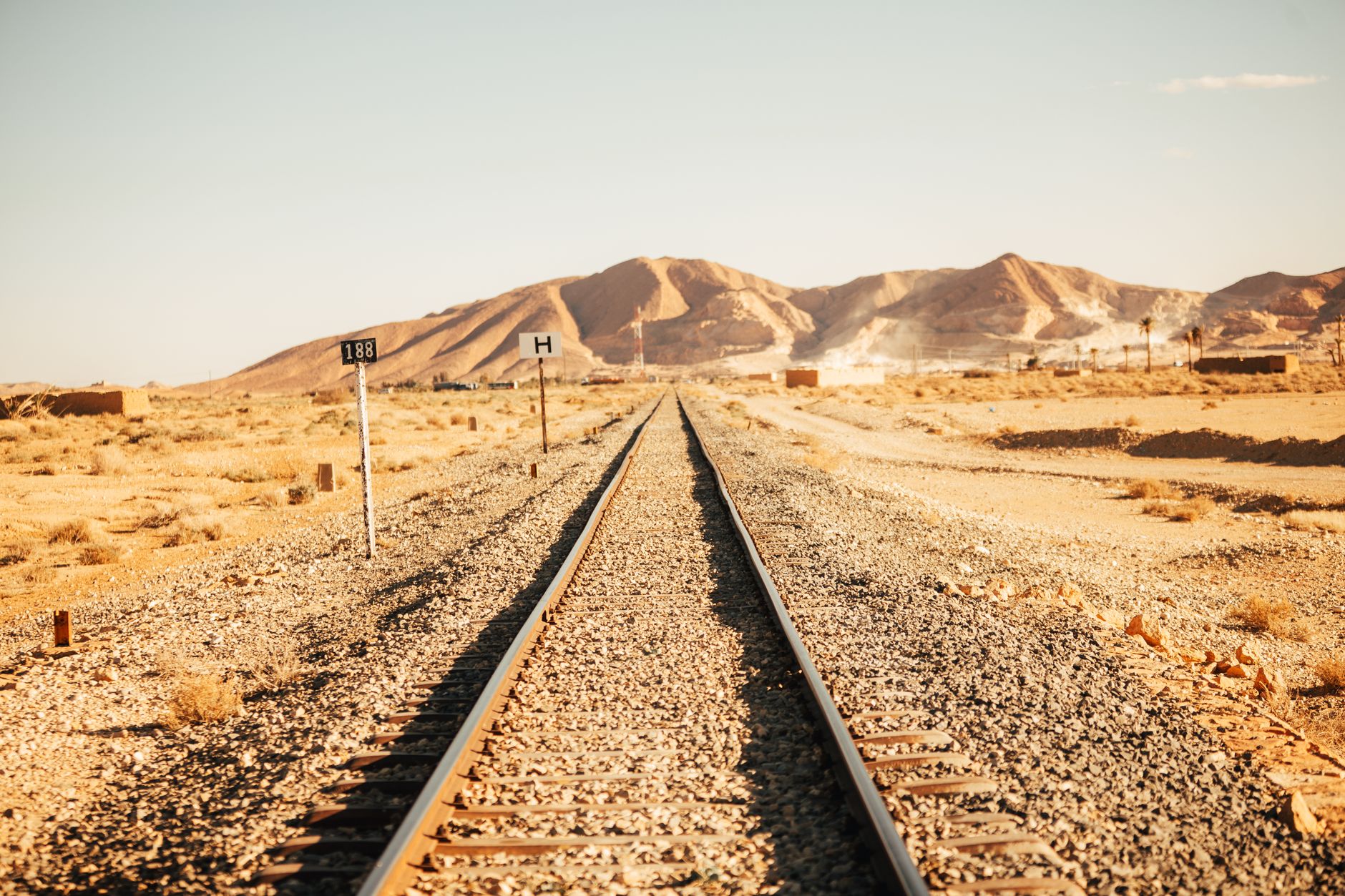

In the arid expanse of northwestern the Arabian Peninsula, where the horizon fragments into copper-toned dunes and endless basalt plateaus, the silhouette of a dead rail line defies the laws of time. The Hedjaz Railway was not merely an ambitious early 20th-century engineering feat driven by the Ottoman Empire, but a vital artery designed to connect Damascus with the holy city of Medina. Today, journeying through its remnants involves plunging into a complex logistical odyssey of geographic isolation, where the remains of German steam locomotives rest beneath an unforgiving sun, transformed into mute monuments to human effort under extreme conditions.
The original infrastructure, erected between 1900 and 1908 with predominantly Muslim capital and international technical direction, represented a milestone in overcoming relentless geographic barriers. Far from coastal trade routes, the railway alignment had to carve a path through limestone canyons, dry lava plains known as harrat, and shifting sand expanses where every steel sleeper constituted a logistical victory. This report examines the current state of this network, the conservation challenges facing regional heritage authorities, and the complex web of land transport and modern road connections that today allow travelers to approach this historic desert sanctuary.
The Genesis of Steel in the Sand: Ottoman Engineering and Geopolitics
The construction of the Hedjaz Railway responded to a dual strategic and religious urgency. On one hand, Sultan Abdul Hamid II sought to consolidate political control over distant Arab provinces and facilitate troop movements in the face of mounting European colonial pressure. On the other hand, it aimed to alleviate the suffering of pilgrims undertaking the arduous annual journey on foot or in camel caravans, a trek that traditionally claimed thousands of lives due to dehydration, exhaustion, and attacks by Bedouin raiders.
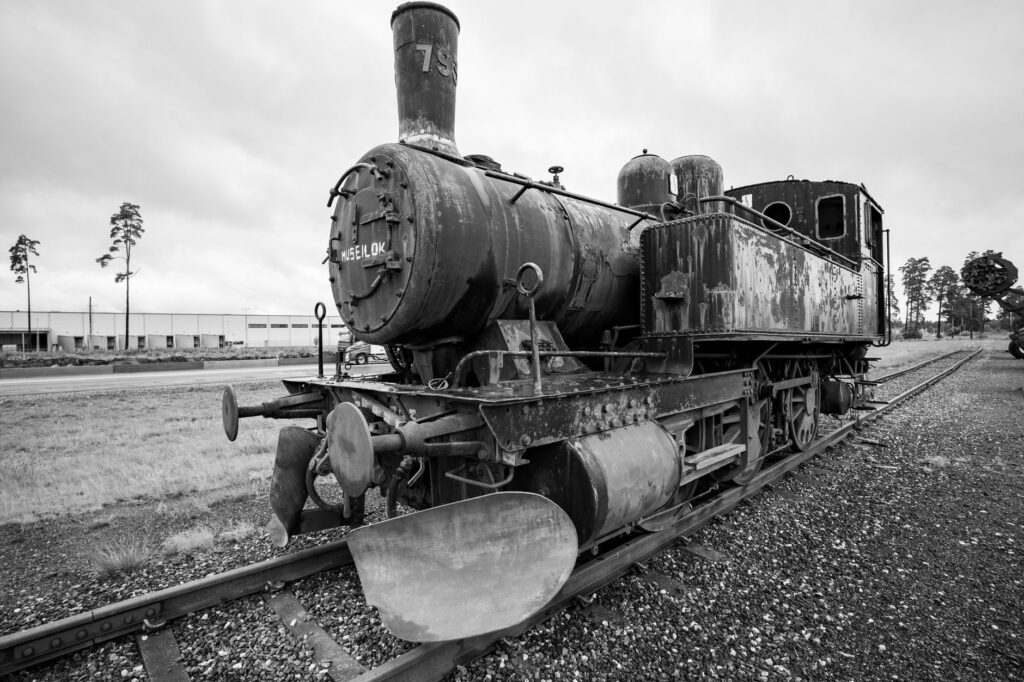
The route deliberately avoided the British-controlled Suez Canal, opting for an interior alignment of more than thirteen hundred kilometers of narrow-gauge track. German, Belgian, and Swiss engineers collaborated on the design, while thousands of Ottoman soldiers and local laborers executed the physical work under stifling temperatures. Each station was conceived as a self-sufficient bastion, equipped with underground water reservoirs, repair workshops, and defensive fortifications to protect coal shipments and vital supplies against tribal incursions.
The Operational Pulse of Ghost Stations in the Northern Saudi Desert
Along the route, locations such as Mada’in Saleh—ancient Hegra and a Nabataean archaeological jewel—acquired a new economic dimension thanks to the passing train. The railway facilities in this area not only served technical provisioning but acted as commercial nodes where goods originating from the Levant were exchanged for products from the Arabian interior. The cut-stone structures, built with a characteristic Ottoman style adapted to the desert climate, still exhibit semicircular arches and vaulted ceilings designed to mitigate extreme heat.
The arrival of German Hartmann steam locomotives marked a revolution in regional transport speed, cutting travel times from forty days by caravan to less than five days on rails. However, this technical splendor was short-lived. With the outbreak of the First World War and the celebrated sabotage actions led by British officers such as T.E. Lawrence alongside insurgent Arab tribes, numerous sections of the line were rendered inoperable, sealing the fate of an infrastructure that would never recover its original commercial functionality.
Contemporary Logistics: How to Access the Vestiges of the Desert
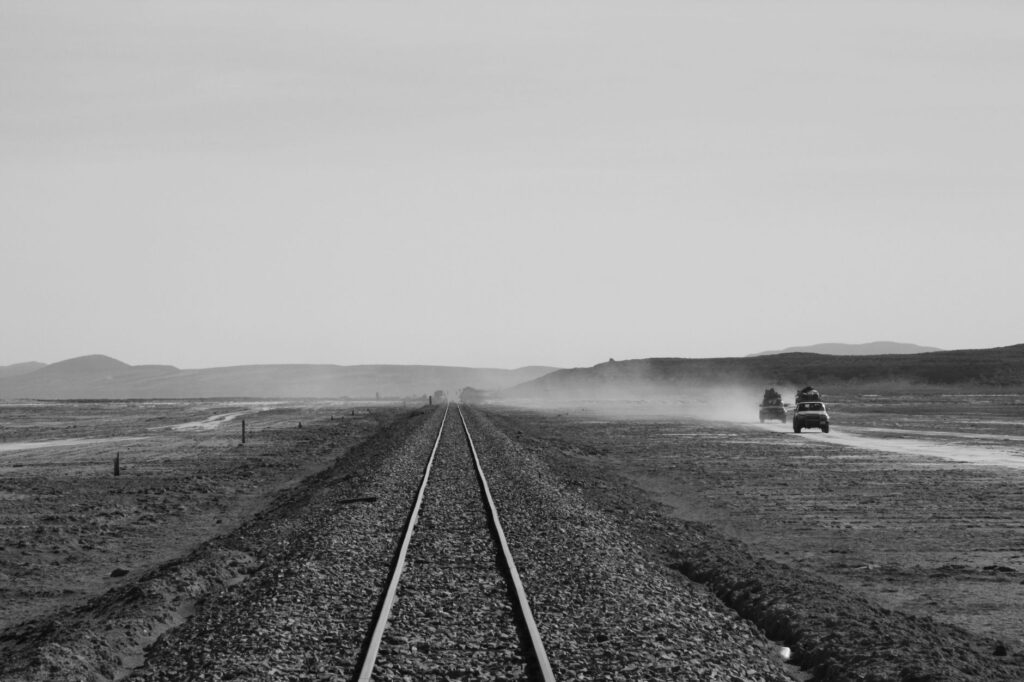
Exploring the historic Hedjaz alignment today requires rigorous planning, given that much of the infrastructure lies in remote areas with scarce service coverage. Main connections depart from cities such as Tabuk, the major logistical hub of northwestern Saudi Arabia, equipped with an international airport and a modern highway network facilitating 4×4 vehicle access to key railway points. Local authorities have significantly improved secondary roads approaching historic stations, allowing safe transit for researchers and specialized travelers.
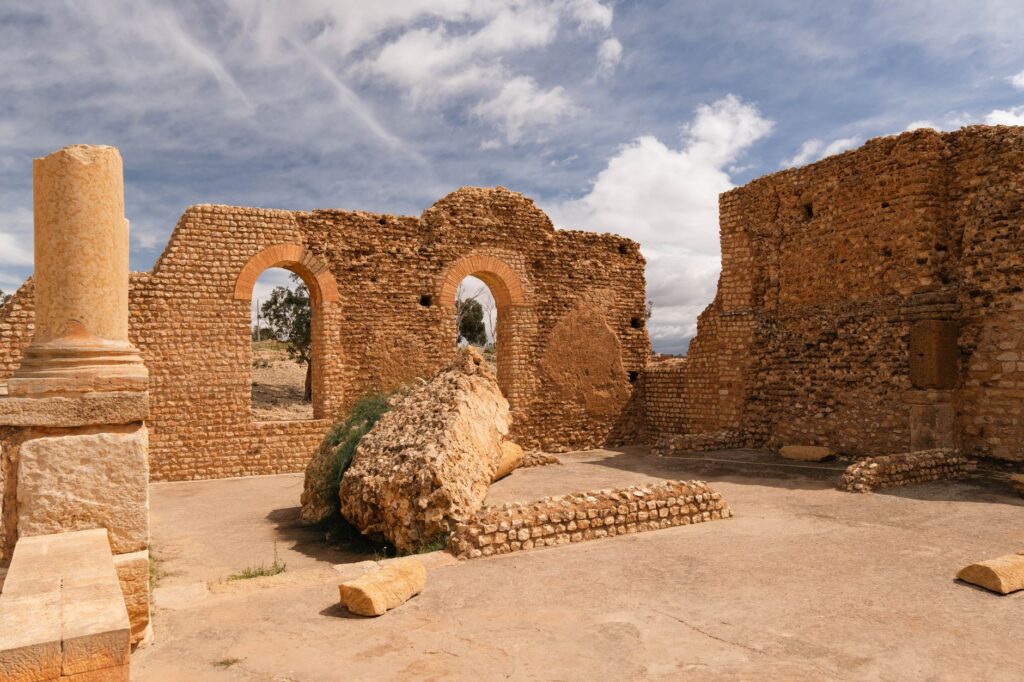
Nevertheless, venturing into the most isolated sections requires four-wheel-drive vehicles equipped with satellite navigation systems, auxiliary fuel reserves, and abundant drinking water. Unlike conventional tourist routes, self-sufficiency here is an unyielding rule. Local mechanical workshops in towns like Al Ula offer basic assistance, but remoteness from major urban centers demands extreme caution against mechanical mishaps or sudden sandstorms capable of obliterating tracks within minutes.
The desert forgives no technical improvisation; every oxidized metal sleeper emerging from the dune is a reminder of the limits of human will against geological immensity.
Integrating these vestiges into regional sustainable tourism development plans has brought a radical shift in heritage management. Although access was restricted or left to looting for decades, strict archaeological protection protocols are now enforced. Visitor centers have been established at the best-preserved stations, displaying original blueprints, Ottoman worker tools, and recovered pieces from old boilers, offering visitors a rigorous and documented reading of the historical context.
Architecture of Isolation: Workshops, Depots, and Water in the Wasteland
One of the greatest technical achievements of the Hedjaz Railway was solving water supply challenges in one of the driest regions on the planet. Engineers designed a methodical system of artesian wells, rock-cut cisterns, and minor aqueducts feeding water tanks essential for steam boiler operation. Alongside each major station, blacksmith and metal carpentry workshops capable of complex en-route repairs were erected, minimizing dependence on major industrial centers in Damascus or Istanbul.
The industrial architecture of these complexes reflects a fascinating fusion of military functionality and late Ottoman aesthetics. Local sandstone ashlar walls were combined with iron beams imported from Europe, creating structures capable of enduring both the extreme thermal swings of the desert—with scorching days and freezing nights—and armed attacks. Today, wind erosion has sculpted these ruins, generating a melancholic landscape where ruined roofs allow beams of light to pierce through ancient locomotive inspection pits.
Current Challenges of Railway Conservation in Saudi Arabia
Preserving this industrial heritage in such a hostile environment poses monumental challenges for conservators and historians. Thermal amplitude causes constant expansion and contraction of metals, accelerating the corrosion of tracks and exposed outdoor railway scrap. Likewise, the abrasive action of wind-borne sand acts as a natural sandblasting agent, wearing down original engravings, locomotive registration plates, and stone ashlar blocks of auxiliary buildings.
To halt this degradation, the country’s cultural institutions have promoted structural consolidation programs through non-intrusive protective treatments and the controlled relocation of iconic pieces to climate-controlled site museums. This work is paired with high-resolution photogrammetric documentation, ensuring that, even in the face of inevitable material degradation of more fragile elements, an exhaustive digital archive remains for future generations of transport history researchers.
Practical guide
How to get there: The primary air access point for exploring the historic Hedjaz Railway region is Tabuk Regional Airport or Prince Abdul Majeed bin Abdulaziz International Airport in Al Ula. Renting a four-wheel-drive (4×4) vehicle with full-time traction from either location is essential.
Best time to visit: Between November and February, when daytime temperatures range from 20 °C to 25 °C, avoiding the extreme summer heat that routinely exceeds 45 °C across the desert plains.
Logistics and gear: Carrying at least 5 liters of drinking water per person per day, satellite communication systems (GPS/emergency beacon), detailed offline maps, and sand-rescue tools (traction boards and tire pressure gauges) is mandatory.
Accommodation: High-end hotel options and boutique camps exist in Al Ula, while smaller towns like Hedjaz or Tabuk feature mid-range hotels geared toward corporate and road travelers.
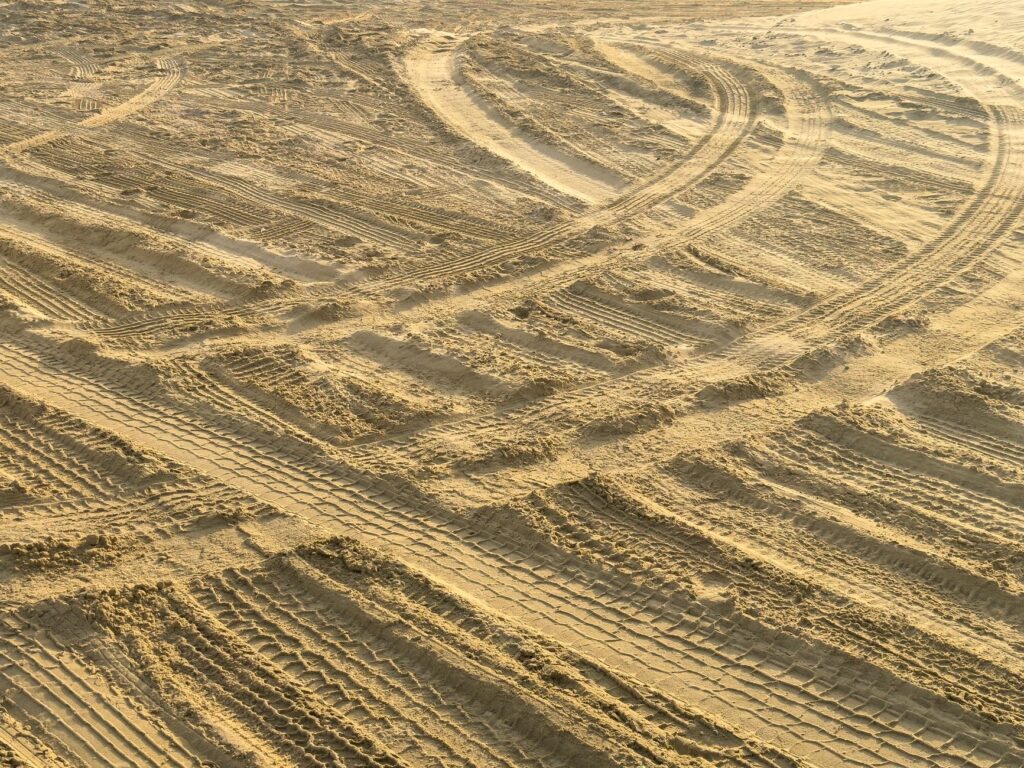
Heritage regulations: Extracting stone fragments, metal pieces, or artifacts from historic stations is strictly prohibited. Visiting certain sections of the railway requires prior authorization from local heritage authorities.
Road connectivity: Main highway 15 connects major northern historic enclaves, but detours toward abandoned stations require driving on gravel and sand tracks where speeds must be drastically reduced.
As the sun sinks over the desert horizon, dyeing the dunes a deep amber hue and casting elongated shadows over twisted rails, the region’s imperial past seems to catch a fleeting breath of vitality. The locomotives halted in time no longer carry passengers or coal, but they continue to guide the curious traveler’s gaze across the sands of time, reminding us that even in the most inaccessible corners of the planet, the human footprint left an indelible mark of boldness, ingenuity, and tenacity.