
Introduction to the Threshold Between Two Worlds
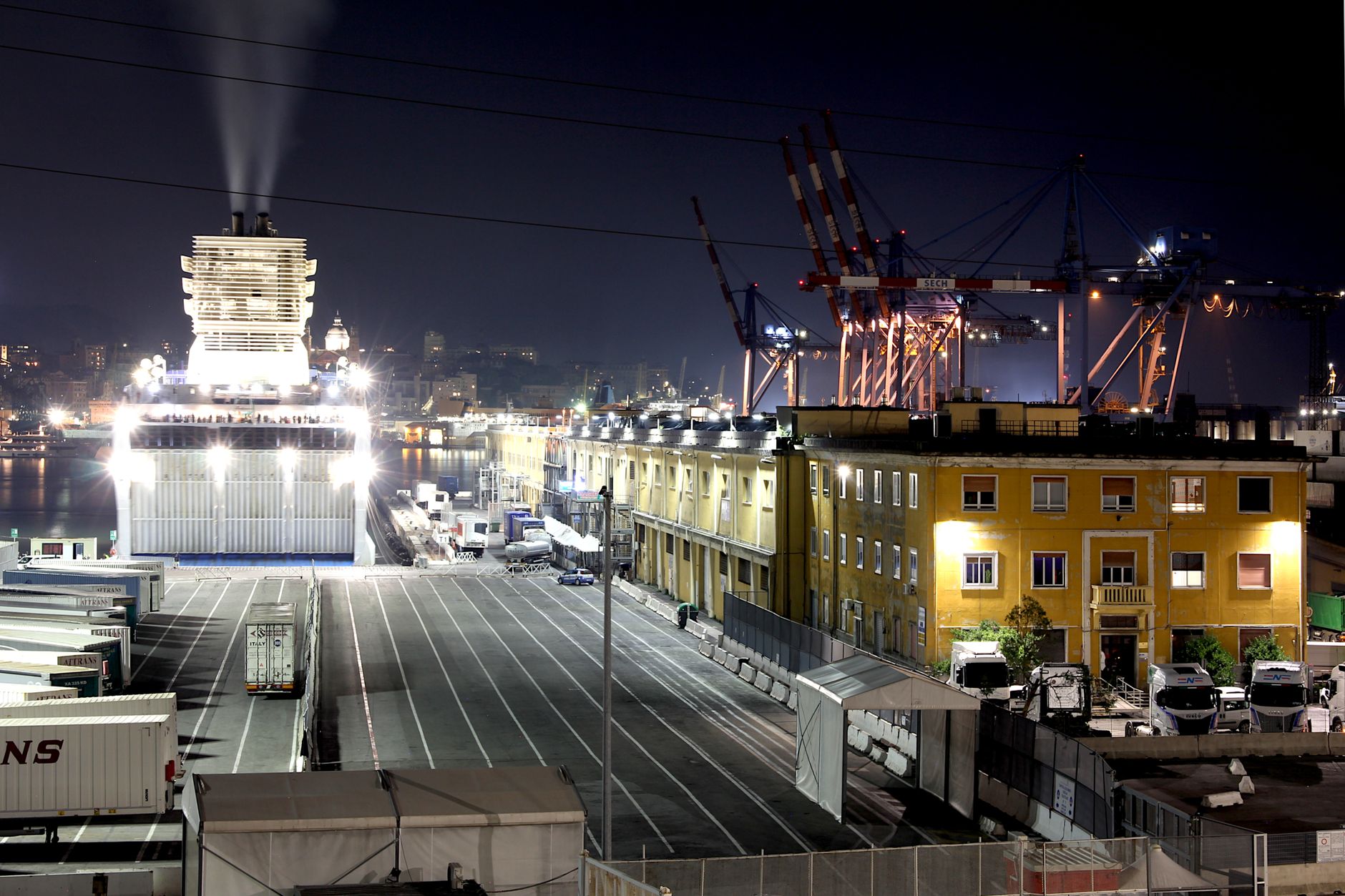
Since classical antiquity, the Strait of Messina has represented a decisive geographical turning point, a liquid slit barely three kilometers wide separating the Italian peninsula from the island of Sicily. For the contemporary traveler approaching the tip of the Italian boot, the crossing is not a mere transit formality, but a complex immersion in an intermodal system unique in Europe. Here, long-distance trains arriving from Rome, Milan, or Turin interrupt their conventional journey to be fragmented, maneuvered, and literally driven into the bellies of rail-ferries, an anomalous and fascinating spectacle defying modern transport logic.
This maritime and rail corridor not only sustains the economy of one of the continent’s most complex regions, but also fuels a perpetual debate on engineering, insularity, and operational efficiency. Understanding mobility across the strait requires looking beyond the tourist postcard of a ferry gliding peacefully across the waters where classical myths placed Scylla and Charybdis. It demands unraveling a millimeter-precise logistical choreography where high-speed fleets, double-ended vessels, and a land infrastructure long pleading for structural modernization converge.
Geography and Territorial Friction in the Maritime Passage
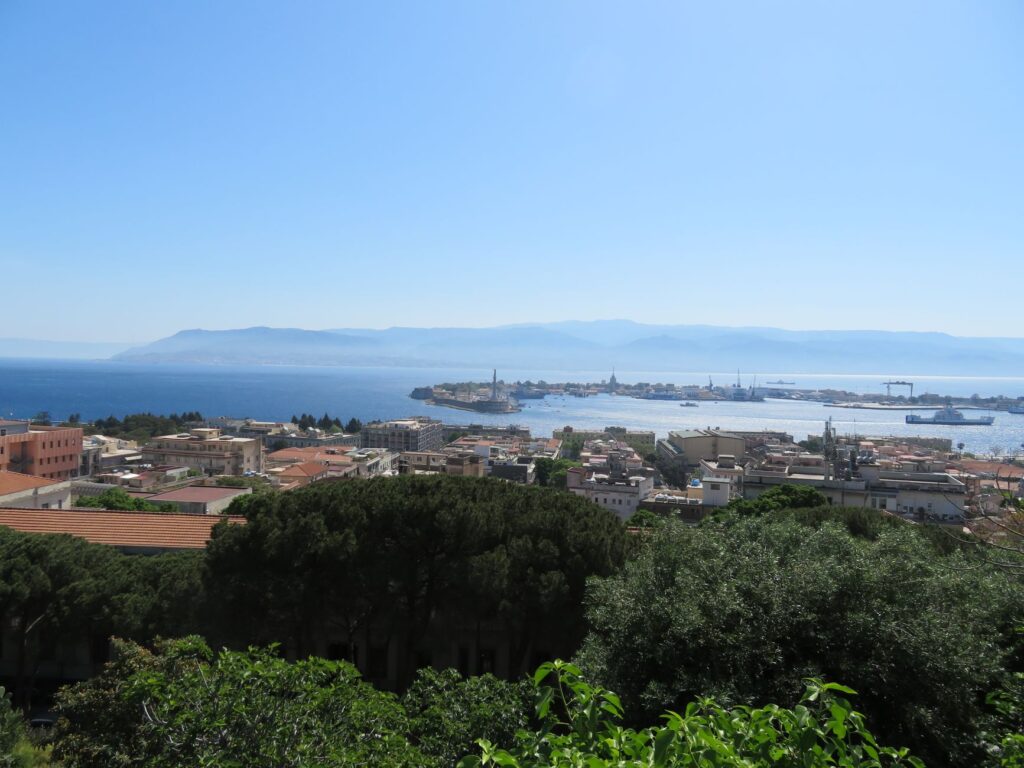
The geography of the Strait of Messina is defined by intense tectonic instability and extraordinarily violent marine currents, caused by the meeting of tides from the Ionian and Tyrrhenian seas. This physical layout has historically determined navigation routes and the port infrastructures of Villa San Giovanni on the Calabrian coast and Messina on the Sicilian side. This physical separation, albeit meager in distance, generates severe territorial friction that partially isolates the largest Mediterranean island from trans-European land transport networks.
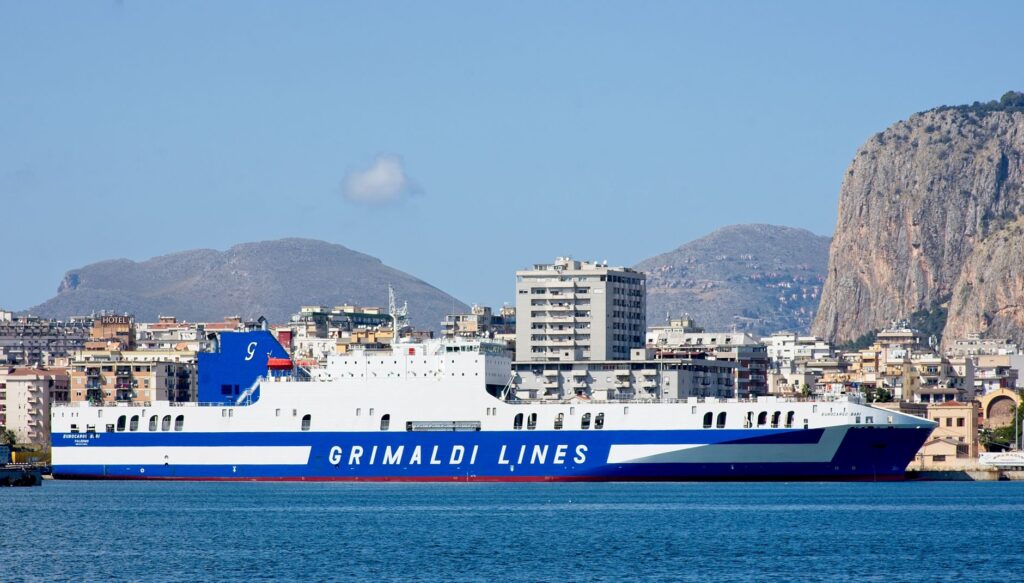
Transport authorities face an inescapable logistical bottleneck. Every day, thousands of passengers, commercial vehicles, and rail convoys must abandon the firmness of asphalt or rails to rely entirely on surface navigation. This dependency turns the strait into a barometer of Italian logistical resilience, where adverse weather conditions, sirocco winds, or labor strikes can instantly paralyze circulatory pulses between the mainland and the Sicilian insular territory.
The Unusual Engineering of Embarked Trains
One of the most fascinating and unique aspects of European transport is the operation of car and train ferries, locally known as ferry-boats. Unlike most global straits where passengers must disembark to board on foot, in Messina Trenitalia passenger convoys are split via high-precision rail maneuvers and reversed up access ramps directly onto the lower decks of the vessels.
This process, technically known as rail ro-ro traffic, requires millimeter-precise synchronization between ground personnel, port pilots, and ship captains. The railway tracks installed inside the vessel align perfectly with the dock rails using hydraulic tide-compensation systems. Once the train bogies are secured with chocks and locking clamps to prevent displacement during the crossing, the complete train floats upon the waters, allowing travelers to remain inside or ascend to upper decks to admire the landscape during the thirty-minute journey.
Train boarding in Messina is not merely a logistical solution inherited from the nineteenth century; it is a living exhibition of active industrial archaeology surviving through operator tenacity and the absence of a stable fixed link.
The Fast Alternative: Hydrofoils, Catamarans, and Foot Passengers
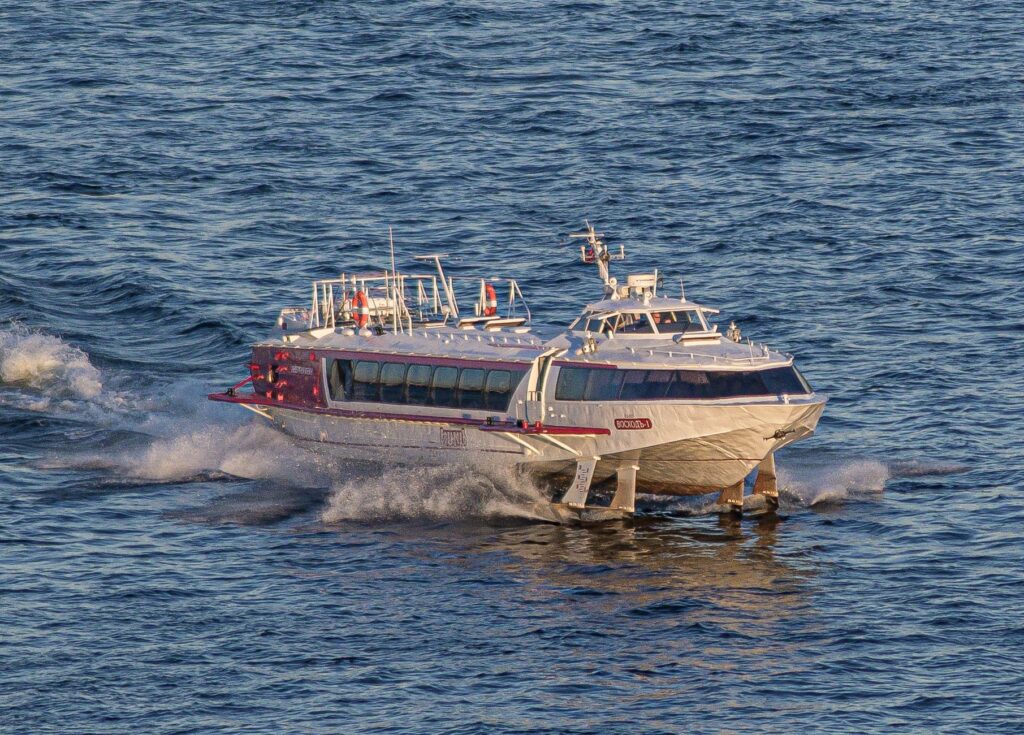
For travelers traveling without a car or direct rail service, transit across the strait is resolved through a complementary high-speed service composed of catamarans and hydrofoils, primarily operated by Liberty Lines. These vessels directly connect the urban centers of Reggio Calabria and Villa San Giovanni with the historic port of Messina, offering very high frequencies during peak commuting hours for workers and students.
The operation of these lightweight vessels is closely coordinated with regional train schedules terminating at continental coast stations. However, pedestrian transfer requires rigorous user planning, as maritime and rail terminals, though close, involve walking with luggage that can prove complex under adverse weather conditions or during peak congestion. The fluidity of this pedestrian transit serves as daily thermometer for metropolitan integration between Calabria and Sicily.
Land Infrastructures and Bottlenecks on Solid Ground
The performance of the transport system across the Strait of Messina depends critically on the efficiency of supporting land infrastructures on both shores. On the mainland side, the A2 Mediterranean Highway and the Southern Tyrrhenian railway line converge at the constricted node of Villa San Giovanni. On the insular side, the A18 highway toward Catania and the A20 toward Palermo articulate around Messina’s urban core, a nerve center supporting intense daily vehicular congestion.
The true fragility of the corridor lies not in the strictly maritime stretch, but in chronic land access saturation and the obsolescence of marshaling yards preceding embarkation.
Structural limitations prevent absorbing significant growth in rail freight traffic, forcing most goods destined for Sicily to rely on heavy road transport. This over-reliance on trucks via conventional ferries increases logistical costs and generates permanent environmental friction in coastal municipalities adjacent to embarkation terminals.
The Eternal Debate Over the Strait Bridge
No analysis of mobility across the Strait of Messina would be complete without addressing the historic, cyclopean, and repeatedly postponed suspension bridge project. Initially conceived in the late twentieth century and intermittently revived by successive Italian governments, the project envisions building the world’s longest single-span suspension bridge, a monumental infrastructure designed to link both shores via high-level road and rail decks.
Proponents argue the bridge would instantly eliminate territorial fracture, cutting travel times for high-speed trains toward Palermo and Catania while fully integrating Sicily into the Scandinavian-Mediterranean core network of trans-European transport. Conversely, critics and the scientific community warn of extreme seismic risks from the local geological fault line, irreversible landscape impact, and the economic viability of a pharaonic infrastructure whose budget repeatedly spirals, keeping the region at an unresolved technical and political crossroads.
Practical Guide to Mastering Strait Connectivity
To successfully plan your crossing of the Strait of Messina without setbacks, understanding the operational specifics of each transport mode and anticipating recurring Italian network disruptions is essential.
Selecting the transport mode according to travel purpose: If traveling by car, traditional ferries operated by companies like Caronte & Tourist run 24 hours a day with departures every few minutes from Villa San Giovanni; advance booking is unnecessary in low season but vital during summer holidays. If traveling on foot, high-speed catamarans are the most direct and efficient option connecting city centers.
Direct train logistics: When purchasing a long-distance ticket to or from Sicily (such as Intercity trains from Rome), verify whether your train includes the ferry crossing service. The rail boarding process adds forty to sixty minutes to total travel time, a decisive factor when scheduling onward connections.

Coordination and time margins: Avoid booking tight connections with flights or high-speed trains on the mainland if arriving from Sicily. Accumulated delays in port maneuvers or weather disruptions in the shipping channel are common, so maintaining a safety buffer of at least two hours on firm ground is always recommended.
Alternatives during service suspensions: In the event of gale-force winds or exceptional maritime storms temporarily suspending hydrofoil and ferry departures, stay tuned to official information channels from ferry operators and Trenitalia to immediately activate alternative rebooking or assistance protocols.
Conclusion: The Future of a Strategic Passage
The Strait of Messina remains an arena where past technical audacity coexists with twenty-first-century mobility urgencies. While endless debates persist over the feasibility of grand civil engineering projects, the daily operations of ships, embarked trains, and passengers continue to sustain the fragile thread of Sicilian connectivity. For the observant traveler, this crossing does not merely represent physical displacement between two map points, but a privileged window into how geography, politics, and human engineering intertwine across one of the planet’s most captivating maritime passages.