
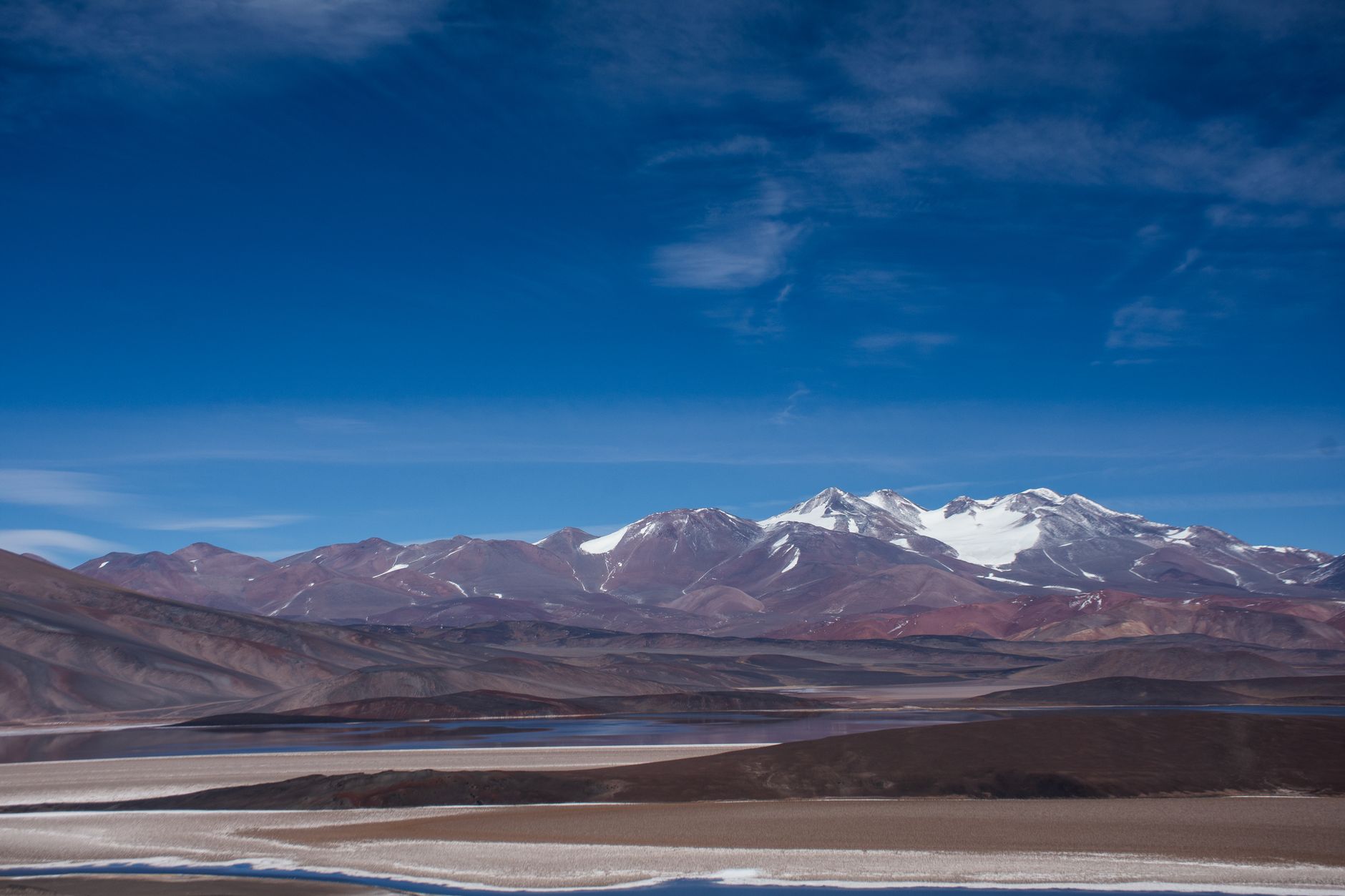

Introduction to the Colossus of the Argentine Puna
In northwestern Argentina, where the Andes mountain range displays its most extreme and silent geography, stands one of the twentieth century’s masterworks of civil and railway engineering: the Cloud Train (Tren a las Nubes). This route, linking the city of Salta with the La Polvorilla viaduct at over 4,200 meters above sea level, represents far more than a tourism milestone; it is a monumental testament to human perseverance in the face of high-mountain hostility. Originally designed to connect the mining deposits of the Puna with Pacific Ocean ports, the alignment defied known physical limits during its construction, formally initiated in the 1920s under the direction of American engineer Richard Maury.
The complexity of this railway corridor lies in its capacity to overcome overwhelming elevation gains without conventional rack-and-pinion systems, employing instead an ingenious configuration of zigzags, curved metal viaducts, and tunnels excavated through living rock. Today, the operational logistics of this service combine heritage preservation with strict safety protocols, becoming an indispensable case study for understanding connectivity in high-altitude desert regions. Throughout this report, we will examine the technical components, maintenance challenges, and planning keys for traversing one of the planet’s most unique rail arteries.

Origins and the Monumental Vision of Richard Maury
The genesis of branch C-14, the track upon which the tourist service operates, responds to an ambitious geopolitical and economic strategy by the Argentine state to integrate the country’s north with northern Chile and, through it, with transoceanic trade routes. Engineer Richard Maury conceptualized an alignment that seemed to defy the laws of gravity and topographical logic. Every kilometer won from the mountain range demanded unprecedented solutions in high-mountain topography, where workers had to labor under extreme conditions of freezing temperatures, gale-force winds, and oxygen scarcity.
The construction of branch C-14 required the coordinated effort of thousands of criollo and indigenous laborers, who used rudimentary tools and explosives on vertical slopes. The lack of paved roads at the time forced all machinery, rails, and supplies to be transported by mule pack or carts via nearly impenetrable mountain trails. This logistical deployment set a historical precedent in Latin American engineering, demonstrating that territorial integration was feasible even in the continent’s most unforgiving ecosystems.
The Architecture of Steel: The La Polvorilla Viaduct
The culmination of the journey is found at the imposing La Polvorilla viaduct, situated at an altitude of 4,220 meters. This self-supporting metal structure is a structural design marvel resting on completely arid terrain battered by high-altitude winds. With a length exceeding 200 meters and a maximum height of 63 meters above the ravine bed, the bridge was constructed entirely of imported rolled steel, assembled using hot-driven rivets without requiring a single central support tower during its erection.
The thermal behavior of steel at these high altitudes presents critical expansion and contraction challenges, forcing structural designers to implement highly specialized expansion joints. Current maintenance of this structure demands periodic ultrasonic inspections to detect metal fatigue and evaluate the impact of dry corrosion caused by the Puna’s salinity and extreme ultraviolet radiation. Preserving La Polvorilla is not merely an act of heritage respect, but an indispensable technical requirement to guarantee the safety of the railway convoys crossing it.
Grade Engineering: The Zigzag System and Narrow Gauge
To overcome steep elevation changes without exceeding the maximum gradients tolerable by adhesion locomotives, Richard Maury’s design implemented a system of switchbacks or zigzags. This configuration allows the train to climb an inclined slope by moving forward in one direction, stopping on a dead-end track, switching points, and continuing the ascent in reverse along a higher tier. This pattern is repeated several times across key sectors such as the Muñano area and the surroundings of San Antonio de los Cobres.
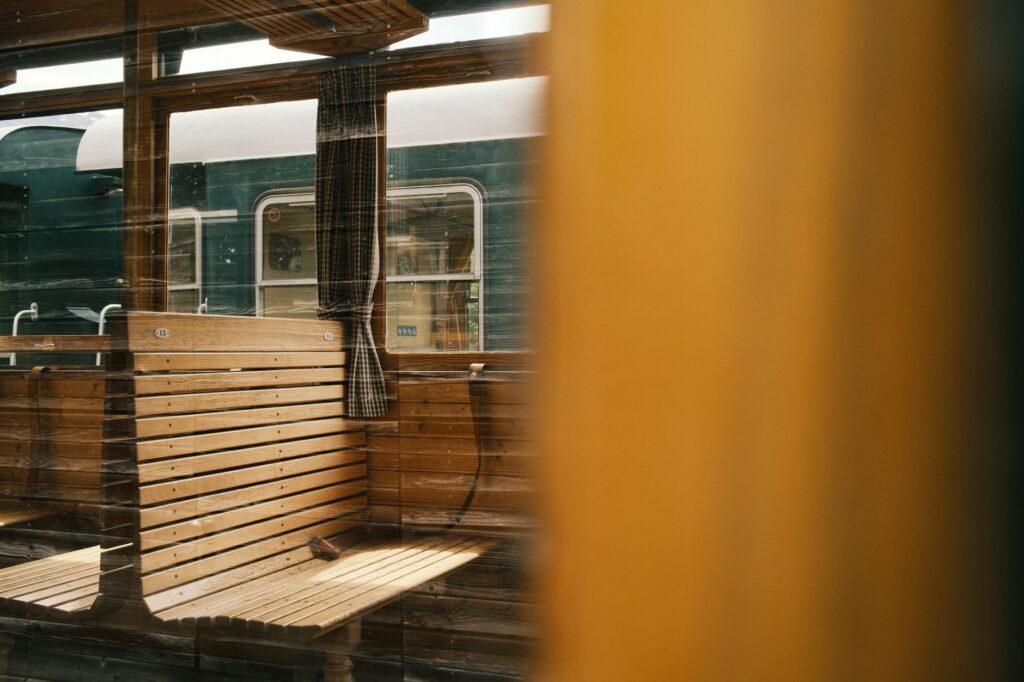
The infrastructure utilizes a narrow gauge of one meter, a standard that facilitated the fabrication and transport of rolling stock during the early decades of the twentieth century. Small-radius curves and meticulously calculated superelevations are essential to prevent bogie derailment under severe crosswind conditions. Managing the railway track in this environment involves continuous monitoring of the ballast, composed primarily of local volcanic rock that must be permanently readjusted to counteract displacement caused by freeze-thaw cycles at night.
Operational Logistics and Maintenance in Extreme Conditions
The daily operation of the Cloud Train demands a complex supply and maintenance chain based in the city of Salta and intermediate railway workshops. The diesel-electric locomotives pulling the coaches must be equipped with reinforced air filtration systems to operate in environments with high concentrations of suspended dust and lower atmospheric pressure, which reduces the effective power of internal combustion engines.

blockquote>Railway transport management in the high Puna depends not only on the sturdiness of the rails, but on the ability to anticipate meteorological and geological contingencies in an environment where nature imposes its own operational rules.
Likewise, the logistics chain includes the permanent availability of road and rail clearing equipment to remove minor rockslides or snow accumulations during winter months. Communication between stations and convoys relies on high-redundancy satellite and radiofrequency systems, given that the mountainous orography blocks conventional cellular phone signals across vast sectors of the route.
Socioeconomic Impact and Connectivity in Puna Communities
Beyond its undeniable tourism appeal, the railway corridor and parallel road routes fulfill a vital role in connecting the pastoral and mining communities of the Puna. Localities like San Antonio de los Cobres or the small hamlets of Tolar Grande depend heavily on transport infrastructure for the supply of consumer goods, the commercialization of local handicrafts, and access to high-complexity healthcare services in the valley’s urban centers.
The steady flow of visitors generates a decentralized economy that has enabled the development of tourism service cooperatives, Andean gastronomy, and rural community hospitality. However, this growth poses significant challenges in terms of environmental sustainability, water resource management in a hyper-arid zone, and the preservation of the cultural heritage of the Kolla communities who have ancestrally inhabited these territories.

Practical guide
Planning a trip to the Cloud Train requires understanding the logistical and acclimatization peculiarities imposed by the geography of Salta province. Below are the essential guidelines to ensure a safe and efficient experience:
- Departure point and multimodal combination: The primary service operates by combining a bus journey from the city of Salta to the town of San Antonio de los Cobres, from where passengers board the train itself for the final stretch to the La Polvorilla viaduct. Fully road-based tour options are also available for passengers with medical restrictions.
- Acclimatization and altitude sickness prevention: Because the highest point exceeds 4,200 meters above sea level, visitors are strongly advised to spend at least two prior days in the city of Salta (1,150 masl) or the Quebrada de Humahuaca to begin physiological acclimatization. Staying hydrated and avoiding heavy meals is fundamental.
- Ticket booking and seasonality: Places are limited and international demand is high, so purchasing tickets several months in advance through the official website or authorized agencies is strongly recommended. The service operates year-round, though winter weather conditions (June to August) can temporarily alter schedules.
- Clothing and technical gear: Thermal amplitude in the Puna is extreme; sub-zero temperatures are common during early morning hours, followed by intense midday heat under direct sunlight. Visitors should dress in layers (onion system), use waterproof windbreaker jackets, certified UV-filter sunglasses, broad-spectrum sunscreen, and firm trekking footwear.
- Medical assistance and insurance: The train carries nursing staff onboard and supplementary oxygen equipment for cases of mild altitude sickness. Nevertheless, international travel insurance covering adventure activities in high-mountain zones and emergency medical evacuation is strongly advised.
Visual Epilogue in the High-Andean Expanse
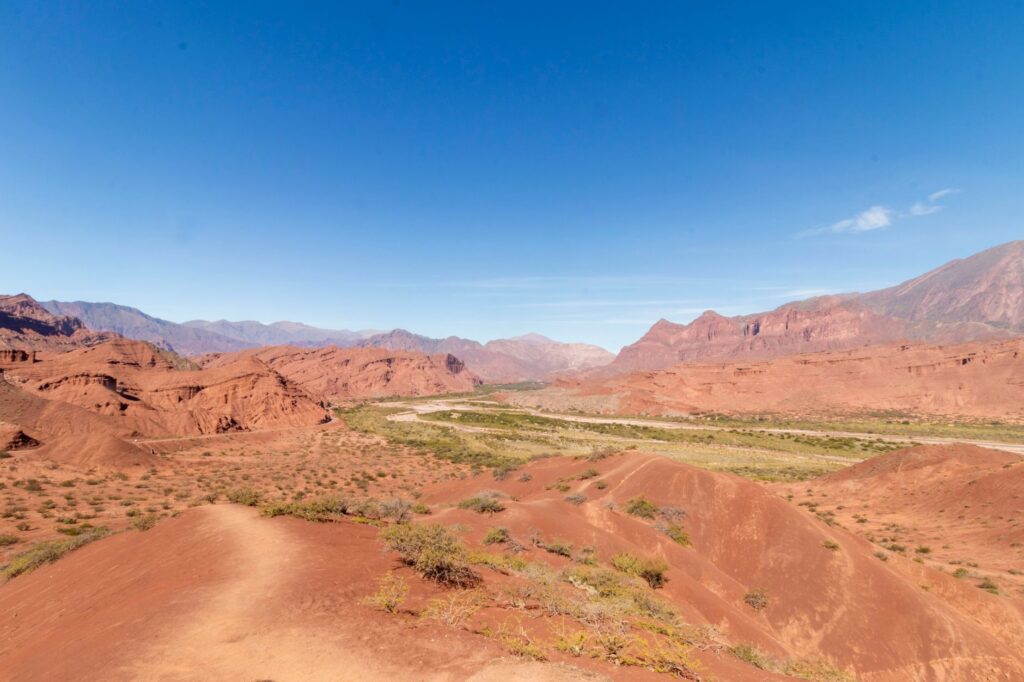
When the last carriage crosses the metal profile of the La Polvorilla viaduct and silence reclaims the vastness of the altiplano, the experience transcends simple geographical displacement to become a profound reflection on the boldness of human ingenuity. The silhouetted profiles of multicolored hills, beneath a sky of such intense blue that it seems artificial, guard the memory of a railway that dared to challenge the sky. The Salta Puna, with its austere beauty and complex network of roads and tracks, stands firm as a monument to connectivity and collective effort in South America’s most demanding latitudes.


