
Introduction to the Oceanic Isolation of the Sulu Sea
In the geographical heart of the Sulu Sea, more than one hundred and fifty kilometers from the nearest inhabited coast on the island of Palawan, stands one of the most extraordinary ecological bastions on the planet: the Tubbataha Reefs Natural Park. This isolated atoll, designated a UNESCO World Heritage Site, represents much more than a remote diving destination; it constitutes a natural laboratory where marine biodiversity persists almost untouched thanks to an unusual combination of geographical remoteness, permanent military surveillance, and an unwavering governmental and international commitment to strict conservation.
The genesis of this coral refuge dates back to submarine tectonic and volcanic processes that sculpted submerged platforms upon which corals have built monumental structures over millennia. Unlike other coastal reefs in Southeast Asia, which suffer from constant anthropogenic pressure derived from overfishing, haphazard coastal development, and mass tourism, Tubbataha floats on the high seas like an impregnable fortress. Its crystal-clear waters and complex oceanic dynamics harbor ecosystems that defy the global deterioration affecting a large portion of the world’s coral reefs today.
Geology and Morphology of the Twin Atolls
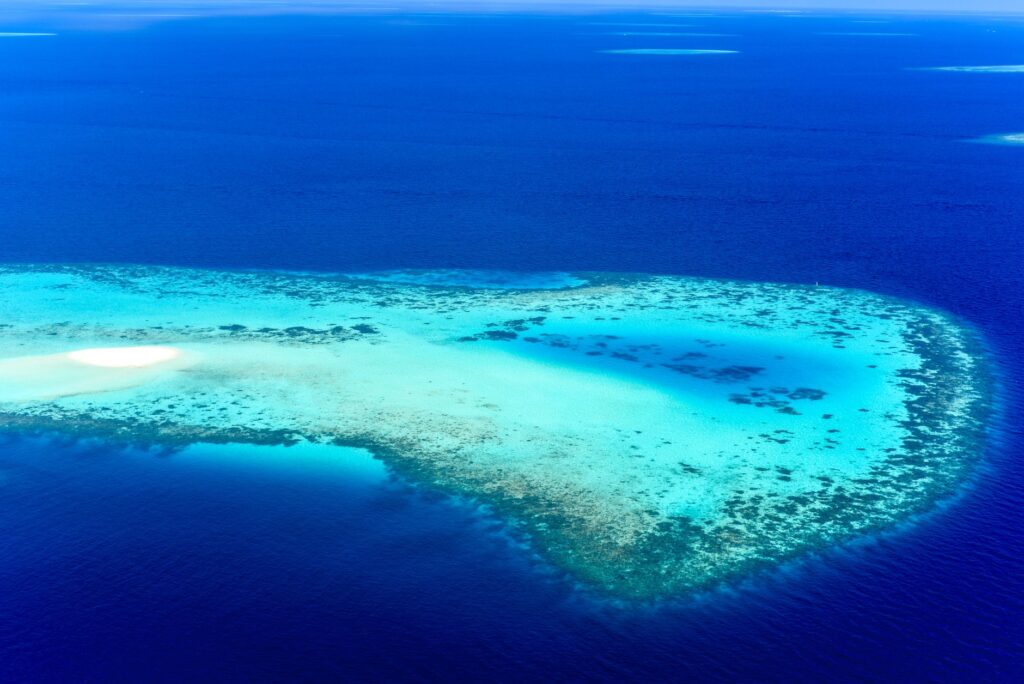
The architecture of Tubbataha is fundamentally composed of two main coral atolls—the North Atoll and the South Atoll—separated by a deep channel several kilometers wide, in addition to the submerged Jessie Beazley Reef located a few miles to the north. These atolls are not traditional volcanic islands, but biogenic accumulations formed atop the summits of extinct seamounts. The continuous growth of coral polyps, in symbiosis with calcareous algae, has generated vertical walls that descend toward oceanic abysses more than two thousand meters deep.

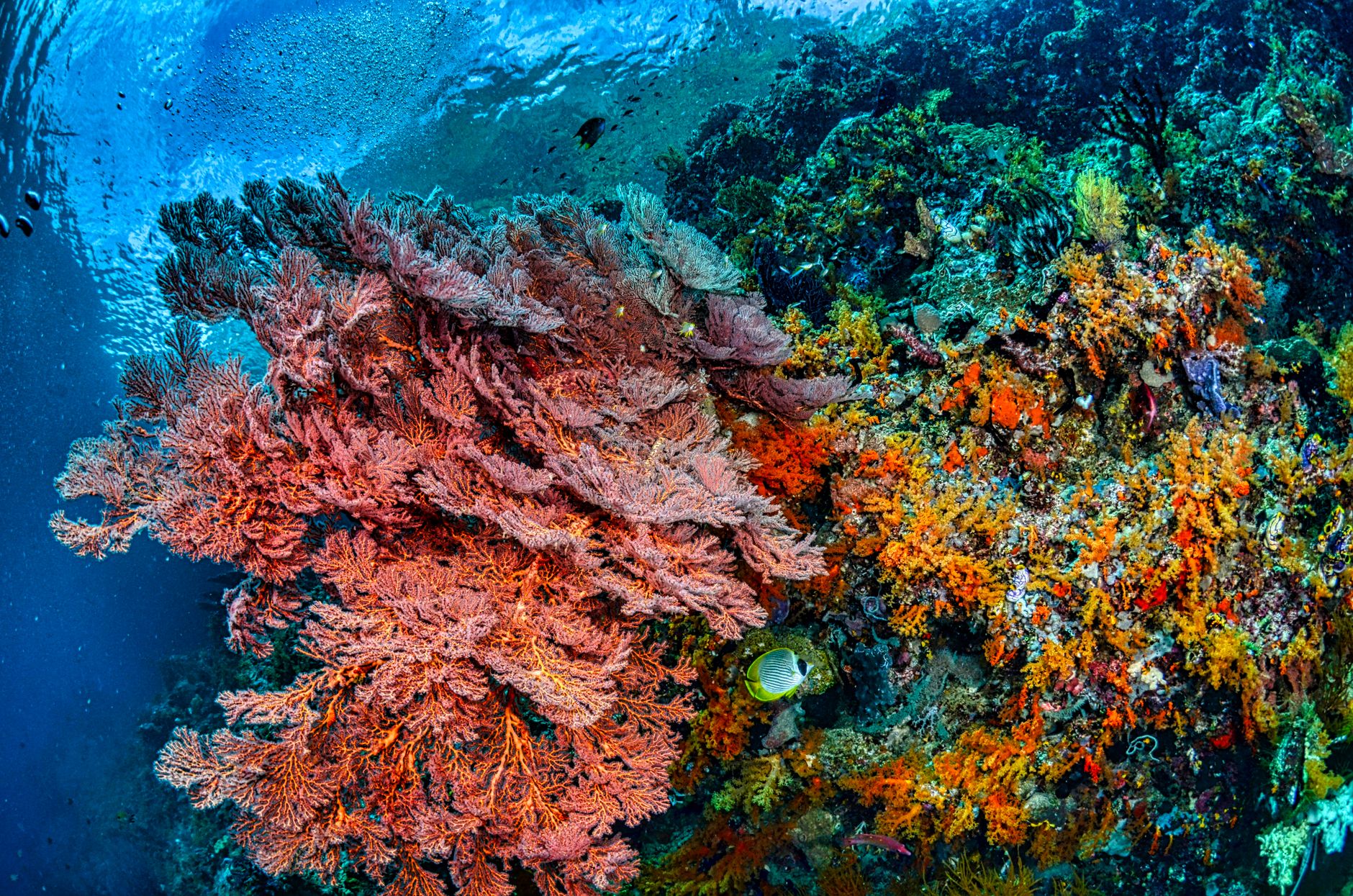
This topographical configuration creates a unique hydrological configuration. Deep oceanic currents crash against the walls of the atolls, upwelling and transporting essential nutrients from the marine depths to the surface. This upwelling phenomenon feeds a hyper-productive trophic chain. The result is a three-dimensional underwater landscape where labyrinths of hard and soft coral serve as a refuge for thousands of species, creating a radical visual contrast between the blue immensity of the Sulu Sea and the dense concentration of life along the drop-offs.
Marine Biodiversity and Reef Health
The biological richness of Tubbataha is of monumental proportions. Scientific inventories conducted by marine biologists document hundreds of coral species, more than six hundred species of fish, a dozen species of marine mammals including whales and dolphins, and stable populations of reef sharks, manta rays, and sea turtles. What distinguishes this ecosystem is not only its taxonomic variety, but the relative abundance of top apex predators, an unequivocal indicator of an ecologically complete and functional reef.
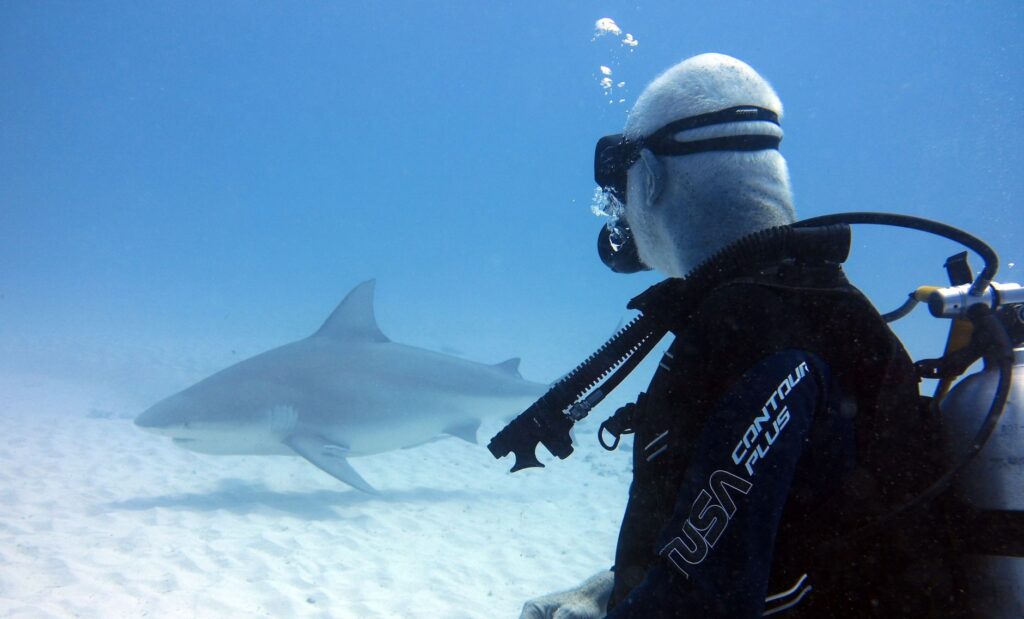
In surface waters and outer drop-offs, patrols of grey reef sharks, whitetip reef sharks, and, less frequently, hammerhead sharks are commonly observed. The presence of these carnivores regulates populations of herbivorous fish and mesopredators, maintaining a dynamic equilibrium that prevents the proliferation of harmful algae. Likewise, schools of jacks, barracudas, and snappers move in compact formations reminiscent of underwater armies, demonstrating that evolutionary and ecological processes operate here with minimal direct human interference.
Insular Ornithology: Coral Sand Cays as Seabird Refuges
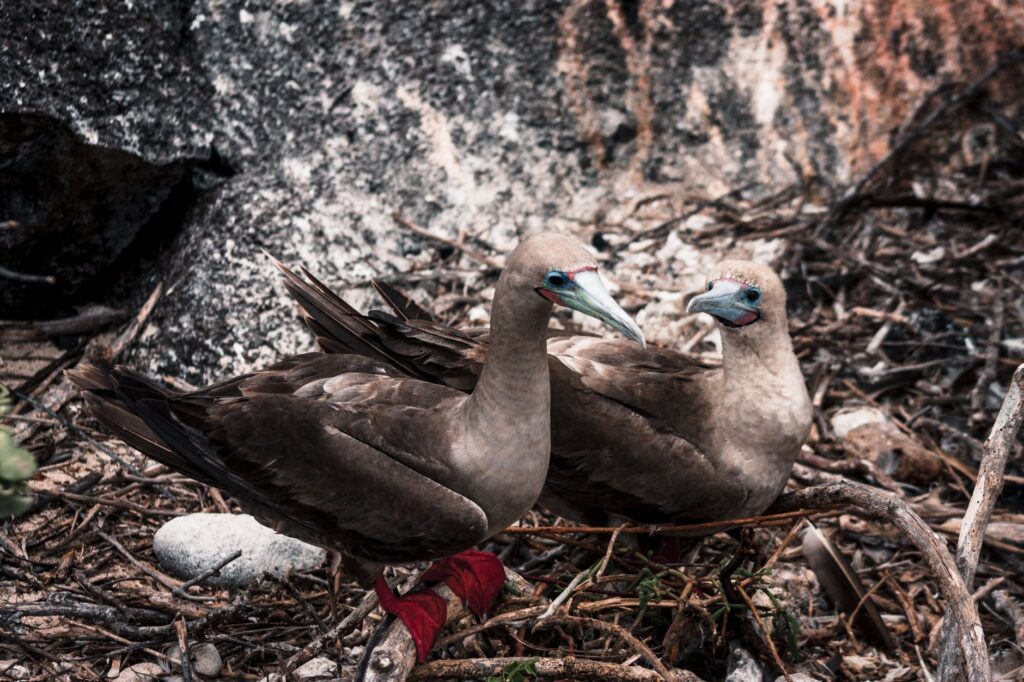
Although Tubbataha’s fame rests primarily on its underwater realm, the small coral sand cays that emerge above the atolls play a critical ecological role in the biogeographic region of the Sulu Sea. These sandbanks and exposed ridges act as the only safe nesting and resting site for numerous species of migratory and resident seabirds within a radius of hundreds of kilometers.
Among the species utilizing these islets devoid of arborescent vegetation are the red-footed booby, the brown booby, the crested tern, and several species of noddies. Strict protection of these cays prevents any unauthorized tourist landing, ensuring that birds can incubate their clutches and raise their chicks without episodes of stress induced by human presence. This connectivity between the insular terrestrial environment and the surrounding marine medium completes a closed ecological cycle of great complexity.
The Management Model and Armed Protection
The conservation of Tubbataha is an international case study on how to manage remote marine protected areas (MPAs). Given its isolation, the park has historically been vulnerable to illegal fishing, dynamite use, and the poaching of endangered species such as hawksbill turtles and sharks. To counter these threats, the Philippine government implemented an integrated surveillance system coordinated by the Tubbataha Management Office (TMO), which includes a park ranger station permanently anchored on the reef.
This station houses a rotating contingent composed of park rangers, Philippine navy personnel, coast guard officers, and biologists. Armed presence and twenty-four-hour radar surveillance have almost completely eradicated destructive fishing practices within the park boundaries. This model demonstrates that effective high seas conservation requires not only robust legal frameworks, but also real logistical and deterrent capacity to enforce environmental regulations in complex geographical settings.
The true measure of ocean health lies not in the absence of visible pollution, but in the uninterrupted persistence of its apex predators at the edges of the open sea.
Expedition Ecotourism: Exclusivity and Sustainability
Access to the Tubbataha Reefs Natural Park is strictly regulated and limited to a very short window of the year, spanning from mid-March to June, when weather and sea conditions permit safe navigation from the port of Puerto Princesa in Palawan. Visits are conducted exclusively aboard authorized liveaboard vessels operating under a strict quota system to prevent ecosystem oversaturation.
This expedition tourism model is financed through conservation fees integrated directly into the trip cost—funds allocated entirely to maintaining the surveillance program, scientific research, and supporting local communities in Palawan. Divers arriving here must comply with rigorous environmental regulations: the use of gloves, touching the coral substrate, using inappropriate reef hooks, or discharging any type of waste into the water is strictly prohibited, ensuring that human passage leaves zero ecological footprint.
Scientific Research and Climate Resilience
In the face of the global climate crisis and recurrent coral bleaching episodes caused by rising sea surface temperatures, Tubbataha has become a privileged observatory for marine science. Teams of researchers visiting the park annually monitor water temperature, live coral cover, and larval recruitment rates to evaluate reef resilience against thermal stress.
Preliminary data suggest that the excellent overall health of the corals and the strong hydrodynamics of the Sulu Sea grant Tubbataha a superior-than-average capacity for recovery compared to other degraded reefs globally. Nevertheless, scientists emphasize that local protection is not a definitive shield against global warming, underscoring the urgency of combining strict marine area management with global greenhouse gas emission reduction policies.
Practical Information for the Scientific and Expedition Traveler
Planning an expedition to Tubbataha requires meticulous logistical preparation due to its remoteness and seasonality. The essential operational aspects are detailed below:
- Visitor Season: From March 15 to June 15 each year. Outside this period, monsoons make navigation impracticable.
- Departure Point: The city of Puerto Princesa on the island of Palawan (Philippines), where liveaboard dive vessels embark.
- Journey Duration: Approximately 10 to 12 hours of overnight sailing by boat from Puerto Princesa to the atolls.
- Diving Requirements: Advanced certification is recommended due to oceanic currents and drop-off depths; demonstrable open water experience is required.
- Permits and Fees: Park conservation fees and entry permits are handled through authorized operators and must be paid in advance.
- Equipment: All scuba diving equipment must be brought from the mainland, as there is no commercial or rental infrastructure on the reefs.
Protecting a remote atoll in the Sulu Sea is not an act of isolation, but an acknowledgment that the world’s oceans share a single circulatory system that we must defend.
Conclusion: The Legacy of the Sulu Sea
The Tubbataha Reefs Natural Park represents an exceptional triumph of human will against global environmental degradation. At a time when the prevailing news regarding the oceans is the collapse of coral reefs and the irreversible loss of biodiversity, this isolated bastion in the Sulu Sea demonstrates that nature possesses a formidable capacity for regeneration when granted space, time, and proper protection.
Visiting or studying Tubbataha is not a mere recreational exercise, but a deep immersion into the ideal functioning of a pristine marine ecosystem. Its continued survival depends on constant vigilance, international cooperation, and a rigorous ecotourism model that prioritizes conservation above commercial profit. Thus, this offshore sanctuary remains a beacon of hope for the seas of the future, reminding us that the preservation of oceanic wildlife is an inescapable ethical and scientific imperative.