
Introduction to the Zephyr Corridor and Transcontinental Connectivity
The long-distance passenger rail transportation system in North America operates on a territorial logic entirely distinct from its European or Asian counterparts. While high-speed rail dominates the terrestrial transport landscape in other continents, the network managed by Amtrak in the United States represents an exercise in operational resilience, landscape integration, and continental-scale logistics management. Within this vast framework, the corridor popularly known as the California Zephyr occupies a unique place, linking Chicago with the San Francisco Bay Area across more than three thousand kilometers of track.
This journey is not merely a touristic product conceived for recreational contemplation; it functions as an essential connectivity artery for rural communities, small mining enclaves, and medium-sized cities that lack regular air service or whose reliance on interstate highways leaves them vulnerable to extreme weather events. Examining the operational anatomy of this line sheds light on financial balances, shared-infrastructure challenges with freight trains, and the human reality sustaining transcontinental rail transport in the twenty-first century.
Historical Origins and the Evolution of the Western Route
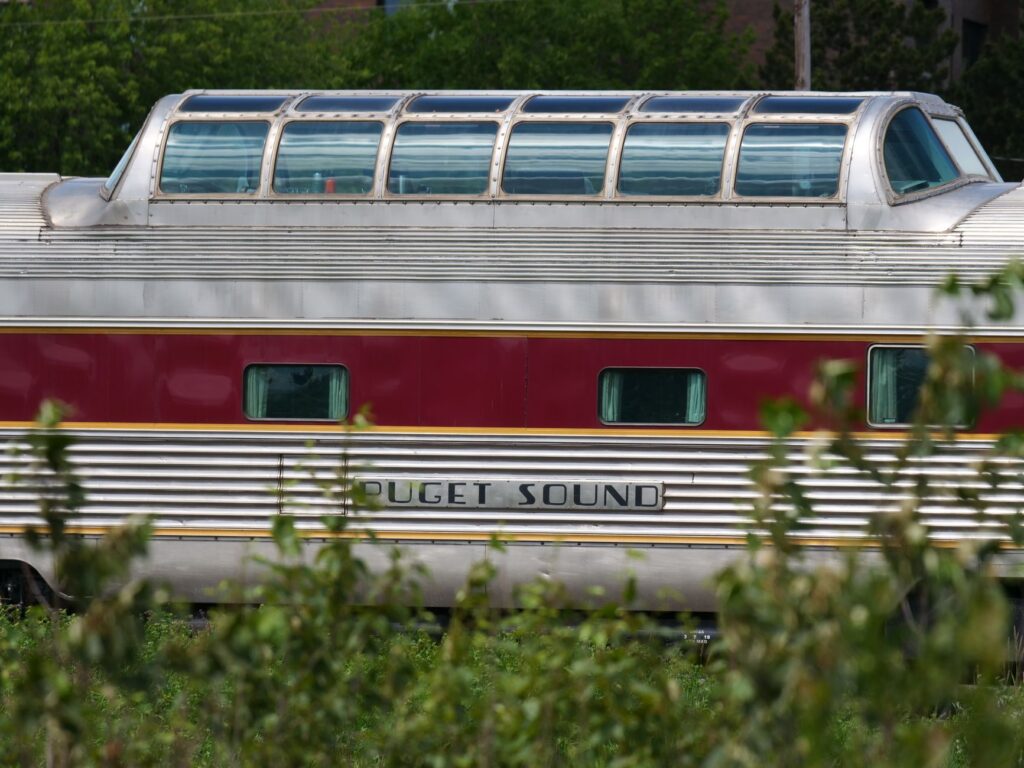
The original service name dates back to the late 1940s, when an alliance of three private railway companies inaugurated a train specifically designed to showcase the landscapes of the American West with glass-dome observation cars. That pioneering enterprise laid the foundations for a route combining tracks from the Chicago, Burlington and Quincy Railroad, the Denver and Rio Grande Western Railroad, and the Western Pacific Railroad.

With the consolidation of federal passenger service under Amtrak in 1971, the route underwent various modifications before adopting its current configuration. The passage through America’s heartland and the subsequent ascent into the summits of Colorado and Utah preserves much of the original historic alignment. This respect for nineteenth- and mid-twentieth-century railway geography turns the journey into a living document of American civil engineering, where hand-carved rock tunnels continue to operate as indispensable passages for interstate corridors.
Shared Track Infrastructure: The Challenge with Freight Transport
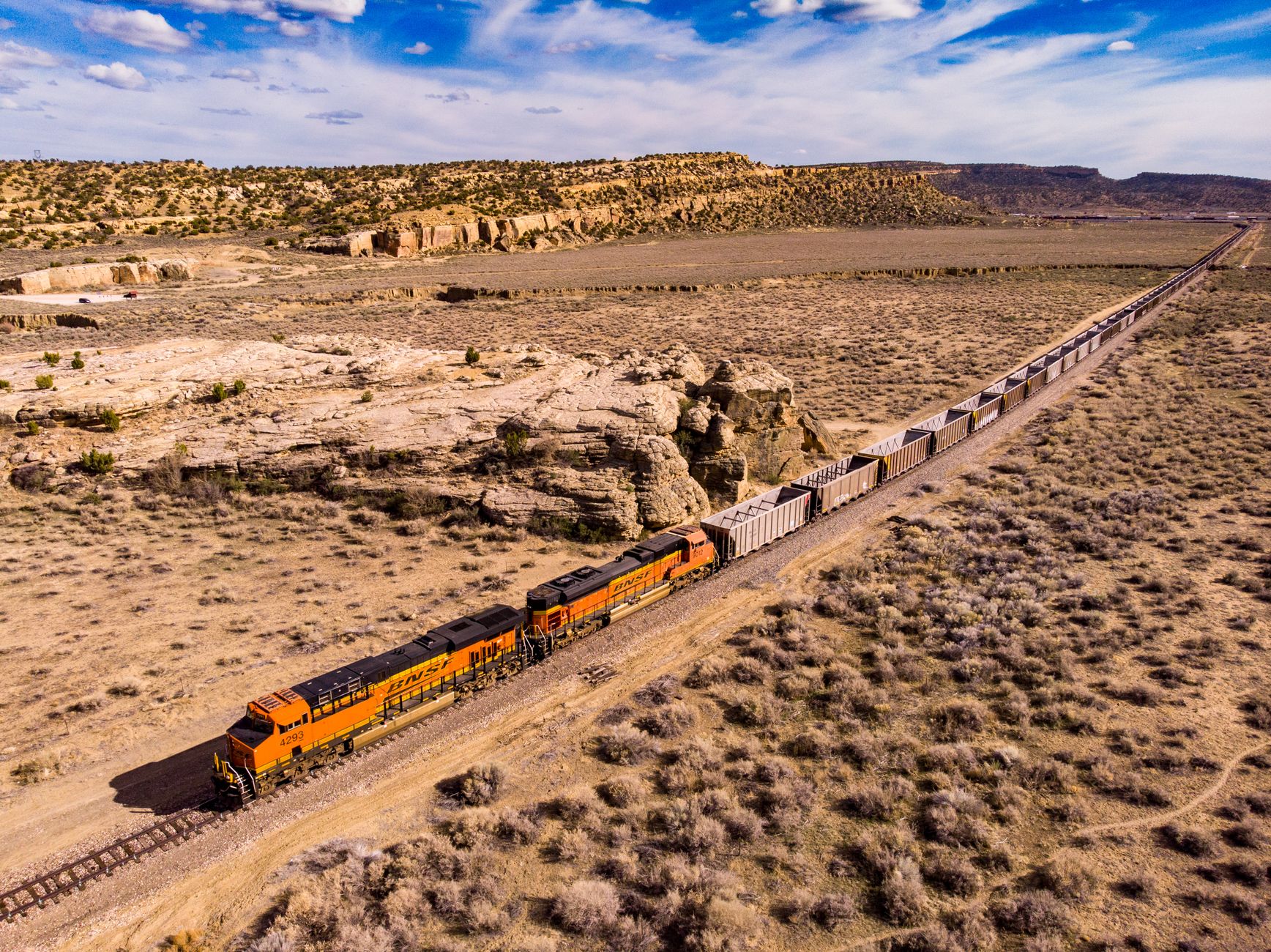
One of the most complex aspects defining the operational reality of the California Zephyr is that Amtrak does not own the infrastructure over which its trains run for the vast majority of the route. The network belongs to major Class I freight railroads, specifically BNSF Railway and Union Pacific Railroad. This codependency creates a singular operational framework where passenger convoys must frequently yield the right-of-way to kilometer-long freight trains.
The logistical implications of this model are profound. Although federal law formally grants priority to passenger trains, freight line congestion frequently causes substantial delays that disrupt published schedules. Travel planners and rail operators face the constant challenge of managing punctuality in a system where mountain pass bottlenecks and Great Lakes rail junctions dictate the pace of passenger transport.

The Geographical Challenge: Crossing the Rocky Mountains and the Sierra Nevada
The crossing of the great western cordilleras constitutes the technical and visual core of the route. Passing through Colorado, the train ascends the canyon of the Colorado River and crosses the Continental Divide via the Moffat Tunnel, an engineering feat of over nine kilometers bored more than two thousand meters above sea level beneath James Peak. This infrastructure avoids high-mountain passes that remain completely snow-blocked during winter.
Subsequently, after crossing the deserts and plateaus of Utah and Nevada, the train tackles the ascent of the Sierra Nevada in California. On this stretch, avalanche protection systems, timber and concrete snow sheds over the tracks, and constant winter maintenance work are vital to guarantee service continuity. The interaction between maintenance brigades of track-owning companies and Amtrak teams is indispensable to keep this communication line open through harsh winter weather.
The railway track across the high passes of the Sierra Nevada is not merely a transport channel; it is a bulwark against the geographical isolation of mountain communities during boreal storms.
Rolling Stock: Superliner Railcars and Life Onboard
To meet the demands of a journey lasting over fifty hours, the fleet assigned to this route utilizes bi-level railcars known as Superliners. These vehicles maximize passenger capacity and offer an elevated perspective through panoramic curved windows extending along the upper level.
Life onboard over three days fosters an unusual social dynamic in modern transport. Passengers completing the full journey mingle with local travelers using the train for regional segments between Denver, Salt Lake City, or Reno. The dining car and the lounge car act as exchange spaces where international tourists, seasonal workers, and rural residents converge, forming a floating microcommunity crossing time zones and shifting ecosystems.
Socioeconomic Impact and Connectivity in Rural Communities
For numerous settlements scattered across the arid and mountainous West, the daily stop of the passenger train represents the sole direct link to the national transportation system without relying on secondary roads prone to landslides or snow closures. Municipalities in Colorado and Utah depend on this service for lightweight supply deliveries, specialized visitor arrivals, and the mobility of residents needing to reach urban medical centers.
Although passenger volume does not match that of commuter lines in major coastal metropolises, the strategic value of the corridor lies in its role as a territorial safety net. Eliminating these routes would mean the definitive disconnection of multiple historic communities born during the expansion of the original rail lines, which today find their primary tie to the global economy through the train.

Practical Travel Information and Route Planning
Planning a journey along this corridor requires a realistic understanding of North American operational conditions. Unlike European networks, schedule flexibility is an essential requirement due to potential cumulative delays on the freight network.
- Estimated full journey duration: Between 51 and 53 hours under normal operating conditions.
- Service frequency: One daily departure in each direction (Chicago to Emeryville/San Francisco and vice versa).
- Onboard accommodation: Availability of reclining coach seats and private compartments such as roomettes or family bedrooms, which include meals in the dining car.
- Advance booking: Highly recommended several months ahead, especially during summer and autumn holiday seasons, due to high demand for panoramic view spaces.
- Intermodal connectivity: At major terminals such as Chicago Union Station and Emeryville (with bus connections to San Francisco), travelers connect with the national medium- and long-distance rail network and intercity bus services.
The Future of Long-Distance Rail Transport in the United States
The debate surrounding the modernization and funding of the passenger rail network in the United States stands at an inflection point. While multi-million-dollar investments are prioritized for high-speed corridors on the East Coast and in California, long-distance routes like the Chicago-to-Pacific link face structural challenges related to obsolete signaling, aging rolling stock, and negotiations with private freight carriers.
However, the growing recognition of the need to reduce transport sector carbon emissions and the valuation of sustainable rail tourism have driven new proposals for federal budgetary support. The future of these lines will depend on balancing social utility with financial sustainability, ensuring transcontinental transport maintains its historical function as a backbone of mobility in the American West.

Long-distance transcontinental rail survives in North America not through immediate commercial efficiency, but due to its geopolitical and cultural indispensability as a thread unifying the territory.
Visual Closure and Final Reflection on the Travel Experience
Observing the sunset from the train’s glass domes while crossing the plains of Nebraska or the salt flats of Utah offers a temporal perspective that no other contemporary transport mode can replicate. The leisurely pace of rail advancement forces travelers to confront the true scale of the North American continent, transforming displacement from a mere logistical chore into an immersive territorial experience.
In an era dominated by commercial aviation immediacy and congested highways, the survival of this rail corridor stands as a testament to classic engineering and a lesson on the importance of preserving alternative communication channels connecting deep geography with the nation’s urban centers.