The Pamir Railway: Soviet Engineering, High Mountains, and Rail Connectivity in Central Asia
A rigorous analysis of transport and connectivity projects defying the roof of the world, exploring logistics, orographic challenges, and human impact along Central Asian routes.
Introduction to Central Asia’s Extreme Transport Routes
The vast expanse of Central Asia has historically served as a crossroads for civilizations, empires, and merchants seeking to bypass the planet’s most formidable natural barriers. Set between unforgiving deserts and sky-scraping mountain ranges, human mobility has always depended on the ability to master geography. In the heart of this region, transport systems are not merely commercial tools, but vital lifelines connecting isolated valleys to global corridors. The challenge of forging efficient transport networks across extreme mountainous terrain has driven engineers and governments to devise titanic solutions, many of which trace their roots back to last century’s strategic planning and are undergoing profound modernization today.
Understanding transport dynamics at these latitudes requires a close examination of the interplay between heavy infrastructure and the natural environment. Routes winding through mountainous foothills face extreme thermal variations, constant seismic risks, and the perpetual threat of avalanches and rockfalls. Despite these adversities, the geopolitical and economic necessity of keeping communication lines open has spurred the development of monumental projects. Connectivity in Central Asia is a chessboard where every kilometer of railway or highway represents a technical victory over isolation. This report analyzes the evolution, current state, and prospects of transport corridors challenging Asian heights, offering a comprehensive view for travelers and geopolitical analysts alike.
The Legacy of Soviet Infrastructure in the Asian Relief
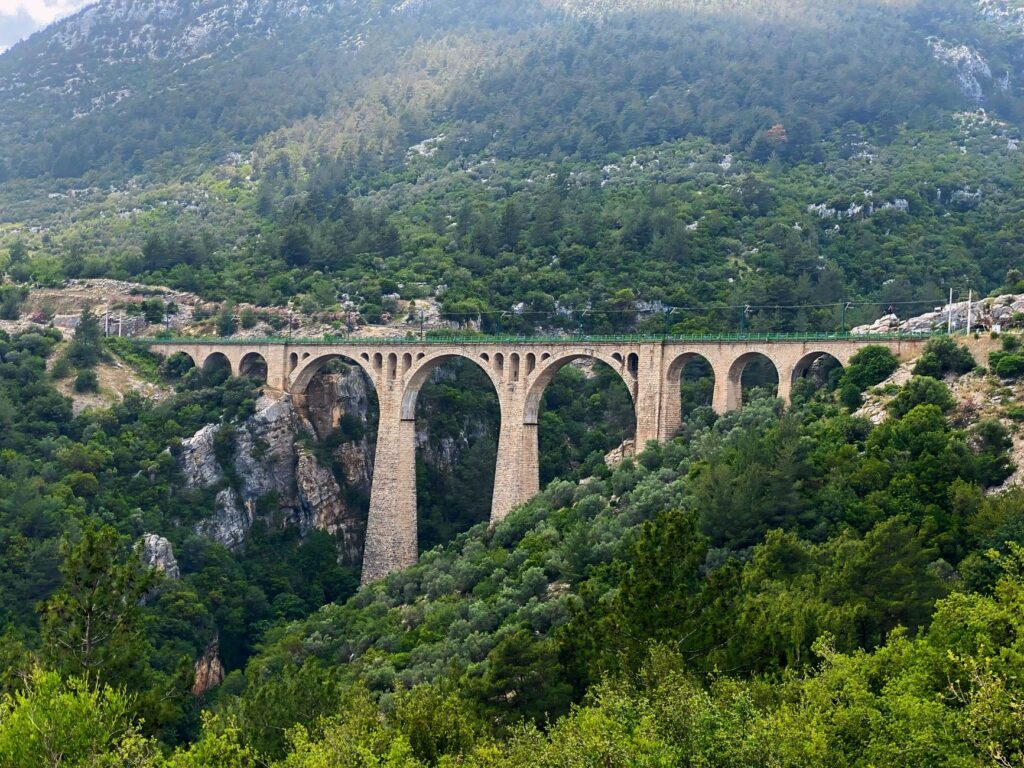
The design of contemporary transport networks across much of Central Asia directly reflects the centralized planning of the Soviet era. For decades, Moscow prioritized the economic and military integration of peripheral Soviet republics by constructing deep-reaching railway lines and highways. These works aimed not only to extract natural resources like minerals and fossil fuels, but also to secure borders in difficult-to-reach zones. Engineers of the period had to invent construction methods to lay tracks over permafrost, navigate dizzying gorges, and bore tunnels thousands of meters above sea level.
The impact of that golden age of civil engineering remains visible in the structure of today’s corridors. Many primary stations, metal lattice bridges, and winding layouts utilized by both freight trains and regional services retain their original construction standards. However, the collapse of the Soviet Union left a maintenance vacuum that severely impacted the safety and speed of convoys. Technical obsolescence became the primary enemy of the Central Asian rail network at the turn of the millennium. Over the years, independent nations have had to bear the cost of modernizing these vital arteries, bringing them up to international safety and logistical efficiency standards.
Orographic and Climatological Challenges in the High Mountains
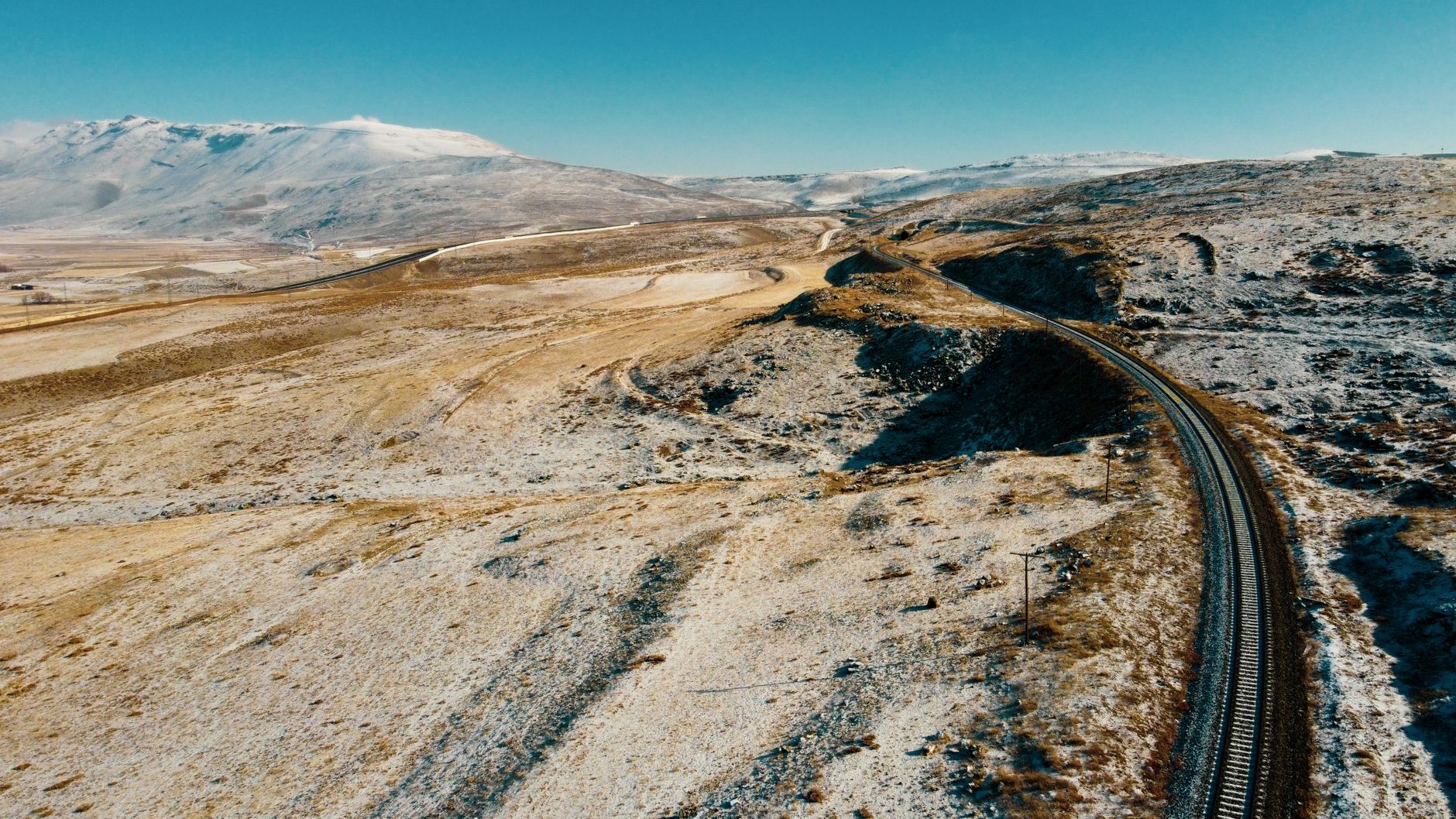
Operating transport networks in high-mountain regions subjects infrastructure to constant endurance tests. Thermal variations, which can swing sharply between forty degrees below zero in winter and high summer temperatures, cause continuous expansion and contraction of rails and asphalt. Compounding this is geological instability: Central Asia sits within one of the world’s most active seismic zones, where tectonic plate collisions constantly reshape the landscape and can destroy entire railway sections within seconds.
Snow and avalanche management represents another major logistical battle for transport authorities. During winter months, strategic mountain passes remain buried under meters of compact snow, forcing the permanent deployment of specialized snowplow trains and clearing crews. The temporary interruption of these routes not only isolates local communities but also strangles regional cross-border trade. For this reason, modern engineers prioritize the construction of low-level tunnels and avalanche protection galleries, minimizing network vulnerability to the caprices of alpine and hypercontinental climates.
Railway Logistics and the Revival of Trade Corridors
In recent years, Central Asia has experienced a resurgence as a nerve center for Eurasian trade, largely driven by the Belt and Road Initiative and multilateral efforts to diversify global supply chains. Rail transport has emerged as the backbone of this new logistical era, enabling freight movement between China and Europe via Central Asia in a fraction of the time required by maritime shipping. This boom has forced rail operators to modernize rolling stock, implement digital signaling systems, and optimize transfer times at borders.
One of the greatest technical hurdles in the region has been the difference in rail gauge. While China uses the international standard gauge, much of Central Asia inherited the Russian or broad gauge, requiring complex container transfer operations or bogie-swapping procedures at border stations. Gauge harmonization and the digitization of customs processes are indispensable for streamlining international passenger and cargo transit. Governments across the region are investing heavily in dry logistics terminals that drastically reduce bottlenecks and boost the competitiveness of the Central Asian corridor against alternative routes.
“The true measure of development on the roof of the world is not the peak speed of convoys, but their unwavering capacity to keep operating when nature unleashes its utmost severity.”
Socioeconomic Impact and the Transformation of Local Communities
Beyond macroeconomic figures and international cargo volumes, the transport network in Central Asia’s mountainous zones exerts a direct, daily impact on local communities. Historically, entire villages situated in remote valleys remained cut off for weeks or months, relying exclusively on subsistence and impassable horse trails. The arrival of regular rail services and improved road connections has radically transformed the demographics and economy of these areas, facilitating access to education, healthcare, and regional markets.
Nevertheless, this openness also introduces complex dilemmas regarding cultural preservation and environmental sustainability. Increased visitor flows and the arrival of global supply chains threaten to alter the traditional livelihoods of mountain herders and farmers. The current challenge for local administrations consists of balancing economic development driven by adventure tourism and trade with the protection of the fragile alpine ecosystem. Sustainable mobility policies are gaining traction, promoting a model where local communities are not mere spectators, but direct beneficiaries of wealth generated by passenger and cargo transit.
The Human Factor: Machinists, Engineers, and Maintenance Crews
Behind every convoy traversing mountain summits and every ton of cargo crossing a mountain frontier lies the anonymous, self-sacrificing labor of thousands of railway workers. Experienced machinists who know every kilometer of track by heart, engineers monitoring bridge stability under heavy snowstorms, and maintenance crews repairing rails at extreme altitudes form the true human engine of these infrastructures. Their work requires not only solid technical training but also exceptional psychological resilience against harsh working conditions.
Working conditions in high-altitude control posts and stations demand frequent shift rotations and strict safety protocols to prevent altitude sickness and hypothermia. The experience accumulated by these professionals is an intangible asset as valuable as the very rail tracks they operate. As automation and remote control systems gain ground in modern railway management, the human factor remains irreplaceable when making critical decisions during emergencies caused by avalanches or unforeseen mechanical failures in the middle of nowhere.
Logistical Planning and Practical Advice for the Global Traveler
For contemporary travelers wishing to explore Central Asia’s mountain domains via trains or integrated land connections, advance planning is not a recommendation but an indispensable requirement. Unlike European or Japanese rail networks, frequencies on high-mountain lines can change without notice due to adverse weather or infrastructure maintenance. Travelers are advised to purchase tickets weeks in advance through official transport ministry platforms or authorized agencies, avoiding unregulated intermediaries operating in secondary markets.
Additionally, it is essential to research visa requirements, land border customs controls, and health regulations in force across each republic. Border authorities tend to be strict regarding luggage documentation and travel logs. Carrying appropriate technical clothing for drastic temperature shifts, a basic medical kit for altitude sickness, and physical copies of all travel permits will ensure a safe and seamless experience. Patience and flexibility are essential virtues when venturing into Central Asia’s railway hinterlands.
“Traveling through Central Asia’s high-mountain arteries requires abandoning modern urgency and embracing the unhurried pace imposed by gravity and the immensity of the landscape.”
Future Outlook and Technological Modernization of Networks
The horizon of transport infrastructure in Central Asia points toward a profound technological transformation oriented toward sustainability and digital efficiency. Future projects contemplate the total electrification of major high-mountain lines, reducing fossil fuel dependence and improving convoy tractive power on steep inclines. Furthermore, the implementation of artificial intelligence systems for real-time monitoring of slope and bridge stability promises to prevent accidents before they occur.
International cooperation will play a decisive role in realizing these ambitious expansion and upgrade plans. Multilateral financial institutions and regional governments are collaborating on new alignments to shorten distances between production centers and global consumer markets. The modernization of these routes will not only redefine the Asian continent’s logistical map but also cement the region as an indestructible bridge between East and West. With a long-term vision, Central Asia establishes itself as a living laboratory for mountain engineering, demonstrating that even the most hostile terrains can be integrated into the global human mobility network.
ATLAS LUME · BEFORE YOU GO
A story that continues at the destination
DocumentsCheck visas, health requirements and document validity with official sources.
BookingsConfirm the final price, taxes and conditions directly with the provider.
Responsible travelRespect local communities, heritage and ecosystems.