
The Iron Scar That Now Embraces the Bosnian Landscape
Amid limestone canyons that seem to tear the sky and valleys where morning mist clings to deciduous forests, a centuries-old railway line is beating with life once again. The track connecting Sarajevo to Mostar is far more than a mere means of transport; it is a masterpiece of 19th-century engineering built during the Austro-Hungarian Empire that, for decades, bore the weight of the Balkans’ most complex history. Today, this railway corridor is undergoing a silent yet profound metamorphosis, transforming into the backbone of a sustainable tourism strategy aimed at curbing rural depopulation and drastically reducing the carbon footprint in one of Europe’s most topographically rugged regions.
For years, the post-conflict infrastructure collapse of the 1990s relegated the train to a secondary role, forcing locals and travelers alike to depend on a network of winding roads choked with heavy, highly polluting commercial traffic. However, a recent influx of European funding dedicated to modernizing Western Balkan transport corridors has allowed for the acquisition of modern multiple units, the stabilization of unstable slopes, and the implementation of digital signaling systems prioritizing energy efficiency. This revival is driven not by purely economic logic, but by a territorial conservation vision where the rail becomes the only viable alternative to move thousands of visitors without eroding the fragile river ecosystems flanking the route.
A Gorge Sculpted by Water and Steel
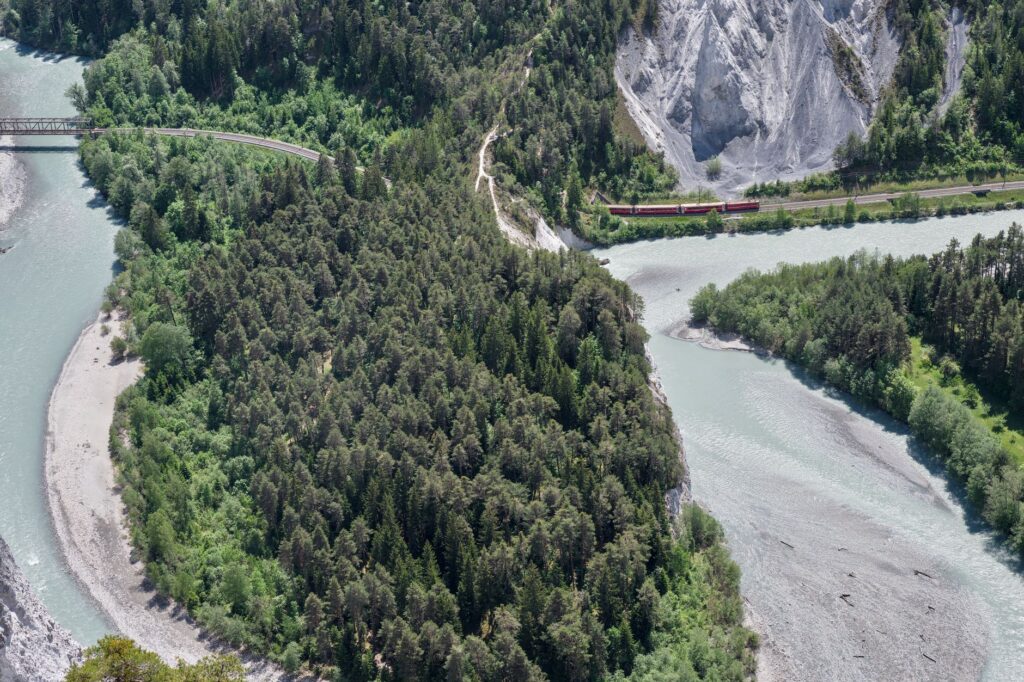
The railway route mirrors the capricious course of the Neretva and Bosna rivers, winding through deep gorges that harbor exceptional biodiversity. Along this stretch, every kilometer of track demands a complex network of tunnels carved into living rock and steel bridges spanning dizzying chasms. For local communities tucked away in small mountain villages like Jablanica or Konjic, the train represents their sole reliable lifeline during harsh Balkan winters when roads frequently succumb to heavy snow or landslides.

The integration of this transport mode into the local economy has fostered a pioneering model of rail ecotourism in the area. Abandoned stations are progressively converted into environmental interpretation centers and bicycle rental hubs, allowing travelers to step off the carriage and explore marked hiking trails winding upward into surrounding national parks. This orderly influx of visitors disperses the tourist pressure that has historically concentrated in a massive, destructive manner within urban historical centers, distributing economic benefits directly among small agricultural producers and family-run rural accommodation managers.
The Energy Transition in a Mountain Infrastructure
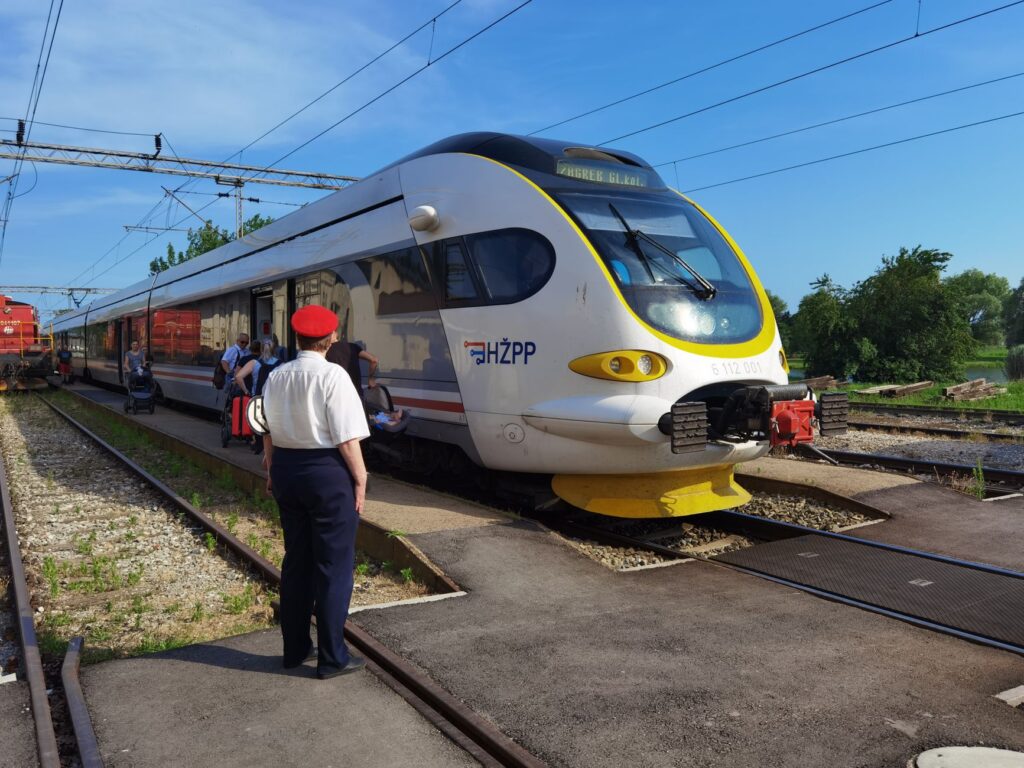
Modernizing a high-mountain railway line without compromising its heritage and landscape value presents colossal technical challenges. Engineers tasked with the rehabilitation have had to balance the partial electrification of the route with the preservation of historic tunnels failing to meet modern clearance standards. The solution emerged through state-of-the-art hybrid trains capable of switching seamlessly between electric traction in upgraded sections and low-emission generators in segments where overhead catenary wires prove unfeasible due to visual impact or geological instability.
Furthermore, major stations along the route, such as the emblematic Konjic terminal, have been equipped with solar panels and energy storage systems to power their facilities and electric bicycle charging stations. This comprehensive approach proves that Europe’s peripheral regions can lead the ecological transition through tailored solutions adapted to their orographic realities, showing that sustainability is not an exclusive privilege of affluent metropolitan areas boasting multi-million-dollar budgets.
The railway does not merely transport passengers across the Bosnian geography; it mends a fragmented social fabric and proves that high-mountain ecotourism is the only sensible response to the collapse of secondary roads.
Impact on the Local Economy and the Fight Against Rural Exodus
The exodus of young populations from the mountainous regions of Bosnia-Herzegovina toward urban centers or northern Europe has ranked among the most severe demographic crises of the past decade. A lack of stable employment opportunities and geographic isolation condemned these communities to progressive abandonment. With the revitalization of the railway line, a window of opportunity has opened for green jobs and nature-tourism services, incentivizing young people to remain in their native towns.
Small mountain-guide cooperatives, local artisans, and restaurants relying on zero-kilometer produce have flourished around the train stops. Travelers choosing this route eschew the impersonal luxury of mass tourism resorts, seeking instead an authentic immersion into the culture of the Bosnian valleys. The train thus acts as a natural filter, selecting a more respectful visitor conscious of environmental fragility and willing to constructively engage with host communities.
Logistical Hurdles and Outstanding Challenges for Project Consolidation
Despite undeniable progress, the definitive consolidation of this green railway corridor faces significant hurdles. Bosnia-Herzegovina’s fragmented state bureaucracy frequently complicates coordination among the various regional bodies responsible for infrastructure maintenance. Similarly, ticketing integration between different operators remains incomplete, forcing travelers to navigate complex procedures when combining train tickets with local connecting bus services.
Another pressing battlefront is waste management in high-mountain areas adjacent to the tracks. The gradual increase in hikers and cyclists requires strengthened systems of selective waste collection and environmental education to prevent tourist influxes from degrading the very landscapes they seek to appreciate. Local authorities are actively working to establish an environmental watch committee comprising local community members and university experts—a participatory governance mechanism aiming to preempt the negative impacts of overcrowding.

Industrial Heritage as an Engine of Cultural Identity
Beyond its ecological and economic functionality, the Sarajevo-Mostar railway stands as a living monument to industrial archaeology. Former repair workshops in Mostar, masonry viaducts defying deep abysses, and switchman cabins preserved according to late 19th-century architectural canons constitute an invaluable cultural heritage demanding careful preservation and interpretation.
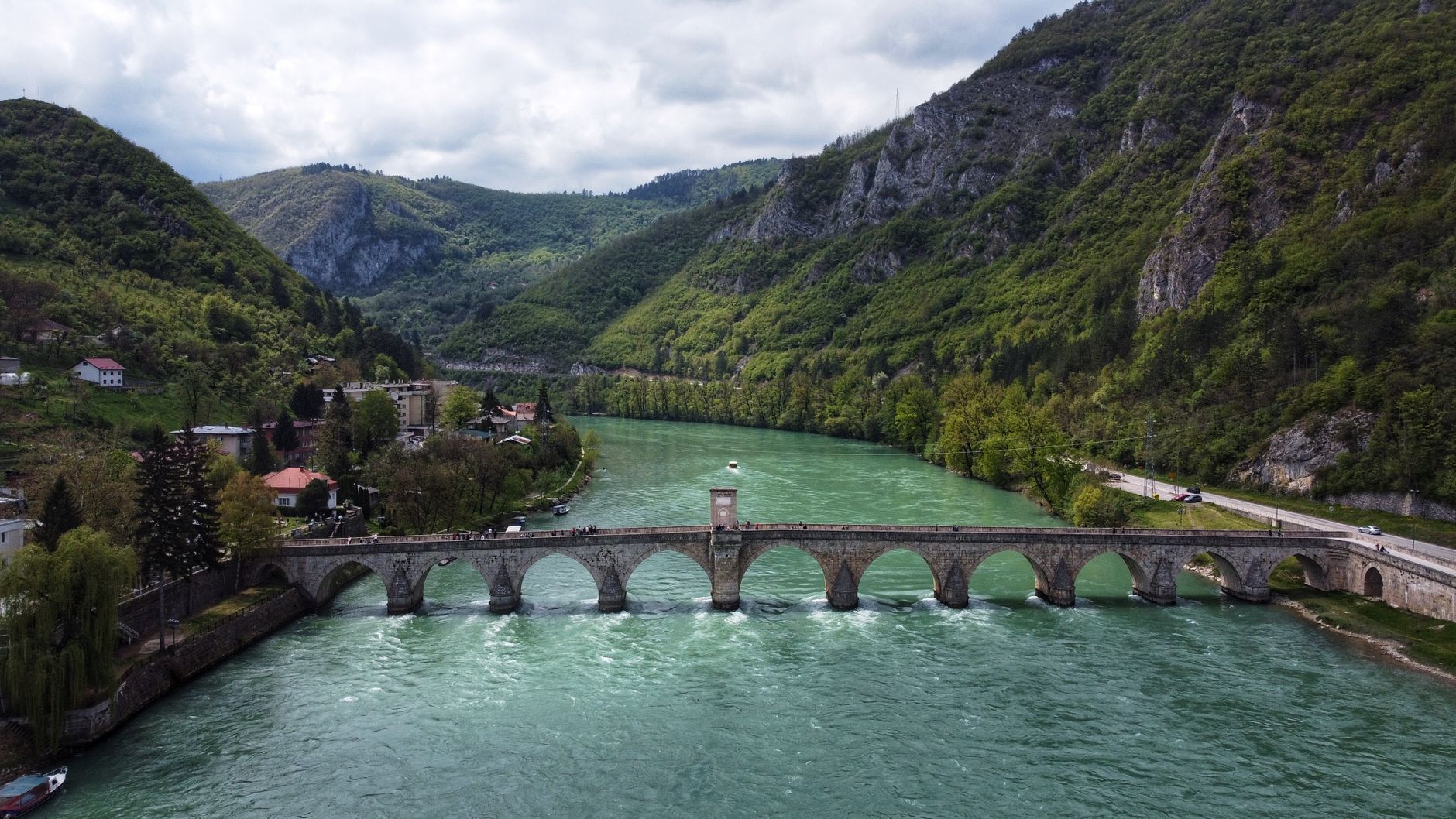
International volunteer programs and partnerships with European architecture universities have enabled the cataloging and restoration of key elements within this legacy. Far from turning the line into a sterile theme park, the guiding commitment has been keeping it fully operational, integrating industrial history into the traveler’s everyday experience. Witnessing a modern train cross a centuries-old stone bridge serves as the most powerful visual metaphor of a country reconciling its past with a clean mobility future.
Practical Information for the Conscious Traveler
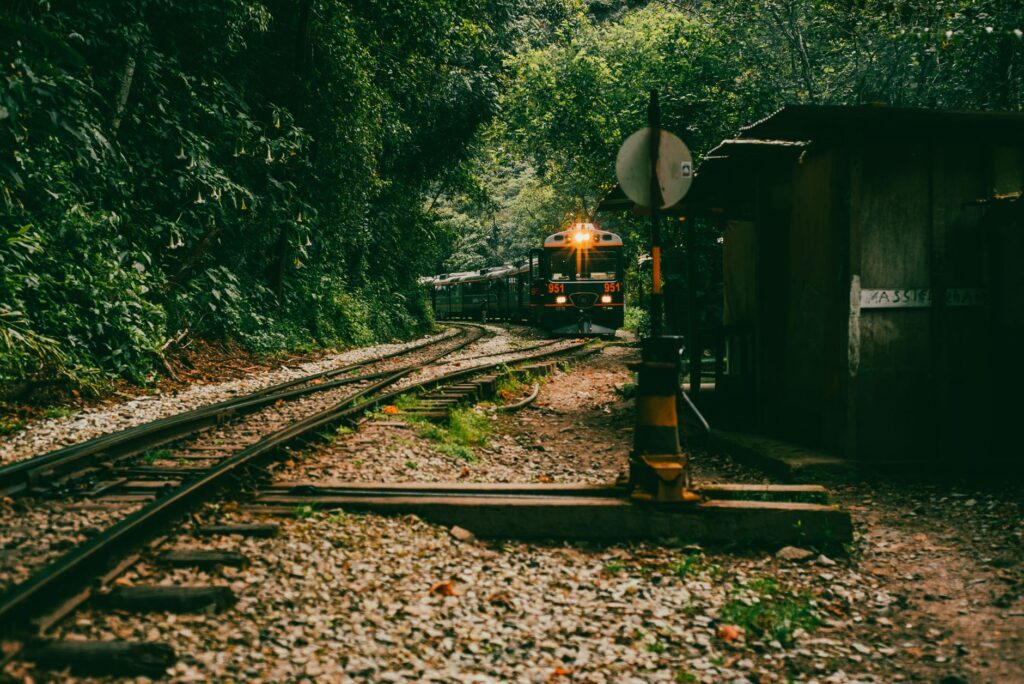
Planning a journey along this railway corridor demands a perspective distinct from conventional tourism. The line operates multiple daily frequencies connecting Sarajevo and Mostar in a journey lasting approximately two hours and fifteen minutes, universally praised by specialized travel critics as one of Europe’s most scenic train rides.
- Best Time to Visit: The spring months (May and June) and early autumn (September and October) offer optimal temperatures for combining the train journey with hiking routes, avoiding peak summer crowds.
- Tickets and Reservations: While purchasing tickets directly at major stations is possible, checking updated timetables on the official Federation of Bosnia and Herzegovina Railways (ŽFBIH) platforms and booking in advance during peak season weekends is strongly recommended.
- Complementary Mobility: Most intermediate stations offer traditional and electric bicycle rental services, ideal for exploring adjacent valleys without relying on combustion vehicles.
- Environmental Guidelines: All travelers are strictly required to adhere to leave-no-trace principles, utilizing recycling bins located on platforms and respecting nesting areas of protected species within the gorges.
The true measure of this route’s success is not tallied in economic profits generated, but in its capacity to keep the silence of the canyons and the dignity of their inhabitants entirely intact.
Looking to the Horizon: Expanding the Network Toward the Adriatic
The relative success of the Sarajevo-Mostar stretch has ignited debate regarding the feasibility of restoring wider historical connections linking the Balkan interior to the Adriatic Sea coast. Preliminary projects are currently examining the reopening of historic links toward Dubrovnik or the port of Ploče, which would enable the structuring of a truly transnational transport network rooted in sustainable rail traction.
This projected expansion would not only alleviate the unsustainable pressure of coastal road traffic during summer months, but would also solidify Bosnia-Herzegovina as a European benchmark in rail ecotourism. The core challenge will lie in maintaining the delicate balance between the modernization required to attract international audiences and the preservation of that rugged authenticity making this corner of the Balkans entirely unique. Ultimately, the future of sustainable mobility in Europe relies not solely on cutting-edge technology in major capitals, but on the ability to rescue and reinvent historic infrastructures that, much like this mountain railway, carry sustainability in their very foundations of stone and steel.