A geological abyss where earth yields to water
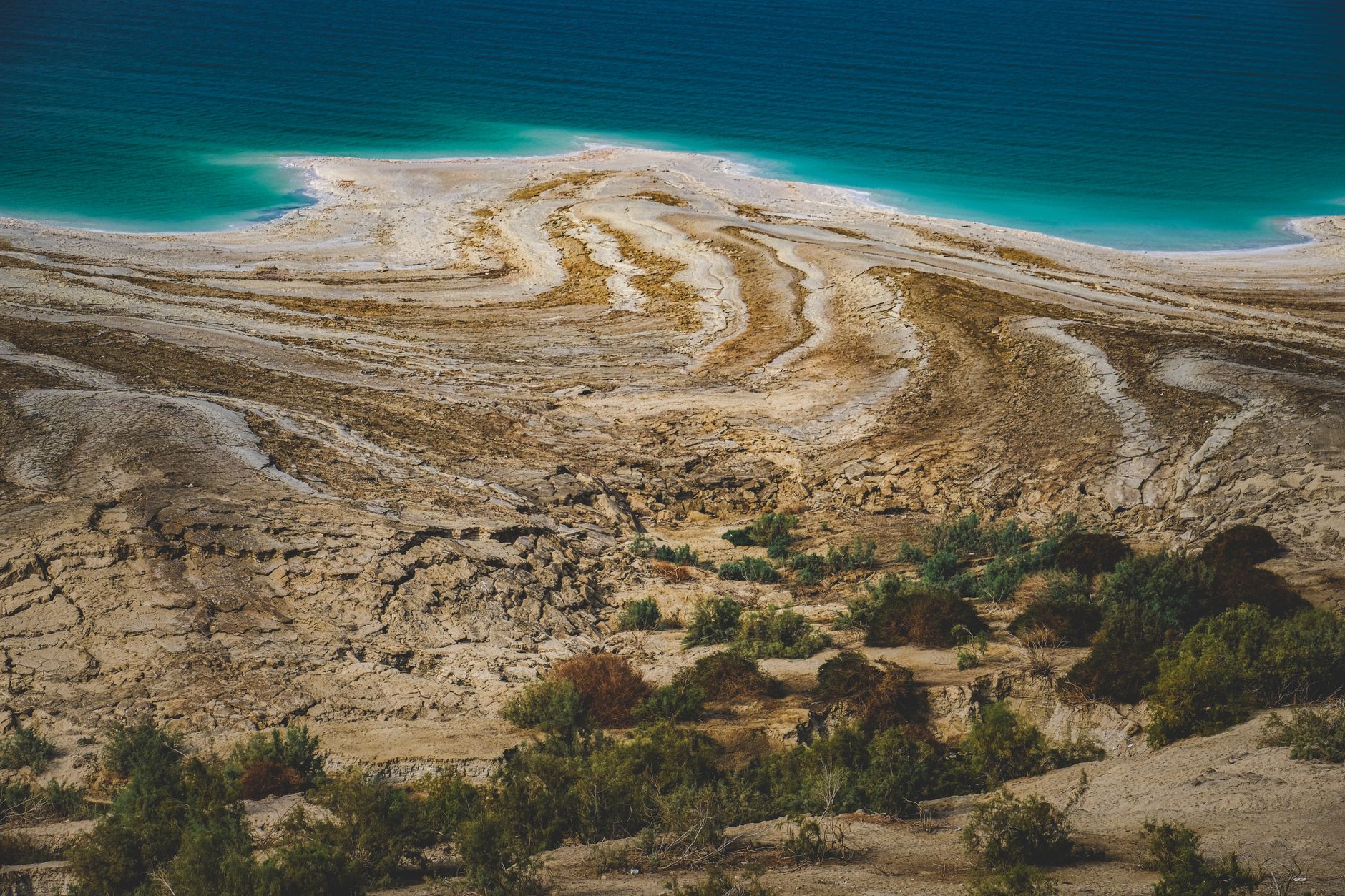
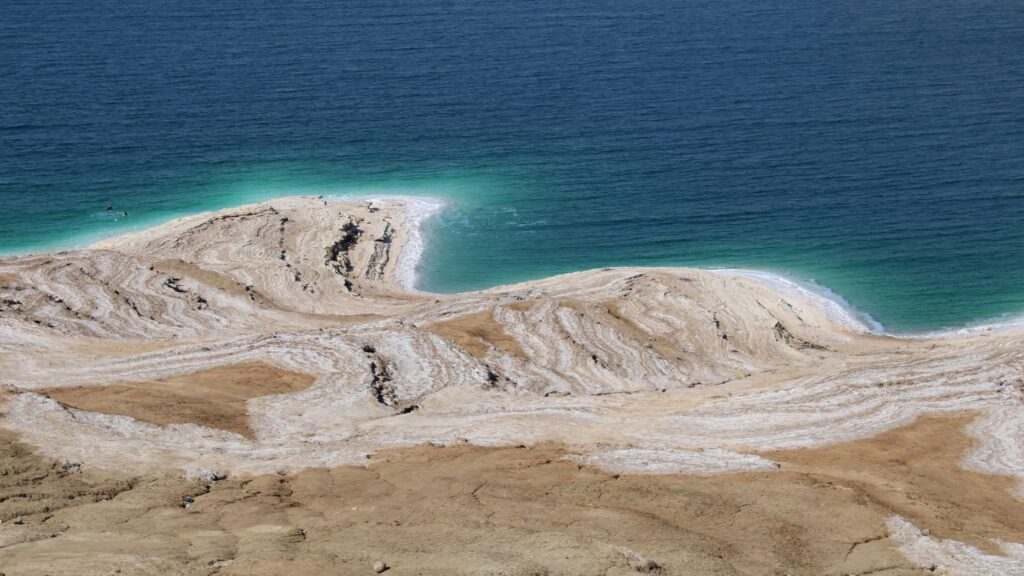
Descending toward the Dead Sea is crossing an invisible border where the very atmosphere changes density. Located more than four hundred meters below sea level, this endorheic lake shared by Jordan, Israel, and the West Bank represents the lowest depression on the Earth’s surface. The dryness of the air, filtered through a thick atmospheric layer that mitigates ultraviolet radiation, grants the landscape a silvery, diffuse, and almost surreal light. Here, water flows toward no ocean; it evaporates beneath the relentless desert sun, leaving behind an unparalleled mineral concentration exceeding thirty percent.
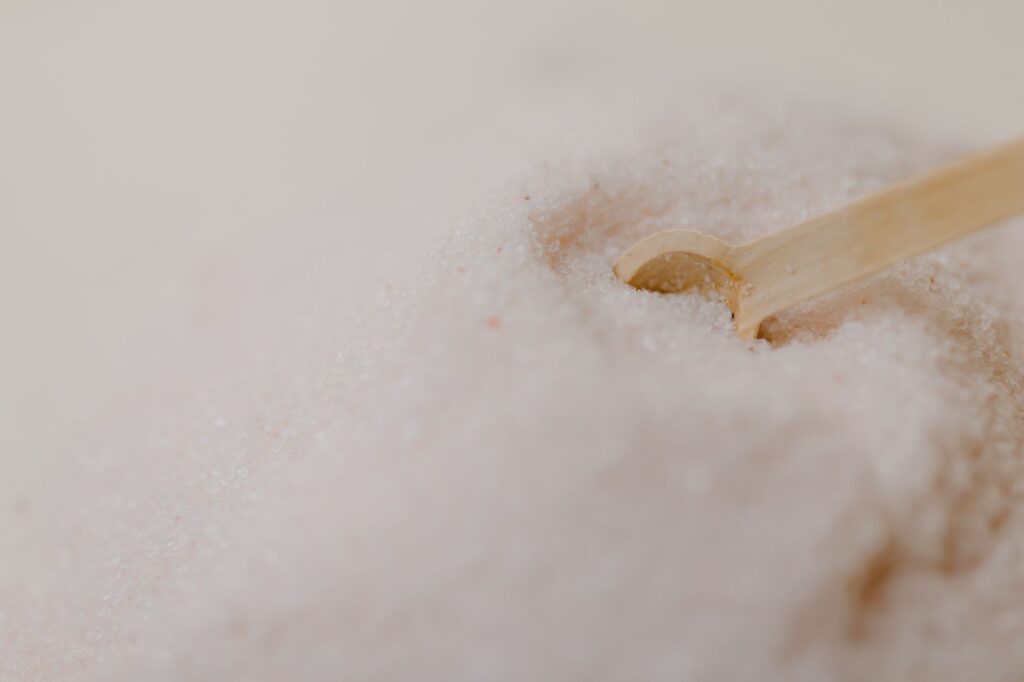
Since antiquity, this basin has exerted a magnetic fascination on travelers, healers, and hermits. Ancient Egyptians used its magnesium, sodium, and potassium-rich muds for royal mummification and cosmetic ointments. Today, contemporary science empirically validates what ancient civilizations intuited: the unique combination of black muds, hypersaline waters, and an oxygen-rich climate creates an unrepeatable therapeutic ecosystem. However, this extreme environment is also fragile. The hydrological balance that has sustained its existence for millennia is threatened today by the diversion of its natural sources and industrial exploitation.
The miraculous chemistry of buoyancy and skin health
Immersing oneself in the Dead Sea defies the physical laws of conventional swimming. Due to the extremely high density caused by magnesium, sodium, calcium, and potassium chlorides, the human body floats effortlessly on the surface, as if suspended in a vacuum. This weightlessness provides immediate biomechanical relief to overburdened joints and the spine, a phenomenon extensively studied by international rheumatology. The healing properties of these waters are not limited to muscular rest; the high concentration of minerals acts directly on severe dermatological conditions such as psoriasis and atopic eczema.
Extreme salinity is not a sign of biological death, but the catalyst of an ancient natural pharmacy that defies the aridity of the surrounding desert.
The health centers and spas lining the Jordanian and Israeli coasts harness these characteristics through advanced medical protocols. Treatments combine saltwater baths, the application of mineral-rich muds, and controlled sun exposure. Unlike other regions, the air in this depression contains higher barometric pressure and a superior concentration of oxygen, favoring cellular oxygenation and reducing blood pressure in hypertensive patients under medical supervision.
Monastic landscapes and the echo of the Dead Sea Scrolls
The value of the region extends far beyond dermatology and balneotherapy. The arid hills descending steeply toward the water mirror have been, since biblical times, a refuge for ascetics, prophets, and monastic communities seeking spiritual isolation. Near Qumran on the western shore, archaeological discoveries in the mid-twentieth century revealed one of the most important documentary treasures in human history: the Dead Sea Scrolls. These manuscripts in Hebrew, Aramaic, and Greek, safeguarded in ceramic jars inside limestone caves, offer an unprecedented window into Second Temple Judaism and the origins of Christianity.
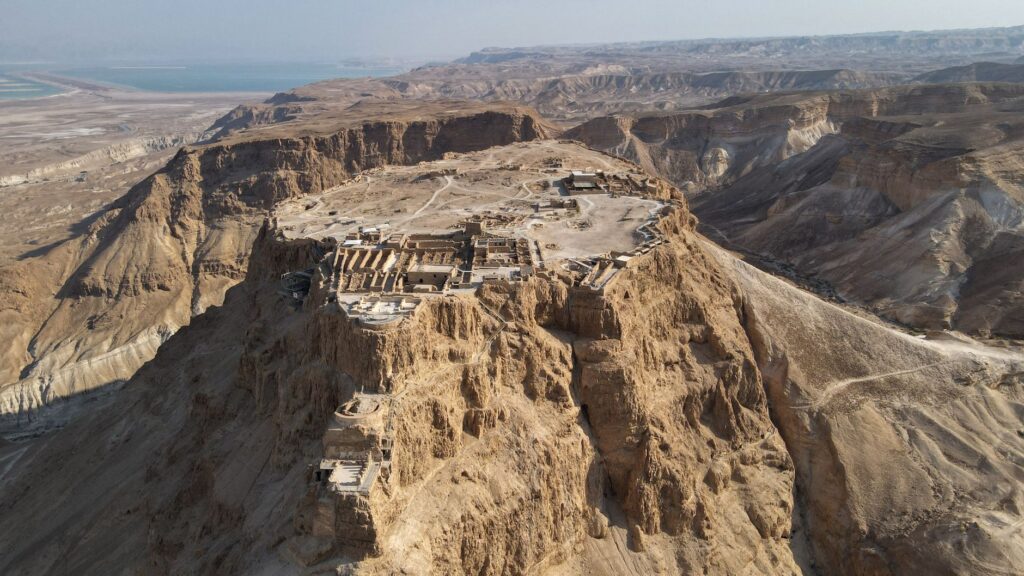
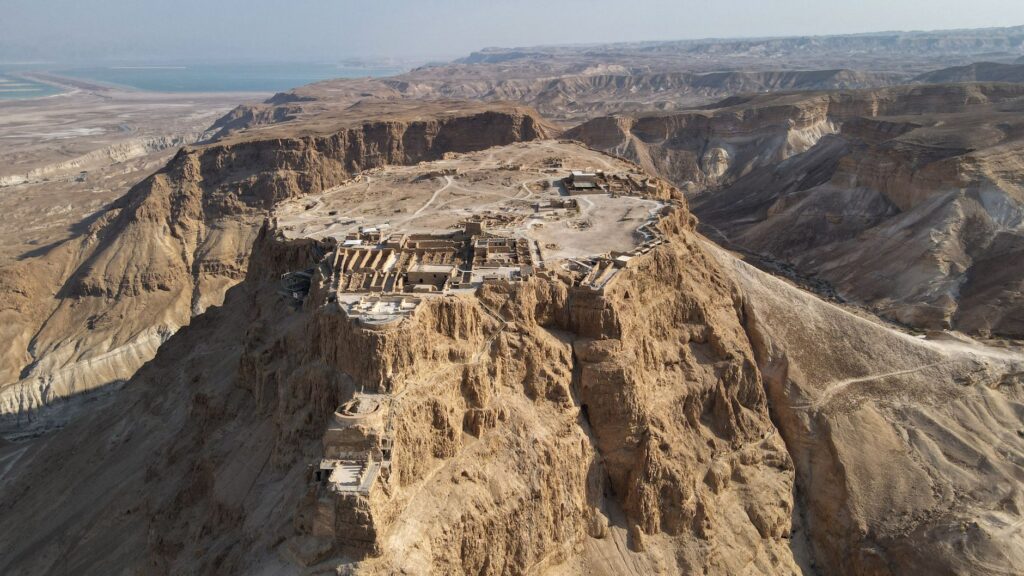
Desert architecture in this environment manifests through austere structures, monasteries clinging to cliffs like Saint George in Wadi Qelt, and ruins of Herodian fortresses like Masada, which stands upon a rocky plateau dominating the marine horizon. These sites are not mere tourist attractions; they are historical milestones narrating stories of resistance, fanaticism, exile, and extreme faith under harsh environmental conditions.
Tourism architecture and sustainable design on the shore
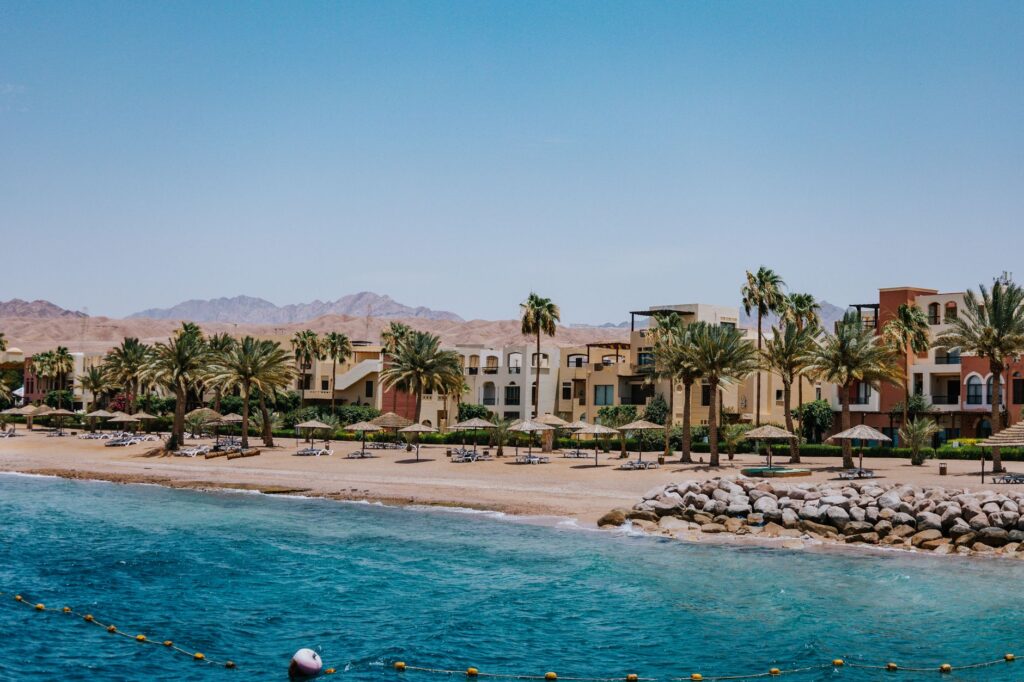
Hotel development along the shores of the Dead Sea has evolved dramatically over recent decades. From ultra-luxury resorts to low-impact eco-lodges, contemporary architecture in the area seeks to integrate into the lunar landscape without competing with its monumental scale. The use of local stone, earth tones, and passive cooling systems has become the standard for minimizing ecological footprints in such a delicate environment. Designers face a titanic challenge: building structures capable of withstanding the extreme corrosion caused by environmental salinity and high summer temperatures.
Contemporary resort complexes incorporate cutting-edge thalassotherapy and spa centers, where the ancient tradition of wellness merges with modern water technology. Nonetheless, tourism sector growth raises complex questions about water resource sustainability. Efficient water management, greywater treatment, and the protection of fragile coastal biodiversity are central themes in regional urban planning agendas.
Ecological challenges: the slow agony of water levels
The greatest challenge facing the Dead Sea does not stem from mass tourism, but from an unprecedented ecological crisis. Since the 1960s, the massive diversion of the Jordan River—its primary historical tributary—by riparian countries for agriculture and human consumption, compounded by mineral extraction plants’ intensive evaporation activity, has caused a drastic drop in water levels. The lake shrinks by approximately one meter each year, a devastating phenomenon altering the region’s geological stability.
The most visible and dangerous consequence of this decline is the formation of sinkholes: massive subterranean cavities opening suddenly when underground fresh water dissolves subterranean salt deposits left by the retreating sea. These sinkholes have destroyed roads, bridges, tourist facilities, and agricultural land, turning formerly safe coastal zones into hazardous landscapes. International cooperation projects, such as the proposed canal connecting the Red Sea to the Dead Sea, seek to stabilize water levels and generate desalinated energy, though they face enormous political, financial, and environmental complexities.
Gastronomic culture and Bedouin traditions in the desert
The culinary culture of the Dead Sea region reflects the confluence of Levantine, Bedouin, and Mediterranean influences, adapted to water scarcity and climate harshness. Staple foods are preserved through traditional techniques like sun-drying, fermentation, and the generous use of local olive oils, wild herbs like za’atar, and spices like cumin and sumac. Among Bedouin communities still herding in the surrounding wadis, hospitality is governed by ancestral codes where bitter coffee flavored with cardamom and desert herbal tea are indispensable symbols of welcome.
Sitting in the shade of a Bedouin tent as the sun dips behind the Judean mountains offers a human perspective transcending tourist brochures and connecting the traveler to the timelessness of the desert.
Local markets in nearby towns offer unique regional products, from dates grown in oases fed by underground springs to certified cosmetics crafted from muds and salts extracted under strict environmental regulation. Valuing these artisanal products directly contributes to local community economies and fosters tourism with heightened cultural awareness.
Practical information for the mindful traveler
Planning a trip to the Dead Sea requires understanding the region’s physical and climatic particularities. Summer temperatures regularly exceed forty degrees Celsius, making the best visiting period from spring (March to May) to autumn (September to November), when weather is milder.
- Essential gear: Wear rubber footwear to enter the water, as the shoreline is dotted with sharp salt crystals and rock formations. Do not submerge your head or splash fellow bathers; saltwater contact with eyes causes intense pain.
- Swimming limits: It is recommended not to exceed fifteen or twenty minutes per session in the water due to high mineral absorption and pressure on the cardiovascular system. Rinse immediately with fresh water at beach showers.
- Sun protection: Despite atmospheric filtration, radiation can cause severe burns. Use broad-spectrum sunscreen, UV-protected sunglasses, and stay constantly hydrated.
- Access and safety: Strictly respect warning signs regarding sinkhole risk zones and access only authorized beaches equipped with lifeguard services.
Epilogue: The persistence of beauty at the lowest point
The Dead Sea is not a conventional leisure destination; it is an experience demanding contemplation, respect, and awareness. In a hyperconnected, fast-paced world, this mirror of salt and minerals offers a paused space where ancient geology and ecological fragility converse in silence. Looking at crystal-clear waters reflecting golden desert ridges at sunset makes it clear that preservation is not merely environmental engineering, but an ethical duty toward one of the planet’s most unique and fragile landscapes.
Source in EN: Safari India / Google News