
Introduction to Eurasia’s Great Railway Artery
The railway system connecting Moscow with Vladivostok and Beijing via Ulaanbaatar represents one of the greatest engineering feats and most demanding travel experiences on the planet. Spanning over nine thousand kilometers in its Siberian variant and more than seven thousand in the Trans-Mongolian branch, this steel network is not merely a means of transport, but a continent in motion, a geopolitical corridor, and a logistical challenge requiring rigorous metropolitan planning. Understanding its operation requires stripping the journey of naive romanticism and approaching the traverse with the rigor of a geographic expedition.
The history of this route dates back to the 1891 imperial decree signed by Tsar Alexander III, a colossal project designed to connect European Russia with the Pacific and consolidate sovereignty over vast uninhabited territories. Today, the lines operated by Russian Railways (RZD) and the national networks of Mongolia and China remain the backbone of internal trade and mobility for these nations. For the contemporary traveler, planning this route involves mastering time zones, understanding differences between carriage classes, and managing multiple visas in one of the most administratively complex regions on earth.
The Three Main Routes and Their Operational Geography
The complex web of transcontinental tracks is traditionally divided into three major itineraries sharing the initial trunk from Moscow to the Ural region and Lake Baikal. The classic Trans-Siberian runs entirely through Russian territory to the Pacific port terminal of Vladivostok, bordering the ocean along 9,289 kilometers and crossing eight time zones without leaving the sovereignty of the Russian Federation.
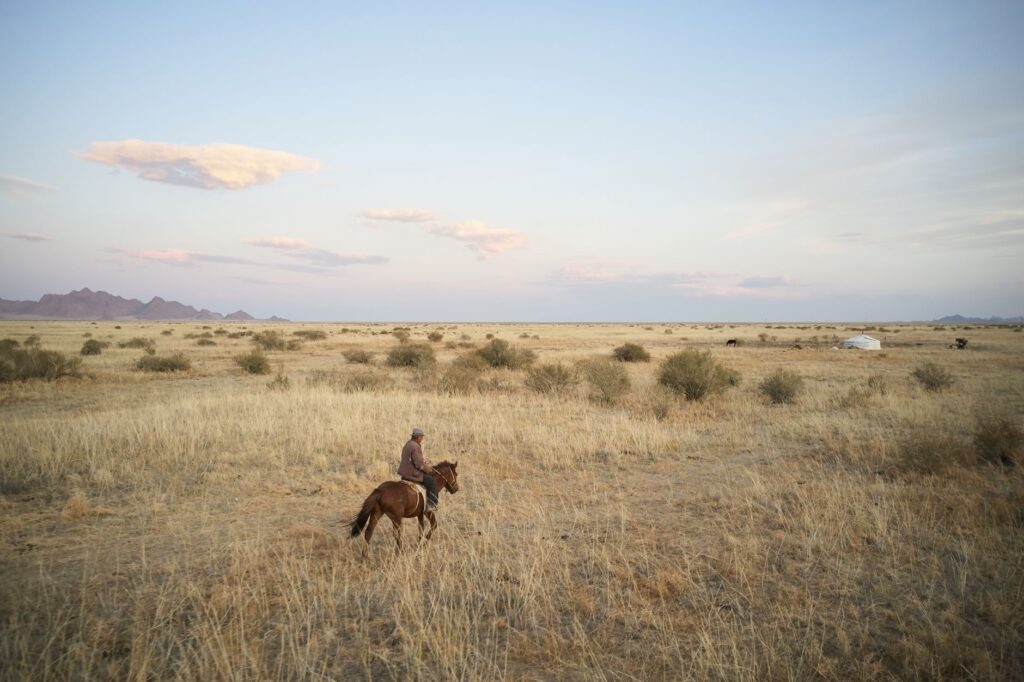
The variant most demanded by international expeditioners is the Trans-Mongolian, inaugurated in the 1950s. This branch splits off at Ulan-Ude, east of Lake Baikal, to enter Mongolia, traverse the vastness of Ulaanbaatar, and descend southward through the arid expanse of the Gobi Desert before entering the People’s Republic of China to terminate in Beijing. Finally, the Trans-Manchurian follows a similar path to the Mongolian one but splits off earlier, crossing directly from Russia into northeastern China without touching Mongolian soil. Each of these routes demands specific entry requirements, with the Mongolian and Chinese visas being independent procedures that must be handled months in advance.
Temporal Planning and Climatic Seasonality
The choice of when to begin the expedition entirely determines the nature of the experience. The extreme continental climate of Eurasia causes brutal thermal fluctuations ranging from minus forty degrees Celsius in the Siberian winter to over thirty-five degrees in the summer desert basins of Mongolia and northern China.
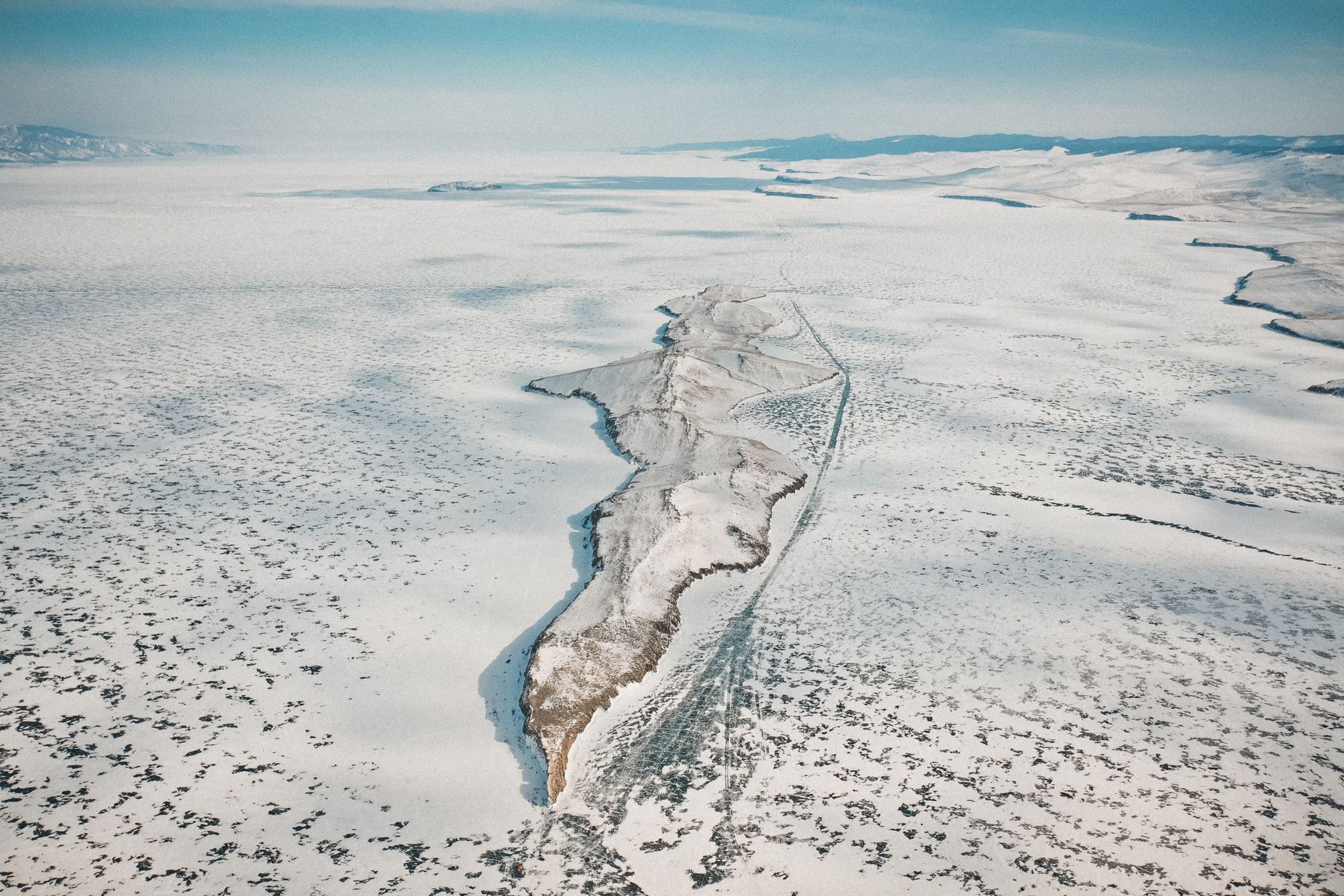
The months between May and September constitute the optimal window for railway navigation due to extended daylight hours and the full operation of secondary tourist infrastructures. However, winter offers an incomparable visual perspective: the snow-covered steppe and Lake Baikal transformed into a transparent sheet of ice over a meter thick attract photographers and experienced travelers willing to endure polar temperatures. Railway authorities maintain carriages warm via centralized steam and coal heating systems, operated constantly by the *provodniks* (car attendants), ensuring a stable interior temperature regardless of the outside thermometer.
Ticket Classes and Hierarchy Aboard the Convoys
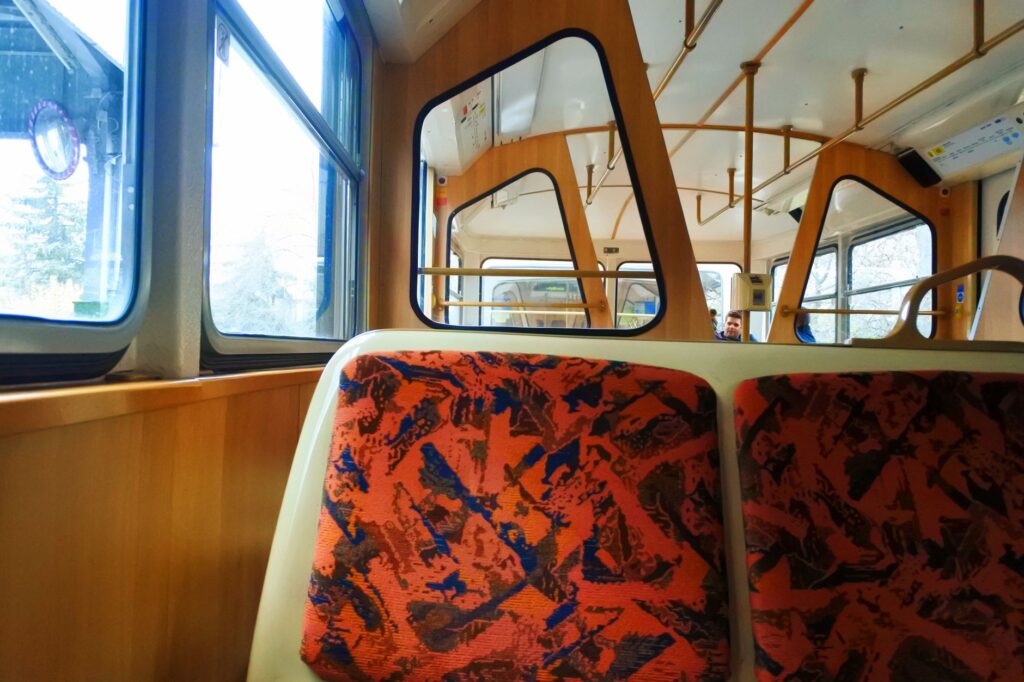
Life aboard the train is strictly organized according to the contracted carriage category. Understanding this structure is fundamental to guarantee well-being during consecutive days of mobile confinement. The most economical and social option is the *Platskart*, an open tourist-class carriage featuring fifty-four bunks distributed in side and central berths without compartment doors. This space fosters intense coexistence with local families, workers, and students, although privacy is nonexistent and noise levels are constant.
The third-class carriage, known as Platskart, is a social microcosm where linguistic and cultural barriers dissolve through the sharing of tea, food, and conversations muted by the constant clatter of the tracks.
For those seeking a more controlled environment, the *Kupé* or closed second-class compartment offers four bunks in rooms fitted with an interior locking door. It is the preferred choice for most international expeditioners due to the balance between cost, safety, and privacy. At the pinnacle of regular offerings is the *Spalnya Vagona* (SV) or first class, featuring compartments with only two bunks and more generous space. It is worth noting that private luxury tourist trains, such as the *Golden Eagle*, operate under completely independent tariffs and itineraries separate from the regular passenger network.
Daily Life and Unwritten Rules Aboard
Adapting to the rhythm of the train requires assimilating daily routines that structure the days of travel. Each carriage has two *provodniks* (typically women on Russian stretches) responsible for checking tickets, delivering clean bed linen, regulating temperature, and maintaining the strict cleanliness of shared bathrooms. The free hot water source located at the end of each carriage, traditionally known as the *samovar* or coal-and-electricity boiler, is the true heart of the convoy: it supplies water for instant soups, noodles, soluble coffee, and the black tea accompanying every hour of travel.
Stops at intermediate stations—some lasting barely two minutes and others up to forty minutes for locomotive changes or technical checks—constitute the only contact with the outside world. On these platforms, popularly known as the platform market, passengers disembark to buy fresh produce from local vendors: smoked Baikal fish (the famous *omul*), wild berries, boiled potatoes, black bread, and artisanal cured meats. It is imperative to watch the clock with military precision; missing the train in the middle of Western Siberia due to platform distraction is a real logistical risk.

Technical Infrastructure and the Bogie-Exchange Process
A fascinating and critical technical aspect of the Trans-Mongolian and Trans-Manchurian is the difference in track gauge. While the Russian Empire and its sphere historically adopted the Russian gauge of 1,520 millimeters (wider than standard gauge), both China and much of Western Europe use the standard gauge of 1,435 millimeters.
This physical discrepancy forces the entire train, upon reaching the Russia-Mongolia border (at Naushki/Sükhbaatar) or the Mongolia-China border (at Erenhot), to undergo a wheel-set or *bogie* replacement operation. Passengers remain inside the carriages while they are hydraulically lifted in specialized industrial bays. Workers dismantle the heavy running gear and replace it with components adapted to Chinese or Mongolian tracks. This technical procedure, lasting between four and six hours, is executed with millimeter precision and forms an inseparable part of the route’s engineering experience.
Practical Guide for Visa and Permit Management
Administrative complexity far exceeds the physical difficulty of the journey. To complete the entire route from Moscow to Beijing, a European Union citizen must rigorously manage up to three independent visas:

- Russian Federation Visa: Requires an official invitation letter (*tourist voucher* or *business invitation*), medical insurance with specific international coverage for Russia, and a digitally completed application form with millimeter precision regarding overnight cities.
- Mongolian Visa: Although temporary exemptions have been applied during certain periods to promote tourism, the general rule requires prior consular processing via accommodation reservation or sponsorship letter.
- People’s Republic of China Visa: Demands a detailed itinerary of flights or train tickets entering and exiting the country, hotel reservations for every night, and physical presentation at authorized visa application centers for biometric data collection.
Any error in entry and exit dates reflected on visas can result in boarding denial at international borders, making proper document management the most critical pillar of the expedition.
Financial Logistics, Connectivity, and Onboard Provisions
The management of cash and electronic payment methods has evolved notably, but cash dependency remains high in rural areas along the tracks. In Russia, the ruble is the exclusive currency, and while international credit cards work in major urban stations, local payment systems have limited interoperability with Western networks. In Mongolia, the tugrik is indispensable for minor transactions at remote stations.
Regarding digital connectivity, mobile network signals disappear for hundreds of kilometers when crossing the Siberian taiga, Mongolian steppes, or Gobi mountainous zones. It is essential to download offline maps beforehand, translation apps with Russian, Mongolian, and Chinese language packs without internet access, as well as literature and multimedia files for personal entertainment. Higher-category carriages occasionally feature alternating current outlets (220V), though in older cars charging points are usually limited to the central aisle, forcing passengers to take turns powering camera and phone batteries.

Security, Health, and Coexistence Protocol
The transcontinental railway system is generally a safe environment due to the constant presence of security personnel onboard (*politsiya* on Russian stretches) and strict access control at major stations. However, coexistence in confined spaces for weeks requires applying basic rules of mutual respect: keeping electronic device volume low after ten at night, cooperating to maintain shared spaces tidy, and respecting schedules in bathrooms and wash areas.
Security on the Trans-Siberian does not depend on external surveillance, but on mutual respect among passengers sharing a confined destination for weeks under the watchful eye of railway staff.
From a sanitary standpoint, it is advisable to carry a complete personal medical kit including medications for gastrointestinal disorders, analgesics, bandages, oral rehydration salts, and specific medical treatments regularly consumed by the traveler, since access to Western pharmacies during short stops is virtually impossible.
Visual Conclusion and Final Reflection on the Steel Horizon
Upon arriving at the Beijing terminal or gazing at the Pacific waters in Vladivostok, the prevailing sensation is not that of having completed a simple tourist trip, but of having crossed the physical and cultural seams of an entire continent. The steel tracks, marked by the relentless passage of convoys for over a century, continue to unite disparate worlds across the geographic vastness of Eurasia. Planning this journey with technical rigor, respect for local regulations, and deep understanding of its logistical reality transforms a simple route into a genuine geographic expedition of international standing.