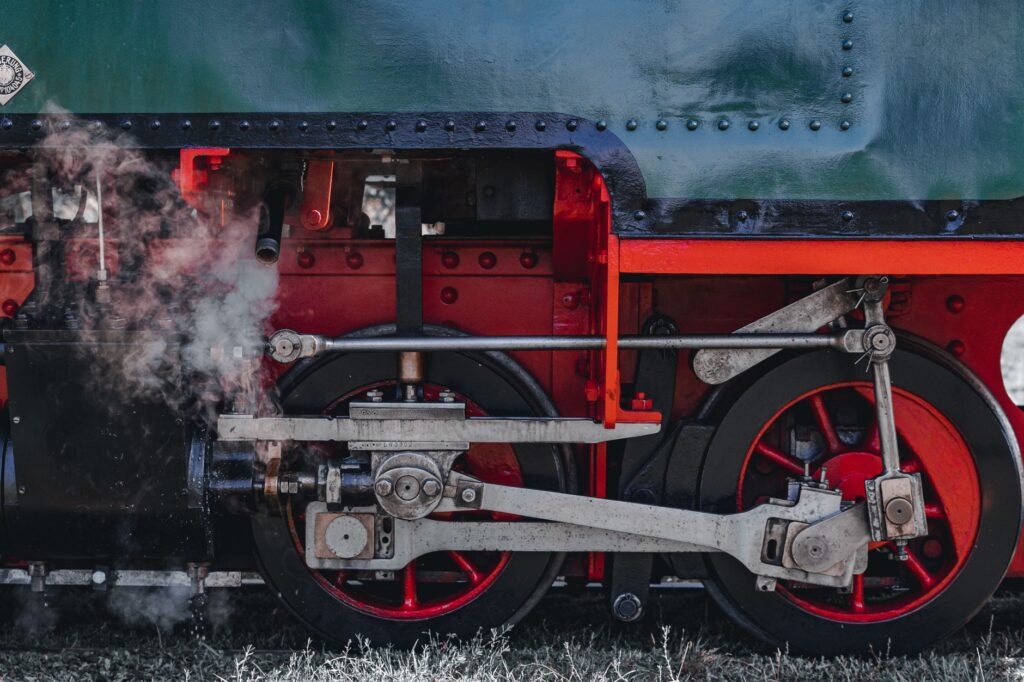
At five in the morning at Mettupalayam railway station, the humid warmth of the Tamil Nadu plains collides with the pungent aroma of ignited coal, heated engine lubricant, and pressurized steam. Resting along the meter-gauge platforms stands one of the world’s most extraordinary railway heritage machines: an X-class locomotive fitted with the Abt rack-and-pinion system, its polished pistons preparing to push a wooden carriage rake up the steep scarps of the Blue Mountains.
The Nilgiri Mountain Railway (NMR), opened in its initial section in 1899 and completed to Udhagamandalam (Ooty) in 1908, is neither a mere tourist curiosity nor a dormant relic. Inscribed as a UNESCO World Heritage Site in 2005 as part of the Mountain Railways of India, this 46-kilometer alignment remains a masterwork of late-nineteenth-century engineering that still functions as an indispensable transit artery and cultural bridge between two radically different geographic worlds.
The geotechnical challenge of the Coonoor escarpment
The geography of the Western Ghats features one of the sharpest topographic breaks on the Indian subcontinent. In just nineteen linear kilometers between the base station of Kallar and the mountain junction of Coonoor, the terrain surges from 300 meters above sea level to over 1,700 meters. For decades, this sheer wall of crystalline granite and dense tropical rainforest thwarted British colonial efforts to establish year-round connections with high-altitude sanatoriums and agricultural settlements.
Swiss engineer Roman Abt devised the definitive technical solution: a central double-rack bar system with staggered teeth that mesh continuously with the locomotive’s driving pinions. This mechanism guarantees constant traction, eliminating slippage on gradients as extreme as 1 in 12.5 (an 8% incline). The innovation established the Nilgiri line as the steepest operational rack railway in all of Asia.
Constructing the alignment required carving sixteen tunnels through solid rock and erecting more than two hundred and fifty stone masonry bridges, viaducts, and iron lattice spans. Every curve was calculated to mitigate the instability of slopes where annual monsoon downpours drop thousands of millimeters of rain, triggering seasonal landslides that repeatedly test the endurance of the original nineteenth-century retaining structures.
The Abt system: precision gearing against the abyss
Unlike standard adhesion lines, the run between Kallar and Coonoor relies on a meticulously rehearsed operational choreography. At Kallar station, the train pauses to attach the steam locomotive at the rear of the rake. The engine never pulls the convoy uphill; instead, it pushes the coaches during the ascent and acts as a mechanical brake during the descent, shielding passengers from any potential failure of pneumatic or manual braking circuits.
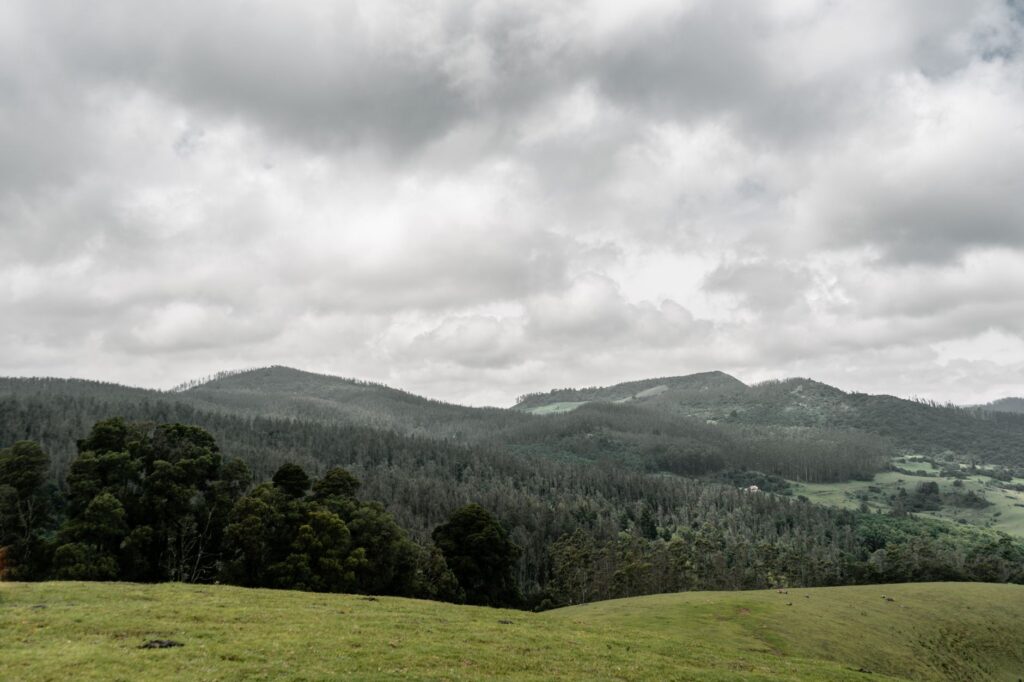
As the locomotive’s cogwheels engage the central Abt rack bars, the familiar rhythmic cadence of the rails deepens into a resonant, metallic hum. Speed drops to roughly twelve kilometers per hour, allowing travelers to observe a profound ecological shift: dry deciduous foothills give way to giant bamboo thickets, subtropical evergreen canopies, and finally, montane shola forests shrouded in perpetual mist.
“The engine crew on the Nilgiri line does not merely monitor boiler pressure; they listen to the teeth of the rack as if tuning an acoustic instrument against the mountain face.”
Human expertise remains irreplaceable along this mountain corridor. Each coach carries a dedicated brakesman standing on the open exterior platform, manually adjusting the wooden brake blocks against the wheels in direct response to the driver’s coded steam whistle blasts.
The Coonoor workshops: living industrial archaeology
Reaching an altitude of 1,712 meters, Coonoor station marks the end of the rack section and the transition to standard adhesion operations toward Ooty. Here lies the operational heart of the railway: the historic maintenance sheds and locomotive workshops of Southern Railway’s Salem division.
Inside these stone-walled, iron-trussed facilities, master mechanics and machinists preserve precision metalworking, forging, and fitting techniques that have vanished from modern high-speed railway networks. Many replacement components for the venerable SLM (Swiss Locomotive and Machine Works) engines from Winterthur, as well as newer units produced by the Golden Rock Workshop in Tiruchirappalli, are custom-crafted directly on these vintage workbenches.
- Operational pressure: Steam boilers maintain a steady working pressure of 14 to 16 bar to power both the adhesion drive cylinders and the independent rack-wheel pinion drive.
- Energy transition: Historic coal-burning units have been systematically converted to furnace oil and refined biodiesel burners to cut particulate emissions while preserving peak tractive torque.
- Track maintenance: Track gangs patrol the entire 46-kilometer route on foot every morning before sunrise, testing rack-bolt torque and clearing highland rockfall channels.
Highland communities: lives synchronized by the whistle
Beyond its technical prestige, the Nilgiri Mountain Railway is an essential lifeline for the agrarian communities settled along the mid-elevation slopes. Remote hamlets surrounding stations such as Hillgrove, Adderley, and Runnymede often lack paved road access, relying exclusively on daily train halts for their supply of food staples, mail, and medical necessities.
For the region’s indigenous Toda, Kota, and Badaga communities, the railway is an enduring constant woven into their ancestral landscape for over a century. On the stone platforms of Hillgrove, Badaga farmers load woven baskets of fresh highland vegetables cultivated on steep terrace plots, transporting their harvest down to the regional markets of Coonoor and Mettupalayam.
Station masters still operate the classic Neale’s Ball Token apparatus—a fail-safe mechanical signaling device that physically prevents two opposing trains from occupying the same single-track section. Performed with solemn precision at every passing loop, this ritual embodies an unbroken continuum of nineteenth-century operational safety.
The ecology of elephant corridors and mountain cloud
The railway traverses the core zone of the Nilgiri Biosphere Reserve, one of the world’s most critical biodiversity hotspots. The tracks cross ancient seasonal migration paths of the Asian elephant (Elephas maximus), Bengal tiger, and Indian leopard, requiring constant environmental vigilance from locomotive drivers and track inspectors.
In contrast to multi-lane mountain highways, whose massive excavations cause severe habitat fragmentation and frequent wildlife casualties, the train’s low operating speeds and contour-hugging geometry harmonize remarkably with the surrounding rainforest. Along the forested stretches between Adderley and Hillgrove, bonnet macaques, Nilgiri langurs, and sambar deer frequently forage undisturbed within arm’s reach of the slow-moving carriages.
The heavy fog that blankets these peaks for over half the year adds an ethereal sensory layer to the ascent. In the upper elevations, the towering canopy of century-old blue gum eucalyptus, Himalayan cedars, and tree-sized rhododendrons diffuses the sunlight, creating an atmospheric realm where the engine’s white steam plume merges seamlessly with the mountain mist.
From colonial tea estates to highland agrarian sovereignty
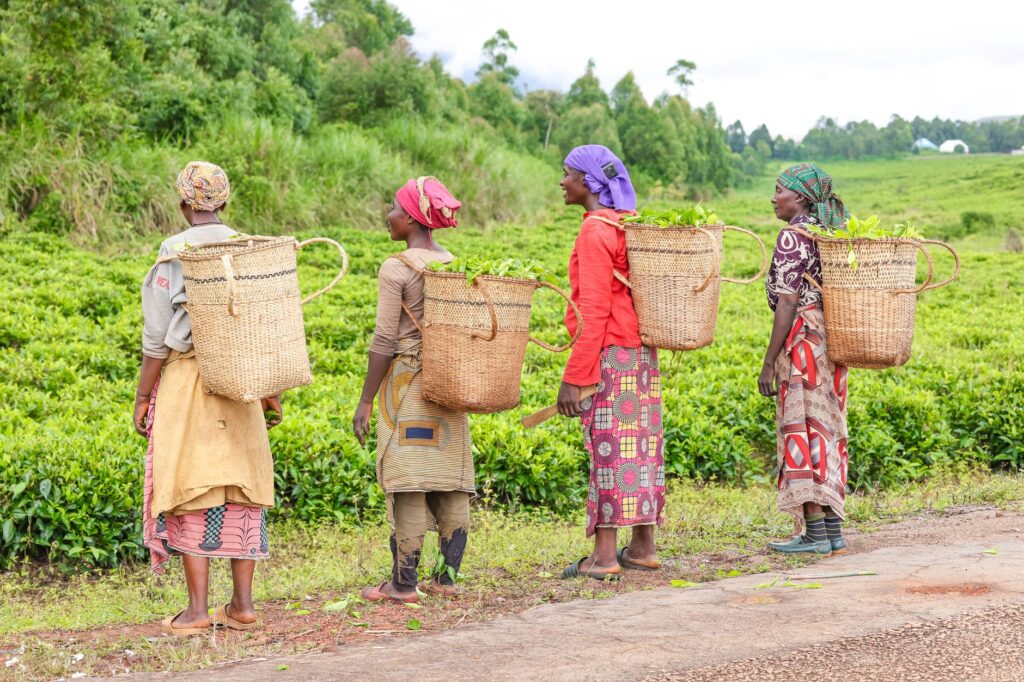
The origin of the railway was tied directly to the expansion of commercial tea plantations during the nineteenth century. The precipitous slopes of the Nilgiris, blessed with temperate weather, high rainfall, and well-drained acidic soils, proved ideal for cultivating high-grown Camellia sinensis, world-renowned for its distinct floral bouquet and bright golden liquor.
Historically, the train provided swift dispatch of processed orthodox teas from mountain factories like Glendale, Highfield, and Singara down to the port of Madras (now Chennai) for global export. Today, although bulk freight has largely shifted to road transport, the railway preserves vital logistical utility for smallholder farming collectives dealing in fair-trade tea, specialty arabica coffee, green cardamom, and black pepper.
“The train did not merely carry crates of tea down to imperial ports; it transported the agrarian workforce that transformed these wild precipices into a living mosaic of highland agriculture.”
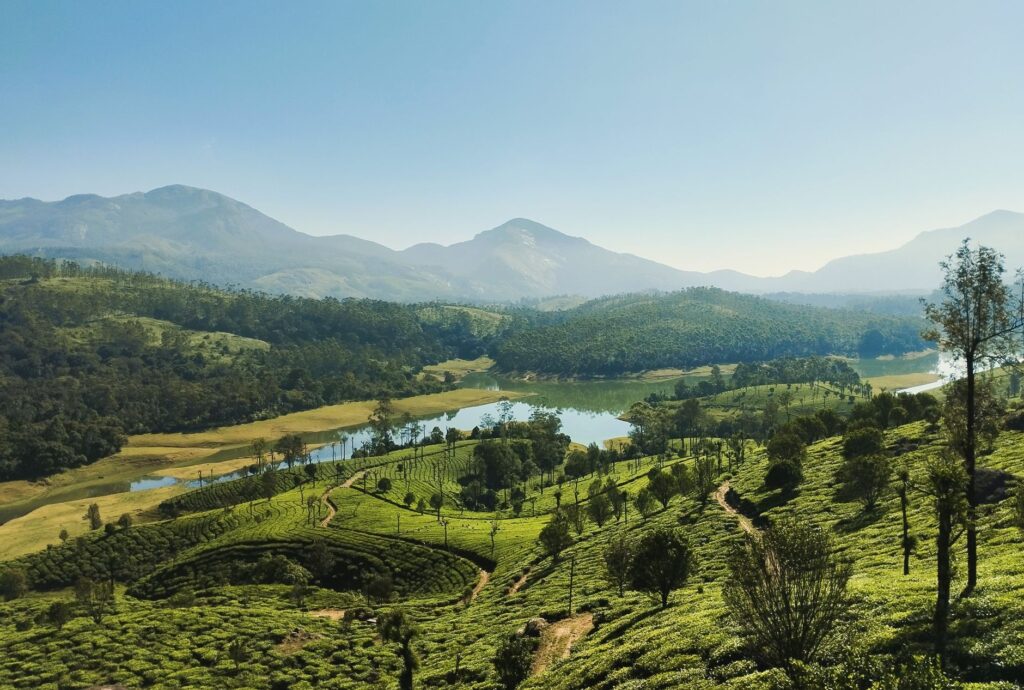
In the undulating Ketti Valley, celebrated for its gentle microclimate and sweeping vistas, tea plantations share the landscape with terrace-farmed rows of carrots, potatoes, and garlic. The station at Ketti remains an enduring monument to this dynamic symbiosis between rail transport and smallholder farming traditions.
Heritage preservation against the monsoonal onslaught
Sustaining an operational railway infrastructure over 120 years old in one of South Asia’s most geologically active mountain zones demands immense engineering and financial commitment from Southern Railway. Each seasonal cycle of the southwest and northeast monsoons subjects the mountain embankments to severe hydraulic stress.
In recent years, railway civil engineers have deployed sophisticated geotechnical solutions, pairing high-tensile steel rockfall netting and gabion retaining walls with bioengineering techniques using deep-rooting native flora to stabilize vulnerable cuttings. The overriding mandate is to protect operational continuity while safeguarding the architectural authenticity of UNESCO-listed stone viaducts and drainage culverts.
Simultaneously, specialized apprenticeship programs in the Coonoor workshops ensure the intergenerational transfer of rare craft knowledge—from steam engine firing and boiler fitting to custom rack-pinion fabrication—guaranteeing that mechanical heritage survives long into the modern era.
Practical guide
Booking and scheduling
Given the immense popularity of the heritage line and the limited carrying capacity of the meter-gauge rakes (typically four to five coaches), travelers should book seats through the official Indian Railway Catering and Tourism Corporation (IRCTC) portal at least 60 to 90 days in advance. First-class compartments feature cushioned seating and wider panorama windows, whereas second-class offers an unvarnished, authentic interaction with commuting local villagers.
Route profiles and connections
The primary uphill steam-hauled service departs Mettupalayam at 07:10, arriving in Udhagamandalam (Ooty) at approximately 12:00, completing the ascent in just under five hours. The return downhill run departs Ooty at 14:00, reaching Mettupalayam by 17:35. For travelers with tighter schedules, Southern Railway runs three additional diesel-hauled shuttle services daily along the upper sector between Coonoor and Ooty.
Weather considerations and gear
The temperature drop between the humid plains at Mettupalayam and the summit at Ooty frequently exceeds 15 °C. Layered clothing is essential, including a windproof waterproof jacket and a warm fleece for evening arrivals in Ooty, where temperatures often fall below 10 °C from November through February. Always carry protective dry bags for photographic gear to guard against heavy condensation and sudden mountain showers.
Key landmarks along the line
- Adderley Viaduct: A dramatic stone bridge arching across a plunging river gorge framed by wild coffee bushes and pristine montane canopy.
- Hillgrove Station: Mandatory water replenishment stop for the steam engine; the perfect spot to sample freshly brewed local Nilgiri tea and mountain bananas.
- Ketti Valley: One of the widest panoramic vistas on the entire line, showcasing rolling patchwork terraces framed by distant blue-tinted ridges.
- Ooty Railway Museum: A compact historical archive situated at the terminus station, displaying rare colonial photographs, mechanical models, and vintage track instruments.
Echoes of steam in the memory of the hills
As evening descends over the terminal platforms at Udhagamandalam, 2,203 meters above sea level, the locomotive’s boiler releases its final plume of white steam among towering eucalyptus trees. Travelers disperse into the cool mountain air toward the hillside lanes of the former colonial summer capital, while engineers and maintenance crew members gather around the engine to inspect piston linkages and brake pads.
In this high corner of southern India, the rack-and-pinion railway transcends its identity as a historic engineering triumph to become an emotional lifeline binding generations of highlanders and plains dwellers. The deep whistle echoing across the Coonoor gorges is more than an announcement of an approaching train; it is the enduring heartbeat of human perseverance and mechanical mastery thriving in balance with the towering verticality of nature.