
The Ancient Route to the Sacred Stone
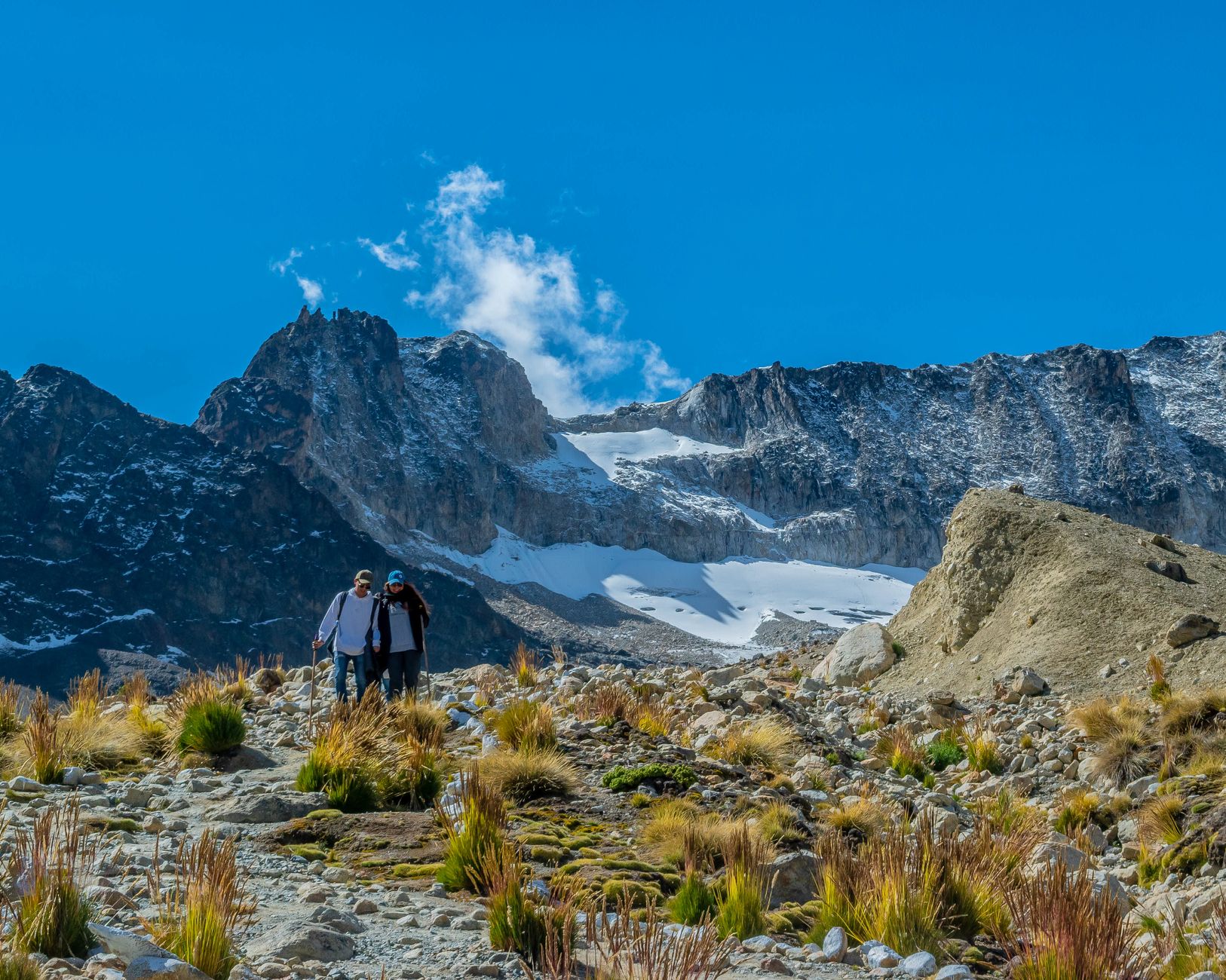
The Classic Inca Trail is far more than a simple hiking route; it is a historically precise pathway engineered by Andean builders who defied the most rugged topography on the planet. Over four days of autonomous trekking, walkers move from the temperate valleys of the Cusichaca River to the inhospitable grasslands of the alpine cordillera, crossing mountain passes that touch four thousand two hundred meters in altitude. Every carved stone step and every ancient retaining wall reveals the mastery with which the Inca Empire integrated monumental architecture into the heart of vertical geography, compelling the contemporary traveler to understand the land under the same laws of respect and adaptation that governed half a millenium ago.
Understanding this traverse requires stripping away any expectations associated with conventional tourism. The scarcity of oxygen, the unpredictable meteorology of the eastern Andes, and the accumulated physical demands turn each day into a test of concentration and endurance. It is not merely a matter of accumulating kilometers, but of reading the landscape through its archaeological ruins, its wild orchid-populated cloud forests, and its vertiginous abysses flowing into the Urubamba basin. This report details the technical, logistical, and cultural aspects essential for tackling the expedition with safety guarantees and profound interpretive rigor.
Geography and Climatology of the Andean Sanctuary
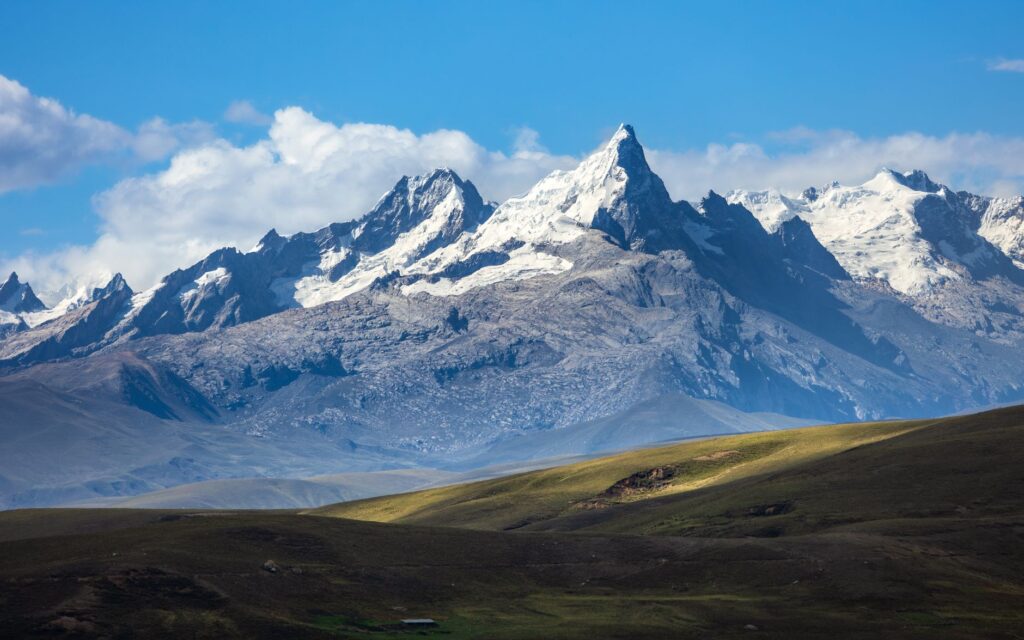
The geography of the Inca Trail is characterized by its extreme verticality. In just forty-three kilometers, the trail descends from high-andean passes to the Amazonian ceja de selva, experiencing drastic changes in temperature and humidity within a matter of hours. This ecological transition turns the route into a unique biological mosaic, where ichu grasslands and high-altitude bogs coexist with dense cloud forests inhabited by the spectacled bear and numerous endemic bird species.
The precipitation regime is sharply marked by austral seasonality. Between November and March, torrential rains hinder progress and considerably increase the risk of landslides on clayey slopes. Conversely, the dry season, spanning from May to September, offers clear skies during the day although night temperatures frequently plummet below freezing in high-altitude camps such as Pacaymayo or Phuyupatamarca.
The silence of the Andean abysses is not an emptiness, but the resonance of a civilization that carved its history into the very rock we walk upon today with respect and awe.
Expedition Logistics and the Role of Communities
No expedition to the Inca Trail can be conceived without the fundamental backing of local communities and the porter union. These men and women, mostly originating from rural communities in the Sacred Valley, sustain the logistical infrastructure by transporting camping equipment, food, and support structures necessary for expeditionaries. The fair management of their loads, regulated by strict government norms, constitutes an uncompromising ethical pillar for any traveler who values the human sustainability of the journey.
The planning of food rations and drinking water provisioning requires rigorous mathematical calculation. Despite the presence of small mountain streams, surface water near the trail must be systematically treated through filtration and chemical purification due to agricultural and livestock runoff from the upper zones. Authorized agencies must demonstrate absolute commitment to the cold chain and waste management, ensuring that not a single gram of plastic or organic trash remains in the fragile ecosystems of the Machu Picchu National Archaeological Park.
Physical Preparation and Acclimatization in Cusco
The greatest obstacle faced by the trekker is not distance or slope, but hypobaric hypoxia derived from altitude. Arriving in the city of Cusco, situated at three thousand four hundred meters above sea level, demands a strict acclimatization protocol of at least forty-eight to seventy-two hours before starting the march at Kilometer 82. During this preliminary period, low-intensity walks around Sacsayhuamán or Chinchero are recommended to allow the body to gradually increase its red blood cell production.
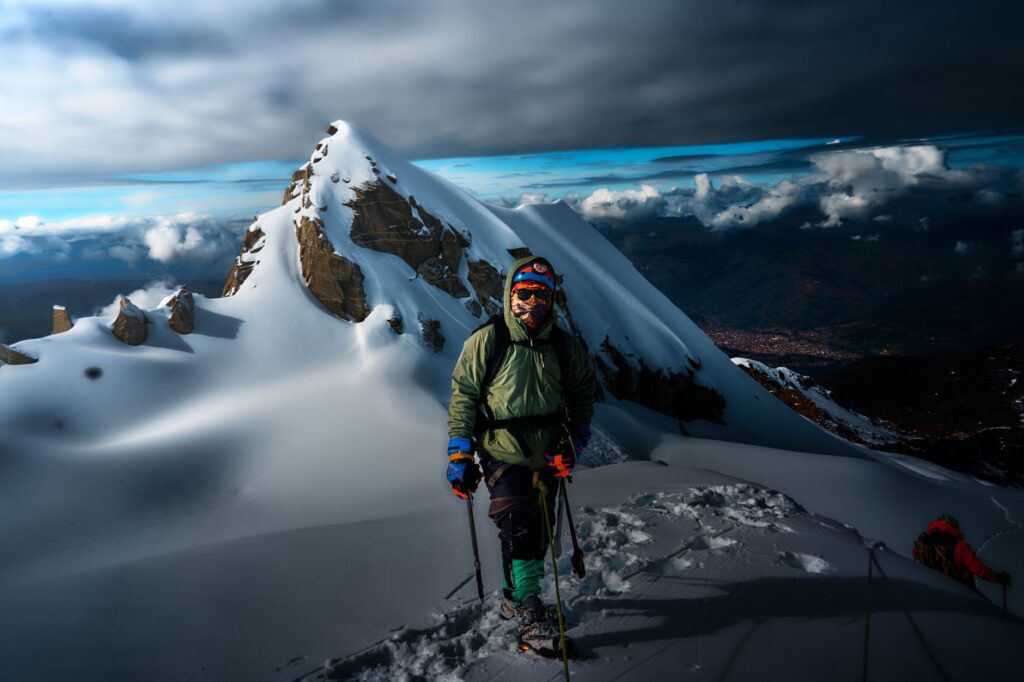
Prior physical training should focus on eccentric quadriceps strengthening and baseline aerobic capacity. The endless Inca stone staircases, composed of thousands of irregular steps, subject the knees to severe mechanical stress both on prolonged ascents and on the dreaded descents toward Wiñay Wayna. The use of trekking poles with protective rubber tips is essential to reduce joint impact and maintain balance on exposed ledges.
The Day-by-Day Itinerary Along the Royal Path
The first day of marching begins at the point known as Km 82 or Piscacucho. The trail meanders alongside the rushing Urubamba River, offering a relatively accessible introduction that allows the group’s pace to be gauged and the first archaeological structures of Patallacta to be contemplated. The slope begins to harden significantly toward the end of the day in the Wayllabamba valley, where the first camp is pitched beneath the imposing presence of Mount Veronica.

The second day constitutes the expedition’s supreme test. The uninterrupted ascent toward the Abra of Warmiwañusqa, popularly known as Dead Woman’s Pass, demands overcoming four thousand two hundred and fifteen meters of altitude. Breathing becomes heavy and every step requires absolute concentration. After crowning this geographical colossus, the route descends abruptly toward the Pacaymayo valley to camp in an environment dominated by vertical rock walls and ephemeral waterfalls.
The Architecture of the Heights
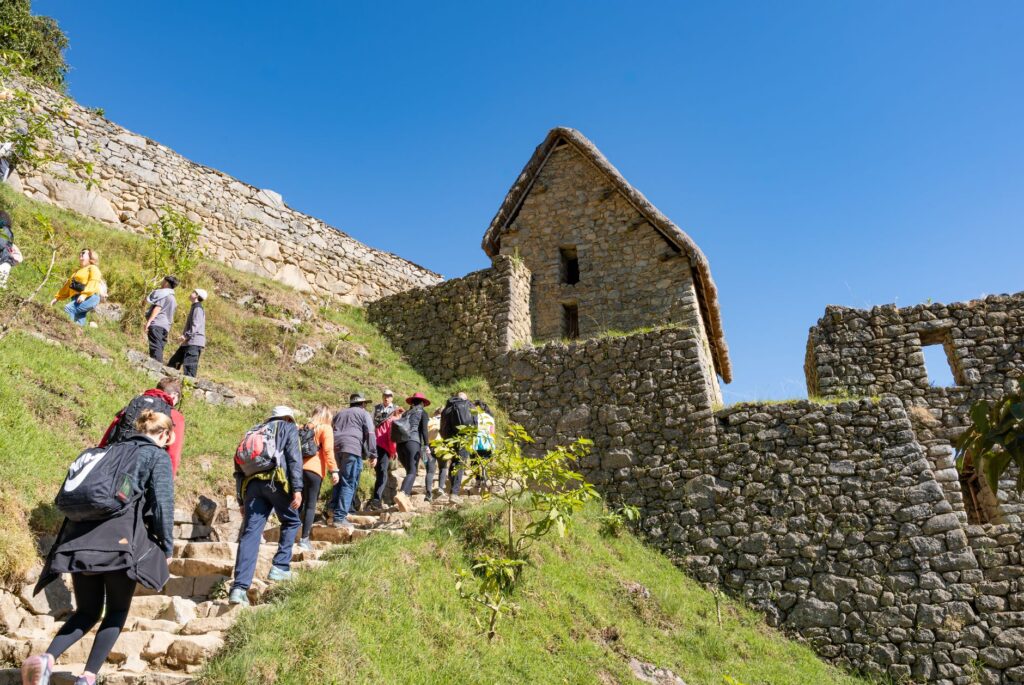
The third day rewards accumulated effort with unmatched archaeological deployment. The trail meanders through the Runkurakay and Sayacmarca complexes, true hanging fortresses designed to watch the Andean horizon. Inca hydraulic engineering manifests in all its splendor at Phuyupatamarca, the city in the clouds, where a series of cascading ceremonial fountains channel pure water from the sacred summits to the canyons’ abysses.
The final night is experienced at the Wiñay Wayna campsite, an agricultural and religious complex anticipating the magnificence of the final goal. The dawn of the fourth day starts before sunrise to traverse the final stretch leading to Inti Punku, the Sun Gate. From this rocky threshold, the first rays of the sun illuminate Machu Picchu’s temples and terraces for the first time, closing a cycle of physical and mental effort that redefines the traveler’s relationship with the Andean territory.

Practical guide
- Permits and Reservations: Daily slots are strictly limited to five hundred people by the Machu Picchu Management Unit, forcing reservations to be processed six to eight months in advance through authorized agencies.
- Recommended Season: The dry season, from May to September, guarantees lower rain probability, though it requires booking with a wider time margin due to high international demand.
- Mandatory Equipment: Broken-in trekking boots, technical merino wool layering system, waterproof jacket with a breathable membrane, sleeping bag with a comfort rating of at least -10 °C, and trekking poles.
- Documentation: Original valid passport with which the reservation was made, valid ISIC international student card if applicable, and cash in Peruvian soles for minor expenses.
- Health and Safety: Personal first aid kit including altitude sickness medication, antihistamines, analgesics, elastic bandages, and water purification tablets or UV filtration system.
Emotional Epilogue in the Mist Citadel
When the bustle of tour groups arriving by train begins to dissipate at dusk, the Machu Picchu citadel recovers its true spiritual and silent dimension. Contemplating the silhouettes of surrounding peaks, like Huayna Picchu and Putukusi, shrouded in floating cloud forest vapors, generates a profound sense of timelessness. The traveler who has walked every meter of the stony trail is not contemplating mere archaeological ruins, but the tangible testimony of a culture that succeeded in engaging in equal dialogue with the most inscrutable and wild nature.
Being there, with aching muscles and memory full of indelible images, confirms that the true value of the expedition lies not in the final postcard, but in the inner transformation wrought along the trail. Every carved stone, every surmounted effort in high mountain passes, and every dawn shared under the mantle of austral stars configure an unrepeatable vital experience, a permanent reminder of human resilience facing the pride and immensity of Andean summits.