


The Civil Cathedral of Valencian Provisioning
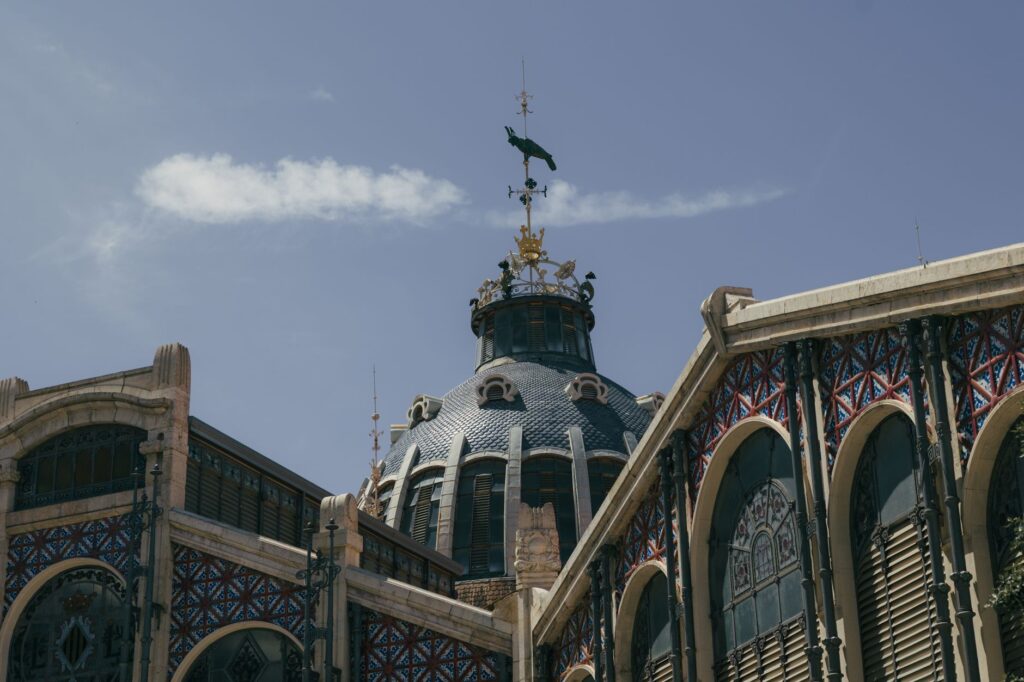
Few urban spaces encapsulate the identity of a culture as precisely as its main market. In Valencia, the Central Market is not merely a commercial exchange point, but a masterpiece of iron and glass architecture that functions as the true beating heart of the city. Inaugurated in the early 20th century after decades of projects and debates, this modernist colossus represented a hygienic and aesthetic revolution for the bourgeoisie and working classes of the era. Its polychrome domes, combining glazed tiles with trencadís mosaic, crown an interior where Mediterranean light pours in zenithally to illuminate a monumental display of fresh produce.
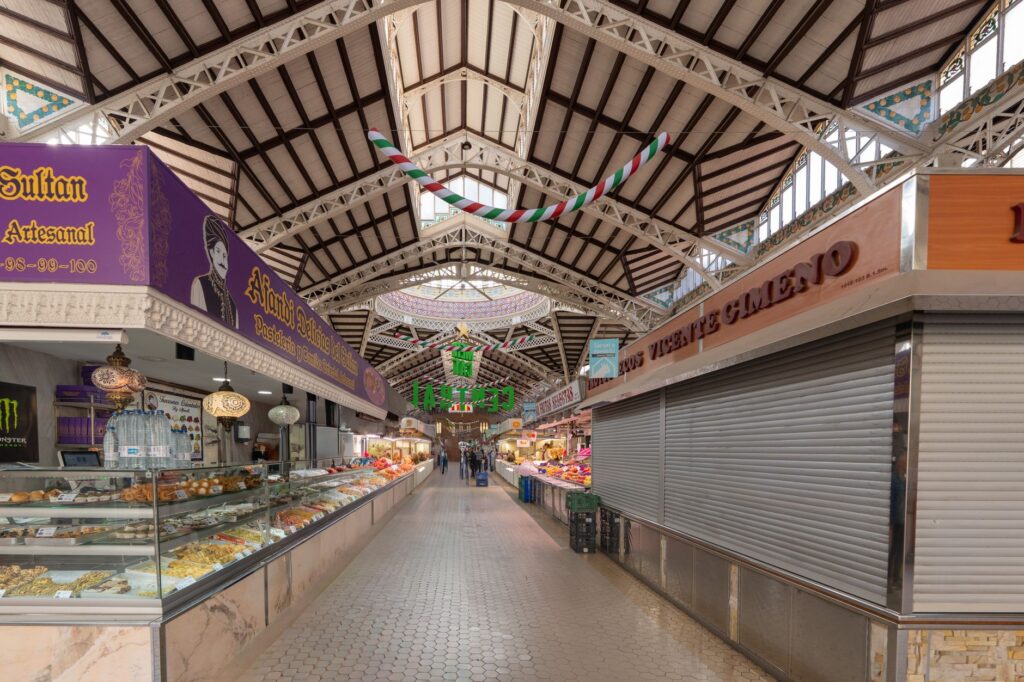
Walking through its aisles is like stepping into a living museum where the hum of shoppers blends with the rhythmic thud of knives on the wooden chopping blocks of the butcher stalls. The lightweight, diaphanous metal structure allows air to circulate freely, mitigating the summer heat and creating a unique acoustic atmosphere. Every corner of the building responds to a rigorous functional logic, separating fish, meat, and vegetable zones while integrating them into a unitary visual narrative that pays homage to the fertility of the Valencian land and the richness of its coastal strip.
The Surrounding Orchard: The Agricultural Lung
The produce filling the stalls of the Central Market is incomprehensible without the existence of the Valencian huerta, a historic irrigation system of Andalusian origin that constitutes a unique cultural landscape in Europe. This millenary network of irrigation ditches, managed by the Water Court—the oldest active legal institution in Europe—feeds a mosaic of plots where farming is conducted with criteria of proximity and seasonality. Here, the land never rests; it yields vegetables of exceptional quality thanks to the combination of fluvial sediments and the mildness of the coastal climate.
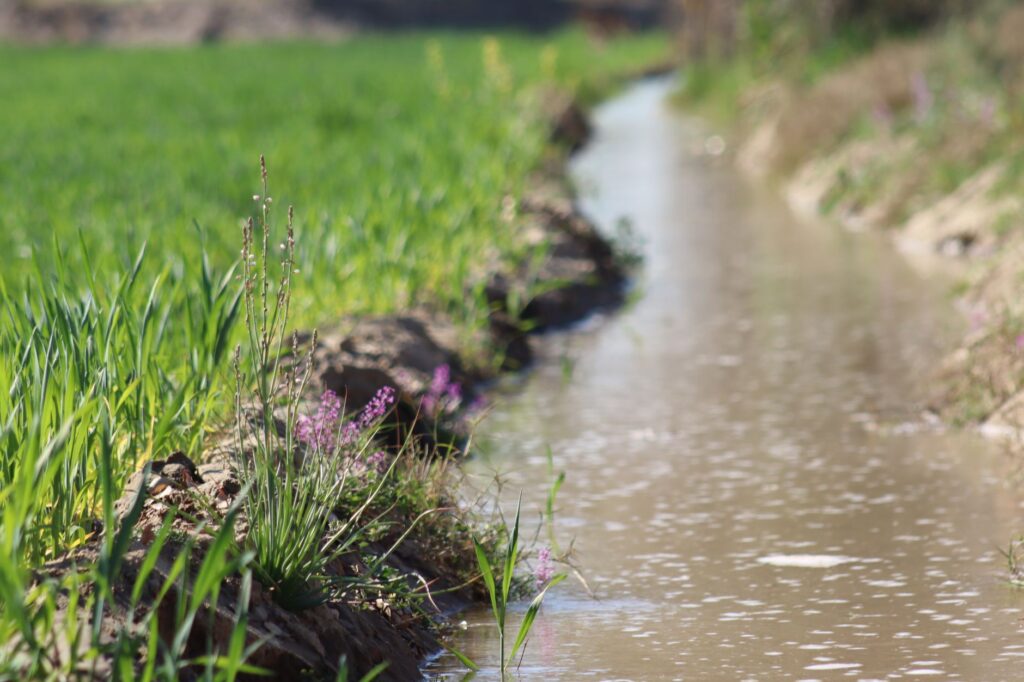
Benicarló artichokes, Alboraya tiger nuts, Valencian tomatoes, and an infinite variety of citrus fruits arrive at the stalls before dawn. Bakers and vendors maintain direct commercial relationships with local farmers, perpetuating a small-scale circular economy model that contrasts with the standardization of large supermarkets. This umbilical cord between the countryside and the city is the keystone of local gastronomy, based on absolute respect for the product and minimal culinary intervention to let the original flavor shine.
The Valencian huerta is not merely a territory of agricultural production; it is a living archive of the hydraulic and social memory of the Western Mediterranean.
The Grao Fish Market and the Fishermen’s Guild
Just a few kilometers from the historic center, the port and maritime neighborhood of Grao supply the market fishmongers daily with the treasures of the Gulf of Valencia. Inshore fishing boats return in the afternoon with catches ranging from Denia red prawns to wild sea bass, rock octopus, and the small pelagic fish essential for the broths of maritime cuisine. The fish market, a historic building adjacent to the port activity, continues to host the traditional auction where restaurateurs and wholesalers buy in a silent, expert struggle.
The blue fish and mollusks of the Valencian coast possess a particular minerality derived from the currents and seabed of the continental shelf. In the market stalls, seafood professionals explain to customers how to distinguish fresh cuttlefish by the shine of its skin or how to calculate the exact cooking point of spiny rock crabs destined for rice stocks. Mastery in the selection of marine produce is a discipline passed down from generation to generation among the market vendors.
Alboraya’s White Gold: The Culture of the Tiger Nut
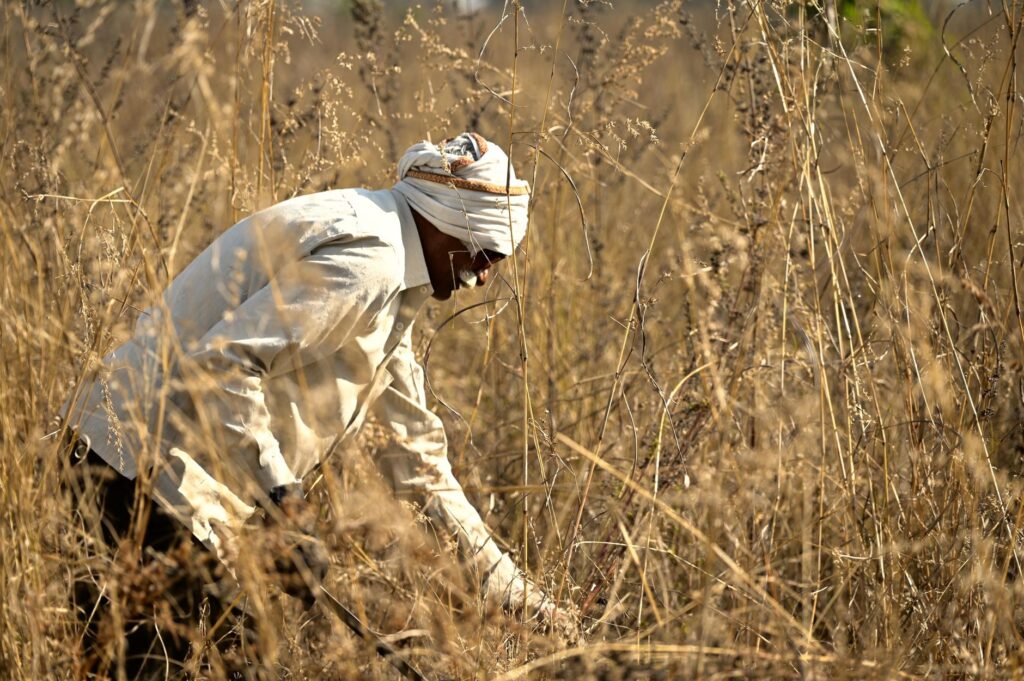
Among all the agricultural products circulating through the market, the tiger nut (Cyperus esculentus) occupies an almost mythological place. This small subterranean tuber, cultivated exclusively in a small area of the l’Horta Nord region—with its epicenter in the municipality of Alboraya—found its ideal habitat in the sandy soils and humid coastal climate of Valencia since the Arab domination. Its harvesting, which takes place between November and January, is a artisanal process requiring air-drying in traditional chambers to concentrate its natural sugars and essential oils.
The transformation of the tiger nut into horchata is a ritual combining centennial tradition with strict contemporary bromatological controls. In the specialized market stalls and historic horchaterías of the old town, the tuber is rehydrated, ground with stone millstones, and pressed to extract a dense, aromatic plant-based milk with a subtle ivory hue. Consuming horchata accompanied by warm fartons is an act of cultural communion that defines the city’s summer rhythm and condenses the essence of an agriculture adapted to its environment.
Rice, the Albufera, and the Geometry of the Casserole
No analysis of the Valencian market would be complete without examining the central role of rice, a cereal whose massive cultivation transformed the landscape south of the city with the creation of the Albufera Natural Park. Varieties such as Senia, Albufera, and Bomba possess unique physical and chemical properties: their ability to absorb broths without losing firmness in the core makes them irreplaceable tools for paella and mellow rice dishes.
On the ground floors of the Central Market, stalls dedicated exclusively to legumes and rice offer open sacks where different grain sizes and shades can be appreciated. Vendors advise on which variety to choose depending on whether one is cooking a dry wood-fired rice, a baked rice in a clay pot, or a maritime broth. Precision in choosing rice is the first commandment of Valencian cuisine, a territory where the main dish is an exercise in culinary geometry and respect for cooking times.
From Stall to Plate: The Popular Cookbook
The influence of the market transcends the walls of the modernist building to shape the daily cooking of households and restaurants across the city. Dishes like traditional Valencian paella—which dispenses with seafood and relies on chicken, rabbit, flat green beans, and large butter beans—find their undisputed raw material in the market’s meat and vegetable offerings. Likewise, preparations such as suquet de peix, Albufera eel all i pebre, or coques de recapte depend directly on the seasonal availability of the stalls.
Local chefs arrive every morning without a closed shopping list, letting themselves be guided by what the sea and the orchard dictated that very dawn. This market-driven cooking guarantees freshness and sustainability, reducing the carbon footprint and supporting the regional productive fabric. The authenticity of Valencian gastronomy lies in this symbiotic dependency between the food market and the domestic or professional stove.
The true luxury in contemporary gastronomy is not the scarcity of an exotic ingredient, but the unquestionable freshness of produce cultivated just a few kilometers from where it is consumed.
Practical Information for the Visitor
For travelers interested in understanding the true scale of Valencia’s Central Market, it is recommended to plan the visit during the early morning hours, between 7:30 and 10:00 AM, when commercial activity reaches its peak intensity and the stalls display their pristine produce. The building is open from Monday to Saturday and remains closed on Sundays and national holidays.

It is advisable to approach on foot from the Plaza de la Reina or the Silk Exchange—a monument declared a UNESCO World Heritage Site that aesthetically dialogues with the market—to appreciate the urban transition. Inside, although many stalls accept electronic payments, it is prudent to carry cash for small transactions at the pickle and spice stands. Likewise, absolute respect toward the working professionals is requested; the market is a dynamic workspace, not a tourist theme park.
Epilogue: The Eternal Pantry of the Mediterranean
Valencia’s Central Market and its network of agricultural and marine suppliers represent the resilience of a sustainable food model deeply rooted in the territory. In the face of the globalization of industrial supermarket aisles, this monumental space proves that food culture is a living heritage requiring knowledge, protection, and daily respect. Upon stepping out into the bustling Market Square, beneath the shade of the Church of the Santos Juanes, the traveler understands that Valencia is tasted, understood, and remembered through the inexhaustible generosity of its orchard and its sea.


