
Introduction to the stone and ice labyrinth of northern Sweden
Sarek National Park, located in the far northeastern reaches of the Swedish Lapland, stands as one of the last truly wild strongholds on the European continent. This mountainous terrain, sculpted by millennia of glacial activity and the relentless meteorological force of the Arctic Circle, rises as a bastion of gneiss summits and U-shaped valleys that challenge the contemporary traveler. Unlike other protected European areas, Sarek completely lacks modern tourism infrastructure, staffed refuges, or marked trails, demanding absolute self-sufficiency and a profound respect for its natural dynamics.
This journalistic investigation examines the complex interplay between the ancient geology of the Scandinavian Alps and the delicate ecological balances supporting the Arctic tundra. Through a meticulous journey across its main valleys and elevated plateaus, this report analyzes how global climate change and traditional Sami land management converge in a territory where direct human intervention has historically been minimal, yet whose indirect effects are already evident on the highest peaks.
The tectonic genesis and glacial shaping of Sarek
The orographic structure of Sarek is the result of the Caledonian orogeny, a colossal tectonic process that took place approximately 400 to 500 million years ago. During this period, the collision of continental plates uplifted enormous landmasses that were subsequently eroded and dramatically reshaped by successive glaciations during the Pleistocene. Gneiss, an extremely resilient metamorphic rock, forms the backbone of the vast majority of the park’s peaks, allowing the preservation of sharp ridges and imposing vertical walls.
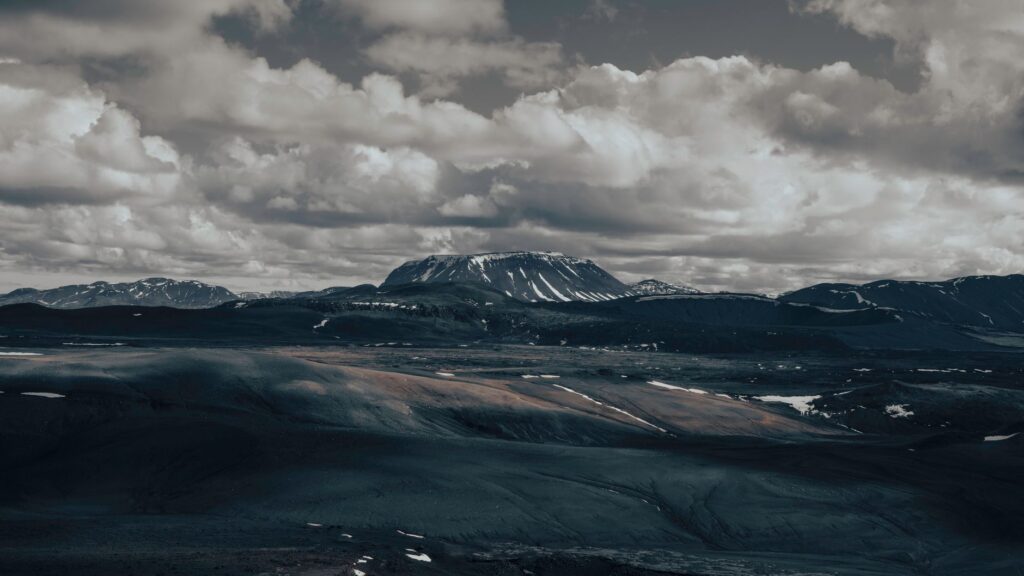
The role of ice in shaping the current landscape cannot be understated. More than a hundred active glaciers still cling to the slopes of the highest summits, feeding an intricate network of torrents that flow into the Rapaälven River. This main waterway transports vast quantities of glacial sediments, known as rock flour, which create turquoise-colored alluvial deltas in the surrounding lakes. The fluvial and nival dynamics of Sarek function as a precise hydrographic clock, where each spring marks the beginning of a flood cycle that constantly redesigns the alluvial valleys.
Extreme climatology and adaptations of arctic-alpine flora
Subjected to the direct influence of polar and Atlantic air masses, Sarek’s climate is notoriously severe and unpredictable. Winter temperatures can easily drop below minus forty degrees Celsius, while the brief and intense summer season offers only a few weeks of snow-free respite in the lower elevations. This climatic harshness absolutely conditions the distribution of plant life, restricting tree growth to very narrow bands of dwarf birch and Arctic willows.
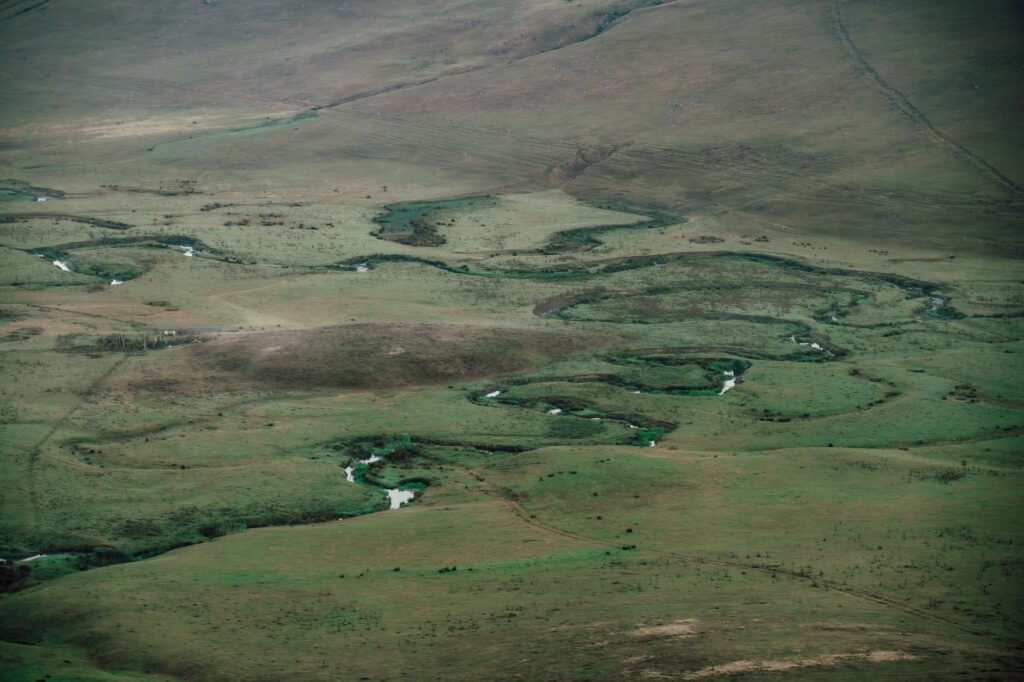
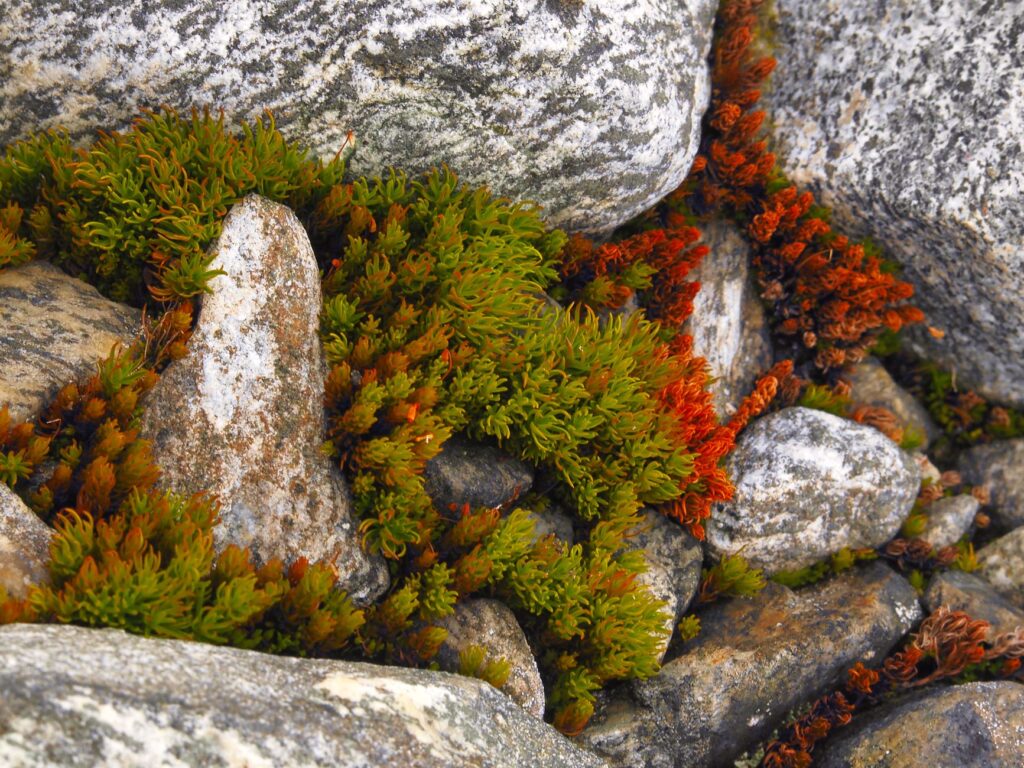
Above the tree line, vegetation adopts fascinating survival strategies. Cushion plants, hardy mosses, and crustose lichens colonize poor, stony soils, completing their life cycles within an extremely meager summer period. The fragility of these alpine tundra ecosystems is extreme, as continued trampling can easily erode a soil layer that has taken centuries to form. Recent botanical research in the area demonstrates that the progressive increase in summer temperatures is driving the upward shift of plant species previously restricted to the valleys.
Native fauna and the delicate balance of large mammals
Geographic isolation and the absence of roads have turned Sarek into a vital sanctuary for fauna adapted to extreme cold. The most emblematic member of the faunal community is the moose, which finds in the lush deltas of the Rapaälven one of its most important winter habitats in the entire Scandinavian region. These large ruminants share territory with elusive predators such as the wolverine, the Eurasian lynx, and occasional wandering wolves traversing the border ecological corridors.
Likewise, the high plateaus sustain stable populations of ptarmigans, viviparous lizards, and a wide variety of migratory and resident raptors, such as the golden eagle and the gyrfalcon. Managing wildlife in a barrier-free national park requires continuous scientific monitoring, coordinated between Swedish environmental authorities and local communities, to ensure that human pressure, although low, does not alter the breeding patterns of these vulnerable species.
The millenary legacy of the Sami people and territorial management
It is impossible to understand Sarek without referencing the indigenous Sami people, who have inhabited and traversed these mountains for millennia. Traditionally dedicated to transhumant reindeer herding, the Sami view this landscape not merely as a recreational zone or strict conservation area, but as a living cultural territory where their herds graze freely during the summer months. Historic grazing rights are enshrined in Swedish legislation, establishing a unique co-management model.
The effective conservation of extreme natural spaces cannot be understood apart from the indigenous communities that have shaped and respected their balance for generations.
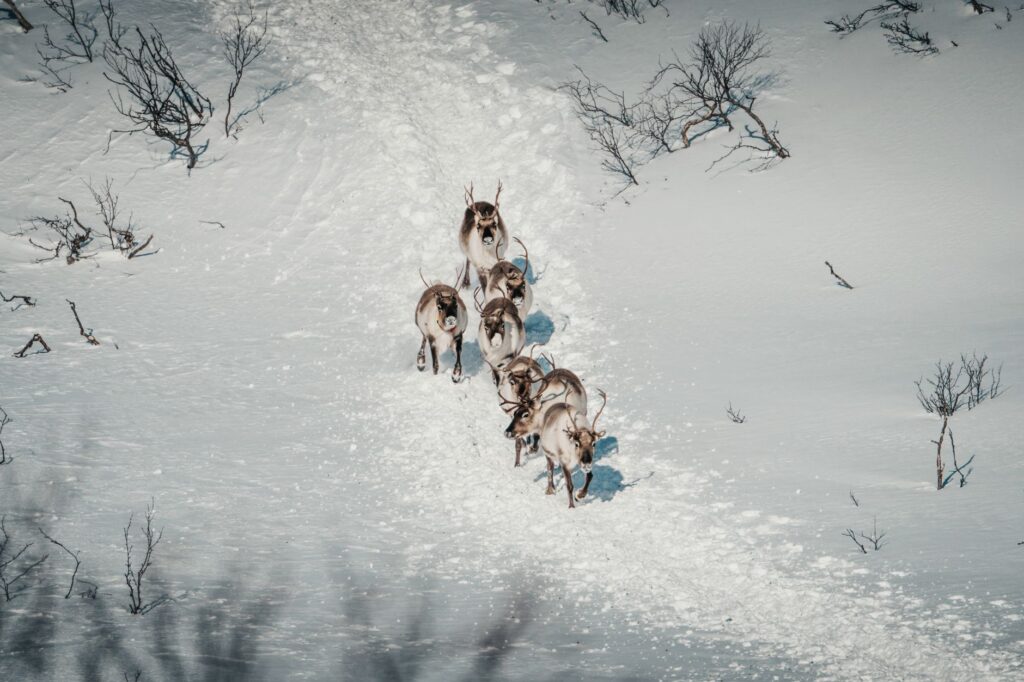
This ancestral understanding contrasts with the modern Western vision of pristine wilderness. While park regulations strictly prohibit any kind of commercial development, infrastructure construction, or use of motorized vehicles, regulated exceptions are acknowledged for traditional Sami pastoral activities, such as winter snowmobile use for herd management, exemplifying a complex balance between environmental protection and cultural continuity.
Contemporary challenges amid the global climate crisis
In recent decades, Sarek National Park has become a privileged observatory for measuring the effects of global warming at high latitudes. Data gathered by meteorological stations and university researchers show a warming rate higher than the global average, triggering a rapid recession of the massif’s historic glaciers, such as the Mikka and Tjågnåtis glaciers.
This net loss of glacial mass not only irreversibly alters the aesthetic and geomorphological landscape, but also drastically modifies the hydrological regimes of surrounding rivers, affecting aquatic habitats and freshwater availability. The preservation of Sarek in the 21st century transcends local borders, becoming a critical indicator of the climatic health of the entire European continent and demanding more ambitious international emission reduction policies.
Practical guide
Planning an autonomous expedition to Sarek National Park requires exceptional technical and logistical rigor due to the absolute absence of services. The fundamental aspects for safely navigating this Arctic environment are detailed below:
- Main access: The most common starting points are located in the towns of Kvikkjokk and Saltoluokta, accessible via public transport from the city of Gällivare. From there, hikers must use local boat services to cross the large peripheral lakes.
- Recommended season: The optimal summer window extends from early July to late August, when mountain passes are mostly free of snow and daylight hours are ample. September offers spectacular autumn colors but significantly increases the risk of early storms and snowfall.
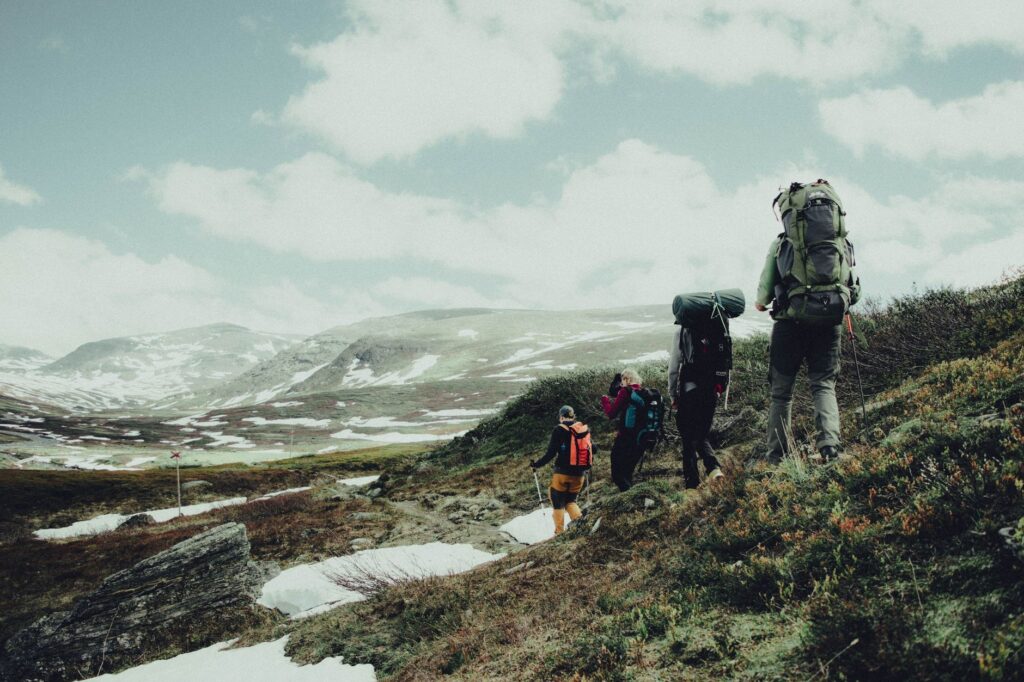
- Essential equipment: High-mountain tent capable of withstanding hurricane-force winds, autonomous cooking system with adequate fuel, technical three-layer clothing with high-performance waterproof membrane, robust trekking boots with ankle support, and official 1:100,000 scale topographic maps along with a traditional analog compass.
- Safety and emergencies: There is no mobile phone coverage across the vast majority of the park. Carrying a satellite communication device or a distress beacon (PLB) is essential, alongside advanced knowledge of navigation, first aid, and safe techniques for crossing turbulent, bridge-free rivers.
- Environmental ethics: The Leave No Trace principle is strictly enforced. All generated waste must be packed out of the park in backpacks, and the use of open fires is severely restricted to prevent irreparable damage to the fragile moss and peat soils.
Final reflection on untouched immensity
Walking through the silent valleys of Sarek, where the only dominant sound is the distant roar of a glacial torrent or the whistling of wind over gneiss ridges, confronts human beings with their own smallness. In an era marked by hyperconnectivity and the almost absolute domestication of the natural environment, this corner of Swedish Lapland survives as an indispensable reminder of what true wild freedom means. Preserving its geological integrity, elusive fauna, and millenary silence is not merely an environmental management challenge, but a moral duty to future generations who will seek, on the northern horizon, the final frontier of untamed earth.