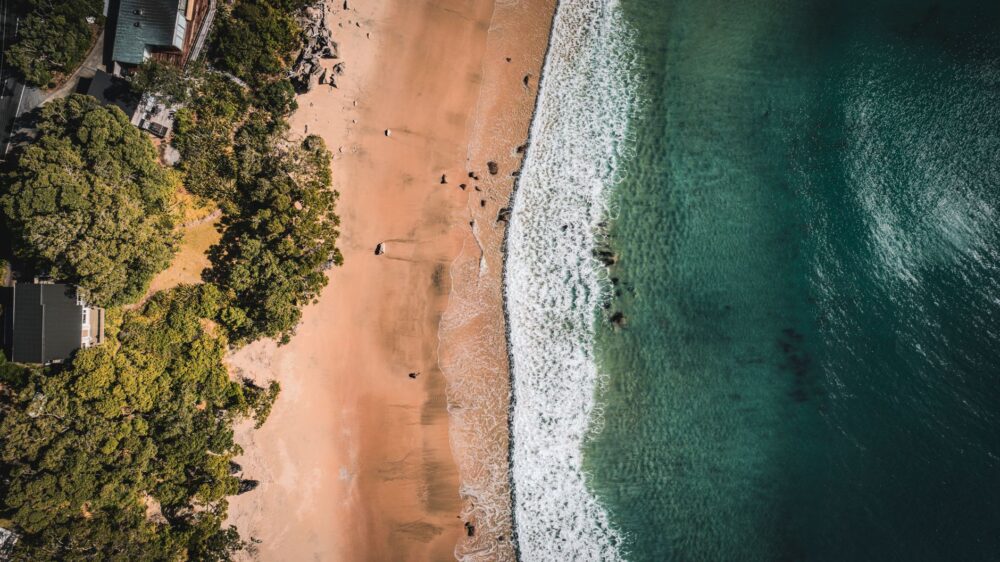
On the shores of the Adriatic Sea, Durrës stands as a palimpsest where each dynasty has left its mark upon the previous one. Far from being a mere sun-and-sand destination, this port city holds the secrets of Illyrian foundations, Roman rule, Byzantine traces, and Venetian walls that still shape its urban silhouette today. As mass tourism gradually rediscovers Albania’s coastline, this enclave demands a leisurely gaze, capable of deciphering the historical layers lying beneath its modern avenues and lively promenade.
Our purpose is to explore the city beyond the summer clichés, interrogating its millenary past and current reality to understand the true pulse of the Albanian coast. Through this report we will examine its archaeological heritage, urban transformation, and the daily life of its people, offering a rigorous perspective for travelers seeking to grasp the complex identity of this Balkan corner.
The millenary port: gateway to the Adriatic and crossroads of empires
Founded in 627 BC by Greek colonists from Corinth and Corcyra under the name Epidamnos, the city soon acquired exceptional geo-strategic relevance. Its natural bay constituted the safest and busiest port in the Adriatic Sea, a factor that attracted the greed of Macedonians, Romans, and local tribes. During the Roman Republic, renamed Dyrrhachium, it became the western starting point of the Via Egnatia, the great military and commercial artery connecting the Adriatic Sea with Constantinople.

Through these waters and docks passed emperors, legions, and poets such as Cicero, who described the city during his exile with a mixture of admiration and melancholy. Underwater findings and land excavations attest to constant commercial exchange ranging from oil and wine to fine ceramics and precious metals. Today, the commercial basin continues to beat strongly, reminding us that Durrës’ seafaring vocation is not a tourist invention, but a historical constant spanning nearly three millennia.
The Roman amphitheater: monumental colossus beneath modern foundations
The undisputed symbol of the classical era in Durrës is its imposing amphitheater, a masterpiece of Flavian architecture erected in the 2nd century AD. With an estimated capacity to host some twenty thousand spectators, this structure is the largest amphitheater discovered in the Balkans and constitutes an eloquent testimony to the grandeur achieved by Dyrrhachium under Roman rule.
What is both fascinating and tragic about this monument is its integration into the current urban fabric. For centuries, private houses grew over its vaulted galleries and tiers, concealing its scale until Albanian archaeologist Vangjel Toçi initiated systematic excavations in the mid-20th century. Today, visitors can descend through its underground corridors, admire the remains of an early Christian chapel decorated with unique mural mosaics, and contemplate the arena where gladiators once fought, curiously surrounded by residential apartment blocks.
Venetian walls and the historic center: stone witnesses of the Middle Ages
Following the fall of the Western Roman Empire and devastating Slavic invasions, the city underwent successive medieval transformations under the Byzantine orbit before falling under the control of the Republic of Venice in the 14th century. The Venetians, aware of the vulnerability of this coveted port against Ottoman expansion, drastically reinforced urban defenses, raising a system of walls and watchtowers that still define the character of the old town.

The Venetian Tower, located near the promenade, is the most notable exponent of this defensive architecture. With its robust walls and circular base adapted for artillery use, it housed garrisons prepared to repel any naval siege. Strolling through adjacent streets reveals fragments of walls integrated into civilian facades, quiet squares, and religious temples reflecting the coexistence of Christian and Islamic traditions over the centuries.
Durrës does not reveal itself all at once; it demands retracing the centuries beneath the asphalt to hear the echo of the legions and the constant murmur of the Adriatic.
The National Archaeological Museum: custodian of Adriatic memory
Located facing the sea, the National Archaeological Museum of Durrës represents an essential stop to contextualize the region’s material wealth. Following a deep renovation process, its halls house one of the most important collections in the country, spanning from the Illyrian and Hellenistic periods to Roman and Byzantine times.
Among its most celebrated pieces are the famous terracotas known as the ‘portraits of Aphrodite’ and an exceptional collection of funeral stelae, domestic grave goods, ancient coins, and marble sculptures revealing the aesthetic refinement of local elites. Each showcase functions as a visual document contrasting with the city’s apparent modernity, proving that Durrës has historically been a crucible where artistic influences from across the eastern Mediterranean merged.

Urban transformation: between socialist heritage and contemporary ebullience
The 20th century left deep scars and transformations in Durrës. During the long communist regime led by Enver Hoxha, the city experienced accelerated industrialization and the construction of standardized residential blocks that deeply altered its traditional physiognomy. The port was expanded to serve the planned economy, and many historical monuments suffered neglect or ideological reuse.
Following the fall of the regime in the 1990s and subsequent migratory exodus, Durrës has experienced chaotic yet vibrant urban growth. Today, private investment and domestic and international tourism drive promenade renovations, the opening of boutique hotels, and the proliferation of open-air cafes. This metamorphosis generates a unique urban landscape where the scars of the industrial past coexist with the overflowing optimism of a youth seeking to connect with European standards.
Coastal gastronomy: flavors of the Adriatic and Albanian tradition
Durrës’ cuisine is the natural result of its seafaring condition and the fertility of the Myzeqe region’s plains. In traditional restaurants located near the port and along the beach, fresh fish such as sea bass, mullet, and squid dominate menus, usually prepared grilled with a drizzle of local olive oil, garlic, and aromatic herbs.

Likewise, Balkan and Ottoman influences manifest in hearty dishes like spinach or feta-filled byrek, roasted meats, and a wide variety of salads featuring ripe tomatoes, cucumber, and goat cheese. Evenings are usually accompanied by wines produced in nearby hills, such as Shesh i Bardhë or Shesh i Zi, native varieties attesting to a millenary winemaking tradition successfully revived in recent years.
Practical guide
Planning a visit to Durrës requires considering some fundamental logistical aspects to make the most of your stay in the coastal city.
How to get there
The city is located just 35 kilometers from Tirana International Airport (TIA). Regular bus connections operate every hour between the capital and Durrës, taking approximately 45 minutes depending on traffic. There are also frequent ferry services connecting the port of Durrës with Italian cities like Bari, Ancona, and Brindisi.
When to go
Spring months (May to June) and early autumn (September to October) offer mild temperatures ideal for walking among archaeological sites without summer’s oppressive heat. During July and August, the city experiences massive influxes of local and diaspora tourists, raising accommodation prices and crowding urban beaches.

Safety and transport tips
The historic center and main monuments can be easily explored on foot. To explore peripheral beaches or surrounding hills, using local urban buses or officially identified taxis is recommended. The city is generally safe, though caution is advised with personal belongings in crowded areas and at the port during ferry arrivals.
Traveling to Durrës means accepting the contradiction of a city advancing unchecked while caressing, with extreme delicacy, the fragments of its marble immortality.
Emotional epilogue by the sea: sunset in the bay
When the sun begins to descend over the Adriatic horizon, the intensity of urban life suspends for a magical instant. Modern facades and ancient vestiges are tinted with an amber and golden tone completely transforming the atmosphere of the bay. Sitting on a promenade bench, as fishermen patiently gather their tackle and gulls trace silent circles in the warm air, allows one to understand the true essence of this Albanian enclave. Durrës offers neither perfect nor museum-like beauty; it grants something far more valuable: the authenticity of a community that has known how to survive empires and migrations, always keeping its gaze wide open toward the open sea.
Source: Vivir Viajando con Inteligencia Viajera (https://inteligenciaviajera.com/que-ver-en-durres/)