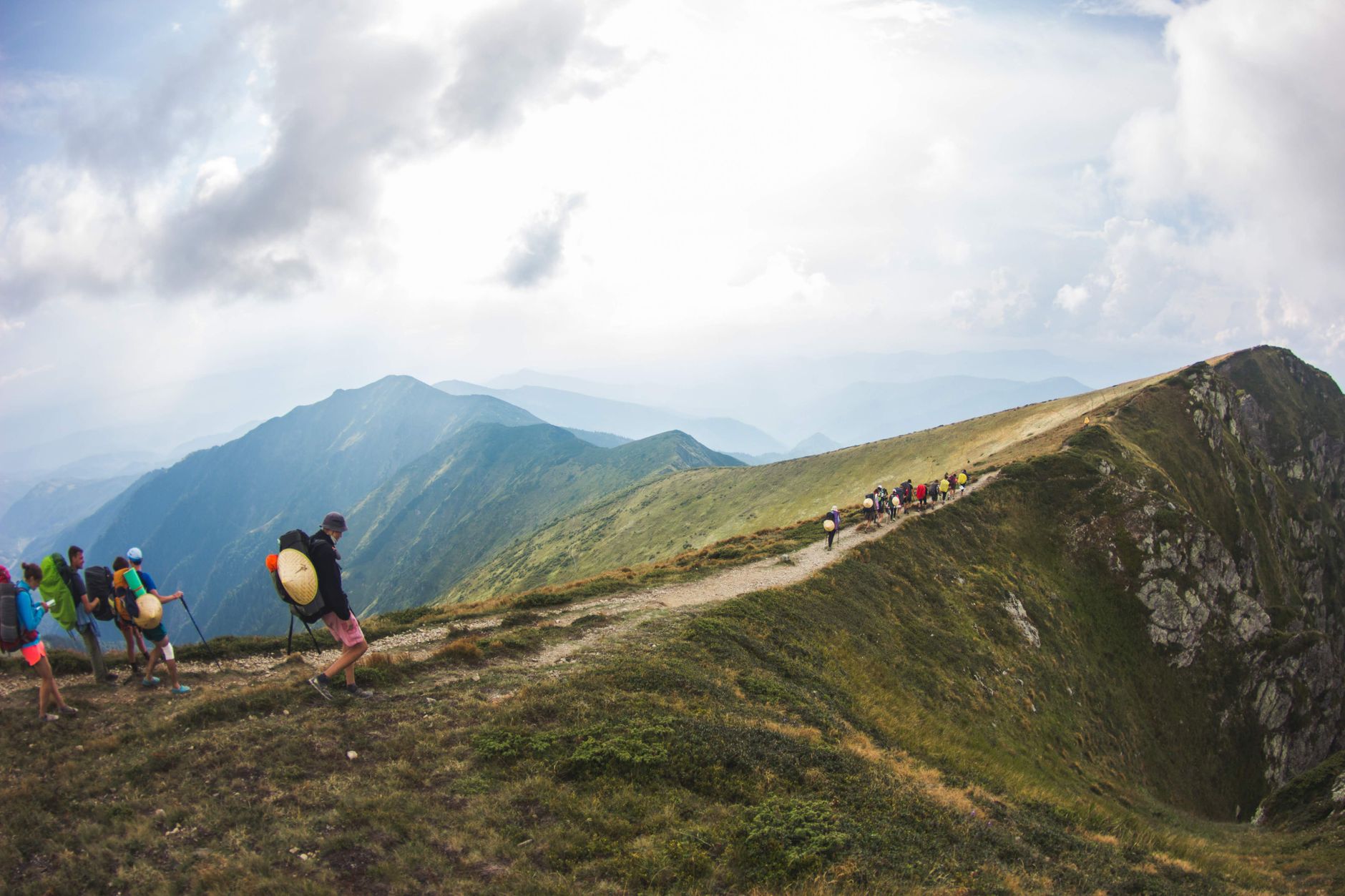

The Carpathian mountain range represents one of the last bastions of truly pristine wilderness on the European continent. Traversing its limestone ridges and dense beech forests immerses the traveler in an ecosystem where wildlife—ranging from brown bears to wolves and lynx—continues to dictate the rhythm of the land. Planning a multi-day expedition through this massive mountain chain requires profound orographic knowledge, rigorous physical preparation, and a clear understanding of the logistical autonomy needed in regions where cellular signals are a mirage and external assistance can take hours to arrive.
This report examines with technical rigor the indispensable preparations, key routes, survival gear, and local regulations governing camping and transit across the Southern Carpathians. Far from commercial simplification, we address the physical reality of a territory that tolerates no improvisation, offering a reliable compass for the contemporary expeditionary seeking the essence of classical European mountaineering.
The Anatomy of the Southern Carpathians and Their Orographic Complexity
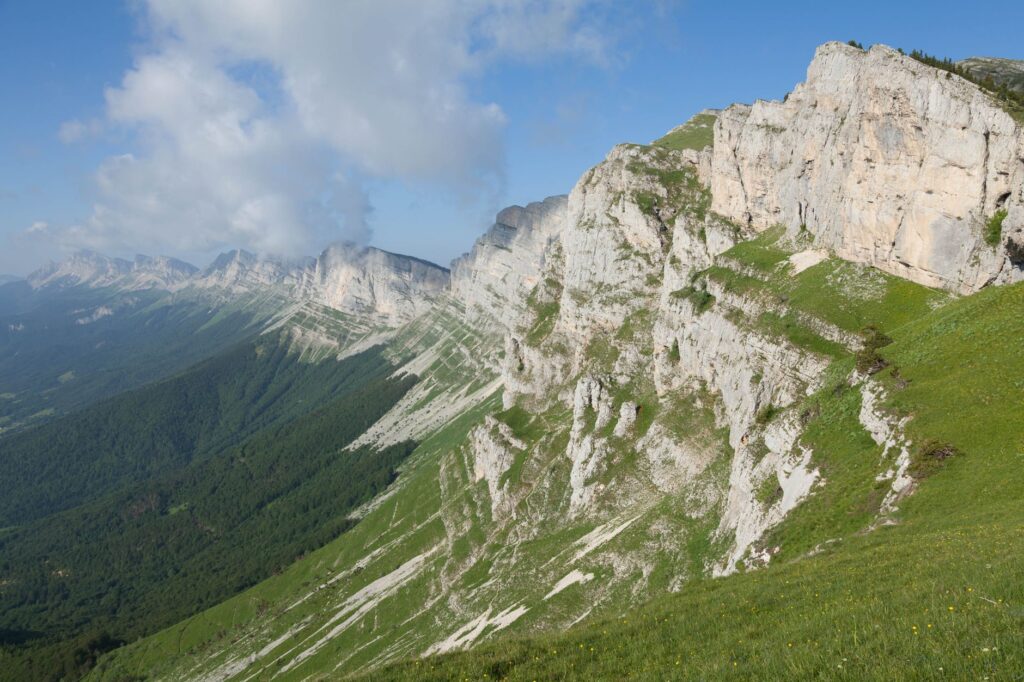
Geographically known as the Transylvanian Alps, the Southern Carpathians concentrate Romania’s highest peaks, exceeding 2,500 meters in iconic summits such as Moldoveanu and Negoiu. This section of the range is characterized by sharp metamorphic and limestone ridges, hanging glacial valleys, and steep drops that demand constant reading of the terrain. Unlike the Western Alps, human intervention in the high zones here is minimal, which multiplies the sense of geographical isolation and purity.

The geological formation of the Carpathians responds to a complex alpine folding process, where glacial erosion has sculpted deep cirques and ridges exposed to dominant eastern and western winds. The hiker must understand that the moderate altitude of these mountains—rarely above 2,500 meters—should not be misleading; the latitude and continentality of the climate trigger weather changes as violent as those recorded in much higher alpine ranges.
Cartographic Planning and High-Altitude Weather Reading
Designing a safe route in the Carpathians begins long before setting foot on the trail. Official paper cartography sources, published by entities such as Montaniard or updated topographic maps at a 1:25,000 scale, are irreplaceable tools against the fragility of electronic device batteries. Global positioning systems must always be considered a secondary backup given the density of valley forests and deep karst gorges that block satellite signals.
Weather in the Southern Carpathians is notoriously unstable during the summer months, the optimal window for expeditions spanning from July to September. Humid air masses coming from the Black Sea collide with the mountain barriers, generating intense afternoon thunderstorms and sudden temperature drops. Analyzing barometric pressure and observing the formation of cumulonimbus clouds over the peaks are critical skills that every expeditionary must master to avoid hypothermia or lightning strike risks on exposed ridges.
Technical Equipment and Weight Management in Autonomy
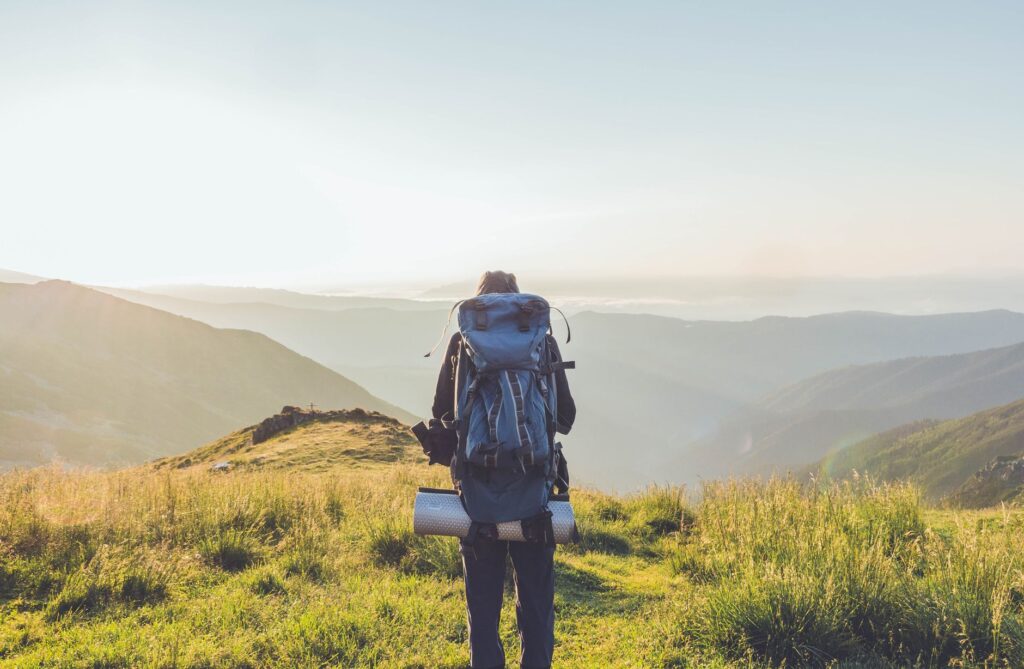
Self-sufficiency during a five- to seven-day traverse along the main ridge requires surgical selection of gear. Total backpack weight should not exceed twenty percent of the expeditionary’s body weight, prioritizing lightness in elements such as the sleeping bag—with a comfort rating of at least minus five degrees Celsius—and the cooking system. Tents must withstand hurricane-force winds and persistent precipitation, making double-wall geodetic aluminum pole structures essential.
Footwear deserves special mention. High-cut trekking boots with waterproof membranes and high-friction Vibram-type soles are mandatory due to the constant presence of wet scree, slippery roots, and sharp karst terrain. Likewise, telescopic poles with twist or lever-locking systems reduce joint impact by up to twenty-five percent during prolonged descents into river valleys.
The High-Mountain Refuge Network and Controlled Camping Zones
Unlike the dense and comfortable network of refuges in the Pyrenees or the Alps, the Carpathians feature a much more rudimentary network of open shelters, locally known as refugiu. These structures, generally small metal or wooden shelters, offer safe cover against extreme storms, but rarely feature padded bunks, running water, or heating. The expeditionary must always travel with their own portable shelter and high-density insulating sleeping pads.
The mountain is not a stage to test arrogance, but an unforgiving tribunal where humility and preparation become the only safe passports for return.
Wild camping is generally permitted in high-mountain areas that are not part of strict natural reserves, provided leave-no-trace practices are followed. However, Romanian authorities have intensified surveillance on fire use in forested areas due to the critical risk of summer wildfires. The use of gas stoves is the only legal and safe alternative throughout the protected perimeter of the Piatra Craiului National Park and surrounding massifs.
Water Management and Biological Risks in Runoff Water
Although the Carpathians are a region rich in water resources, the apparent purity of mountain streams can be deceiving. Summer sheep and cattle grazing areas introduce significant sources of bacterial and parasitic contamination, such as the parasite Giardia lamblia, into numerous surface water courses. Therefore, consuming water without rigorous prior treatment is a critical error.
Purification methods must be combined according to the situation: 0.2-micron ceramic membrane filters remove sediments and bacteria, while chlorine dioxide tablets neutralize viruses and microscopic organisms. On dry ridge sections where springs are scarce, a minimum reserve of three liters per person must be calculated to handle days of exposed marching under the summer sun.
Wildlife and Coexistence Guidelines in Large Predator Territory
The Romanian Carpathians host Europe’s largest population of brown bears outside Russia, estimated at over six thousand individuals. This fact, far from being merely a tourist attraction, imposes a series of strict safety protocols that every mountaineer must internalize before starting the trek. Accidental encounters usually occur in transition zones between forests and high pastures, especially during the wild berry season in August and September.
To minimize the risk of confrontation, it is mandatory to make constant noise when walking through dense forest areas, use bear bells, and store all food and personal hygiene products in waterproof bags suspended from high branches or in specific bear-proof canisters more than one hundred meters from the nighttime resting area. In case of a distant sighting, the golden rule is to retreat calmly without ever running; if the animal shows aggression, the preventive use of EPA-approved bear spray is the last line of effective defense.
The silence of the Romanian forest is not a void, but the attentive presence of a wild life that reminds us we are always temporary guests there.
Practical guide
- Getting There: Henri Coandă International Airport in Bucharest is the main entry point. From there, renting a four-wheel-drive vehicle or using the state railway network CFR provides access to Southern Carpathian trailheads such as Bușteni, Sinaia, or Zărnești.
- Best Time to Visit: Early July to late September. Outside this seasonal window, accumulated snow on the ridges and avalanche risk demand winter high-mountain gear and advanced mountaineering skills.
- Permits and Regulations: Entry to national parks is free, but registration at information boards at main trailheads is required. Camping is strictly regulated in integral natural reserves.
- Health and Safety: Comprehensive travel insurance specifically covering high-mountain helicopter rescue and medical evacuation is essential. The Romanian mountain rescue service, Salvamont, operates region-wide and responds to the 112 emergency number.
- Connectivity: European mobile networks function in major valleys but disappear entirely in deep basins and northern slopes of the massifs. Satellite communication devices are strongly recommended for emergencies.
The effort required to venture into the Southern Carpathians is rewarded by an experience of unadulterated nature, where time seems to stand still among limestone peaks and valleys shrouded in ancient mists. Far from the overcrowded routes of traditional alpine tourism, this traverse offers the expeditionary an opportunity to connect with the mountain in its purest, most demanding, and environmentally respectful state.