The Island Suspended in Time and the Tramontane Wind
Menorca does not reveal itself to those who travel in haste; it demands the pause of one who understands that a territory is defined as much by its silences as by its flavors. At the easternmost tip of the Balearic archipelago, the city of Mahon unfolds an urban layout marked by British influence and the unhurried rhythm of the largest natural harbor in the Mediterranean. It is within this labyrinth of Georgian facades and golden limestone that the commercial and social heart of the community beats: the Claustre del Carme. This former 18th-century Carmelite convent was transformed decades ago into a food market unlike any other, where the cloistered courtyard now houses fresh produce stalls, flowers, and local artisans who preserve the culinary legacy of Menorcan identity.
Crossing the stone threshold of this market is akin to stepping into a microcosm where time folds back upon itself. Vendors greet regular shoppers by name, establishing a continuous dialogue between the rural producer and the urban consumer. Here, there is no room for fleeting trends or the artifices of decontextualized cuisine. Every item displayed on the counters tells a story of sea salt, pastures dried by the tramontane wind, and livestock farming adapted with tenacity to the rigors of an insular territory. Menorcan gastronomy is the direct result of this insularity: an exercise in creative resistance where every available resource is transformed into a masterpiece of the Mediterranean pantry.
Convent Architecture and Maritime Pantry
The building of the Claustre del Carme constitutes an architectural prodigy where religious devotion yielded to earthly commerce without losing the solemnity of its proportions. The arcaded galleries with semicircular arches host fresh fish stalls every morning, caught in the rough waters surrounding the island. Groupers, scorpionfish, razorfish, and coveted sea urchins when the season permits, arrive directly from the artisanal boats that dock at Mahon’s harbor after navigating the whims of the wind. Local fishermen maintain an implicit pact with the fish market, respecting minimum sizes and biological rest periods to ensure the sustainability of a sea that is both a source of life and cultural identity.
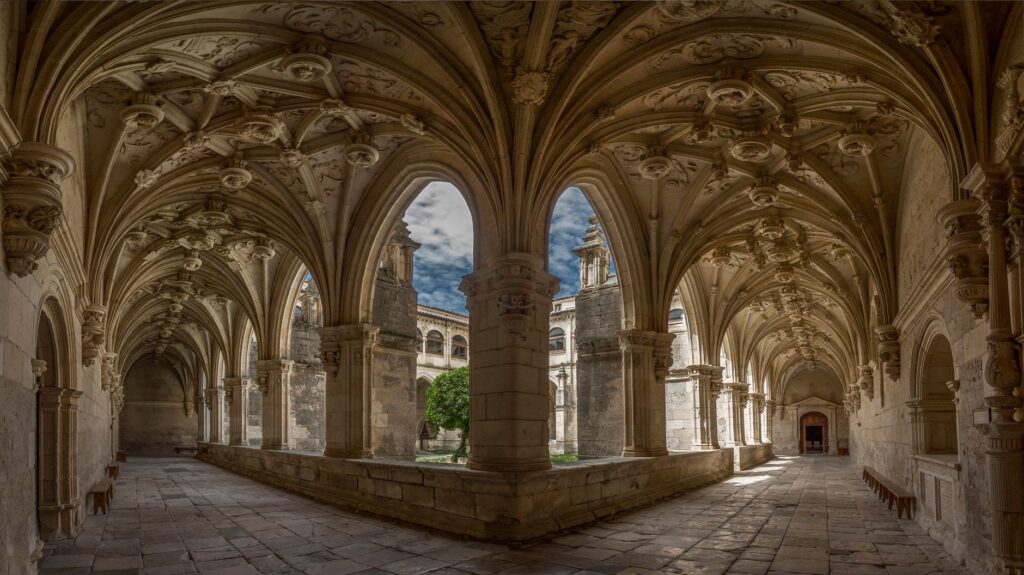
Beneath the ribbed vaults of the cloister, the scent of sea salt blends with the earthy aroma of vegetables from traditional Menorcan gardens, locally known as the *hort*. In these small irrigated oases, enclosed by dry-stone walls to protect crops from fierce winds, farmers grow hanging tomatoes, white eggplants, and green beans that star in the island’s most emblematic spoon dishes. The cuisine of Mahon and all of Menorca is founded on absolute respect for seasonal produce, transforming simple ingredients into elaborations of profound gustatory complexity through slow-cooked sofritos and broths made from raw rockfish.
The Architecture of Dry Stone and Grazing Fields
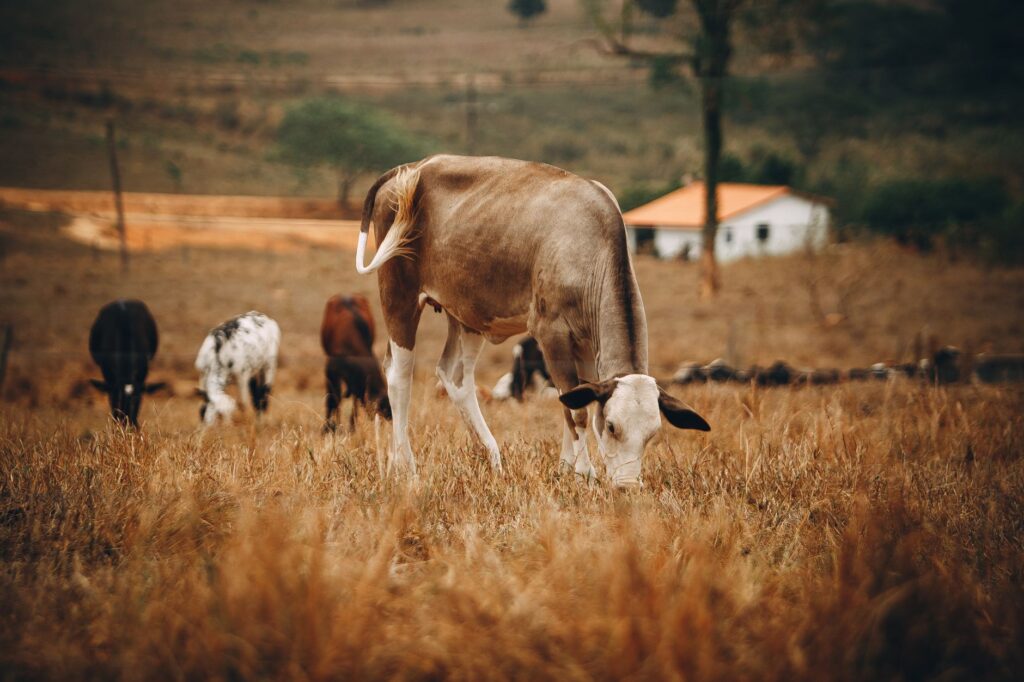
Leaving the bustling morning market and heading toward the island’s interior, the landscape transforms into a green and ochre tapestry where human hands have sculpted the territory using millions of stones fitted together without mortar. The dry-stone technique, recognized as Intangible Cultural Heritage by UNESCO, defines the farming plots and protects Friesian and Menorcan cattle from adverse weather. This rural landscape, crisscrossed by white dirt tracks and ancient wild olive trees, is the setting where one of the island’s most universal gastronomic treasures is forged: Mahon-Menorca cheese with Protected Designation of Origin.
Traditional livestock farms combine open-air grazing with sea breezes laden with saline nuances that imbue the vegetation. It is this natural diet, combined with the generational skill of master cheesemakers, that gives each wheel of cheese its unmistakable personality. From the tender variety, with its creamy texture and mild lactic notes, to the semi-cured and aged types—laboriously rubbed with olive oil and paprika on their rinds during maturation in natural cellars—Menorcan cheese embodies the synthesis of rugged geography and artisanal patience.
The taste of Menorca lies in the memory of its shepherds and the indomitable force of a sea that sets the pulse of every kitchen.
The Liturgy of Cheese and Slow Fire in Kitchens
In family-run workshops and the kitchens of restaurants committed to historical recipes, the preparation of main dishes follows a liturgy of precise gestures. *Oliaigua*, a cold or warm soup made with water, olive oil, tomatoes, green peppers, and onions, traditionally served with figs or grapes depending on the season, demonstrates how historical scarcity turned into an exercise in culinary refinement. Similarly, lobster stew (*caldereta de langosta*), though now associated with summer luxury, has its roots in the cooking of Fornells fishermen, who utilized less commercial catches to create a dense, aromatic broth perfumed with sea fennel and garlic sofrito.
Mastery in the use of dairy products is also evident in local pastry making and in the reinterpretation of seafood stews where the emulsion of oil and fish broth reaches high culinary standards. Current island chefs do not seek capricious deconstruction, but rather the refinement of essential flavors. A clear example is the use of dairy whey to produce fresh cottage cheeses served simply with a drizzle of local honey or integrated into traditional pastries known as *flaons* or *formatjades*, whose origins trace back to medieval domination and the Jewish and Catalan influences that shaped the Balearic cultural substrate.
The Market as a Contemporary Agora
Returning to the Claustre del Carme, dusk transforms commercial activity into a cultural meeting point where neighbors and travelers share impressions over a glass of Menorcan wine or a local pomada made with island gin and lemonade. Craft stalls display traditional *abarcas*—the sandals of rural farmers adapted to contemporary ergonomics—and jewelry inspired by the organic shapes of the insular nature. The market ceases to be a mere point of sale and becomes an authentic forum where the future of food sustainability and landscape preservation is debated.

Veteran vendors recall how the market has managed to reinvent itself without losing its soul. The arrival of new generations of organic producers has enriched the offering with prickly pear jams, limited-production extra virgin olive oils, and thyme and rosemary honeys harvested from northern cliffs. This harmonious coexistence between centuries-old tradition and sustainable innovation ensures that Mahon’s gastronomic heritage is not a museum piece, but a living organism that evolves with the rhythm of the seasons and rigorous respect for the natural environment.
Practical guide
How to get there: Menorca Airport (MAH), located a few kilometers from Mahon, connects the island with major peninsular and European hubs via regular flights. For those who prefer traveling by sea, daily ferry connections operate from the ports of Barcelona, Valencia, and Palma de Mallorca to the docks of Mahon and Ciutadella.
When to go: The spring months (May to June) and early autumn (September to October) offer optimal temperatures, fewer crowds, and the opportunity to enjoy markets and seasonal produce at their finest.
Where to shop and taste: The Claustre del Carme (Plaza del Carme, s/n, Mahon) is open Monday through Saturday mornings. Visitors are encouraged to explore the artisanal cheese, local charcuterie, and fresh fish stalls, as well as visit small local wine producer shops located around the harbor.
Recommended accommodation: Opt for small boutique hotels in historic converted townhouses within Mahon’s old town or rural guesthouses (*agroturismes*) scattered across the center of the island, ensuring an authentic immersion in traditional Menorcan architecture.
Mobility recommendations: Renting a vehicle is essential to access rural lanes, pristine coves, and livestock farms far from main routes. It is crucial to respect speed limits and close stone gates on private properties.
The Eternal Echo of the Breeze on Northern Cliffs
When the sun dips below the horizon and paints the northern limestone cliffs in a deep amber hue, the island recovers its most genuine silence. In remote corners such as Cape Favaritx, where the lunar landscape of black slate contrasts with the pristine white of the lighthouse, time seems to suspend entirely. It is in this moment of introspection that Menorcan geography reveals its ultimate meaning: a refuge where wild nature and the patient hand of man have forged an indestructible alliance. Sitting facing the sea, with the constant murmur of waves striking the rock and the persistent aroma of rockrose and rosemary in the air, constitutes a sensory experience that transcends mere leisure travel.
Understanding Menorca through its gastronomy and traditional markets is accepting an invitation to slowness, attention to detail, and the appreciation of authenticity over the urgency of the contemporary world. The hands that knead bread today, tend native cattle herds, or select the best fish at the Mahon fish market are the guardians of a fragile yet extraordinarily resilient legacy. Upon leaving the island, the traveler carries away not only the memory of intense marine flavors but the comforting certainty that places still exist where territory and its people walk in perfect, silent harmony.