
The Current That Sculpted the Flavor
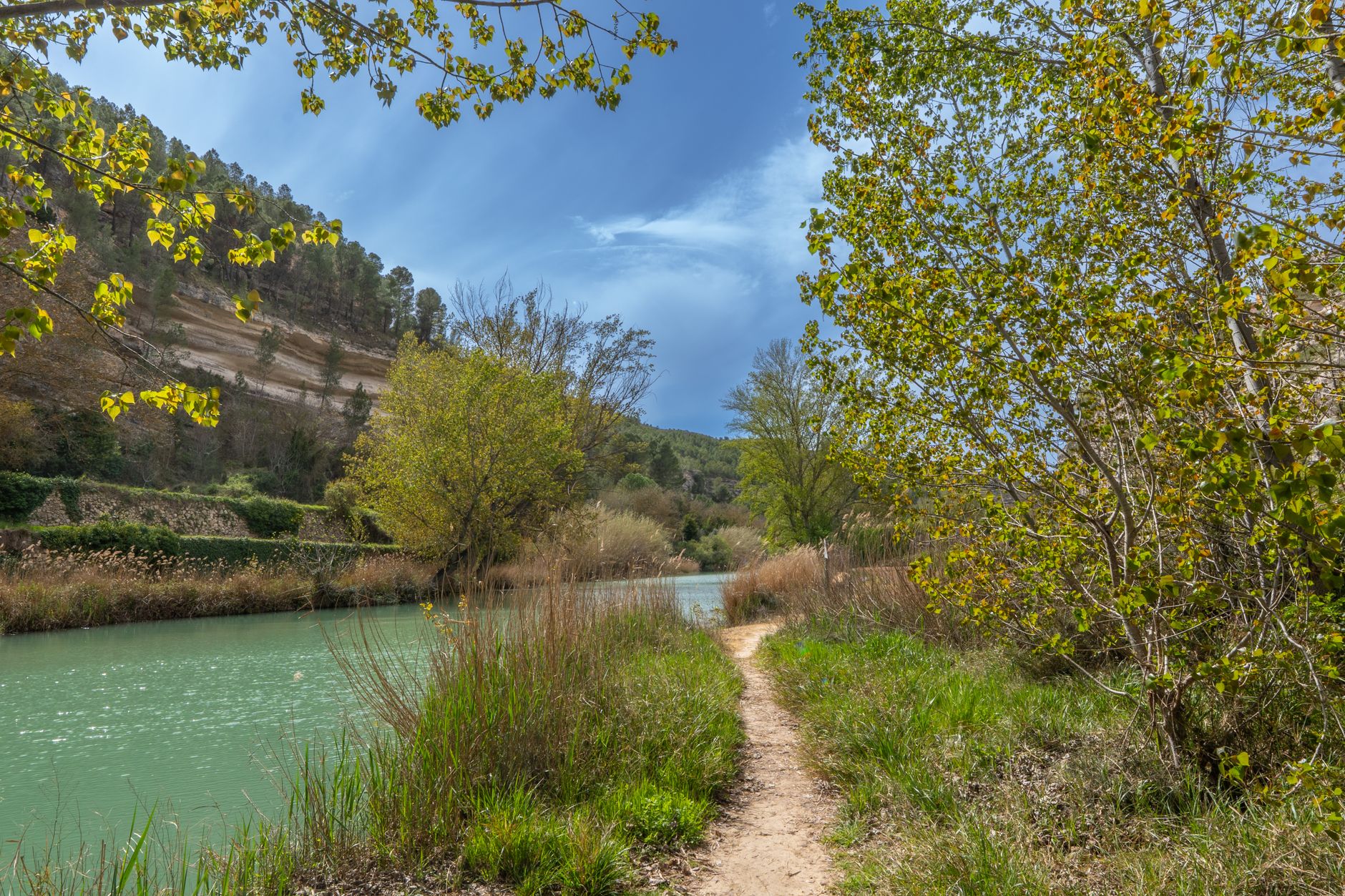
The water of the Upper Ebro descends with a mineral urgency, carving limestone gorges and fertilizing floodplains where time seems measured by the flow of the seasons. In this northern confine, the relationship between man and river is not merely utilitarian; it constitutes a pact of survival and respect dating back to the earliest medieval monastic settlements. Here, wild trout (Salmo trutta) and native river species have remained for centuries the axis upon which the subsistence and culinary identity of entire communities revolve, resisting with tenacity the onslaught of modern agroindustrial uniformity.
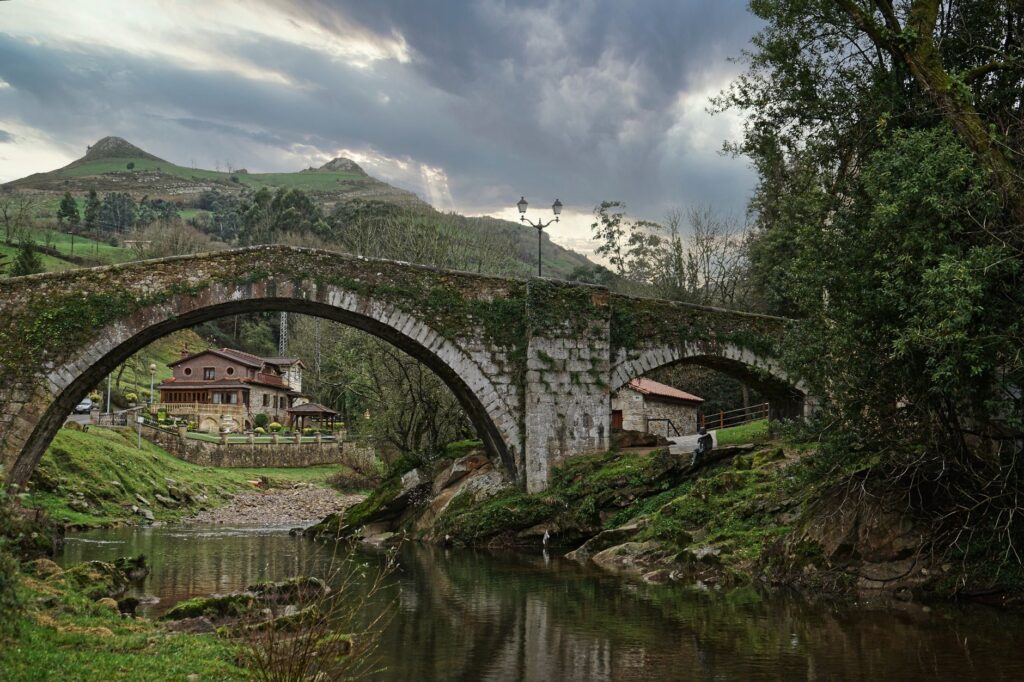
While major gastronomic circuits tend to look toward the sea or cereal plains, the river valleys of the Upper Ebro safeguard a fragile and fascinating culinary ecosystem. Local fishermen and the few artisanal workshops operating in the shadow of stone bridges continue applying knowledge transmitted from generation to generation. This is not a cuisine of artifice, but a discipline rooted in the rigorous observation of hydraulic behavior, lunar phases, and the exact water temperature in each stretch of the gorge.
The Geography of the Gorge and the Purity of the Flow
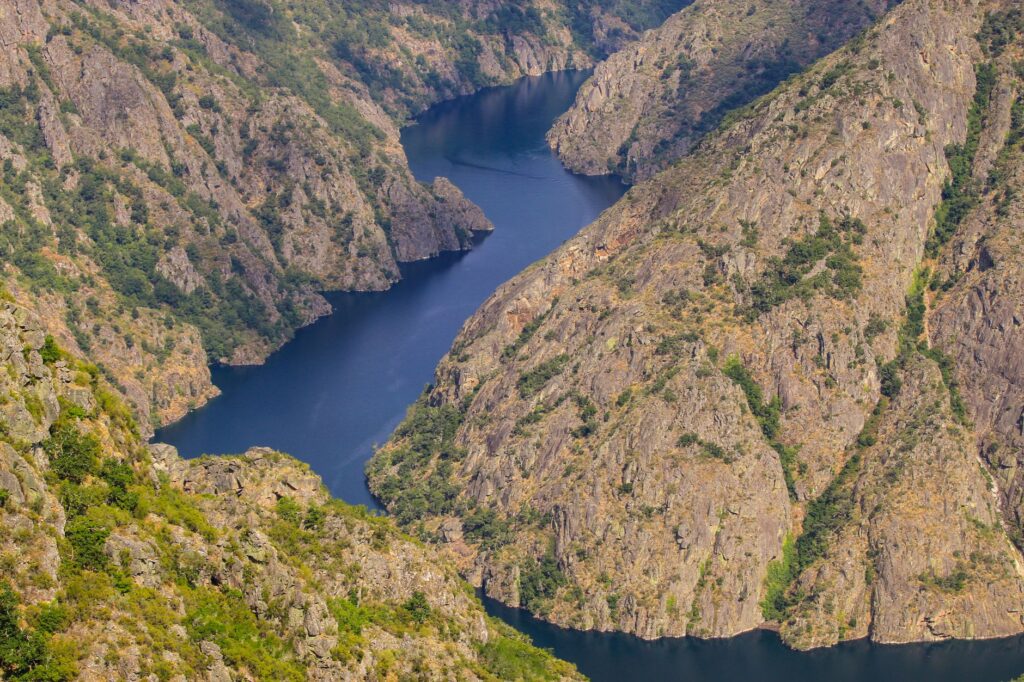
Delving into the Upper Ebro requires understanding its abrupt topography. The waters springing from the karstic sources of Reinosa begin an unyielding journey toward the Mediterranean, crossing narrow gorges where sunlight barely brushes the river surface for more than a few hours a day. This geographical isolation has historically acted as a protective shield against pollution and the massive introduction of invasive species, allowing the habitat to preserve an exceptional purity that is directly reflected in the firmness and clean flavor of its piscicultural flesh.
On the banks of this natural corridor, villages cluster around former converted flour mills and ancestral ashlar stone manors. The inhabitants of these regions know every river bend by traditional names evoking ancient whirlpools, local legends, or characteristics of the riverbed. The riparian biodiversity, composed of gallery forests dominated by alder, willow, and ash, provides the shelter and natural nourishment—aquatic insects, small crustaceans, and fry—that grant wild trout its unmistakable organoleptic profile, characterized by subtle mineral notes and a total absence of muddy nuances.
The Liturgy of Artisanal Capture
Unlike intensive fish farming, where specimens grow in overcrowded artificial ponds on standardized feeds, artisanal fishing in the Upper Ebro is an exercise in extreme patience and profound ethnographic knowledge. The few professionals holding traditional authorizations operate with minor gear, strictly respecting closed seasons and extraction quotas established to guarantee the natural regeneration of river populations.
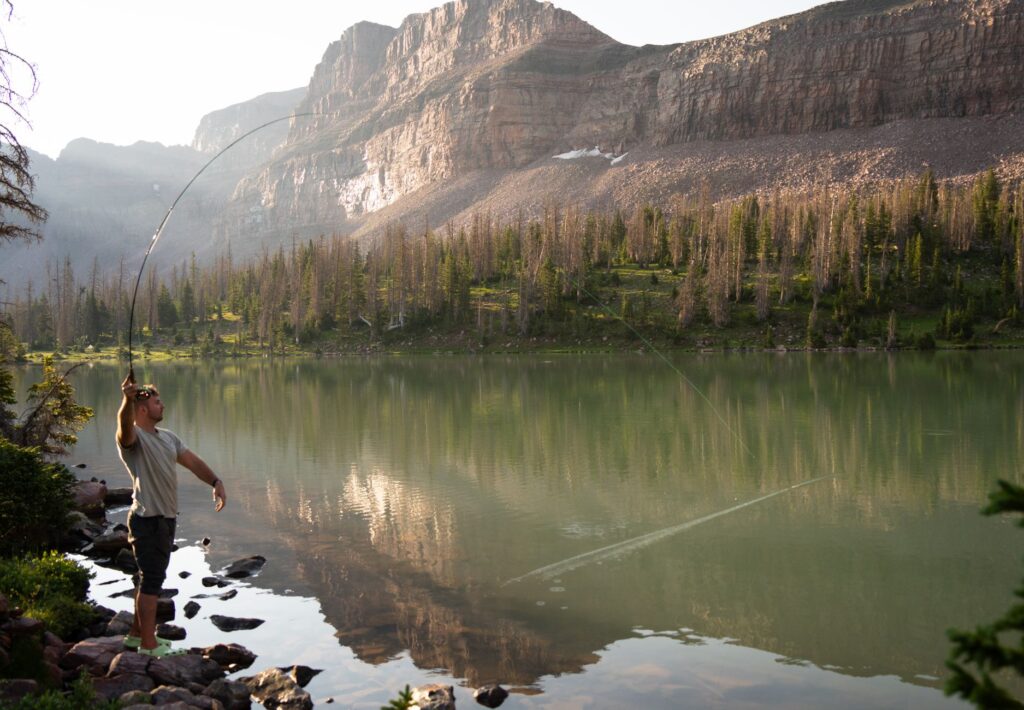
Observing a veteran fisherman at first light reveals a silent choreography. The choice of the artificial fly, hand-tied with León rooster feathers and natural silk threads, responds to a meticulous reading of local entomology. The cast must be precise, almost imperceptible, so as not to disturb the tension of the crystal-clear water. Each captured specimen is handled with utmost care, avoiding unnecessary stress that could deteriorate the flesh quality. This veneration for the resource defines a culinary ethic where respect for the animal is the primary prerequisite for achieving excellence at the table.
True high river cuisine is not born in major metropolises, but in the silence of the valleys where the cook is also the guardian of the river and its memory.
The Workshops of Smoke and Noble Wood
Once capture is complete, the culinary process moves from the bank to traditional workshops, discreet stone structures where time seems to slow down. Here, the most complex mastery unfolds: the technique of cold smoking using native noble woods. Far from accelerated industrial processes with synthetic chemical aromas, the artisans of the Upper Ebro employ selected shavings of old oak and beech, occasionally combined with dried juniper branches to impart balsamic and complex notes.
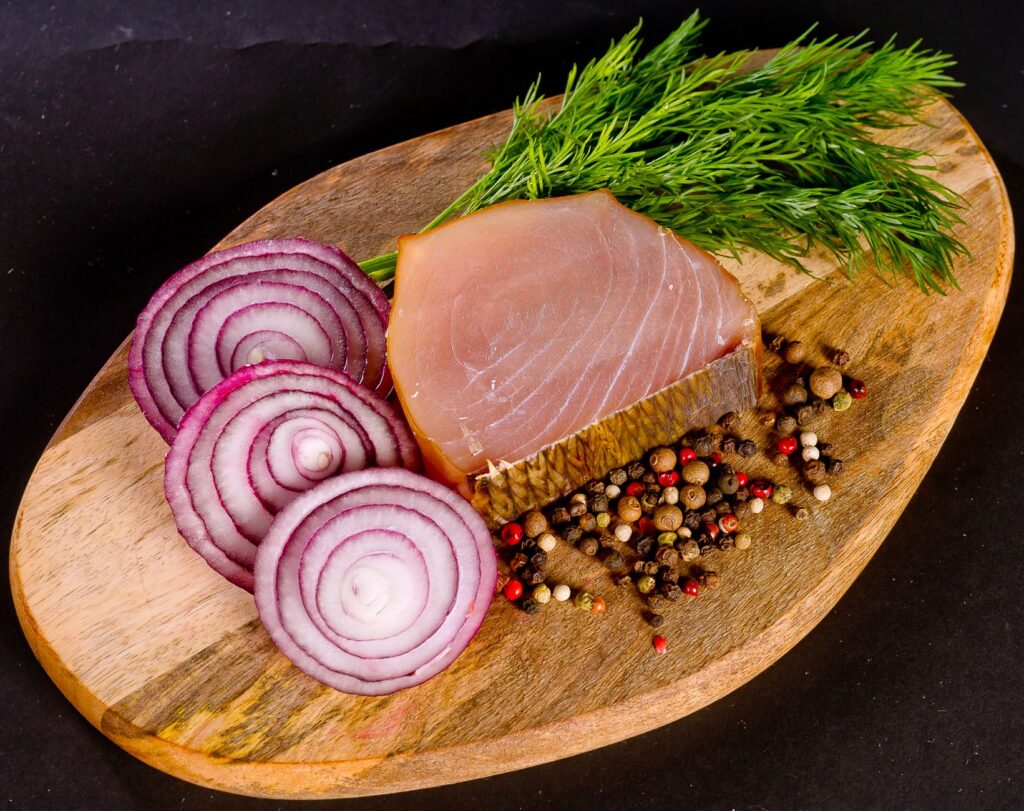
The fish is manually gutted with surgical gestures, washed with spring water, and subjected to dry curing with inland sea salt for a duration strictly calculated according to the weight and fat percentage of each specimen. Subsequently, it is hung in natural draft curing chambers where dense, cold smoke caresses the flesh for entire days. The result is a product of silky texture, pearlescent color, and a perfect balance between the potency of the wood and the natural delicacy of freshwater fish.
The Traditional Recipe Book of the Riverbank
Beyond smoking, the popular recipe book of the Upper Ebro treasures preparations where simplicity serves as the vehicle to elevate the raw material. In the historic taverns of riparian villages, trout is traditionally served escabechated with white wine vinegar, garlic, bay leaf, and black peppercorns, a millennia-old preservation technique that improves markedly with rest in clay vessels. This dish, traditionally consumed during the colder months of the year, exemplifies the wisdom of a cuisine designed to utilize seasonal surpluses without wasting a single resource.
Another iconic preparation of the region is mountain-style trout, where the fish, lightly floured, is fried in local pork lard until achieving a crisp crust, then finishes its cooking in a earthenware casserole with a light soffritto of horcal onion, choricero peppers, and a generous splash of local white wine. This pairing between river products and the fatty elements of mountain livestock demonstrates an admirable territorial cohesion, where each ingredient fulfills a strictly necessary function in the flavor architecture.
Resistance Against Contemporary Oblivion
Despite its incalculable anthropological and gastronomic value, the river workshops of the Upper Ebro face colossal challenges to ensure generational handover. Demographic pressure, the abandonment of artisanal trades by youth, and administrative restrictions derived from environmental regulations that are often rigid and out of context threaten to extinguish this living heritage. Keeping these doors open means not only preserving a differentiated culinary offer but safeguarding the ecological balance of rivers that act as true vital veins of the territory.
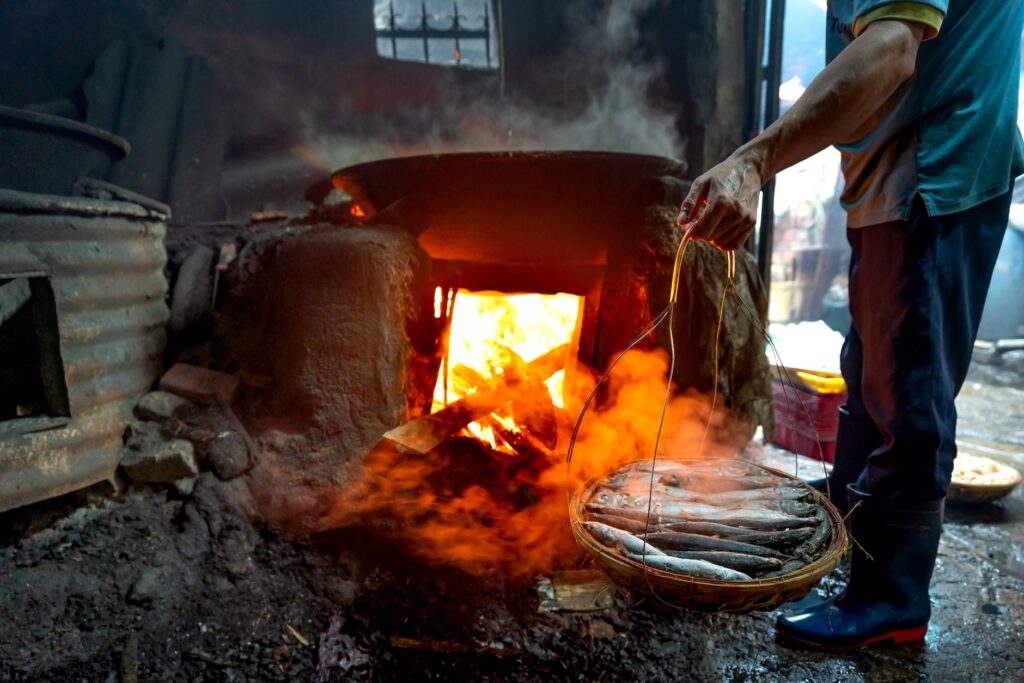
The few artisans who continue to ignite the fires of their workshops act today as involuntary activists of slowness. Their daily labor deliberately clashes with the frenetic speed of globalized consumption. By purchasing, preparing, and serving river fish with the rigor of yesteryear, these families remind the contemporary traveler that true cultural wealth does not lie in the accumulation of novelties, but in the depth of roots and the ability to listen to the subtle messages whispered by cold water currents.
Practical guide
How to get there: The Upper Ebro is primarily accessible by private vehicle via the A-67 highway, taking the regional turnoffs toward Aguilar de Campoo and the northern river gorges of Burgos and Cantabria. The closest railway stations with regular connections are located in Reinosa and Aguilar de Campoo.
When to visit: Autumn and spring offer the most stable weather conditions to tour the riverbanks and enjoy activity in traditional workshops without tourist crowds.
Where to eat: Historic taverns and inns in towns like Barruelo de Santullán and small hamlets within the gorge maintain menus based exclusively on local river products and earthenware casserole recipes.
Travel tips: Waterproof boots and lightweight warm clothing are essential, as humidity near the Ebro flow drops notably even in temperate months. Advance reservation is recommended if visiting artisanal smoking workshops due to their limited, family-run nature.
The Final Heartbeat Along the Current
At dusk, as the sun withdraws from the gorges and a fine mist begins to hover over the surface of the Upper Ebro, the landscape recovers its original mystery. Sitting on the bank, listening to the steady murmur of the water colliding against rounded stones, and savoring a piece of smoked trout with the rough touch of old wood is much more than a gastronomic experience; it represents a profound communion with the hidden pulse of the earth. In this nook where the river dictates the rhythm of life, the traveler understands that true elegance consists in pausing to contemplate the fragile, the authentic, and the enduring.