Introduction to the Sanctuary of Canis lupus signatus
The northwestern region of the Iberian Peninsula preserves one of Western Europe’s most exceptional wildlife treasures: the stable populations of the Iberian wolf (Canis lupus signatus). Situated at the crossroads between the provinces of Zamora and León, the Sierra de Culebra stands as a biogeographic stronghold where this apex predator has managed to persist despite centuries of systematic persecution, habitat fragmentation, and profound socioeconomic shifts in rural Spain. Far from being a mere relic of the past, Culebra represents a natural laboratory of incalculable scientific value, where researchers study population dynamics, behavioral ecology, and the complex coexistence with local communities.
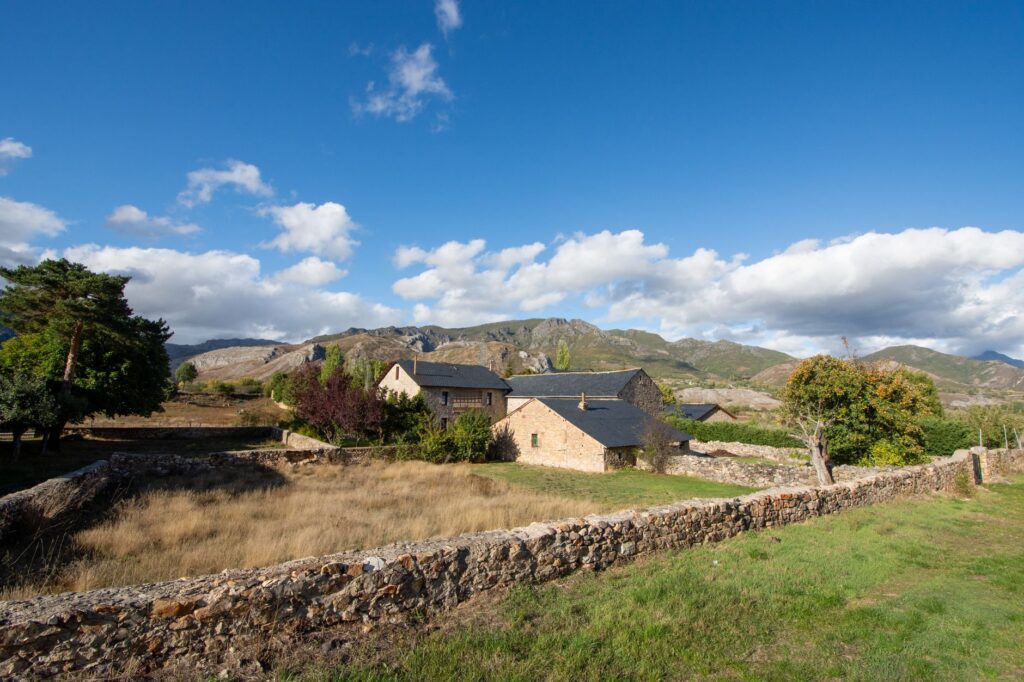
The rugged topography of this area, characterized by rolling hills covered in Mediterranean-atlantid scrubland, pine plantations, and river valleys traced by trout streams, offers an optimal refuge. The low demographic density of the region and the abundance of wild ungulates—such as wild boar, red deer, and roe deer—have configured an ideal ecosystem for the species’ survival. Yet, this idyllic scenario conceals deep tensions. The conservation of the wolf in the Sierra de Culebra is not a purely biological problem, but a complex socio-ecological framework uniting traditional livestock farming, regional and national policies, and the rise of specialized ecotourism focused on the ethical viewing of wildlife in its natural habitat.
Geography and Ecosystem of the Sierra de Culebra
To understand the ecological magnitude of the Sierra de Culebra, one must examine its position in the Iberian geomorphological map. Located in the westernmost extreme of Zamora province, this mountainous formation lacks alpine altitudes—its highest peak, Peña Uviña, barely reaches 1,240 meters—yet stands out for its spatial continuity and relative isolation from major industrial centers. The geological substrate, dominated by Paleozoic slates and quartzites, yields acidic, nutrient-poor soils that have discouraged intensive agriculture, preserving a natural vegetation cover dominated by Pyrenean oak, rockrose, heather, and lavender.

This botanical mantle acts as an ecological sponge supporting remarkable biodiversity. The Tera, Aliste, and Castrón rivers carve out valleys serving as biological corridors not only for the wolf, but also for the wildcat, the Pyrenean desman, and numerous raptors such as the golden eagle and Montagu’s harrier. The faunal wealth of Culebra depends directly on the health of its wild ungulate populations, which form the fundamental trophic base for the wolf, reducing its reliance on domestic livestock and mitigating potential conflicts with local agricultural sectors.
Biology of the Iberian Wolf: Adaptations and Social Structure
The Iberian wolf differs morphologically from its Central European and northern counterparts through a slightly smaller size, a leaner profile, and characteristic black markings on the forelimbs along with a dark stripe along the back that justifies its subspecific name. These morphological adaptations result from centuries of evolution in a Mediterranean environment featuring warm, dry summers and rigorous winters, where efficient running and camouflage in dense scrub are vital for hunting success and survival.

The basic social unit of the wolf is the pack, a hierarchical family group usually led by an alpha breeding pair. In the Sierra de Culebra, average pack size ranges between five and ten individuals, depending on seasonal food resource availability and territorial pressure. Acoustic communication via howling serves key functions in group cohesion, territorial defense against rival packs, and locating dispersed members. Pups, typically born between April and May in underground dens or beneath rock formations, represent generational renewal and the focus of intensive scientific monitoring via radiotracking and camera trapping.
The Historical Conflict with Extensive Livestock Farming
The history of the wolf in Zamora is inextricably linked to an abrasive coexistence with the agricultural sector. Traditional extensive sheep and goat farming, common across municipalities surrounding the Sierra de Culebra, has historically suffered predation by canids. Although the vast majority of biomass consumed by wolves consists of red deer and wild boar, occasional attacks on unprotected flocks generate significant economic and emotional distress among local herders, who frequently denounce insufficient and delayed administrative compensation payments.
For decades, institutional and social responses swung between systematic extermination and precarious tolerance. However, the recent inclusion of the wolf in Spain’s List of Wild Species under Special Protection (LESRPE) in September 2021, which banned sport hunting nationwide, reignited the debate. Livestock farmers argue that the ban on culling problem individuals increases vulnerability, whereas conservationists maintain that solutions lie in modernizing preventive damage measures—such as mastiff guard dogs, electric fencing, and nighttime penning—rather than lethal population control.
Scientific Ecotourism: Ethical Observation and Local Development
Moving away from traditional hunting models that once attracted high-spending trophy hunters, the Sierra de Culebra has shifted toward specialized ecotourism. Local active tourism companies and naturalist guides offer wildlife watching experiences centered on the Iberian wolf, adhering to strict protocols regarding distance, schedules, and high-power optics usage from authorized viewpoints. This approach enables visitors to enjoy the predator’s presence without disrupting natural habits or altering wary behaviors.
Wildlife tourism generates direct economic return through rural lodgings, restaurants, and guide services, proving that a living wolf brings greater added value to the local economy than a hunted one. The current challenge lies in consolidating participatory governance where ecotourism revenues also reach livestock breeders, helping offset the burdens of sharing territory with a protected species of high ecological value.
Scientific Research and Population Monitoring
The Sierra de Culebra stands as one of Europe’s most thoroughly studied enclaves regarding large carnivore biology. University research teams and regional technical staff continuously conduct census programs using scat collection for genetic analysis, nocturnal listening surveys for stimulated howlings, and strategic camera trapping. These methods allow researchers to estimate pack demographics, annual reproduction rates, natural mortality, and causes of losses due to poaching or road accidents.

Decades of compiled data demonstrate the species’ resilience while alerting to emerging threats such as inbreeding in isolated populations or the loss of ecological connectivity with other peninsular mountain ranges. Scientific research provides the empirical foundation required to design adaptive management plans ensuring the long-term viability of Canis lupus signatus within a changing global context.
Regulatory Challenges and Conservation in the 21st Century
The legal status of the wolf in Spain continues to trigger deep political and legal disagreements between the central government and autonomous regions hosting the largest wolf populations, such as Castile and León, Galicia, Cantabria, and Asturias. While national regulations prioritize strict biodiversity protection to comply with European directives, regional governments demand flexibility to manage populations and authorize targeted culls during severe conflicts with livestock. This legal tug-of-war adds uncertainty to long-term conservation planning.

At the local level, the key to future success relies on implementing effective preventive measures and culturally valuing the wolf as an emblematic identity marker of northwestern Zamora. Environmental education in local schools, rigorous public outreach, and direct financial support for field professionals are indispensable pillars to prevent social polarization and ensure Culebra remains a functional sanctuary for the Iberian wolf.
Practical Information for the Responsible Traveler
Planning a visit to the Sierra de Culebra requires rigor, respect, and a low-impact attitude. Essential guidelines for a responsible experience include:
- Recommended Season: Autumn (October and November) and spring (April to June) offer the most favorable weather and wildlife activity.
- Accommodations and Guides: Travelers should hire exclusively certified local ecotourism companies employing qualified naturalist guides who adhere to ethical wildlife viewing codes.
- Equipment: Quality binoculars (at least 8×42), spotting scopes with tripods, neutral-toned clothing (browns, dark greens), and sturdy mountain footwear are mandatory.
- Conduct Rules: Leaving authorized trails, using acoustic lures, approaching breeding areas, or leaving litter in the natural environment is strictly prohibited.
The conservation of large carnivores is not merely an issue of applied ecology, but the ultimate test of our capacity to share living space with other complex life forms.
Conclusion: The Future of an Iconic Predator
The Sierra de Culebra embodies the contradictions, challenges, and hopes of nature conservation in 21st-century Europe. Hunted for generations, the Iberian wolf has demonstrated a remarkable capacity to persist thanks to its ecological plasticity and the tenacity of those committed to its defense. Yet its future is not guaranteed. It depends on society’s ability to forge fair agreements between conservation and rural development, moving beyond sterile confrontations. Protecting the wolf in Culebra ultimately means preserving the holistic health of an irreplaceable Mediterranean-Atlantic ecosystem and keeping the wild memory of Iberian mountains alive.