Introduction to the Sacred Valleys and the Agricultural Memory of the Andes
The air in the high valleys of Urubamba possesses a singular transparency, cut only by the imposing profile of snow-capped peaks that encircle the sacred territory of the Incas. Here, agriculture is not a mere economic activity aimed at subsistence, but a complex geometric choreography carved into the mountain slopes. The terraces, those stepped structures that defy gravity and erosion, were conceived centuries ago as natural climatic laboratories. In this environment, every meter of elevation represents a precise thermal variation that allows for the cultivation of everything from giant corn to frost-resistant tubers. The relationship between the Andean farmer and the land is governed by principles of reciprocity and astronomical observation that have weathered colonial upheavals and the pressures of globalized modernity.
Delving into the Urubamba basin means accepting a rhythm where time is measured by seasonal cycles and harvests. Local markets in towns like Urubamba and Calca act as focal points for this rural vitality. In these spaces, the written word yields to verbal barter and the exhibition of a plant biodiversity that can overwhelm the uninitiated traveler. Varieties of corn—white, chullpi, culli, and purple—fill jute sacks that line the aisles, accompanied by dozens of native potato types displaying a chromatic palette from deep purple to waxy yellow, passing through ivory and reddish hues. This display is not an ornamental aesthetic, but an ancient food security strategy based on polyculture and genetic diversification.
The Architecture of Terraces and Pre-Hispanic Engineering
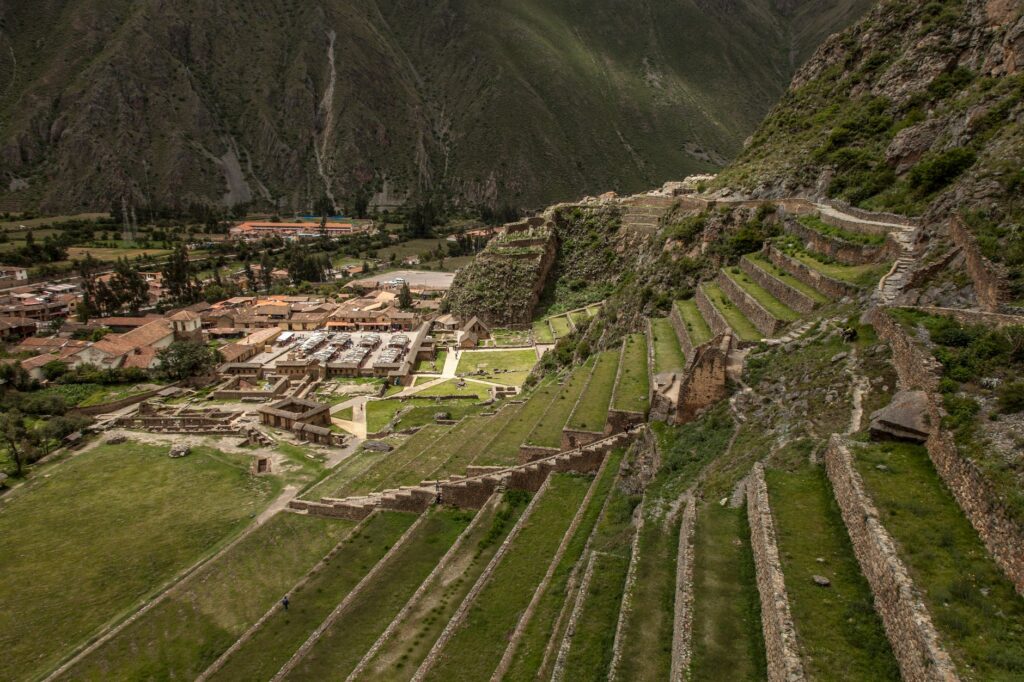
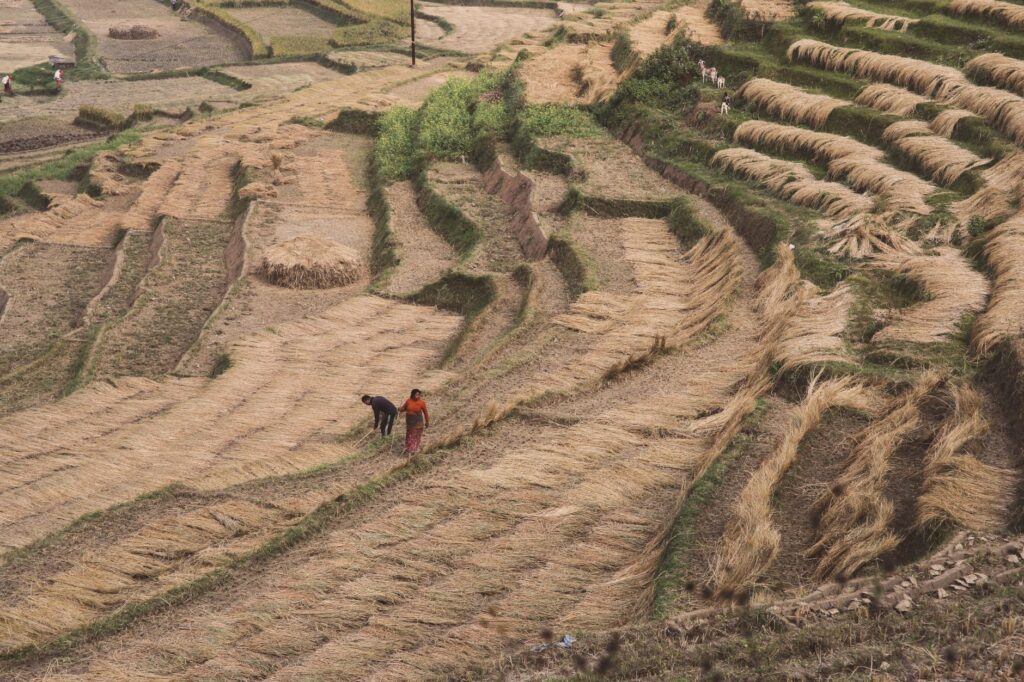
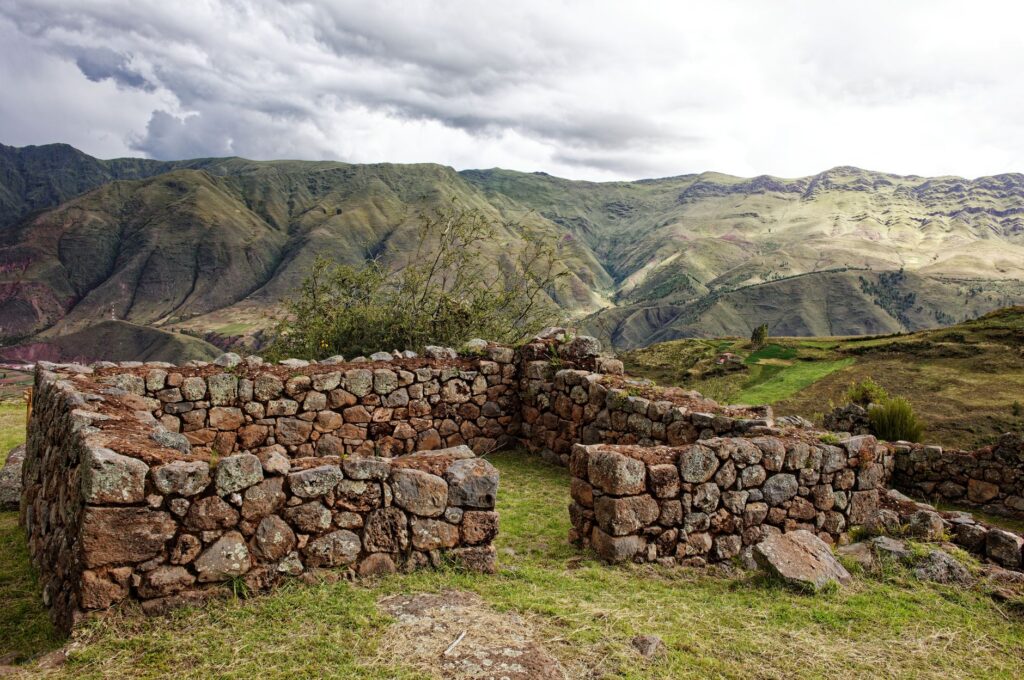
The survival of traditional cuisine in the Sacred Valley depends directly on the technical skill developed by pre-Columbian civilizations in water and soil management. The agricultural terraces are not simple retaining walls of limestone or granite assembled without mortar; they constitute a sophisticated system of drainage and thermal retention. The internal structure of each terrace includes successive layers of rounded stones, gravel, fine sand, and cultivated soil enriched with guano or decomposed organic matter. This design allows the roots of demanding plants, such as purple corn with dense grains and deep coloration, to maintain a constant temperature even when Andean nights bring sharp drops below freezing.
The water irrigating these formations comes from upper glacial runoff, channeled through a network of Inca-era irrigation ditches that wind down the slopes. Modern community members continue to organize through the system of *minka* and *ayni*—ancestral forms of communal labor and mutual aid—to clean and maintain these channels before the rainy season arrives. Without this constant collective effort, the system would collapse within a few seasons, carrying away the fertility of the terraces and threatening the continuity of endemic crops that supply both local markets and contemporary kitchen workshops seeking authenticity.
Purple Corn and the Alchemy of Chicha in Traditional Workshops
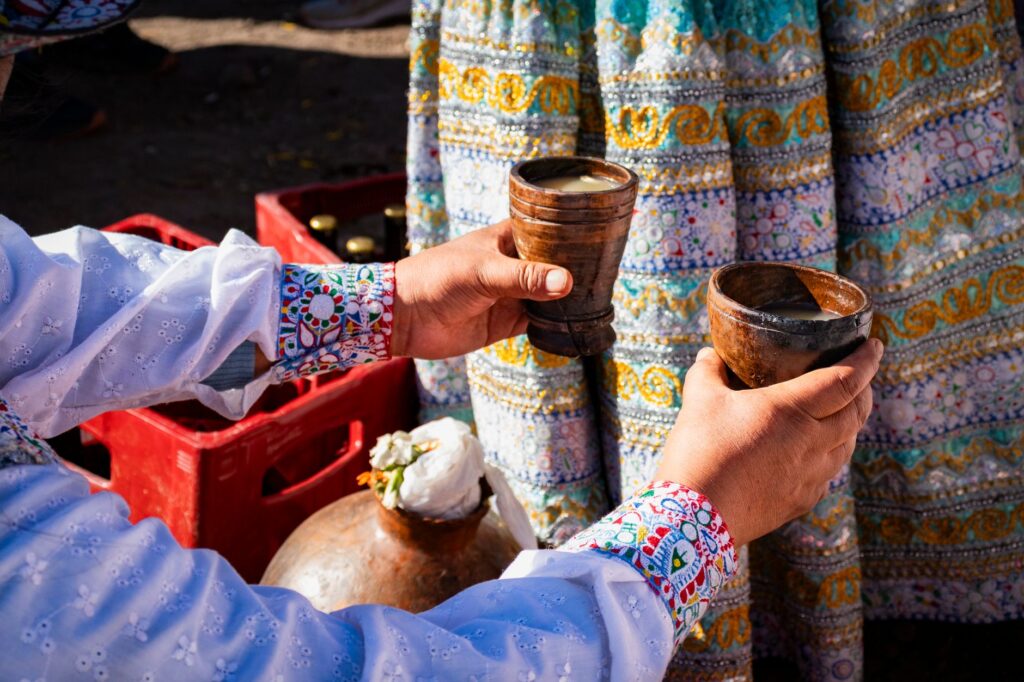
Among the vast array of cereals sprouting in Peruvian soil, purple corn (*Zea mays var. indentata*) stands out not only for its anthocyanin-rich pigmentation, but for its central role in the liquid and solid identity of the high valleys. Unlike sweet North American varieties, this corn develops compact ears with angular, dark grains loaded with natural antioxidants. In the backyards of adobe houses in Urubamba, grandmothers continue to brew *chicha de jora* and purple chicha through processes that have scarcely changed in five hundred years. The kernels are shelled by hand, carefully selected, and simmered in large copper cauldrons along with pineapples, quinces, cloves, and cinnamon, releasing sweet vapors that perfume the narrow streets on market mornings.
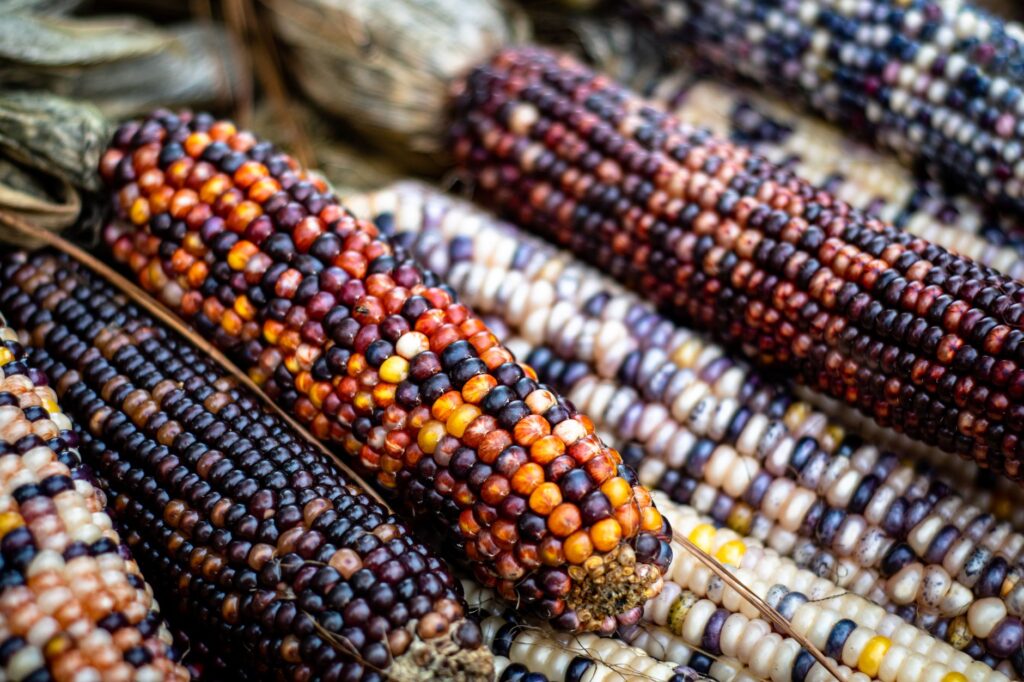
The fermentation of *chicha de jora*, meanwhile, requires monastic patience. The sprouted grain is sun-dried, ground in a stone mortar, and subjected to prolonged cooking before resting in clay vessels for well over a week. This dense, slightly acidic liquid not only accompanies pork or lamb stews during patron saint festivals, but acts as a cohesive ingredient in broths and marinades. Local cooks insist that replacing this artisanal ferment with industrial substitutes breaks the gustatory balance of traditional dishes, stripping them of that subtle acidity which contrasts with the heaviness of Andean starches.
The soil of Urubamba does not give up its fruits easily; it demands the patient understanding of the heights, where every grain of purple corn holds the memory of glacial meltwater and the fleeting heat of the highland sun.
The Sunday Market of Pisac: Anthropology of Andean Commerce
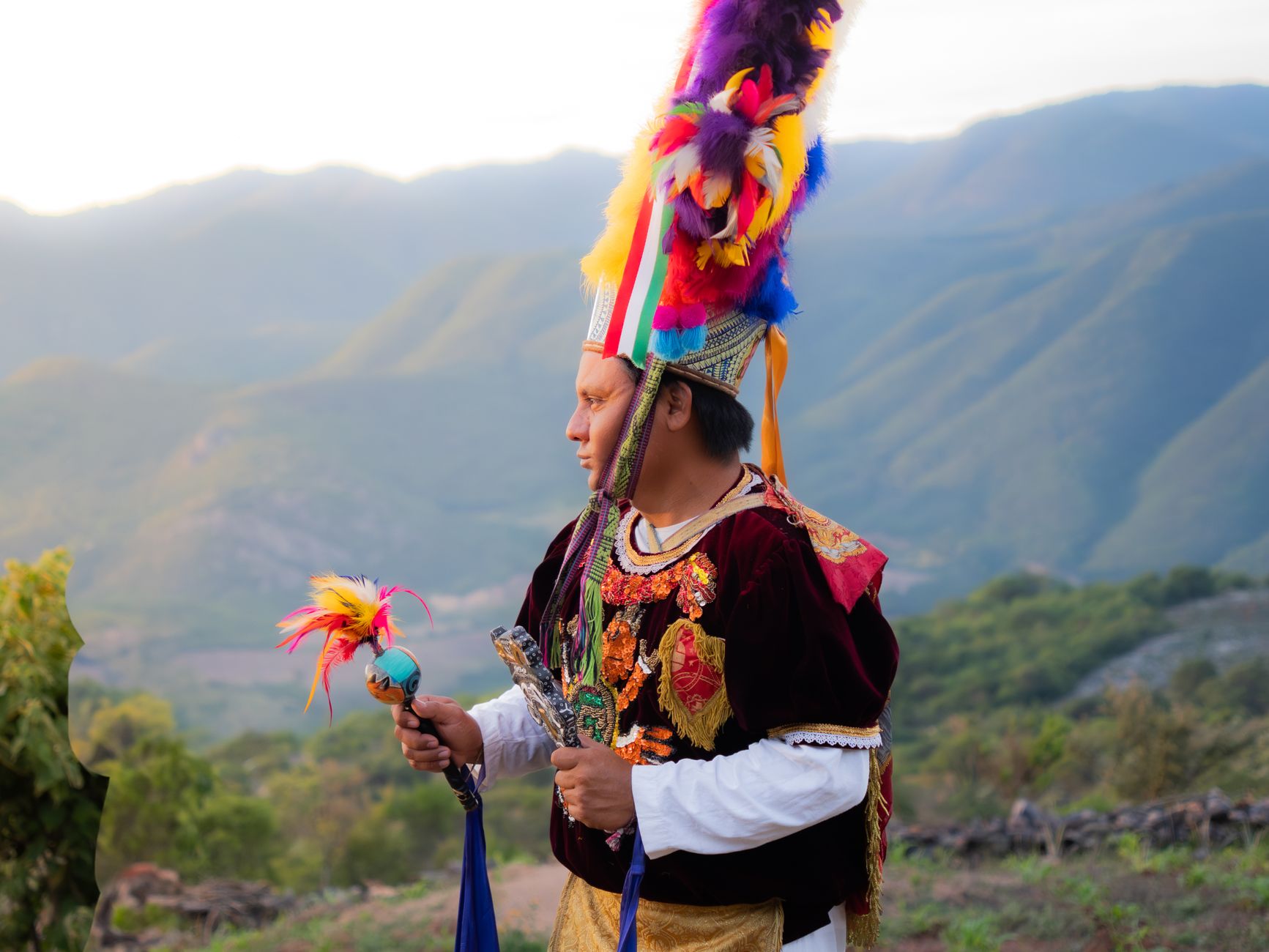
On Sunday mornings, the town of Pisac transforms into the commercial and social epicenter of the valley. Communities inhabiting the surrounding heights descend along stone pathways carrying bundles of multicolored textiles and sacks of agricultural produce. The market is not merely a space for economic exchange, but a territory of identity affirmation where traditional attire—winged hats, alpaca wool ponchos dyed with cochineal or *ichu*, layered skirts—indicates with surgical precision the community of origin of each wearer. Here, transactions are still conducted in Quechua, interspersed with numbers and traditional measurements that escape the logic of globalized markets.
In the food stalls, the smoke from wood-fired stoves announces the preparation of emblematic dishes such as lamb stew, *chuño* soup, or corn tamales wrapped in husk leaves. Vendors serve diners while seated on small wooden stools, dishing out generous portions in rustic stoneware. The freshness of the ingredients is absolute: aromatic herbs like *huacatay* and *muña* are picked at dawn on the lower slopes, providing minty and anise-like notes that define the flavor profile of the valley’s cuisine. This market functions as a living archive preserving culinary techniques that combine pre-Inca heritage with subtle adaptations introduced after European contact.
Native Potatoes and the Invisible Biodiversity of the Slopes
If corn is the king of the valley floors, the native potato occupies the undisputed throne of heights exceeding three thousand five hundred meters above sea level. In these cold, windy zones where few crops manage to thrive, farmers cultivate over three hundred recognized varieties of this tuber. Each possesses names evoking morphology or properties: *Leona*, *Cuchikuro* (named after a worm due to its sinuous shape), *Puka Sonqo* (red heart), or *Runtu* (egg). This biodiversity represents an invaluable biological insurance policy against pests and sudden climate shifts, because while one variety may succumb to unexpected frost, another resists thanks to its genetic hardiness.
In high-altitude communities, potatoes are transformed through ancestral dehydration methods to obtain *chuño* or *moraya*. This process, known as *tayachiy*, takes advantage of the extreme conditions of the plateau: the tubers are spread over straw blankets during freezing winter nights so they freeze solid; the next day, under the intense sun, they are trodden upon by farmers to extract residual water. After several repetitions, the potato turns into a light white stone that can be stored for years without losing its nutritional properties. Rehydrated in thick stews and soups, it provides an earthy texture and concentrated flavor that forms the basis of the community diet during months of seasonal scarcity.
Territory Cuisine and Dialogue with Contemporary Haute Cuisine
Over the past decade, the Sacred Valley has become a magnet for international chefs and local cooks seeking to connect with the ancestral larder. Restaurants rooted in the environment work hand in hand with conservationist farmers to rescue forgotten seeds and reintroduce cooking techniques using embers and underground mud ovens (*pachamanca*). This phenomenon should not be understood as a mere gastronomic fad, but as a process of cultural revaluation that restores prominence to the primary producer. Contemporary menus in the region shun unnecessary artifice to focus on the purity of the product: tender corn cooked with fresh goat cheese and wild herbs can achieve a superior sensory complexity compared to any complex preparation.
However, this encounter between haute cuisine and rural tradition poses complex ethical and economic challenges. Increasing demand for certain native products threatens to displace local consumption if fair and sustainable supply chains are not established. Community leaders insist that any tourism or culinary initiative must respect the food sovereignty of indigenous inhabitants. The most successful experiences are those where the visitor does not act as a mere passive consumer, but participates in agricultural chores, understands the water cycle, and shares the communal table on equal footing, recognizing that behind every dish lies centuries of accumulated knowledge.
True haute cuisine in the Andes is not born in the high-tech kitchens of major cities, but in the silence of agricultural terraces where man converses every dawn with stone, wind, and seed.
Practical Guide for the Traveler and Gastronomic Researcher
For those interested in exploring the culinary reality of the Andean Sacred Valley with anthropological rigor, planning the stay during the main harvest months, spanning from April to June, is recommended. During this period, the fields display their maximum chromatic splendor and community fairs multiply their activity.
- How to get there: The mandatory access point is the city of Cusco, located about thirty-two kilometers from the start of the Sacred Valley. From Alejandro Velasco Astete International Airport, private transport services or local shared vans can be taken down toward Urubamba and Calca via paved yet winding roads.
- Recommended accommodation: Staying in small rural guesthouses or eco-lodges managed by local communities in Pisac, Urubamba, or Ollantaytambo is advised, facilitating direct contact with farmers and early access to traditional markets before the arrival of mass tourist circuits.
- Cultural respect guidelines: When visiting local markets and high-Andean communities, it is essential to ask permission before photographing individuals, especially elders and children. The use of Spanish is widespread, but greeting locals with a respectful *Allillanchu* (how are you?) in Quechua opens doors and fosters immediate human closeness.
- Health precautions: The valley’s altitude ranges between two thousand eight hundred and three thousand five hundred meters above sea level. Acclimatizing for the first two days in Cusco or lower parts of the valley is recommended, consuming muña or coca infusions to mitigate mild symptoms of altitude sickness.
- Responsible shopping: When acquiring processed agricultural products such as native corns, Maras salt, or textiles, make sure to purchase directly from producers at Sunday markets to ensure that the economic benefit remains within the community of origin.
Epilogue: The Perennity of Andean Flavor Facing the Future
The future of cuisine in the Urubamba valleys does not lie in the uncritical adoption of foreign trends, but in the capacity of its inhabitants to preserve the ecological and cultural balance that has sustained life in the heights for millennia. Purple corn, native potatoes, and Inca terracing systems form a living heritage that transcends the purely nutritional realm to become a masterclass in human adaptation to extreme environments. Every dish served in this corner of the Andes is a testament to resilience and beauty, a reminder that true culinary sophistication lies in absolute respect for the land and the shared memory of those who work it day after day.