
Introduction to the Carpathian Backbone
The railway system running through the imposing Carpathian mountain range represents one of the greatest achievements of civil engineering and transport logistics in Eastern Europe. This historic corridor not only connects isolated valleys and rural communities with major urban centers, but also acts as a vital artery for cross-border integration between Central and Eastern Europe. Over the centuries, the rugged topography has demanded complex technical solutions to overcome extreme elevation gains, adverse weather conditions, and shifting geopolitical barriers. Today, the network faces a dual transformation: modernizing century-old infrastructure to meet contemporary speed standards while preserving the architectural heritage that defines its identity.
Analyzing the connectivity of this territory involves understanding the interplay between physical geography and economic planning. From high-altitude border passes to terminal stations linking with surrounding plains, every kilometer of railway tells a story of technical resilience. Overcoming mountain elevation gains has required the construction of complex tunnel systems, stone viaducts, and retaining structures that continue to operate efficiently under strict maintenance protocols. As European Union mobility policies prioritize low-emission travel, this corridor emerges as an indispensable component for redefining passenger and freight transport in the region.
Historical Legacy and Initial Geographical Challenges
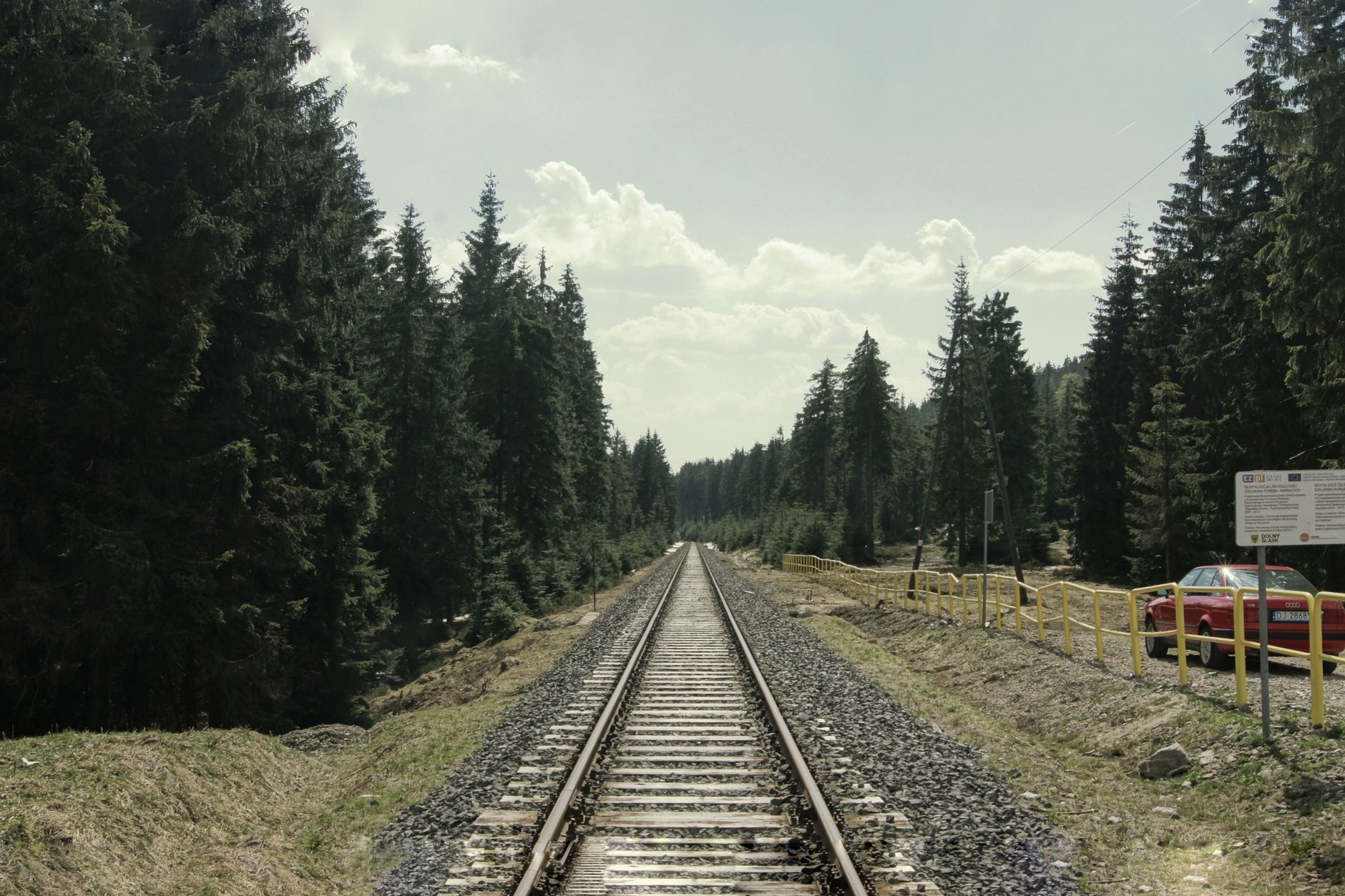
The genesis of the Carpathian railway network dates back to the second half of the 19th century, during the period of industrial expansion under the Austro-Hungarian Empire. Engineers of the era faced a territory characterized by deep gorges, swift rivers, and peaks exceeding two thousand meters in altitude. The original layout prioritized economic viability over direct speed, resulting in a winding single-track route that meanders along river valleys before ascending the alpine slopes. This initial design, while admirable for its construction audacity, currently imposes severe operational limitations in terms of load capacity and transit times.
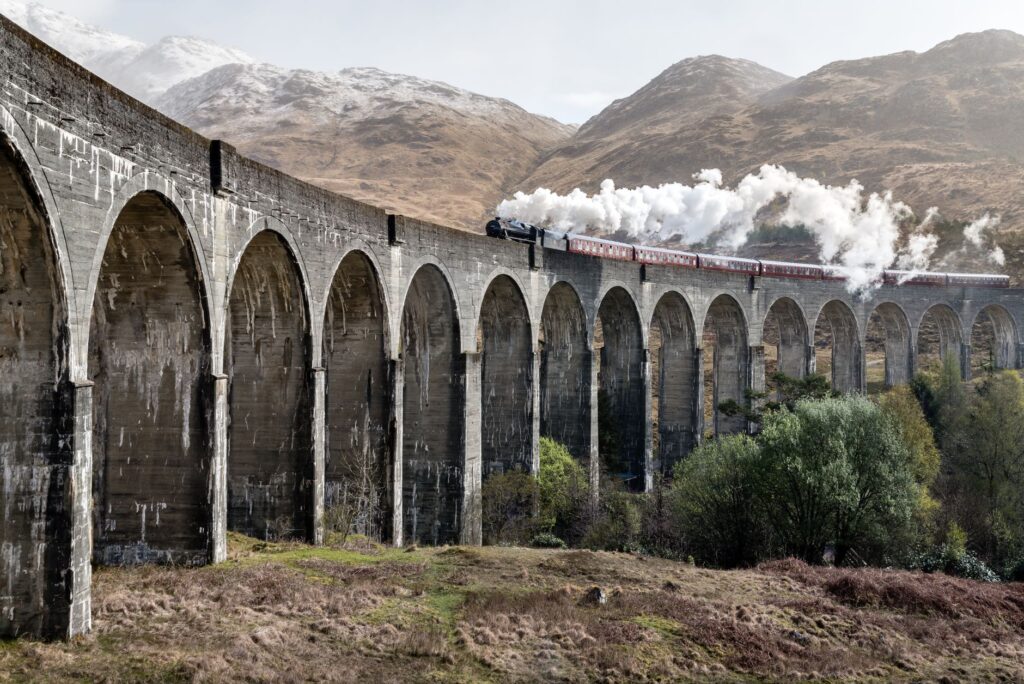
Chronicles of the period reflect the extreme working conditions faced by thousands of laborers from various regions of the empire. Manual tools and dynamite were the primary instruments used to carve paths through limestone and granite. The impact of these tracks on socio-economic development was immediate, enabling the mass transport of timber, coal, and agricultural products to the markets of Vienna, Budapest, and beyond. However, the maintenance of this inherited infrastructure represents a major budgetary and technical challenge today for national railway administrations, which must balance heritage preservation with operational safety requirements.
Civil Engineering and Technical Solutions in High-Mountain Zones
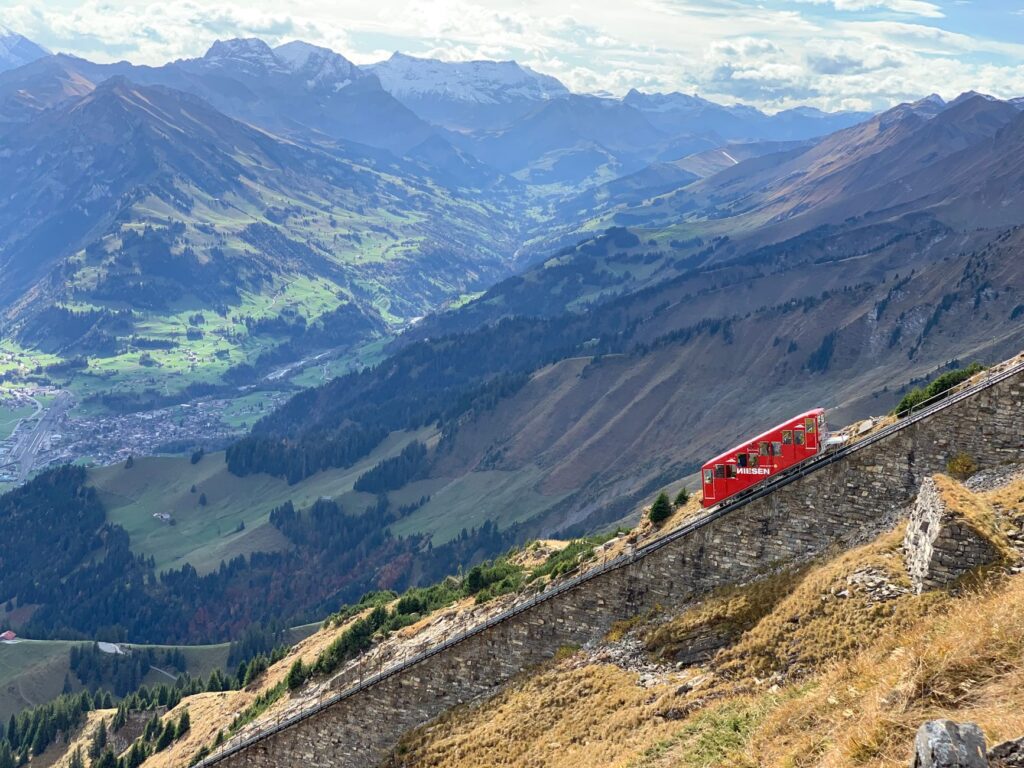
Operating a railway line in a mountainous environment requires a constant deployment of precision engineering. Stretches with steeper gradients occasionally incorporate special traction systems or very tight radius curves that drastically reduce the commercial speed of convoys. To mitigate these effects, modern engineers have executed route rectification projects, replacing puddled iron bridges with reinforced concrete structures and reinforcing slopes against rockfalls using high-strength meshes and advanced drainage systems.
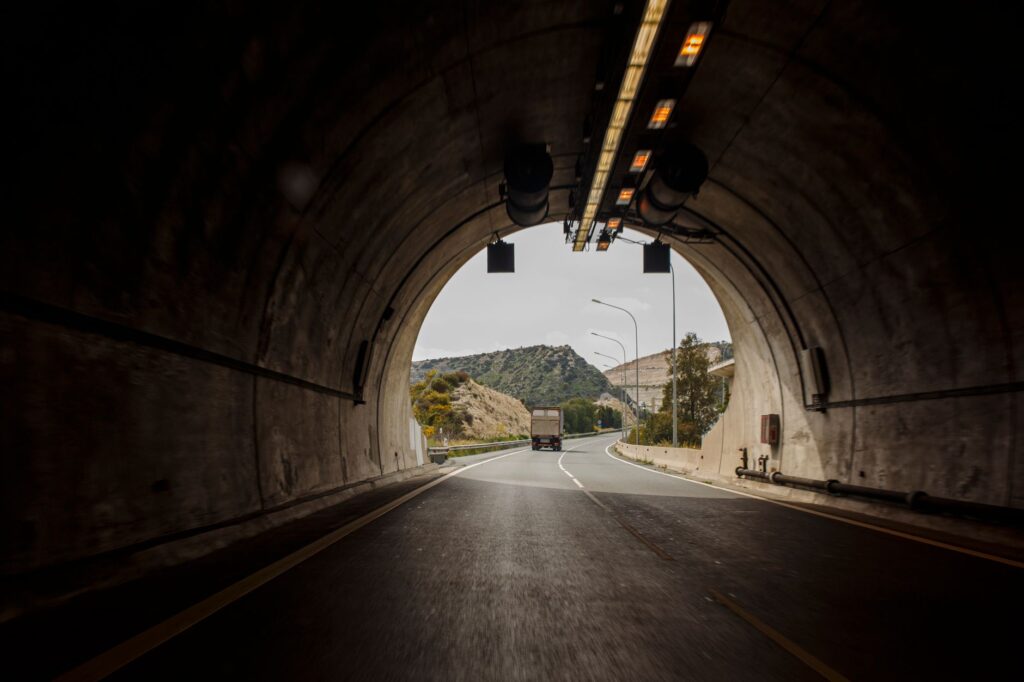
A critical aspect of the infrastructure is the geotechnical control of tunnels excavated into the massif. Many of these underground galleries suffer from constant water infiltration and extreme thermal variations that accelerate the wear of rails and ballast. Investment in auscultation technology allows for the detection of micro-fissures and structural movements before they compromise traffic safety. Likewise, the electrification of main sections, carried out gradually over the past century, has eliminated dependence on fossil fuels on high-mountain routes, reducing the carbon footprint of regional transport and improving traction on steep slopes.
The mountain does not yield to technique; technique learns to negotiate with the mountain for every meter of railway progress.
Intermodality and Cross-Border Connections
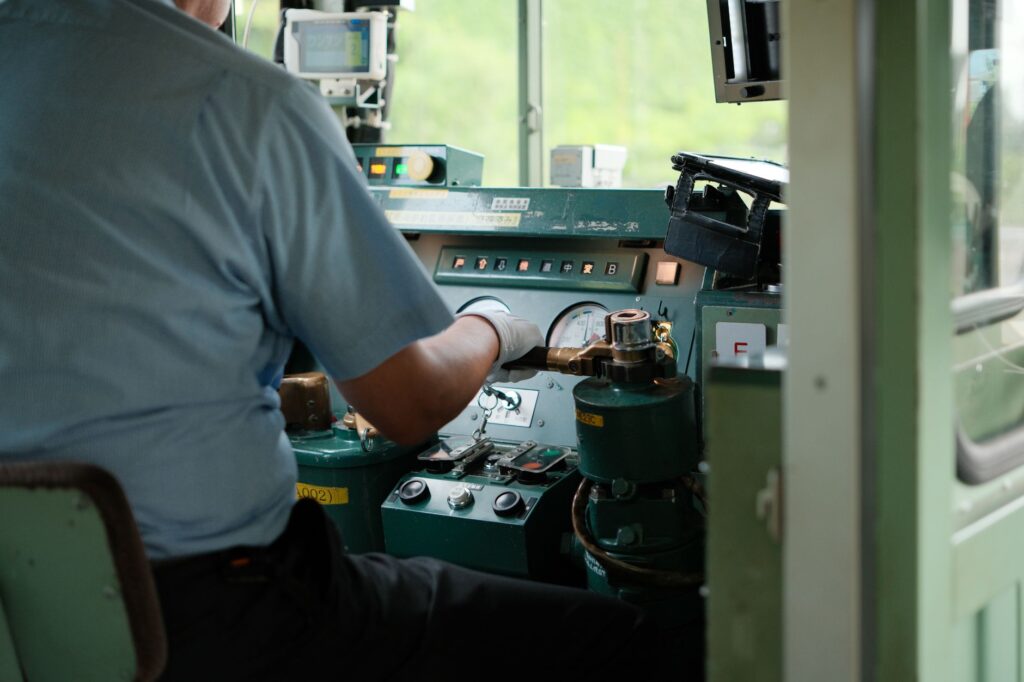
Carpathian connectivity is not limited to internal circulation within a single country; its true strategic value lies in its capacity to articulate international transit between Central Europe and Eastern European republics. However, this integrative vocation historically clashes with fundamental technical divergences, such as the coexistence of different track gauges between the standard European network and the Soviet-era Russian gauge. This physical discontinuity forces complex freight transshipment operations and axle adjustment procedures at border terminals, a process that consumes time and logistical resources.
To overcome these barriers, logistics operators and railway authorities have promoted the creation of multimodal platforms equipped with automatic gauge-changing technology and high-capacity container terminals. The modernization of border checkpoints aims to streamline customs and phytosanitary controls without sacrificing the legal and fiscal security of member states. These terminals act as economic hinges, facilitating a more predictable commercial flow and reducing operating costs for transport companies operating on the east-west axis.
Socio-Economic Impact on Local Communities
Beyond its function as an international logistics corridor, the Carpathian railway constitutes the livelihood of numerous rural communities that depend on this medium for their daily mobility. In many secluded valleys, where roads become impassable during harsh winter months due to heavy snow and ice, the train is the only safe link to health, educational, and administrative centers located in the main valleys. This public service function contrasts with the trend toward the suppression of deficit lines observed in other European regions.
Local economies have successfully redirected the presence of these rail lines toward the tourism enhancement of the territory. The concept of slow travel has gained followers among travelers seeking alternatives to traditional mass tourism. The revitalization of local railway heritage generates direct employment in hospitality, mountain guiding, and the restoration of historic stations, transforming a financial liability into an asset for sustainable development. Local associations work closely with operators to maintain heritage train operations with steam locomotives on special dates, attracting rail enthusiasts from around the world.
Climate Challenges and Infrastructure Resilience
Global climate change is placing unprecedented pressure on transport infrastructure located in high-mountain areas. The Carpathians are no exception: rising average temperatures have intensified extreme weather phenomena, such as sudden torrential downpours, accelerated snowmelt, and slope landslides that directly threaten the stability of railway tracks. These events demand a profound revision of preventive maintenance protocols and flexible budget allocations to respond rapidly to geological emergencies.
Railway administrations are implementing early warning systems based on meteorological and satellite sensors that monitor the condition of slopes and riverbeds near the tracks in real time. The climate adaptation of the network requires major structural interventions, such as the construction of more robust containment dams, the reforestation of eroded slopes, and the expansion of underground drainage systems. These preventive measures are essential to guarantee service continuity and avoid the prolonged paralysis of such a sensitive logistics corridor.
Investing in the climate resilience of mountain railways is securing the economic survival of entire valleys against environmental uncertainty.
Future Prospects and Technological Modernization
The horizon of the Carpathian railway system is marked by ambitious digitization plans and rolling stock renewal. The progressive implementation of the European Rail Traffic Management System (ERTMS) promises to increase safety and capacity on single-track lines, allowing for a greater density of traffic without the need to duplicate expensive civil infrastructure. Likewise, the introduction of hybrid traction passenger trains—combining catenary electricity with high-capacity batteries or hydrogen fuel cells—opens the possibility of operating on un-electrified secondary sections in a completely clean manner.
These technological innovations must be accompanied by political and financial commitment on a continental scale to reduce the infrastructure gap between Western and Eastern Europe. The digital and energy integration of the corridor will consolidate its strategic role on the European transport map, demonstrating that even the most rugged terrain can be integrated into a modern, efficient, and environmentally friendly mobility network.
Practical Information for the Traveler and Researcher
Planning a journey or a technical study along the Carpathian railway corridor requires taking into account several fundamental logistical and operational considerations:
- Recommended Timing: Late spring months (May and June) and early autumn (September and October) offer stable weather conditions and landscapes of high visual value, avoiding summer crowds and severe winter blockages.
- Tickets and Reservations: Although local regional trains usually allow direct ticket sales at the station, long-distance journeys and cross-border overnight trains require advance booking through the official platforms of national operators.
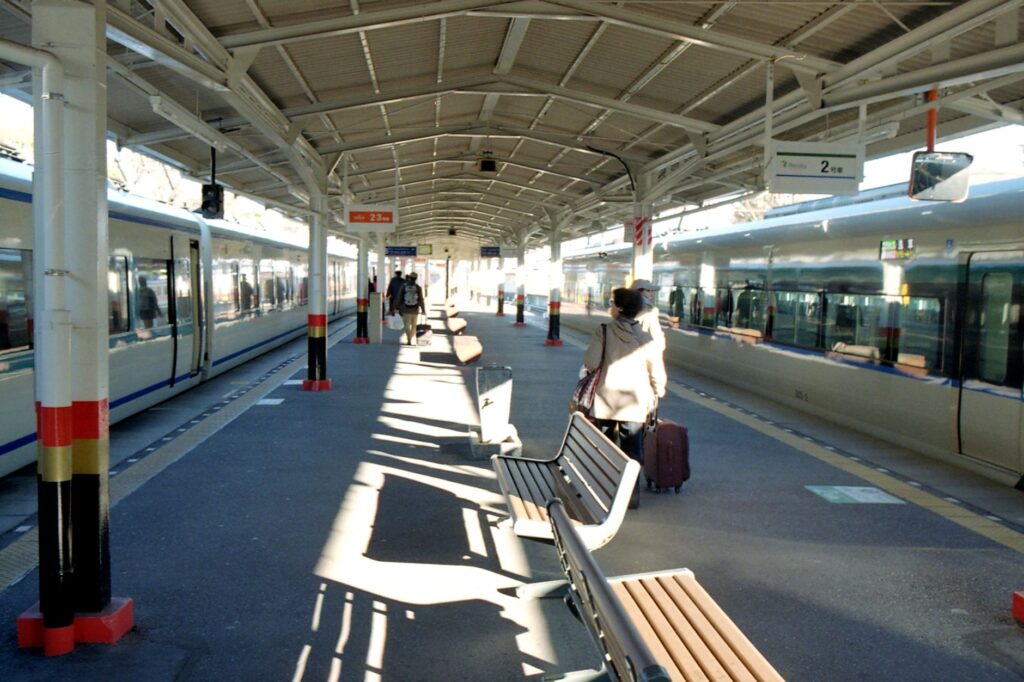
- Luggage and Mobility: Due to the reduced dimensions of historic rolling stock operating on some secondary lines, traveling with light and manageable luggage is recommended to facilitate movement through narrow corridors.
- Connectivity and Documentation: When crossing external European Union borders on certain sections, carrying a valid passport and verifying current customs requirements at each crossing point is essential.
- Technical Support: Local tourist offices and institutional websites of national railways offer detailed guides with updated schedules and real-time incident alerts.
Conclusion: The Future on Rails at the Summit
The Carpathian rail corridor embodies the perfect synthesis between Europe’s industrial history and twenty-first-century mobility challenges. Far from being an obsolete relic destined for oblivion, this network demonstrates a remarkable capacity for adaptation in the face of geographical, climatic, and economic adversities. With rigorous planning, sustained investments in technology, and firm respect for the natural and heritage environment, the train in the Carpathians will continue to traverse the summits, uniting cultures and guaranteeing a future of solid connectivity for generations to come.