
The Call of Andean Stone and Abyss
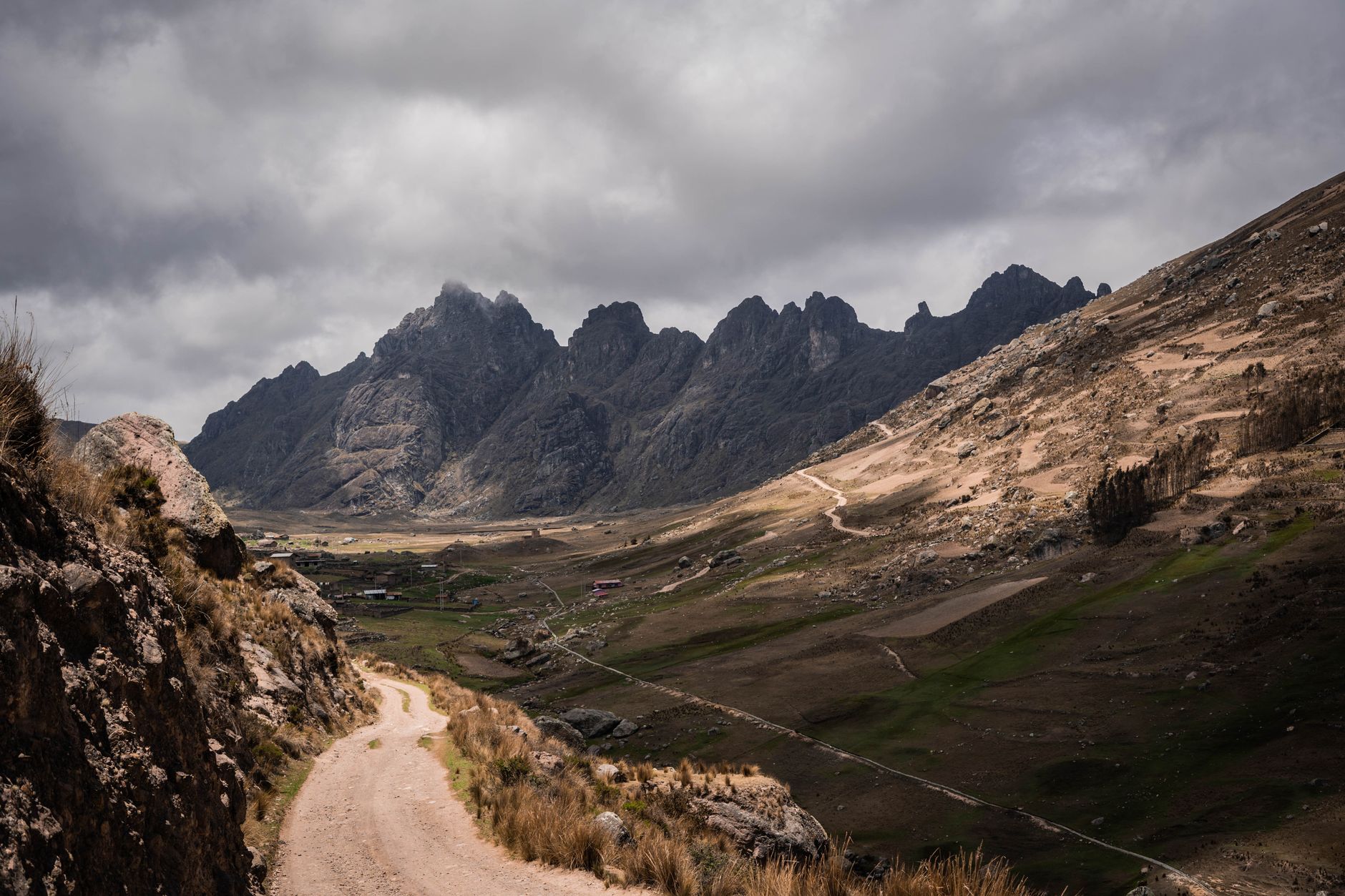
Few itineraries on the planet possess the historical resonance and biomechanical demands of the classic Inca Trail in Peru. Unlike modern recreational hiking paths, this route is a masterpiece of pre-Hispanic engineering. The builders of the Tahuantinsuyo carved granite staircases directly into the vertical faces of the eastern buttresses of the Andes, linking subtropical valleys with snowy peaks exceeding four thousand meters in altitude. This is not simply walking to contemplate picturesque scenery; it is ascending a millennia-old corridor where every single step, retaining stone, and drainage channel reveals absolute mastery over the terrain and profound respect for sacred topography.
Contemporary travelers venturing into this journey must understand that expedition success relies not on brute physical strength, but on meticulous strategy. The route extends for approximately forty-two kilometers, departing from Kilometer 82 of the railway line in the Urubamba Valley and concluding at the iconic Sun Gate, or Intipunku. Along this path, the human body confronts drastic temperature fluctuations, thin air at high altitudes, and the persistent humidity of the cloud forest. Logistical rigor begins months before the first step, through permit reservations and the physiological preparation necessary to endure six to nine hours of daily continuous marching over uneven, cliffside surfaces.
High-Altitude Geography and Preventive Acclimatization
The primary challenge for any hiker on the Inca Trail is altitude. The trail’s profile requires conquering several mountain passes, with Abra de Warmiwañusqa—popularly known as Dead Woman’s Pass—standing as the high point at 4,215 meters above sea level. At this elevation, barometric pressure drops significantly, reducing available oxygen per breath and triggering severe altitude sickness, or soroche, in those who fail to respect acclimatization schedules, with symptoms ranging from pulsing headaches to debilitating nausea and extreme fatigue.
Ideal preparation involves spending at least three to four days prior in the city of Cusco or the Sacred Valley, situated between 2,800 and 3,500 meters of altitude, undertaking moderate hikes to stimulate red blood cell production. During the initial ascents along the Inca Trail, the pace must be deliberately measured, adopting the local cadence known as the Andean step: a steady, short, and rhythmic stride that avoids unnecessary heart rate spikes. The use of mandatory rubber-tipped trekking poles is essential to protect knee joints during the steep descents that characterize the second and third days of the traverse.
Permits, Quotas, and Government Regulations
The preservation of this fragile archaeological heritage has compelled Peru’s Ministry of Culture to implement strictly enforced access controls. Daily visitor numbers are capped at five hundred people, a quota that includes not only hikers but also guides, chefs, and porters who make the expedition possible. This strict limit turns securing a permit into an exercise in advance planning that must be resolved months ahead, particularly for travel during the dry season spanning May through September.

It is vital to note that permits are nominative, non-transferable, and non-refundable. Any error in passport numbers or selected dates invalidates access at the Kilometer 82 checkpoint. Furthermore, regulations strictly prohibit single-use plastics, un-tipped poles capable of damaging original stone slabs, and unauthorized campfires. Groups must be accompanied by licensed official guides, ensuring both emergency evacuation safety and the conservation of the natural and cultural environment within the Machu Picchu Historical Sanctuary.
The Art of Camp Logistics in High-Altitude Terrain
Unlike self-supported trekking where hikers carry their own shelter and provisions, the operational model of the Inca Trail relies on the collective labor of local communities and porters. These men and women form the true lungs of the expedition, carrying tents, gas canisters, fresh food, and cooking equipment across dizzying elevation gains. For the traveler, this means daytime backpack weight is considerably reduced, limited to water, warm layers, sunscreen, rain gear, and personal items.
The mountain yields neither to haste nor pride; it demands the humility to listen to one’s own body and reverence for the ancient work carved into rock.
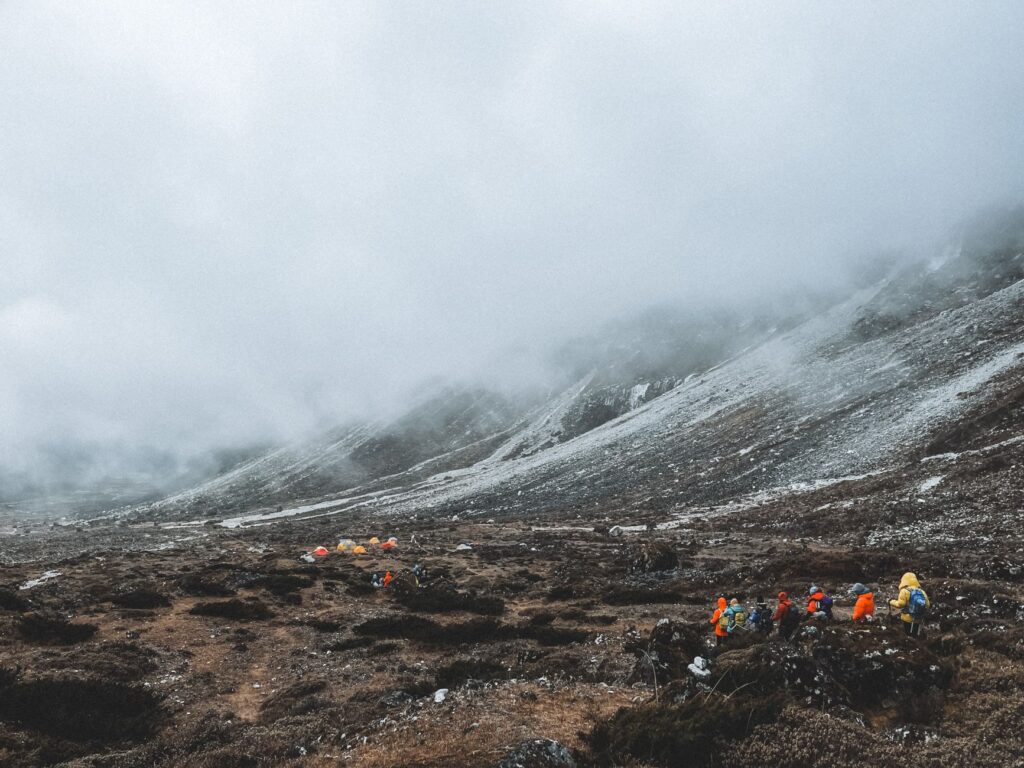
However, logistical convenience does not exempt hikers from managing their own thermal and hydration comfort. Established campsites along the route—such as Wayllabamba, Pacaymayo, and Phuyupatamarca—sit within highly diverse microclimates. While valley afternoons can be mild, high-camp nights experience sharp temperature drops that can plunge below freezing. Carrying a down sleeping bag with adequate thermal rating and a high-density insulating sleeping pad is indispensable to guarantee restorative rest for the physical and mental demands of the following day.
Hydration, Purification, and Water Management on the Trail
Water supply is a critical aspect demanding scientific rigor from every expedition member. Although streams and rivers cascading down Andean valleys appear crystal clear, surface runoff carries organic sediment, heavy metals, and microbiological contamination from livestock grazing in upper zones. Consuming untreated water is the primary cause of gastrointestinal infections that can completely ruin a trekking experience and compromise traveler health in remote locations.
Treatment options divide into chemical, physical, and filtration methods. Chlorine dioxide or iodine tablets are lightweight and effective, though they require extended wait times to neutralize certain pathogens. Hollow-fiber membrane filters combined with ultraviolet systems offer rapid, safe purification without altering liquid taste. Carrying a total hydration capacity of at least three liters distributed in bladder systems or rigid flasks is recommended, refilling reservoirs at secure points indicated by guides before tackling strenuous physical efforts under direct solar exposure.
The Invisible Heritage: Reading the Archaeological Landscape
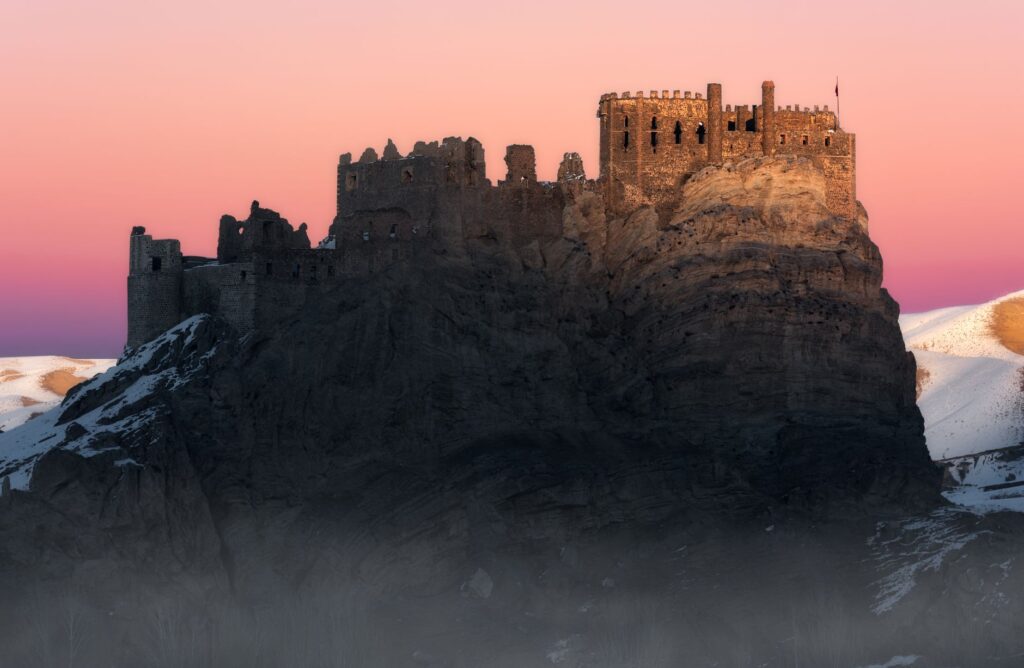
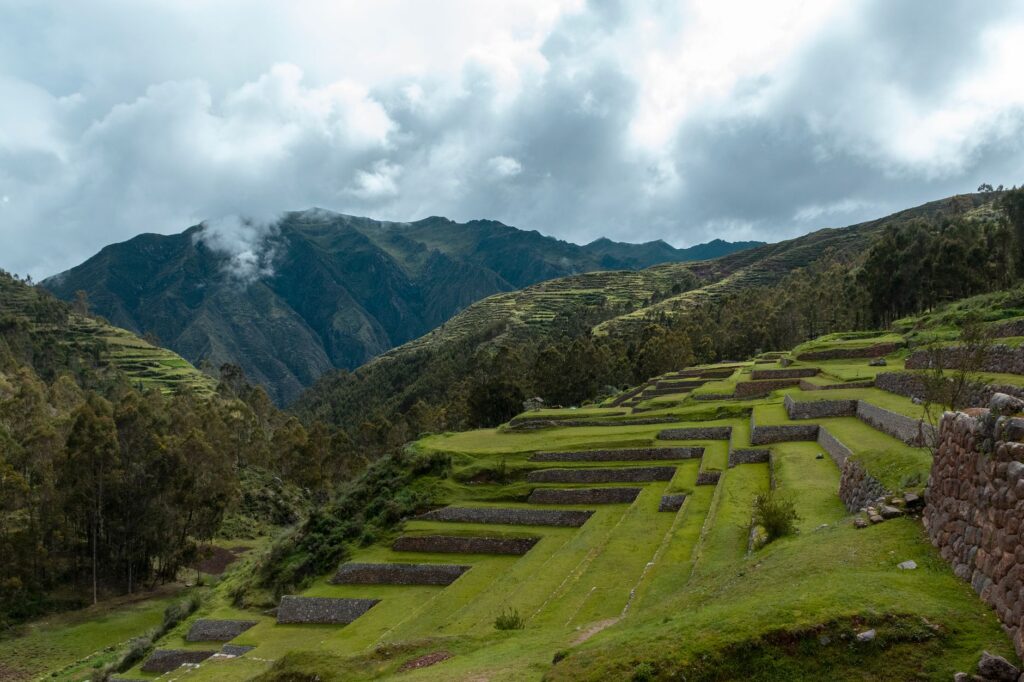
Traversing the Inca Trail without understanding the significance of the architectural complexes along the route reduces a profound cultural experience to mere aerobic exercise. Each archaeological site served a specific geopolitical and religious function within the Inca Empire. Llactapata, featuring agricultural terraces oriented to leverage the valley microclimate; Runkurakay, a circular structure likely functioning as a checkpoint or tambo; and Wiñay Wayna, a masterful display of ceremonial terraces suspended over the Urubamba abyss, stand as milestones narrating mastery in landscape management.
Respect for these structures is an unyielding ethical standard. Climbing stone walls, shifting lithic blocks, or removing ceramic fragments occasionally emerging along trail embankments is strictly forbidden. Professional guides play a foundational role here, acting not only as route leaders but as custodians of historical memory, transmitting knowledge about Andean worldview, spatial duality, and the syncretic relationship between tutelary deities—the apus—and communities inhabiting these inscrutable heights for centuries.
The Final Descent: Arrival Through the Sun Gate
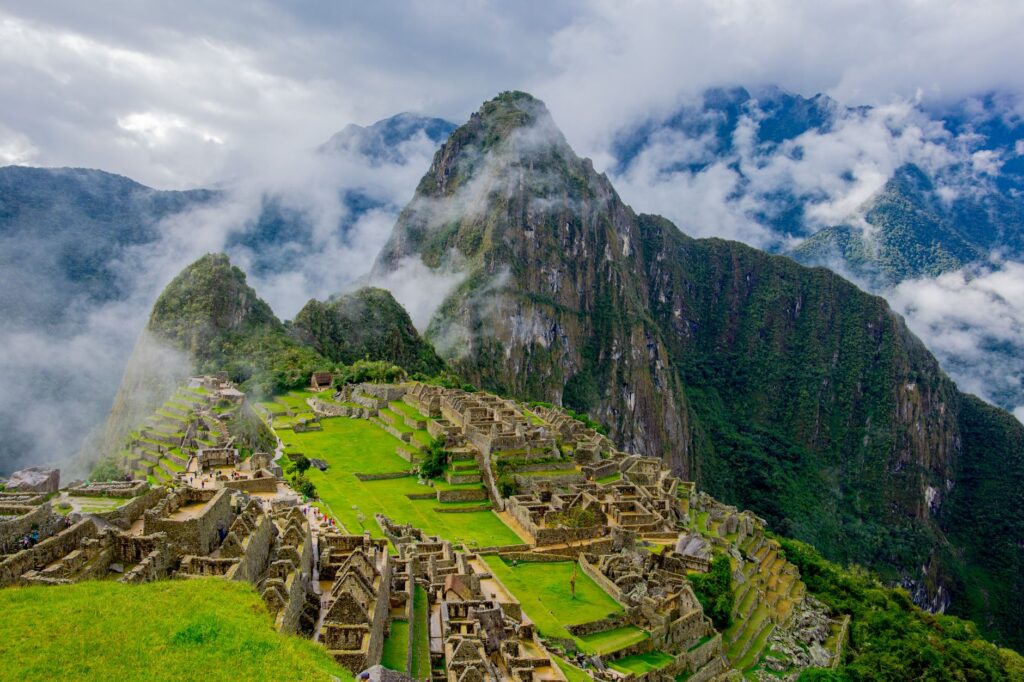
The emotional and physical climax of the traverse occurs at dawn on the fourth day. After leaving camp before first light and hiking by headlamp through dense cloud forest, hikers reach the final stretch of steep stone stairs known as the monkey stairs. Upon clearing the final threshold at the Sun Gate, or Intipunku, morning mist slowly clears to reveal for the first time the monumental silhouette of the Machu Picchu citadel integrated into the surrounding mountain harmony.
This perspective differs radically from the view experienced by conventional tourists accessing the archaeological site via train and bus. For those who have traversed every single one of the forty-two kilometers on foot, enduring physical exertion, altitude, and weather, Machu Picchu ceases to be a static monument and becomes the tangible reward of a historical and personal expedition. It is a moment for silent contemplation, where the vastness of the Andean landscape merges with the satisfaction of completing one of the world’s most demanding and rewarding pedestrian itineraries.
Practical Information for the Expedition
Planning the adventure requires attending to essential operational data ensuring journey legality and safety:
- Recommended Season: May to September (dry season), featuring clear skies but cold nights. Avoid February, when the trail closes for maintenance and heavy rains.
- Standard Duration: 4 days and 3 nights, covering an approximate total distance of 42 kilometers with departure at Kilometer 82 and arrival at Machu Picchu.
- Access Requirements: Mandatory advance reservation months ahead via authorized agencies, presenting a valid passport matching entry dates.
- Mandatory Equipment: Broken-in hiking boots with good ankle support, rubber-tipped poles, technical layered clothing system, sub-zero sleeping bag, and personal first-aid kit.
- Travel Insurance: Securing a policy covering high-altitude helicopter rescue and medical evacuation is indispensable, as trail emergency services are exclusively terrestrial and difficult to access.
Epilogue: The Indelible Print of the Conscious Traveler
The classic Inca Trail is neither a route for the unprepared nor a fast-consumer tourism product. It is a living territory demanding preparation, respect, and environmental awareness. Those who venture along its stone pathways discover that the true engine of the expedition is not the conquest of a summit, but an intimate connection with a landscape that has endured the passage of centuries. Returning to the valley, the traveler understands that the greatest wealth acquired lies not in captured photographs, but in learned patience, developed physical resilience, and the incalculable privilege of walking in the footsteps of one of human history’s most fascinating civilizations.