
The Geography of the Danish Plain and Its Urban Evolution
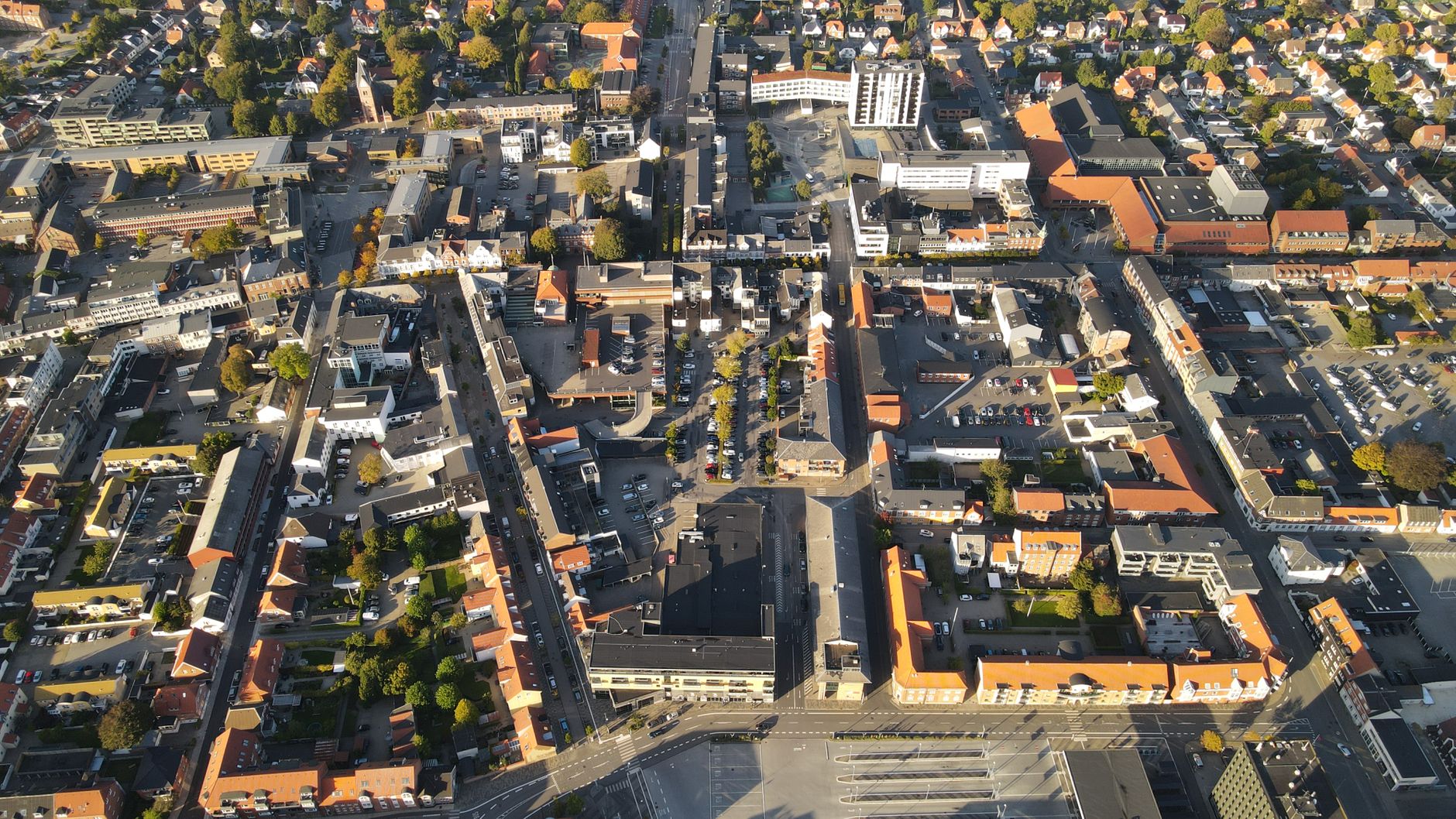
On the northwestern periphery of Denmark’s capital region, the municipality of Ballerup stands as a territory where spatial planning has historically sought a delicate balance between residential growth and the preservation of open spaces. Situated on an expansive plain connecting daily commuting flows toward Copenhagen, this locality of approximately forty thousand inhabitants functions as an intermediate node. Far from the hustle and bustle of central districts, its landscape combines consolidated residential areas, low-density industrial zones, and a systematic network of green corridors running through neighborhoods from north to south. This layout is not the result of chance, but rather of decades of urban planning regulations aimed at preventing congestion and ensuring that daily travel remains human-scale and accessible to all residents.
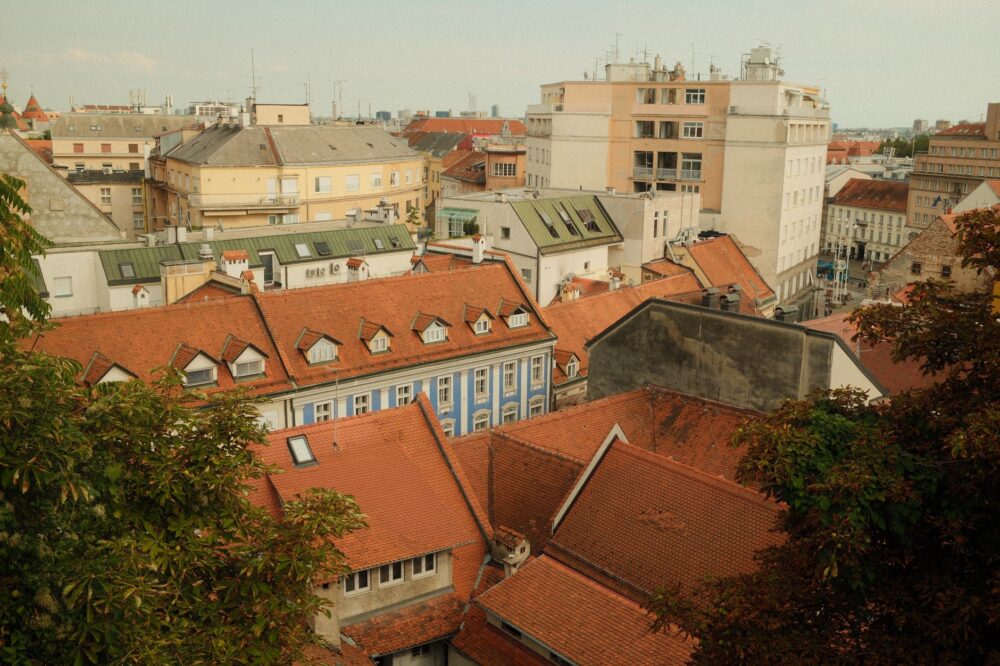
The analysis of the urban configuration reveals how Danish planners prioritized the integration of soft mobility infrastructure since the second half of the twentieth century. Bicycle paths separated from motor traffic cross urban parks and link commercial zones with residential areas, encouraging active mobility that reduces reliance on private automobiles. This transport network is complemented by the presence of multifunctional public spaces, where squares and community centers act as intergenerational meeting points. Local architecture, characterized by a functional sobriety of exposed brick and pitched roofs, reflects an aesthetic that values durability and harmony with the surrounding natural environment.
Cultural Heritage and Industrial Memory Within the Community
Ballerup’s identity is not understood solely through contemporary planning, but through the preservation of its historical and rural legacy. Former converted farmsteads and small traditional cores coexist today with modern urban developments, creating a visual contrast that narrates the transition from an agrarian economy to a service and high-tech municipality. Local cultural institutions play a fundamental role in safeguarding this heritage, organizing exhibitions and open workshops that involve schools and neighborhood associations in researching local history.
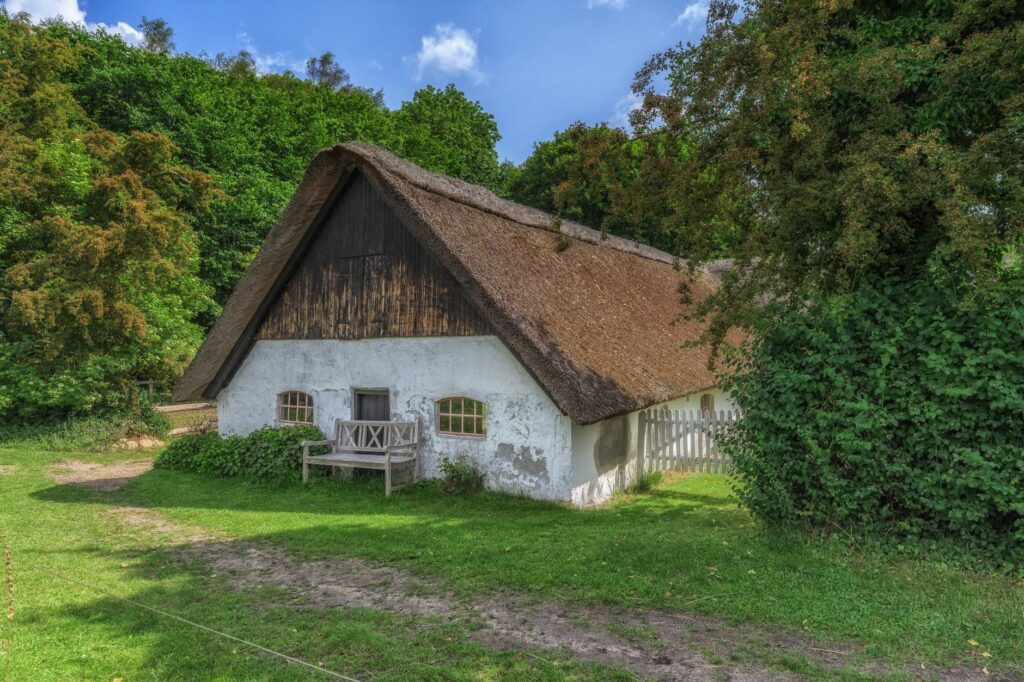
Among the architectural landmarks defining the cultural landscape are old windmills and timber structures recalling traditional building methods on the island of Zealand. These elements are not treated as mere museum pieces, but are integrated into the annual cultural programming, serving as venues for local produce markets and craft fairs. Citizen participation in managing these spaces reinforces a sense of belonging and ensures that the municipality’s development respects the historical roots underpinning its current social cohesion.
Natural Spaces and Management of Local Biodiversity
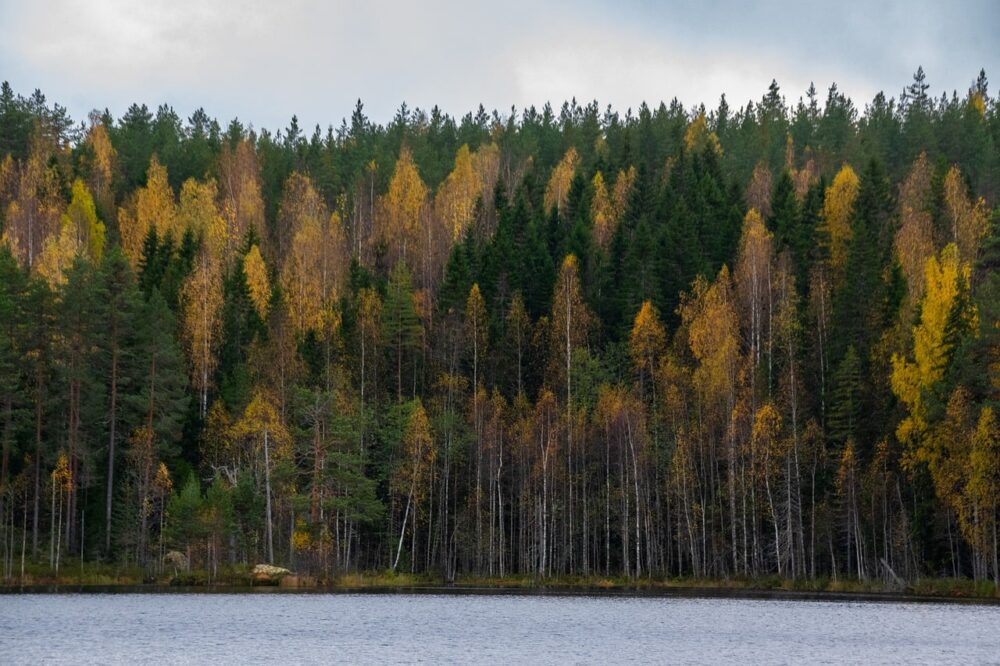
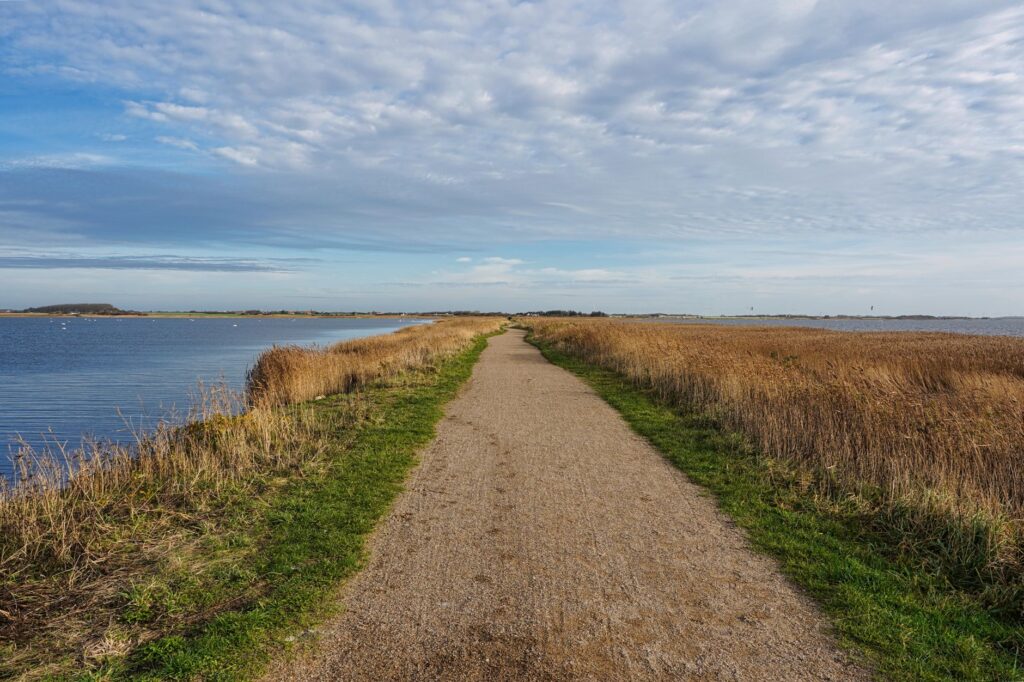
The green lungs encircling Ballerup’s built environment constitute a core element in the municipal sustainability strategy. Mixed forests, wetland reserves, and restored streams act as ecological corridors facilitating native species migration and ensuring ecosystem resilience against extreme weather events. The local administration, in collaboration with research centers and volunteer groups, periodically monitors water quality and the diversity of flora and fauna in protected parks.
This environmental management translates into educational programs directed at citizens, promoting respect for urban natural habitats. Interpretive trails winding through the reserves allow visitors to observe local birdlife without disrupting the biological cycles of the species. Likewise, selecting native species in public landscaping reduces irrigation and maintenance needs, consolidating an urban landscaping model that prioritizes ecological efficiency over intensive ornamentation.
Daily Life and Neighborhood Participation Across Districts
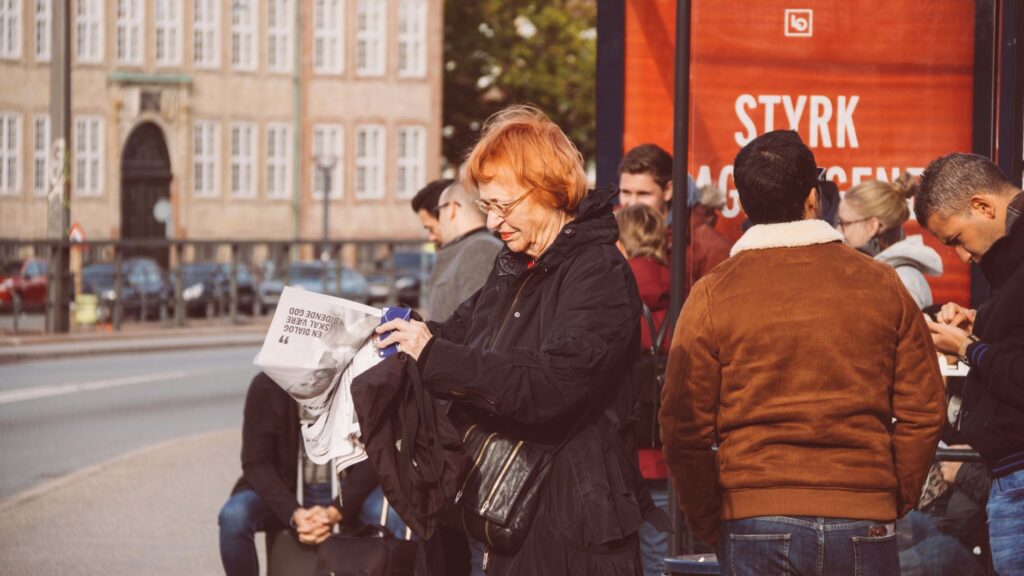
Day-to-day life in Ballerup unfolds at a measured yet steady pace, driven by a solid network of local associations and district councils actively participating in budgetary and urban planning decisions. Municipal libraries, sports centers, and cultural houses function as genuine nerve centers for social life, offering free or low-cost activities promoting the integration of residents from diverse backgrounds. This decentralization of services ensures no neighborhood remains isolated from the municipality’s cultural and recreational offerings.
Proximity retail initiatives also play a vital role in neighborhood cohesion. Weekly agricultural and organic markets encourage responsible consumption and support producers throughout the Zealand region.
The true strength of a community lies in its capacity to make collective decisions protecting the well-being of future generations without sacrificing neighborhood closeness.
This participatory approach fosters a climate of mutual trust resulting in low crime rates and a high perception of safety on streets and parks during any time of day.
Energy Transition and Municipal Responsibility
Faced with the global challenges of climate change, the municipality has implemented strict energy efficiency guidelines for public buildings and new residential constructions. District heating networks, largely powered by renewable energy sources and local biomass, drastically reduce carbon dioxide emissions associated with home maintenance. Green roofs and rainwater harvesting systems have become standard regulatory requirements to mitigate urban flood impacts.
Institutional efforts combine with citizen awareness through informational campaigns on advanced recycling and household waste reduction. The infrastructure of recycling points and door-to-door selective collection facilitates direct resident participation in the municipality’s circular economy. Shared environmental responsibility forms the pillar upon which the locality’s sustainable development model rests. This collective commitment demonstrates that climate mitigation policies can be effectively applied at a municipal scale, serving as a reference for other metropolitan areas in Northern Europe.
Responsible Tourism Practices and Civic Coexistence
Visitors arriving in Ballerup find a destination rejecting mass tourism in favor of a respectful, unhurried approach. The primary recommendation for those exploring the municipality is utilizing the public transport network and shared bicycles, thereby minimizing carbon footprints during their stay. Respecting local coexistence rules, such as maintaining silence in residential areas during nighttime hours and proper use of recycling bins, is essential to preserve the harmony characterizing inhabitants’ daily lives.
Similarly, travelers are encouraged to patronize independent restaurants and shops located in neighborhood centers, directly supporting the local economy. Visits to natural spaces must strictly follow marked trails to avoid degrading protected flora. Understanding that travelers are temporary guests in an organized community fosters an attitude of listening and continuous learning regarding civic and environmental values.
Practical guide
How to get there: Ballerup is seamlessly connected to Copenhagen via the S-train suburban rail network, with frequent departures from the Central Station and a journey time of approximately thirty minutes.
When to visit: Spring and summer months (May through August) offer the highest number of daylight hours and temperate conditions ideal for exploring natural trails and urban parks by bicycle.
Where to stay: The municipality features small family-run hotels and eco-labeled long-stay accommodations, ideal for minimizing environmental impact.
Internal mobility: The best option is renting a bicycle at designated stations near the train station or utilizing the extensive local bus network integrated into the regional fare system.
Gastronomy and shopping: Weekend local markets are ideal venues for purchasing proximity agricultural produce, artisan bread, and dairy specialties from the Zealand region.
Etiquette tips: Respect nighttime quiet hours in residential areas and always follow informational signage in natural reserves and protected parks.
Final Reflection on the Community Horizon
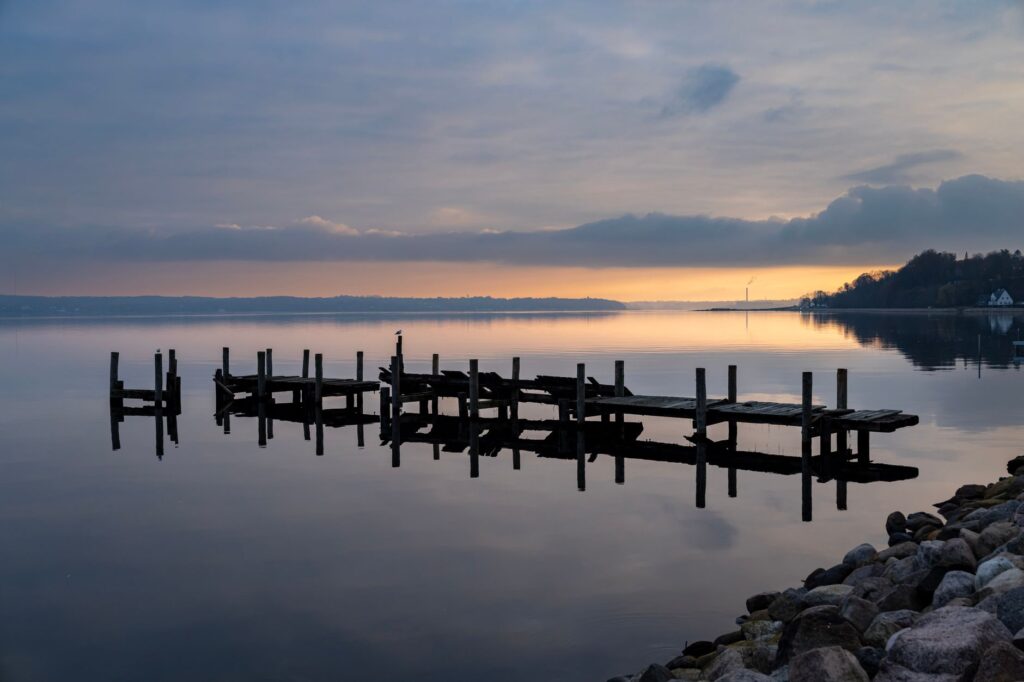
The journey through the trails, neighborhoods, and cultural spaces of Ballerup leaves a lasting impression of order, civic-mindedness, and respect for the natural environment. Far from large international tourist crowds, this municipality on the Danish plain demonstrates that true progress is measured by the quality of residents’ daily lives and the strength of community bonds. The harmonious integration between responsible urban planning, the protection of local ecosystems, and active citizen participation configures an exemplary model of coexistence. Contemplating the sunset reflected on the tranquil waters of its protected wetlands, one understands that the sustainable future of European cities depends largely on this meticulous attention to local detail and collective well-being.