

Introduction to the Red Lands of Maharashtra
Central India harbors a vast territory where the Deccan Plateau unfolds its most impressive horizons. Nagpur, located in the state of Maharashtra, stands as a strategic hub for explorers seeking to understand the complex interaction between wild nature, subtropical climate, and historical infrastructure. Planification for an expedition in this environment demands a comprehensive knowledge of local geography, current conservation regulations, and adequate physical preparation to withstand the thermal variations typical of the area.
Far from conventional urban tourism, venturing into the surroundings of Nagpur requires a rigorous methodology. Experienced travelers know that the success of any adventure journey depends on logistical anticipation, respect for local communities, and a deep understanding of the seasonal cycles governing the territory. This analysis details the essential factors for planning a safe and respectful expedition in the heart of central India.
The vast expanse of this territory demands that every expedition member maintains a methodical approach to the challenges of the terrain. The geographical features of the area require constant attention to environmental signals, from soil composition to subtle topographical variations. Detailed planning of each marching day thus becomes the best shield against any unforeseen events in remote areas.
Furthermore, understanding the foundational layers of this region allows teams to better appreciate the delicate balance between anthropogenic impact and natural preservation. Every excursion into the outer boundaries of Nagpur serves as a reminder of the fragility inherent in subtropical ecosystems. Consequently, proactive environmental stewardship remains a core responsibility for all participating members throughout the lifecycle of the journey.
The Climatic Factor: Understanding the Monsoon Regime
Nagpur’s climate is classified as dry subtropical, with sharp seasonal variations that directly condition the feasibility of any outdoor itinerary. During the summer months, temperatures can reach extremely high levels, making it mandatory to take rigorous precautions against dehydration and heat exhaustion. Conversely, the arrival of the monsoon radically transforms the landscape, covering the region in intense green while altering the conditions of rural roads and secondary paths.
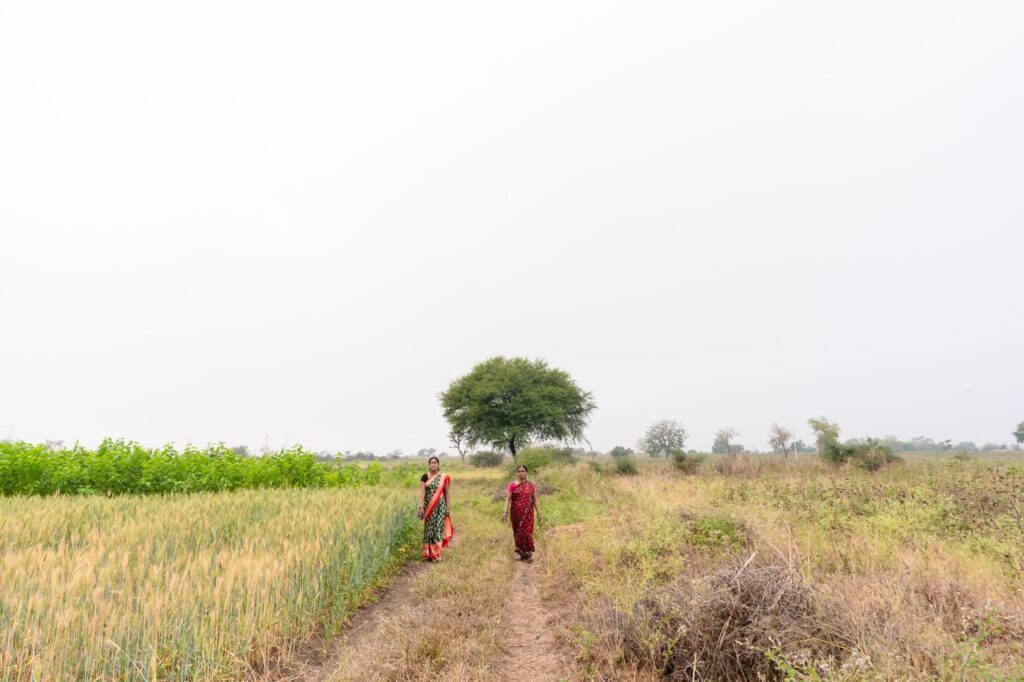
Temporal planning is therefore the fundamental pillar supporting the safety of the expedition. Analyzing meteorological bulletins issued by competent authorities and adapting the daily marching pace to the hours of lowest insolation avoids unnecessary risks. Expedition experts recommend establishing well-ventilated base camps and relying on dependable water purification systems, as natural sources undergo noticeable fluctuations in flow and quality throughout the year.
The management of water and body energy during peak hours of insolation requires strict discipline by each group member. Establishing regular breaks for hydration and rest prevents heat stroke, a latent risk in the region’s open plains during seasonal transition periods.
Adapting to these meteorological shifts also implies maintaining alternative routes for days when heavy downpours render primary paths impassable. Monitoring barometric pressure drops and localized storm warnings helps teams preemptively secure bivouac sites, ensuring absolute stability during nocturnal rest periods.
Permit Management and Access Regulations
Exploring the protected natural areas and historical sites located within the Nagpur district requires strict compliance with the legal frameworks established by the government of Maharashtra and state forestry agencies. Far from being mere bureaucratic hurdles, access permits are designed to preserve native flora and fauna, as well as to ensure that expedition members are properly registered in the event of an emergency.
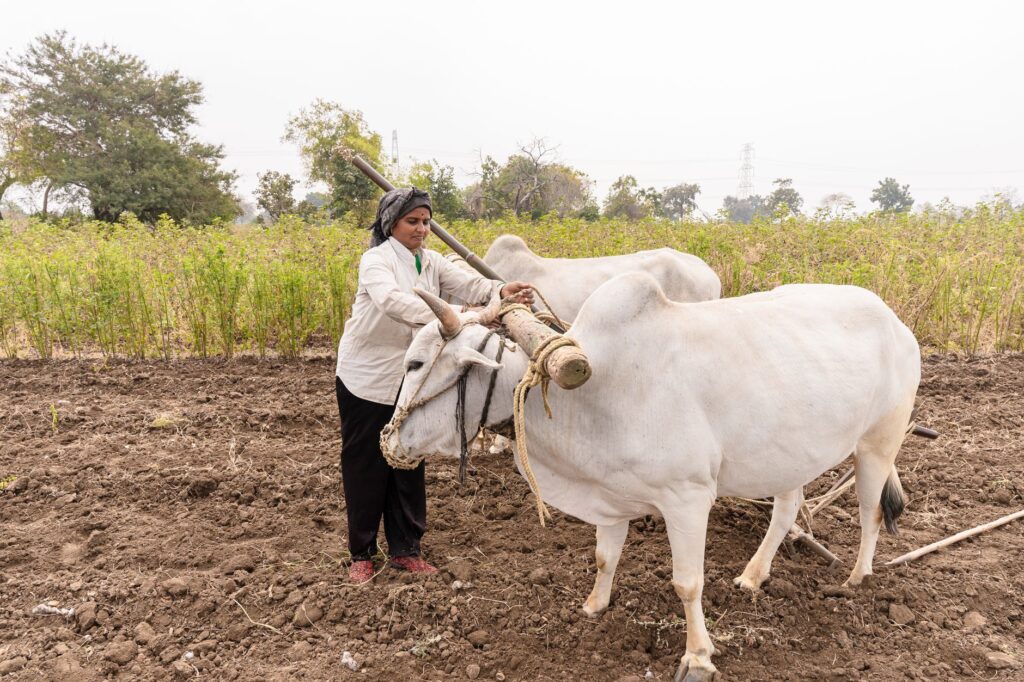
Before starting the trek, travelers must process the relevant authorizations at designated local offices, submitting a detailed route plan and proof of travel insurance covering rescues in remote areas. Failure to comply with these regulations not only incurs severe financial penalties but also threatens the integrity of local ecosystems and the safety of the expedition group itself.
Coordination with official bodies also provides access to up-to-date information regarding trail conditions and temporary restrictions in areas of special ecological sensitivity, ensuring that the expedition develops within the margins of legality and environmental respect.
Maintaining absolute transparency with local administrative posts safeguards the communal trust established over generations between rural authorities and visiting outdoor groups. Compliance with every single legal provision acts as a foundational guarantee for sustainable adventure tourism across the entire administrative district.
Technical Equipment and Gear for the Plateau
Choosing the right equipment makes the difference between a successful expedition and a vulnerable situation in the field. The combination of rocky soils, high temperatures, and seasonal humidity demands high-top technical footwear to protect ankles, as well as breathable technical fabric clothing that prevents sweat accumulation and reduces the risk of chafing or skin infections.
True exploration does not consist of conquering nature, but of learning to walk in harmony with its laws and rhythms.
Additionally, backpacks must contain essential items such as offline navigation systems, updated topographic maps, a first-aid kit adapted for common ailments in tropical climates, and satellite communication devices in areas lacking mobile phone coverage. The lightness of the gear must always be balanced with the self-sufficiency needed to handle meteorological unforeseen events.

Preventive maintenance of material before each day avoids mechanical failures or breakage of critical elements such as trekking poles, tents, and filtration systems, ensuring the autonomy of the group throughout the journey.
Selecting durable hydration reservoirs and multi-fuel stoves further enhances the self-reliance quotient required for extended traverses away from traditional supply lines. Every piece of hardware chosen must undergo rigorous pre-trip inspection to confirm structural integrity under high thermal stress.
Historical Heritage and Cultural Context of Nagpur
The value of an expedition in Nagpur transcends physical challenge; it is also nourished by a millennial historical legacy. The city, historically known for citrus production and its strategic position along ancient trade routes, preserves monuments, rock-cut temples, and fortresses that testify to the passage of various dynasties. Understanding this cultural background enriches the traveler’s experience and fosters respectful engagement with the rural communities inhabiting the outskirts.
Local traditions reflect a deep connection to the land and the plateau’s water resources. Local guides emphasize the importance of maintaining a listening and learning attitude, avoiding intrusive behavior when visiting places of worship or agrarian communities. The preservation of this intangible heritage depends largely on the responsibility of each visitor.

Respect for local customs and traditional architecture present in adjacent rural settlements reinforces the enriching character of the route, allowing a broader understanding of regional history.
Engaging with local inhabitants through ethical guidelines ensures that cultural exchange remains mutually beneficial, preventing any disruptive alterations to indigenous social fabrics and promoting genuine mutual comprehension.
Geographic Risks and Safety Protocols
The terrain surrounding Nagpur presents specific physical challenges, from the presence of protected wildlife to erosion caused by seasonal rains on red-earth trails. It is essential to maintain a prudent distance from local wildlife and strictly follow the instructions of experienced native guides, who understand animal habits and the changing characteristics of the soil.
In case of medical emergencies or getting lost, response protocols must be understood by all team members before departure. Having established meeting points and visual or acoustic signaling systems facilitates the work of local rescue teams, drastically reducing response times in critical situations.
Constant review of alternative itineraries and continuous evaluation of local weather conditions minimize exposure to unnecessary risks during the development of the planned route.

Establishing clear chains of command within the expeditionary unit ensures rapid decision-making during unexpected crises, neutralizing potential panic and reinforcing cohesive group survival strategies.
Practical guide
This section compiles essential logistical information for planning a safe and well-structured expedition in Nagpur, India, based on verified geographic and regulatory data.
- How to get there: Dr. Babasaheb Ambedkar International Airport connects Nagpur with major urban centers in the country. It also features a high-capacity railway station.
- Best time to travel: The months between October and March offer milder and more stable temperatures, ideal for outdoor activities.
- Mandatory permits: Must be processed through the official portals of the Maharashtra Forest Department to access reserves and protected natural areas.
- Official currency: Indian Rupee (INR). Carrying cash is recommended for transactions in rural areas and traditional markets.
- Recommended vaccination: Consult international medicine services regarding preventive vaccines for travel to subtropical zones in India.
Final Reflection on the Horizon of Maharashtra
Confronting the immensity of Nagpur’s landscapes invites a necessary pause in the fast-paced rhythm of the modern world. Every red-earth trail, every sunrise over the plateau, and every interaction with local communities remind us that adventure is, above all, an exercise in humility and profound respect for the environment. Rigorous preparation and environmental awareness ensure these landscapes remain intact for future generations of explorers.