
The White Shadow Over the Valleys of Hyōgo
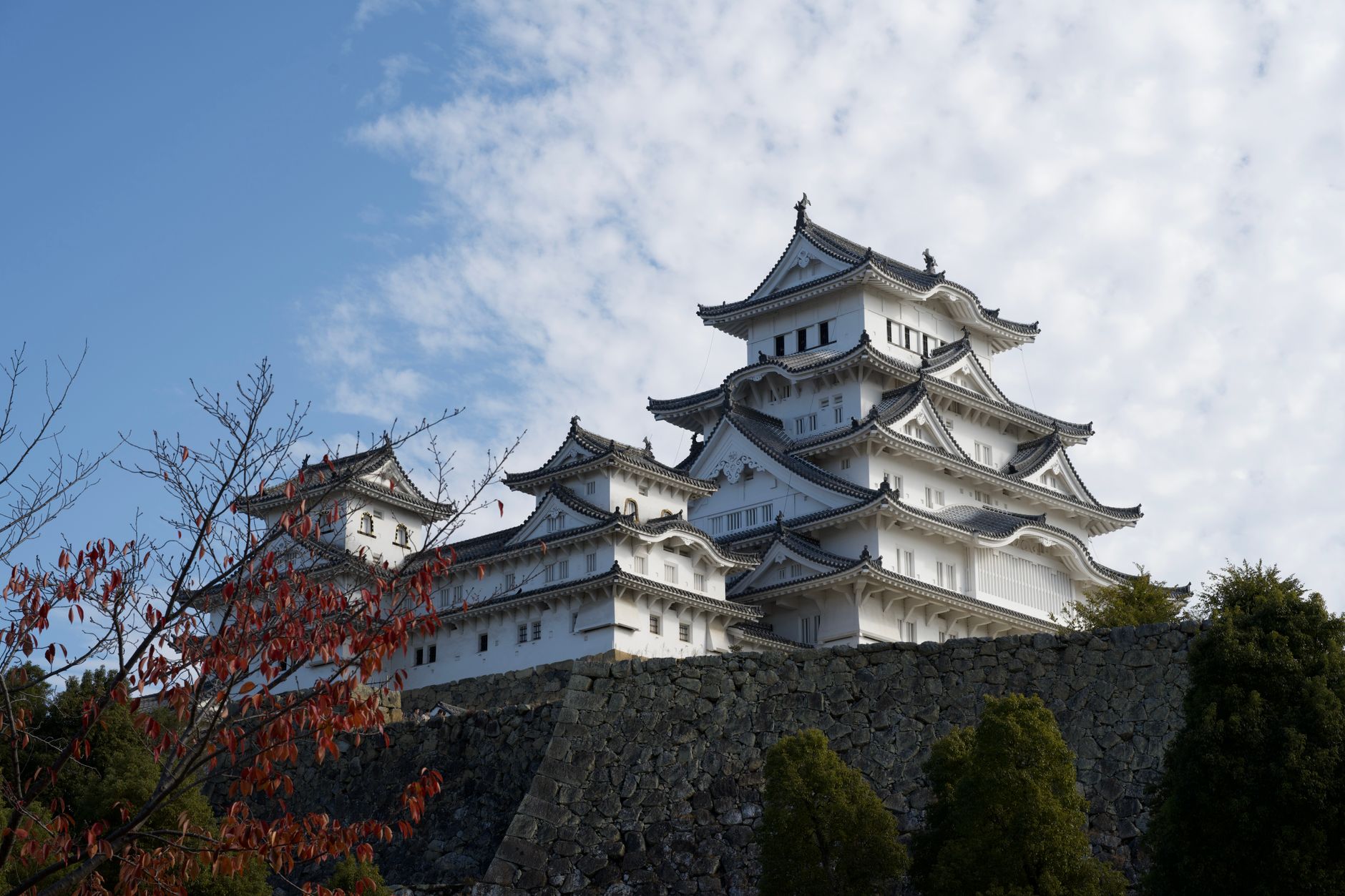
A few kilometers from Japan’s inland sea, the city of Himeji unfolds with a quiet demeanor that contrasts sharply with the fast-paced rhythm of the archipelago’s major metropolises. With a population exceeding half a million residents, this urban hub in Hyōgo Prefecture organizes its daily routine in the shadow of one of Asia’s most celebrated defensive architectures. Far from being a mere historical backdrop, the castle’s surroundings define the emotional and visual topography of those living in its surrounding neighborhoods. The main streets, flanked by traditional shops and low-rise residences, maintain a human scale where the passage of the seasons marks neighborhood routines.
The urban layout reflects a centuries-old planning strategy that prioritized both military protection and the sustainable use of the valley’s natural resources. Commercial arteries, clean water canals, and small temples scattered across residential districts form a fabric where collective memory is passed down through generations. Residents move along these pathways under the watchful gaze of stone walls and white plastered roofs that characterize the local landscape, a constant reminder that history is not an abstract concept, but the physical framework where daily existence takes place.
Traditional Commerce and the Pulse of Markets
The economic and social activity of Himeji beats strongly in its traditional markets and covered shopping arcades connecting the central station with historic neighborhoods. In these spaces, far removed from impersonal mega-chains, local vendors offer regional produce, from vegetables harvested in Hyōgo’s fertile plains to culinary specialties rooted in the food culture of the Kansai region. The relationship between merchants and customers is built on mutual trust cultivated over decades, where respectful greetings and attention to detail constitute the unwritten norm of every transaction.
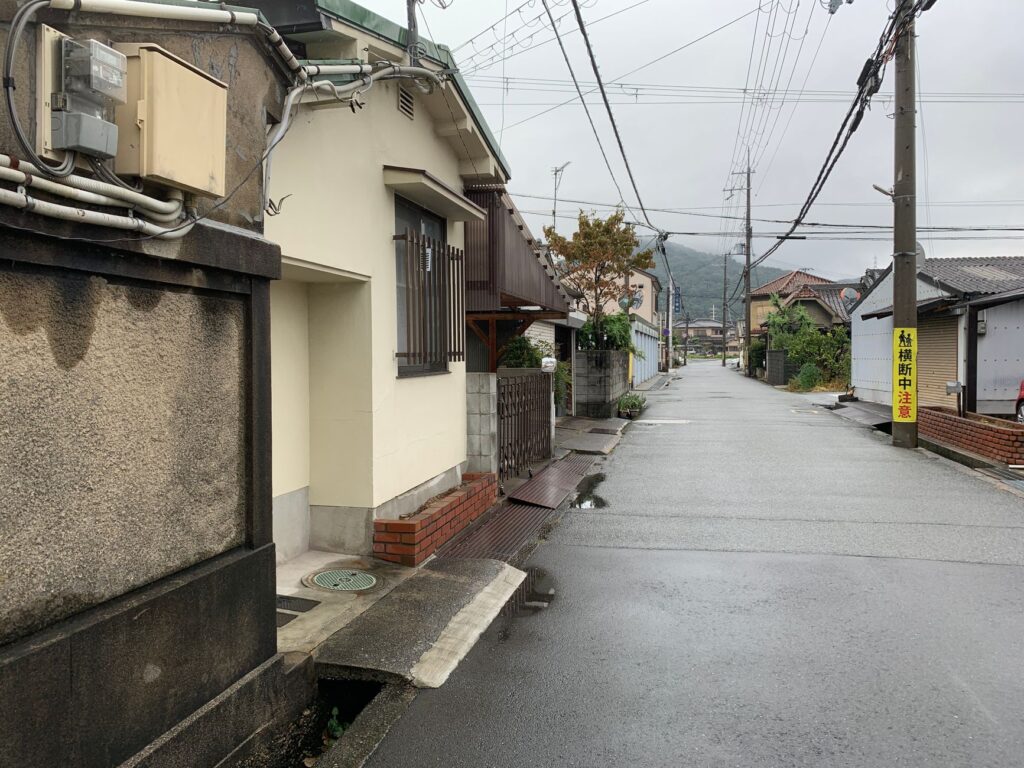
By mid-morning, the shopping streets fill with residents running daily errands at a measured pace. Family-run tea shops, pickle stalls, and small artisanal bakeries form a self-sufficient ecosystem resisting the pressures of excessive modernization. This neighborhood commerce not only supplies households but acts as an intergenerational meeting point, where elders share stories of the past with younger generations, ensuring the survival of local identity in a globalized world.
Residential Architecture and Neighborhood Coexistence
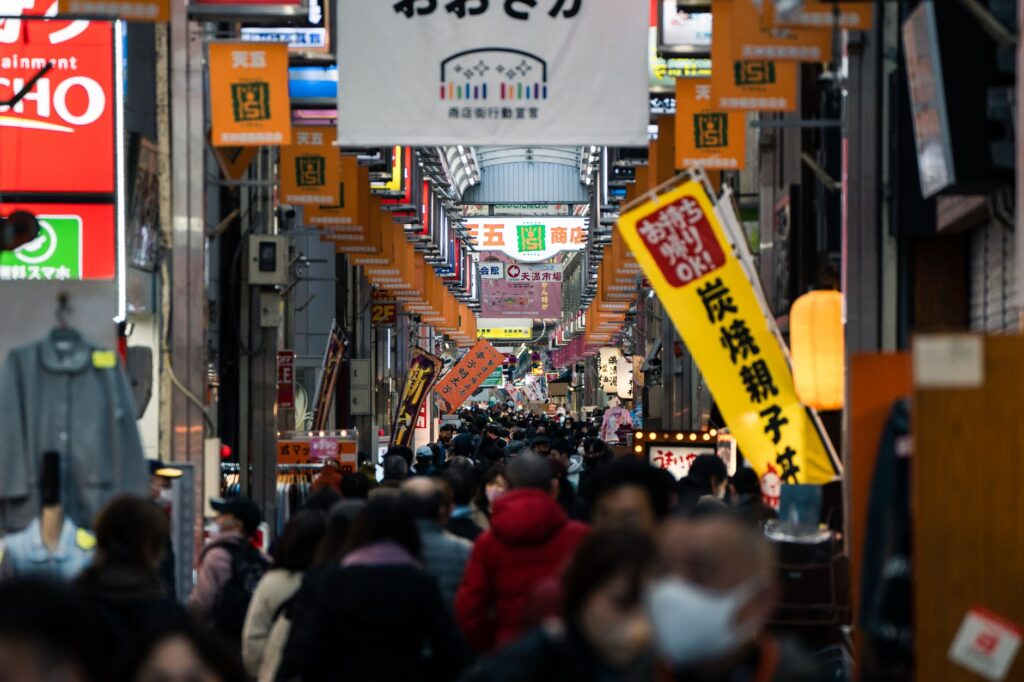
Away from the primary tourist circuits, Himeji’s residential neighborhoods reveal domestic architecture where timber and dark tiles converse with the volcanic stone of foundations. Homes, built with traditional techniques prioritizing ventilation and integration with small interior gardens, reflect a philosophy of respect for space and nature. Neighborhood associations play a fundamental role in maintaining cleanliness, security, and the organization of local festivals that strengthen community bonds.
During the afternoons, secondary streets echo with children returning from school and neighbors tending to plants at their doorsteps. This urban calm is not the result of isolation, but of a conscious decision to preserve neighborhood habitability. Municipal regulations and civic responsibility ensure that urban growth respects historical scale, avoiding the disorderly proliferation of buildings that might alter the valley’s traditional profile.
Natural Heritage and Spaces for Pause
Himeji’s urban landscape is enriched by public parks, wooded hills, and riverbanks that function as green lungs and recreational areas for citizens. During spring, blooming cherry blossoms transform open spaces into gathering points where entire families celebrate the beginning of the agricultural cycle. In autumn, the ochre and red tones of maples cover paths ascending toward peripheral temples, offering a sanctuary of silence against the bustle of main avenues.
These natural spaces are not mere landscape ornaments, but active components of daily life. Residents use parks for morning exercise, reflective walks, or simply contemplating seasonal shifts, a habit deeply rooted in Japanese sensibility. The harmonious coexistence between historical concrete, residential architecture, and surrounding greenery defines the territorial singularity of this enclave in the Kansai region.
Local Flavors and Gastronomic Culture
Himeji’s gastronomy reflects the agricultural and marine wealth of Hyōgo Prefecture, combining fresh ingredients from the Seto Inland Sea with produce from the surrounding land. Family-run restaurants and small neighborhood diners serve traditional dishes where respect for seasonal produce is the undisputed premise. Slow-cooked broths, artisanal noodles, and local sweets based on centuries-old recipes form part of the intangible heritage enjoyed daily by residents.
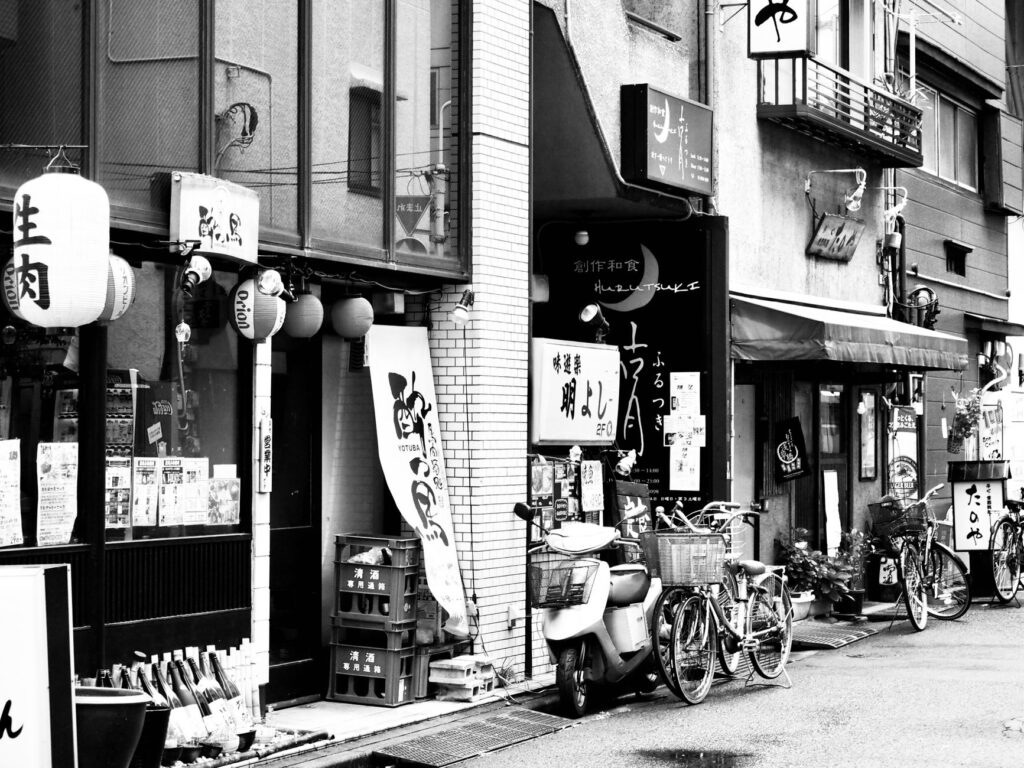
Food markets serve as the sourcing ground for both local restaurateurs and families, guaranteeing a sustainable, proximity-based supply chain. This close bond with local production fosters balanced and conscious eating habits passed down from parents to children. Sitting down at a table in a traditional Himeji establishment involves understanding the philosophy of a people valuing simplicity, nutritional balance, and aesthetics in every dish.
Citizen Commitment to Conservation
The preservation of Himeji’s rich architectural and cultural heritage rests not solely on public institutions, but on the daily commitment of its inhabitants. Civil associations and volunteer groups collaborate actively in monument cleaning, the conservation of historic trails, and the transmission of endangered traditional crafts. This civic involvement ensures that the city’s identity remains intact against the pressures of mass tourism.

Residents understand that caring for their environment is equivalent to protecting their collective memory. Community center talks, school workshops on local crafts, and scrupulous respect for civic coexistence norms are tangible examples of shared responsibility. Himeji thus demonstrates that sustainable tourism begins with the pride and daily care citizens bestow upon their territory.
Responsible Practices for the Traveler
Visitors arriving in Himeji discover a community valuing order, silence, and respect for shared spaces. To integrate properly into local life, following basic civic rules is essential, such as avoiding eating while walking, maintaining moderate voice volumes in public transport, and respecting smoking bans in public areas outside designated zones. The bicycle as a primary transport mode in many urban areas invites travelers to rent two-wheeled vehicles and travel at a leisurely pace.
Likewise, prioritizing purchases in small businesses and traditional restaurants directly supports the city’s family economy. When visiting temples and historic compounds, travelers must follow instructions regarding restricted areas and maintain a respectful attitude toward religious ceremonies held there. The destination’s sustainability depends heavily on the traveler’s ability to blend into local customs without altering the delicate balance of community life.
Practical guide
Getting there: Himeji boasts excellent railway connectivity via the Shinkansen high-speed train network, linking it directly with Osaka, Kyoto, and Tokyo. The central station is a short walk from the city’s main monumental attraction.
When to go: Spring (March to May) and autumn (September to November) offer the most pleasant weather conditions and beautifully colored forested landscapes.
Urban transport: Most of the historic and commercial center can be comfortably explored on foot or by bicycle. For longer trips, the municipal bus network covers all districts efficiently.
Accommodation: Lodging options range from modern hotels near the station to traditional Japanese inns (ryokan) located in residential neighborhoods.
Recommended gastronomy: Sample local noodles, traditional sweets made with red bean paste, and fresh fish from the Seto Inland Sea at central markets.
Local etiquette: Respect business hours, avoid making noise in enclosed or residential spaces, and show consideration toward residents in high-traffic tourist areas.
The Silent Legacy of Himeji’s Streets
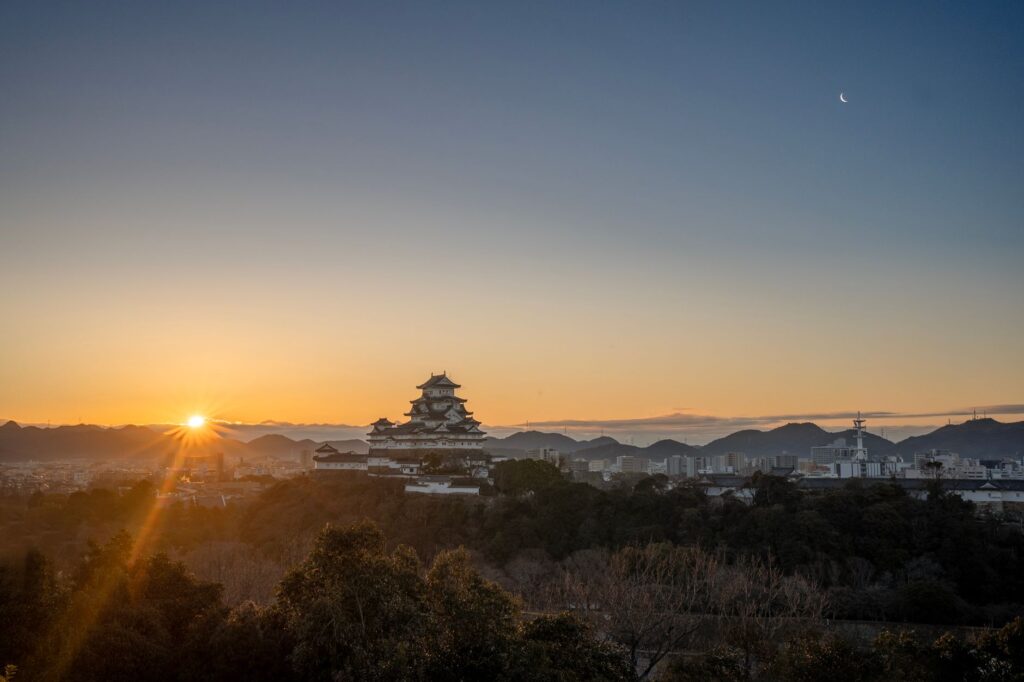
As evening falls and the soft illumination of traditional streetlights begins casting long shadows over white walls, Himeji recovers an ancestral quietness inviting reflection. Bicycles neatly parked outside homes, the aroma of wood and tea drifting from shops, and the imposing silhouette of the castle cut against the twilight sky summarize the essence of a place where time flows with a different consistency. This is not a static set piece, but a living community that has guarded its past without sacrificing modern comforts, offering respectful travelers the opportunity to witness one of the most genuine expressions of Japanese identity.