
The Stone Gateway to the Summits of Oman
Nestled within the Ad Dakhiliyah region, in the geographical heart of Oman, the city of Nizwa stands as a historic bastion encircled by a striking natural amphitheater of arid mountains and rocky plateaus. At an average altitude of 511 meters above sea level, this historic hub provides direct access to some of the most challenging hiking and adventure routes in the Arabian Peninsula. Planning a walking expedition across these landscapes demands a profound understanding of the physical environment, where the beauty of erosion-carved canyons and ancient fortifications meets a rigorous climatic setting that leaves no room for improvisation.
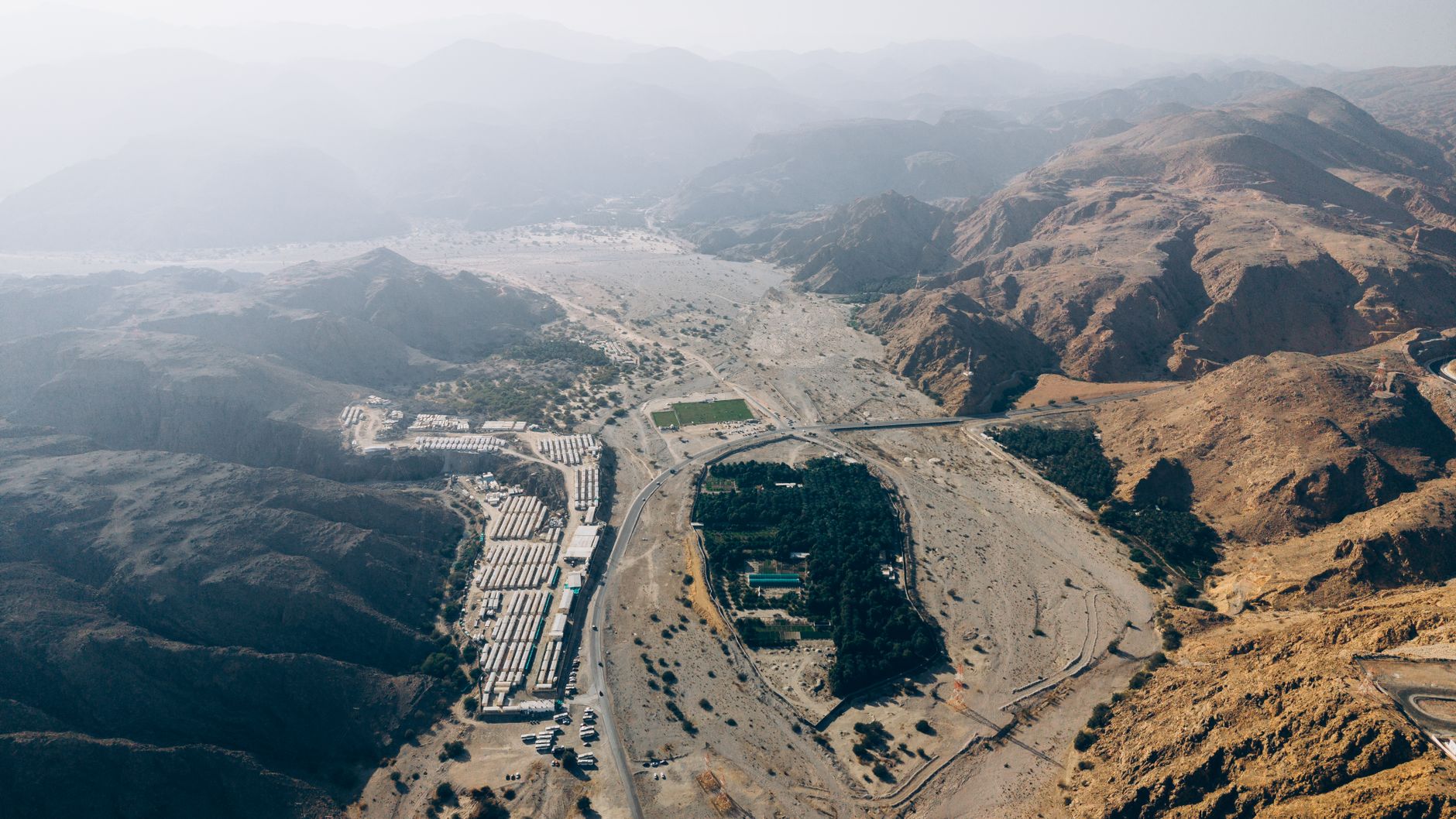
Travelers who venture onto the trails departing from Nizwa encounter a landscape dominated by ochre and golden tones, where geology narrates the history of ancient tectonic shifts and dry riverbeds known as wadis. Preparation for trekking through this territory must be grounded in absolute respect for local meteorological conditions and a realistic assessment of one’s physical capacity. Heat acclimatization, carrying sufficient water, and understanding critical hours of intense solar radiation are decisive factors in ensuring a safe and rewarding experience within the interior of the sultanate.
Mountainous Geography and the Challenges of the Terrain
The relief surrounding Nizwa exhibits notable topographical complexity, marked by the proximity of the foothills of Al Hajar, the highest mountain range in eastern Arabia. Traditional mule tracks, utilized for centuries by local herders and merchants, now wind through steep slopes and deep gorges. These itineraries demand technical footwear with high-traction outsoles, capable of withstanding the abrasive limestone gravel and loose stones that characterize ascents in the area.
Unlike forested or mid-mountain European environments, the trails of Ad Dakhiliyah lack dense vegetation cover, exposing hikers to intense, direct solar radiation throughout most of the day. For this reason, mountain safety experts recommend initiating hikes before dawn, taking advantage of the cooler early hours when temperatures remain moderate. Studying cumulative elevation gain and the true length of each section prevents unpleasant surprises when facing steep inclines beneath the desert sun.

Extreme Climatology and Water Resource Management
The climatic variable is unquestionably the critical element in any walking expedition around Nizwa and its surroundings. Daytime temperatures can easily exceed thermal comfort thresholds, particularly between spring and autumn, while nights in elevated zones often register sharp drops in temperature. This thermal amplitude requires rigorous selection of mountain equipment, including lightweight, quick-drying layers and comprehensive sun protection for the head and neck.
Water management forms the fundamental pillar of survival and well-being during Omani treks. No natural sources of potable water exist along the majority of high-altitude routes, meaning every expedition member must carry a conservatively calculated water reserve: at least one liter per expected hour of march, supplemented with mineral salts to prevent severe dehydration. Meticulous planning of supply points and returning before dusk are golden rules that every mountaineer must strictly observe.
Architectural Heritage and Ancient Culture Along the Route
Walking through Nizwa is not merely an exercise in physical endurance within nature, but also a journey across the centuries. The town once served as the nation’s capital and the core of the Imamate of Oman, a past reflected in its imposing circular fortress and bustling traditional souk. Nearby trails frequently connect with ancient commercial routes that once linked agricultural oases with mountain settlements, allowing visitors to observe ancestral irrigation systems such as the falaj, designated as UNESCO World Heritage sites.
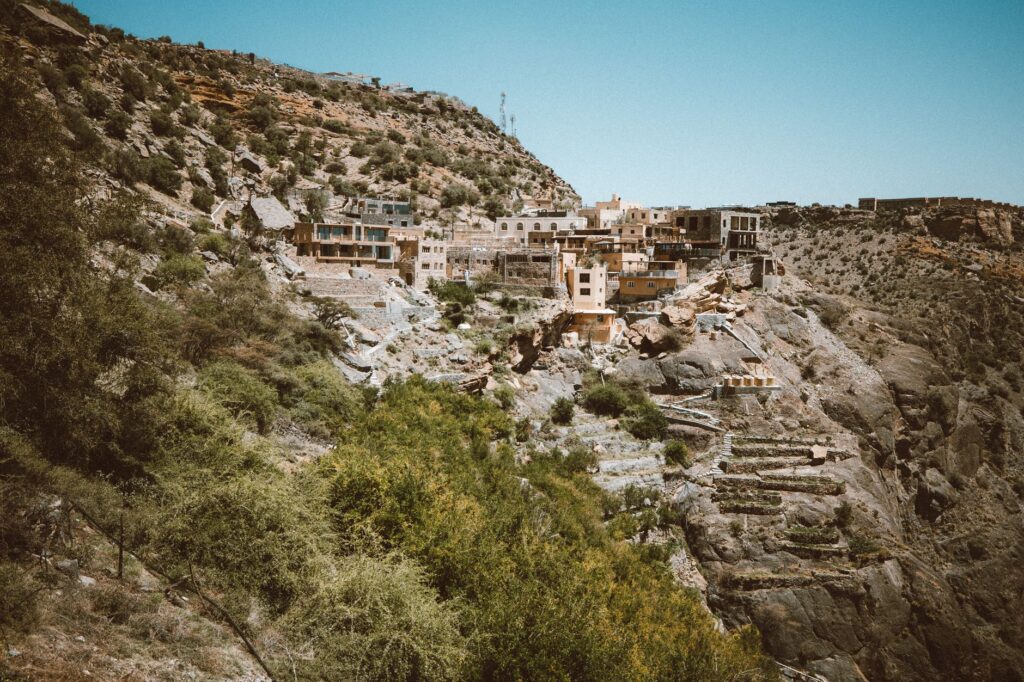
Respect for this historical and human heritage is inseparable from the ethics of adventure. Local communities inhabiting mountain villages preserve secular traditions rooted in hospitality and environmental stewardship. When traversing paths that cross private properties or communal lands, maintaining a discrete attitude, avoiding unnecessary noise, and strictly complying with local regulations regarding access and cultural preservation are essential.
Safety, Communications, and Emergency Protocols
The remoteness of certain hiking routes around Nizwa means immediate medical assistance may not be available in the event of an accident. Therefore, technical preparation must be complemented by a detailed safety plan including satellite communication devices or offline geolocation apps, as mobile network coverage can disappear entirely at the bottom of canyons or behind mountain ridges.
Registering planned itineraries with local accommodations or accredited guides before setting out, including an estimated time of return, is mandatory. Any unforeseen change in the route or the onset of extreme exhaustion or heatstroke symptoms must be interpreted as an unequivocal signal to abort the advance and descend or seek shelter. The mountains remain unyielding; prudence is the sole tool guaranteeing the safe return of the walker.
Technical Equipment for an Arid and Rocky Environment
Selecting appropriate gear marks the difference between a successful traverse and an emergency situation in the Omani stone desert. Backpacks must be ergonomic, of medium capacity (between 25 and 40 liters for day trips), featuring lumbar support systems that distribute weight evenly. Trekking poles without proper rubber tips or snow baskets are discouraged, as the rocky terrain can easily trap them between rock fissures.
Additionally, eye protection is an aspect often underestimated. Sunglasses certified to category 3 or 4 standards are indispensable for filtering light reflected off pale ground surfaces and preventing severe eye fatigue. Combined with long-sleeved garments made from breathable technical fabrics, they shield the skin from severe sunburns and reduce bodily fluid loss through excessive perspiration.
Sustainability and Leave-No-Trace Principles
The fragile equilibrium of Oman’s mountain ecosystems demands an active commitment to the principle of minimum impact. The growth of adventure tourism in the Ad Dakhiliyah region makes it vital to remember that all waste generated during a march, no matter how small, must be carried back to urban centers for proper disposal. Altering rock formations, lighting fires in unauthorized areas, or removing fossil and mineral samples is strictly prohibited.
Hikers must adhere strictly to marked trails to prevent soil erosion and the destruction of endemic flora adapted to arid conditions. The preservation of these ancient landscapes depends directly on the individual responsibility of each visitor, whose goal should be to leave the environment in the exact condition in which it was found, safeguarding its purity for future generations of travelers.

The stone desert and summits of Oman show no mercy to vanity; they demand humility before distance, respect for the rock, and rigorous preparation that turns every step into an act of profound geographical understanding.
Practical guide
How to get there: The primary access to Nizwa is by road from Muscat, the national capital, via a modern highway covering the approximately 160-kilometer distance in about an hour and a half by rental car or tour bus.
Recommended season: The months between November and March offer the most favorable meteorological conditions for hiking, with daytime temperatures ranging from 20 °C to 28 °C in valley areas and cooler readings at higher elevations.
Accommodation: The city features a diverse hotel offering ranging from small boutique hotels set within restored traditional houses to modern accommodations and organized base camps for expeditioners on the outskirts.
Permits and regulations: Although most traditional trails in the region are freely accessible, visitors are advised to check beforehand with the local tourism office regarding temporary restrictions in specific nature reserves or protected mountain areas.

Health and safety: Securing travel insurance specifically covering adventure activities and rescue operations in remote mountainous areas is essential, alongside carrying a basic first-aid kit adapted for friction injuries and dehydration.
The Silent Echo of the Omani Massifs
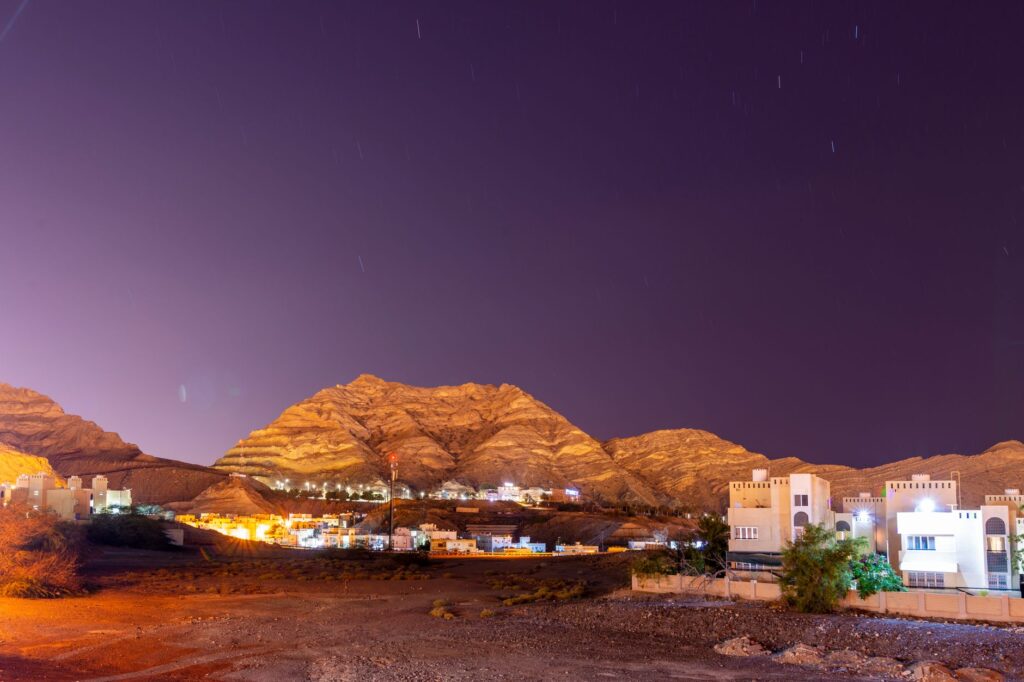
When the sun begins to dip beyond the horizon of Nizwa, the rugged profiles of the mountain range acquire copper hues that invite contemplation and calm. Walking expeditions through this corner of the Arabian Peninsula offer an intangible reward that extends beyond mere sporting activity: an intimate connection with an immense, silent geography where every stone path preserves the memory of a people inextricably bound to the land.