
Cacém and the Daily Pulse of a Community in Motion
Within the metropolitan area of Lisbon, where the landscape unfolds between gentle hills and residential valleys, the city of Cacém stands as a focal point of transit and daily life. With a population exceeding ninety thousand inhabitants, this hub within the municipality of Sintra functions as an essential gear for thousands of people who commute each morning toward the capital or toward the region’s industrial and commercial centers. Far from being a mere dormitory town, the locality possesses a distinct identity shaped by a blend of local traditions, neighborhood commerce, and a steady flow of people crossing its streets in search of efficient connections.
Mobility in Cacém is not merely a technical matter of timetables and frequencies, but the very heartbeat of its urban structure. The main streets, flanked by mid-rise residential buildings and small shops, reflect a dynamic society that has successfully integrated into the transportation network of the Lisbon region. Here, the pedestrian shares space with an urban bus network and the railway infrastructure that has historically defined the area’s growth. Understanding this environment requires observing how residents organize their time and daily journeys, balancing the urgency of arriving at work with the unhurried pace of neighborhood cafes where current events are discussed.
The Railway Axis as the Backbone of the Territory
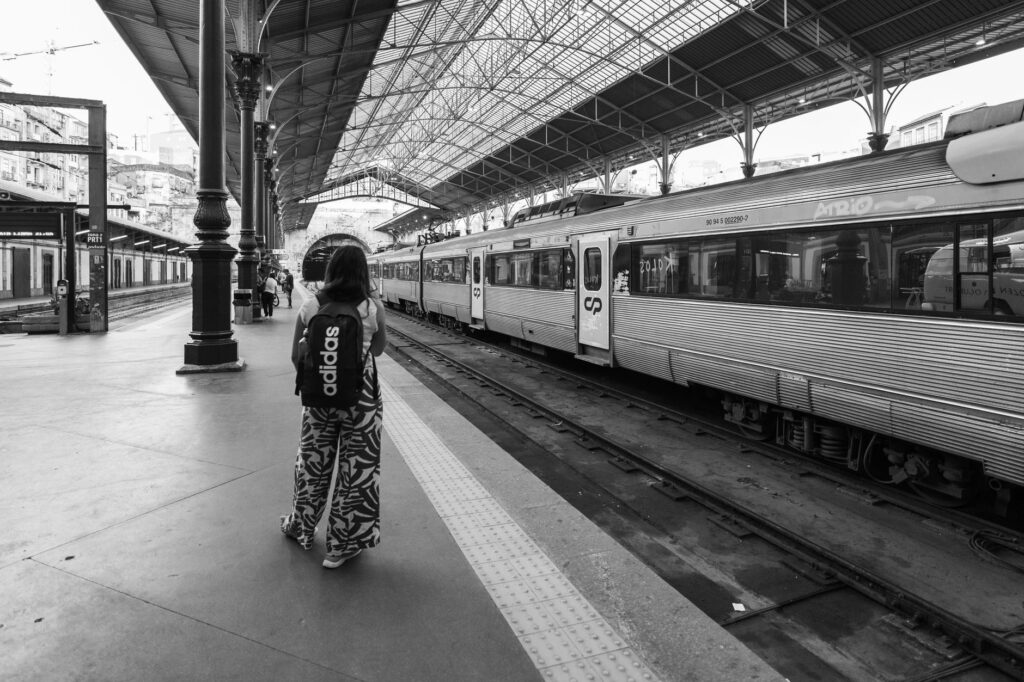
The rail transport system is undoubtedly the element that exerts the greatest influence on Cacém’s urban organization. The local railway station acts as a true circulatory heart, receiving waves of travelers connecting to the Sintra line from the early hours of dawn. This constant flow has shaped the commercial and urban layout of the surrounding area, where traditional markets, bakeries, and kiosks thrive thanks to the proximity of the platforms. The architecture adjacent to the station displays the various layers of development the municipality has undergone over recent decades, combining mid-20th-century constructions with more recent interventions designed to facilitate universal accessibility.
For the inhabitants, the train represents much more than an affordable and fast means of transport; it is the indisputable link to the employment and educational opportunities offered by the metropolitan area. Continuous improvements in signaling, fleet modernization, and tariff integration have transformed the daily commute experience. However, the ongoing challenge lies in managing high demand during peak hours without losing the human scale that characterizes community life in the surrounding neighborhoods. The platforms thus become a sociological stage where university students, service sector workers, and elderly citizens attending to their daily errands coexist.
Urban Architecture and the Transition Between Residential Spaces
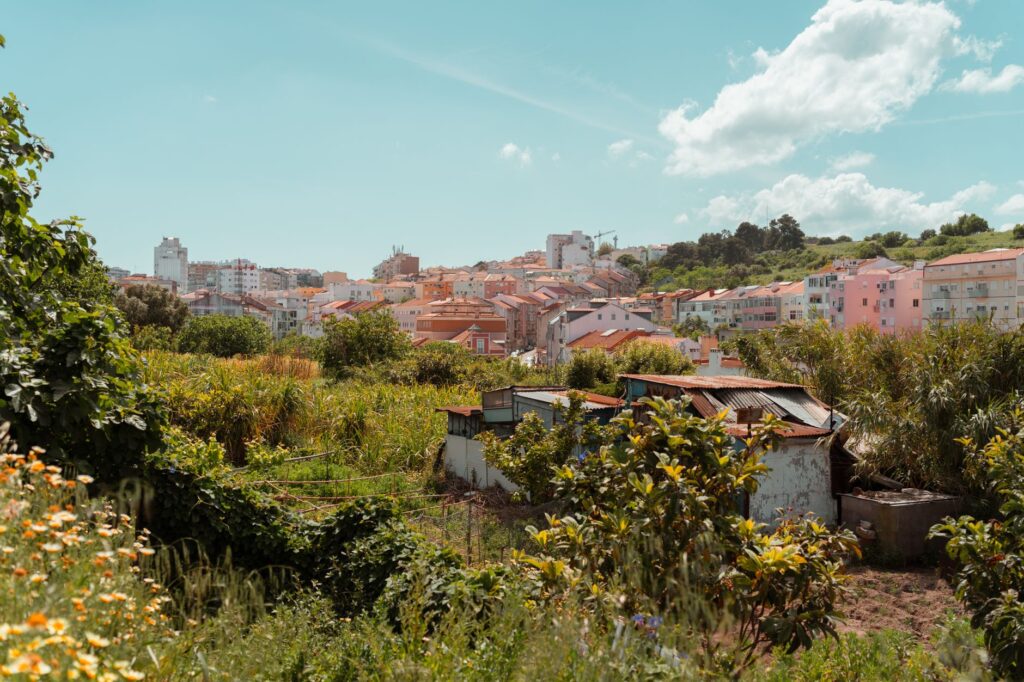
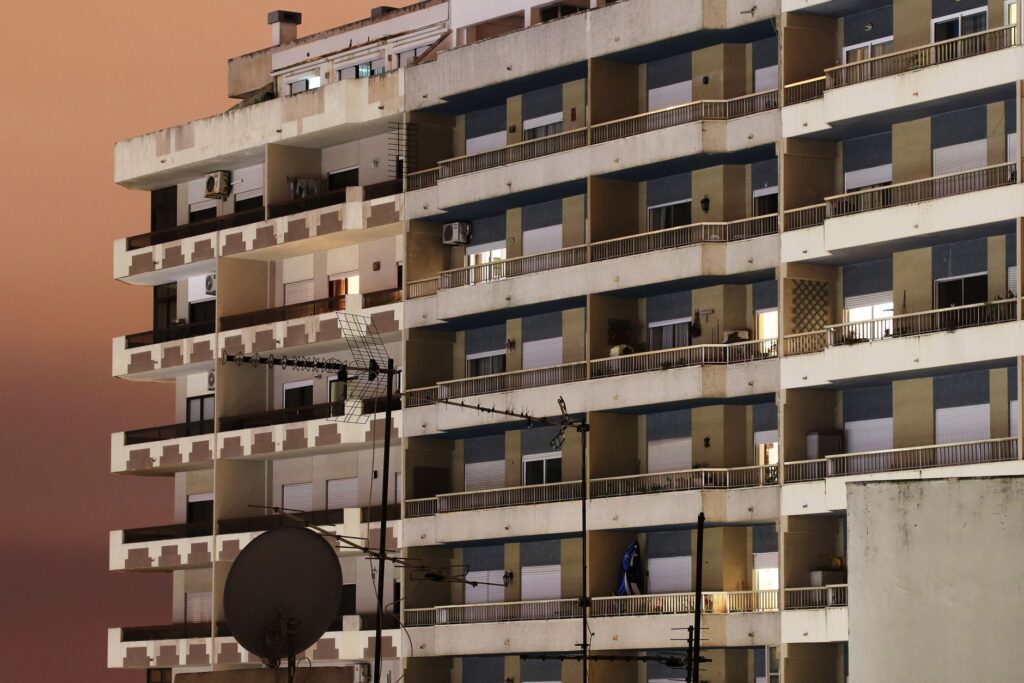
Cacém’s urban landscape is characterized by a marked architectural heterogeneity that tells the story of its rapid demographic expansion during the latter half of the past century. Blocks of residential flats, marked by light-toned facades and continuous balconies, alternate with small commercial zones and public spaces where native vegetation provides visual relief from the asphalt. This urban layout responds to the need to house a constantly growing population while maintaining mobility corridors that facilitate access to educational institutions, healthcare centers, and recreational areas.
Walking through the streets of Cacém reveals how the different neighborhoods making up the union of parishes are articulated. Sidewalks, though sometimes narrow due to construction density, are designed to channel pedestrian traffic toward public transport stops. Recent urban planning has placed special emphasis on eliminating architectural barriers, allowing people of all ages to move around safely. This effort to humanize public space reinforces a sense of belonging among residents, who find meeting points for intergenerational socialization in local squares and small parks.
Proximity Commerce and Life in Local Markets
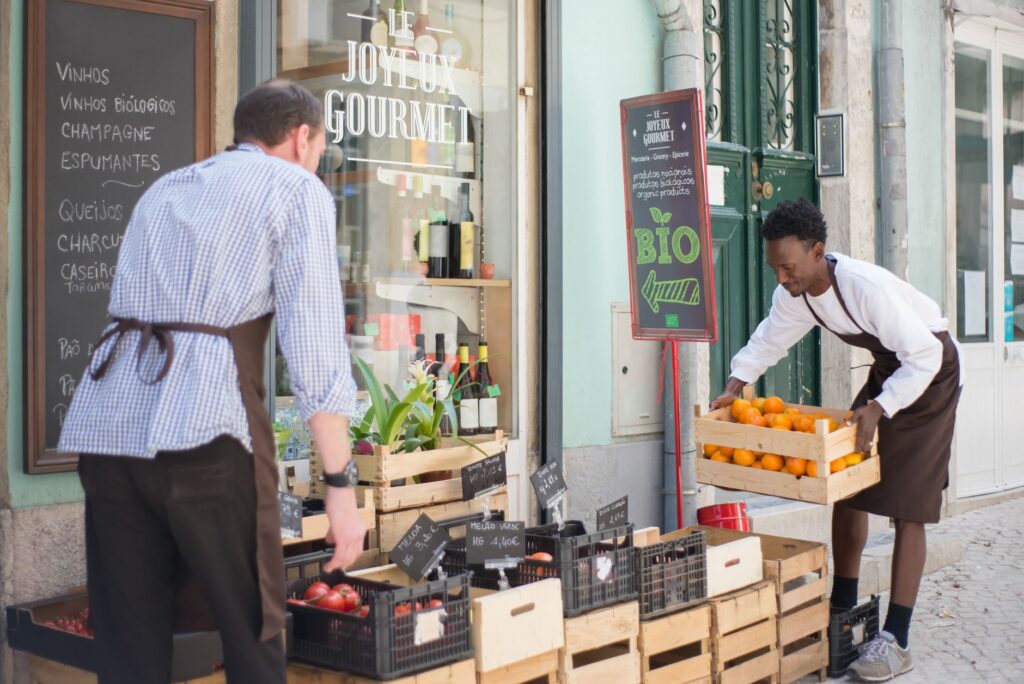
Commercial activity in Cacém revolves around convenience and tradition, two values defining the character of its main streets. Unlike large retail surfaces located on the outskirts, local commerce consists of family-run shops, greengrocers displaying regional produce, and pastry shops where the aroma of coffee and custard tarts accompanies the early morning hours. These establishments are not mere points of sale, but centers of social life where trusting relationships are woven between merchants and neighbors.
Municipal markets and local fairs play an equally crucial role in the area’s daily economy. In these spaces, the variety of fresh produce reflects the agricultural wealth of the Lisbon region and its surroundings. Accessibility to these supply points via well-connected bus routes allows residents to forgo private vehicles for daily shopping. In this way, sustainable mobility is naturally integrated into community routines, reducing vehicular congestion and fostering a more conscious consumption model rooted in the territory.
Cultural Heritage and Historical Memory in the Urban Landscape
Although Cacém is frequently perceived as a modern, transit-oriented city, its environment preserves vestiges of a historical history that deserves recognition. In the immediate vicinity of the urban core, proximity to the municipality of Sintra projects a palpable cultural influence visible in certain traditional buildings and in the respect for preserved natural spaces. The collective memory of former inhabitants, linked to agricultural labor and small rural settlements preceding the demographic boom, survives in the toponymy and oral tradition of long-standing families.
This less visible heritage intertwines with modern life through local initiatives aiming to highlight the region’s history. Small cultural centers and neighborhood associations organize activities recalling what the territory was like before the massive influx of transport infrastructure. For the curious visitor, exploring Cacém beyond its railway station offers the opportunity to discover a community that values its roots and seeks a balance between metropolitan dynamism and the preservation of its historical identity.
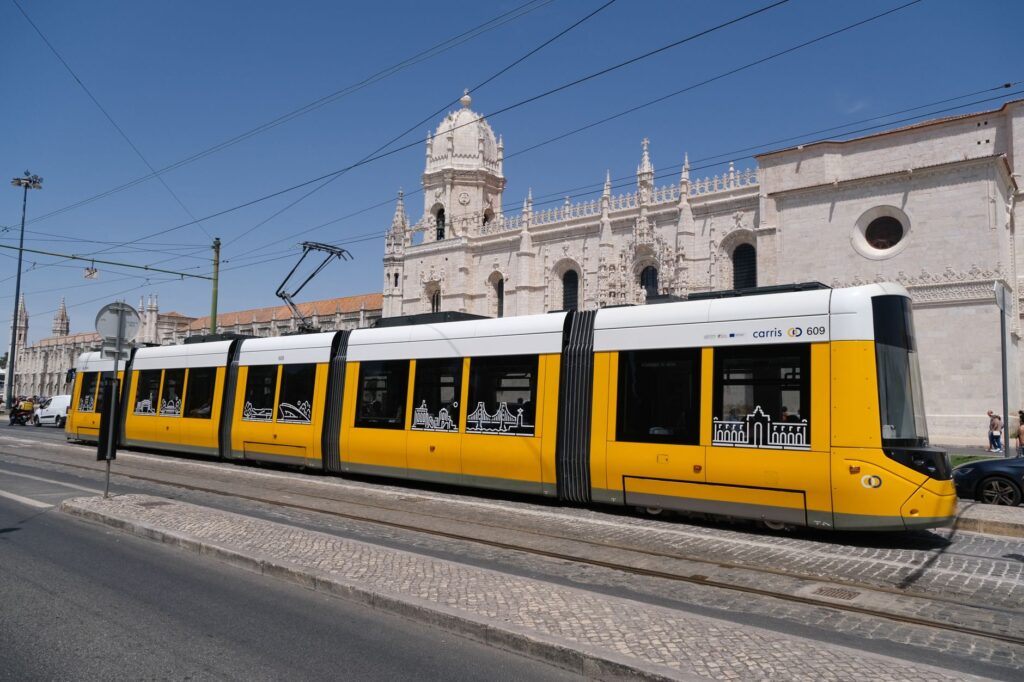
The true measure of a city in transit is found not only in the speed of its connections, but in the capacity of its public spaces to integrate the daily lives of those who inhabit it.
Mobility Challenges and Sustainability on the Local Agenda
Sustained population growth within the Sintra municipality poses complex challenges regarding traffic management and environmental sustainability. Local authorities and transport operators face the daily challenge of optimizing bus routes and ensuring the punctuality of rail services. The transition toward truly green mobility involves not only fleet renewal with less polluting technologies, but also the creation of safe bicycle lanes connecting residential neighborhoods with major stations and workplaces.
Citizen participation plays an increasingly relevant role in decision-making concerning public space. Residents demand greater investment in green areas, the reduction of noise pollution, and better lighting on pedestrian routes leading to transport zones. These demands reflect a growing awareness of the quality of the urban environment. Mobility in Cacém thus evolves toward a more inclusive model where human well-being and environmental respect stand at the center of strategic priorities for the locality’s future.
Practical guide
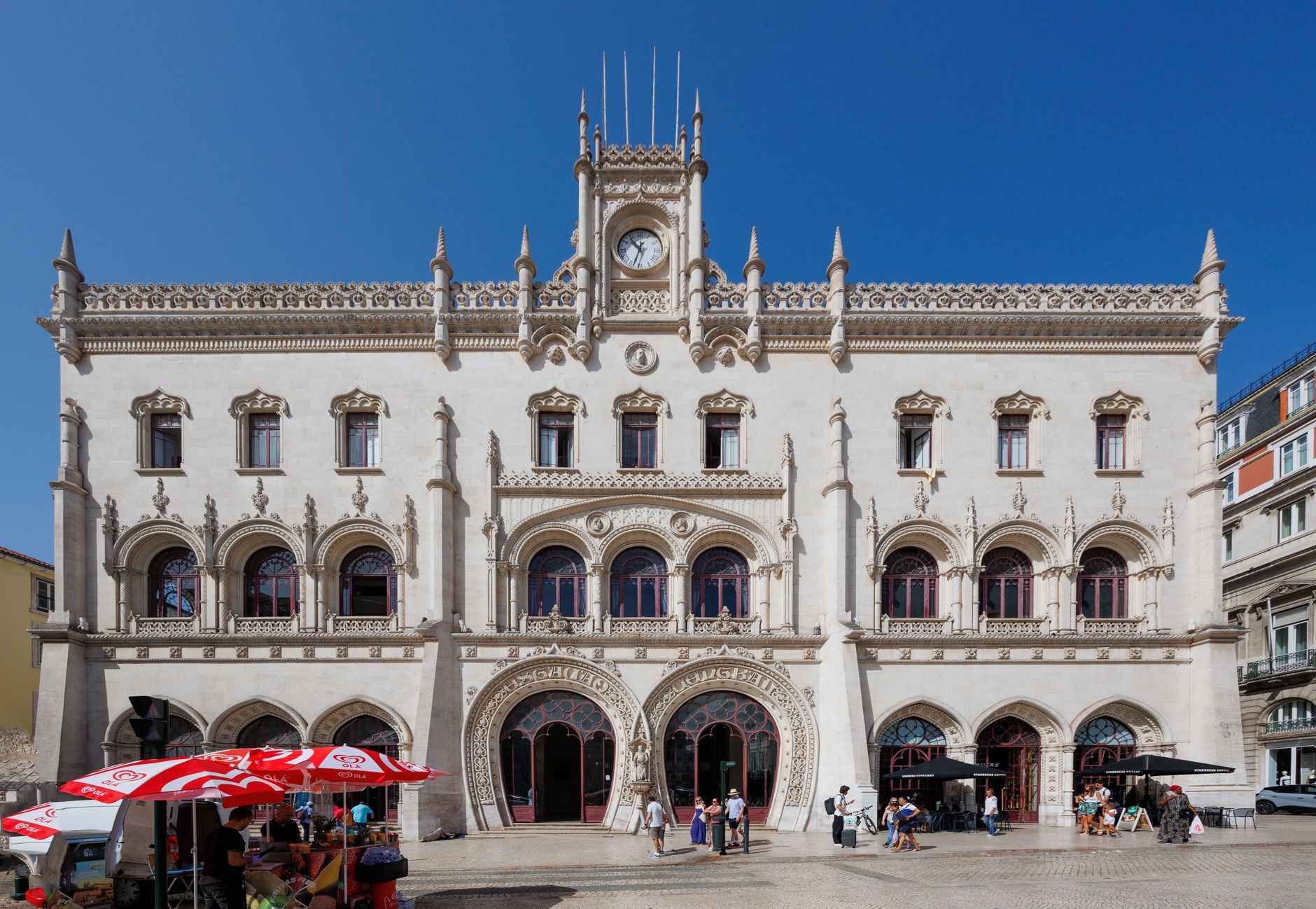
How to get there: Cacém boasts excellent rail connections from Lisbon, forming part of the Sintra line operated by Comboios de Portugal. Trains depart with high frequency from major stations such as Rossio, Entrecampos, and Sete Rios, taking approximately twenty to thirty minutes.
Internal transport: Urban mobility within the locality relies on a bus network managed by local operators connecting different residential neighborhoods with the central train station and area commercial centers.
When to visit: Any time of year is suitable to experience the locality’s daily life, though spring and autumn months offer more pleasant temperatures for walking its streets and public spaces.
Gastronomy and shopping: Visiting local markets and traditional downtown pastry shops is recommended to taste Portuguese pastries and experience fresh produce from the Sintra region firsthand.
Visitor recommendations: Using a rechargeable transport card (such as the Viva Viagem card) is advised to simplify payment on trains and urban buses, and planning commutes outside peak hours to enjoy a more relaxed experience.
Final Glance Toward Cacém’s Daily Horizon
As evening falls, the golden light over Cacém’s facades softens the urban profile and announces the unhurried return of those completing their workday. At bus stops and station platforms, the flow of people recovers a more relaxed tempo, marking the end of the daytime routine. This Portuguese locality, discreetly situated between metropolitan bustle and the tranquility of its residential neighborhoods, demonstrates that the true essence of a transit place lies in the human stories crossing it every day. Amid rails, squares, and shared memories, Cacém continues writing its own story in motion.