
Amstelveen and the Geological Challenge of Land Reclaimed from Water
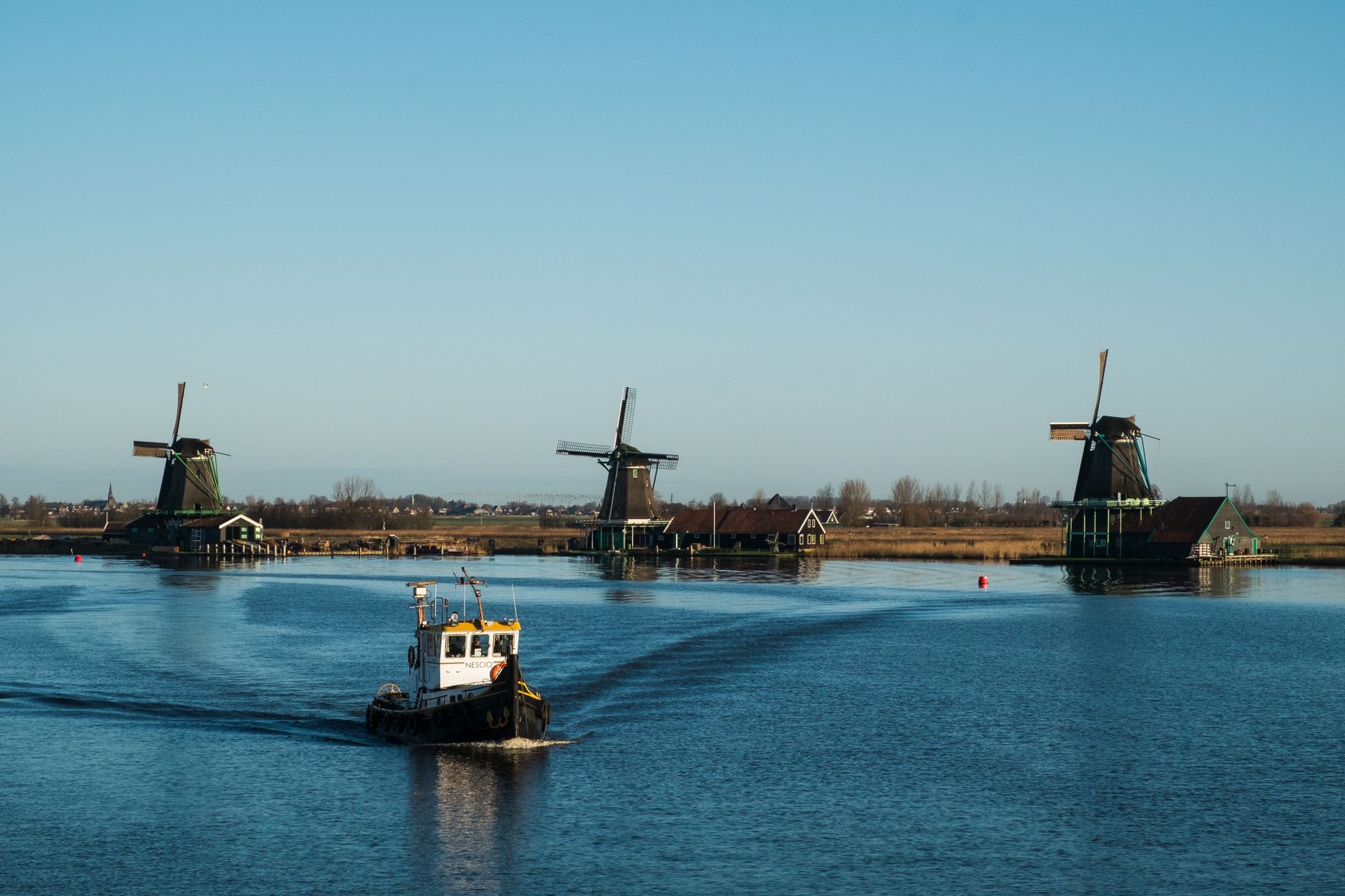
The geology of the Netherlands is a constant testament to natural engineering and human adaptation. Located in the province of North Holland, the municipality of Amstelveen spreads across a vast plain where the average altitude lies near or below sea level. This territory is not the result of traditional tectonic shifts, but rather of a complex history of fluvial sedimentation, millennial peat bogs, and subsequent anthropogenic intervention to drain the swampy terrain. The dominant geological landscape is the polder, a flat expanse of land reclaimed from water through dikes, sluices, and drainage canals that regulate the water table with meticulous precision.
The soil in Amstelveen is primarily composed of layers of fertile clay and organic peat deposits accumulated over centuries by local river dynamics and ancient branches of the Amstel River. This composition grants the terrain a distinct plasticity and extraordinary fertility, yet it also imposes severe demands on infrastructure stability and the development of wild habitats. The roots of native vegetation must adapt to a permanently humid substrate where groundwater sits just centimeters below the surface. Far from being a sterile environment, this clay plain sustains a complex network of aquatic and terrestrial microhabitats coexisting with one of Europe’s highest population densities.
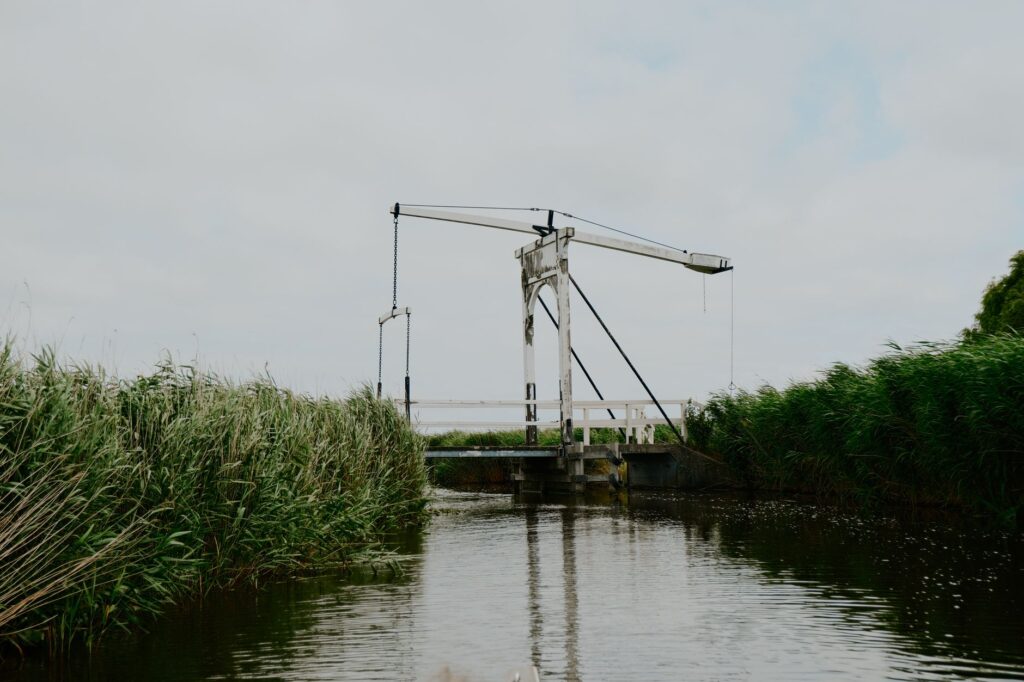
The region’s natural history is deeply tied to water management. Every ditch, canal, and artificial pond serves a dual function: draining excess rainfall to prevent catastrophic floods and maintaining the moisture required to preserve grassland ecosystems. Geologists and hydrologists studying this area emphasize that Amstelveen’s stability depends on a delicate dynamic equilibrium. If the water table drops too much, the peat layers oxidize, releasing carbon dioxide into the atmosphere and causing gradual land subsidence. Conversely, excess water would submerge farmland and suffocate native vegetation.
The Park Network and Biodiversity in the Heart of the Polders
Despite the intense urban and metropolitan development characterizing the Amsterdam region, Amstelveen harbors some of the most valuable and best-preserved natural spaces in North Holland. The most prominent is the Amsterdam Forest, known locally as the Amsterdamse Bos, a vast green reserve situated partially within the municipality that demonstrates how human intervention can rehabilitate marginal land. This forest is not a virgin remnant, but a masterful landscape design created during the 1930s through the massive planting of native tree species such as the pedunculate oak, common ash, and black alder.
The understory and riverbanks of this major green lung provide shelter for numerous aquatic bird species, amphibians, and small mammals. During the spring and autumn months, wetlands and ponds act as vital stopover areas for thousands of migratory birds traveling along the East Atlantic flyway. Grey herons, cormorants, great crested grebes, and various duck species find a favorable environment for feeding and breeding in these calm waters. The presence of these avian populations is a clear indicator of environmental quality and the success of urban wetland conservation policies.
The herbaceous flora carpeting canal margins includes hygrophytic plants such as cattails, yellow iris, and various reed varieties that play a fundamental ecological role. These species act as natural filters, absorbing excess nutrients from agricultural runoff and purifying water before it is discharged into major collector canals. Local ecologists stress that conserving these green corridors not only protects local biodiversity but also guarantees ecosystem resilience against extreme weather events driven by climate change.

Sustainable management of a polder environment requires understanding that every canal and meadow forms part of a living organism that tolerates neither negligence nor excess concrete.
Riparian Ecosystems and the Ecological Dynamics of the Amstel River
The Amstel River, which gives its name to both the country’s capital and this locality, defines the backbone of the area’s fluvial landscape. Although much of its course has been channeled and straightened over the centuries to facilitate commercial navigation and flood control, it still retains stretches where natural banks exhibit rich riparian vegetation. These muddy yet stable margins are home to aquatic insect communities, mollusks, and fish adapted to slow currents and nutrient-rich waters.
Common fish species in Amstelveen’s waters include the Eurasian perch, northern pike, and stickleback, predators and prey forming a complex trophic chain. The presence of pike, in particular, demonstrates that fish populations have sufficient aquatic refuge among submerged vegetation to hunt and reproduce successfully. Meanwhile, amphibians such as the common toad and green frog use grassy slopes to complete their life cycles, moving between park ponds and surrounding pastures on damp nights.
Conserving these riverbanks demands rigorous control of water quality and the limitation of diffuse pollution originating from surrounding urban activity. Municipal authorities and water boards collaborate on implementing bioengineering techniques, utilizing live willow fascines and wooden structures to protect banks from erosion caused by recreational boat wakes without resorting to massive concrete lining. This approach maintains ecological continuity between terrestrial and aquatic environments.
Climate Safety and Water Resource Management in the Plain
Living below sea level imposes rigorous discipline regarding climate and hydrological safety. Amstelveen’s water management system is supervised by specialized water boards, democratic institutions with centuries of history in the Netherlands that operate independently to ensure pumps and sluices function without interruption. Faced with global warming scenarios and projected increases in intense rainfall frequency, drainage infrastructures undergo constant technological updates.
Contemporary strategy no longer consists solely of evacuating water as quickly as possible toward the North Sea, but rather retaining it temporarily in designated areas. Retention basins, artificial wetlands, and controlled flood zones have been established to act as natural sponges during severe storm periods. This water management philosophy reduces flood risks in residential areas and sustainably recharges local aquifers, preventing brackish water intrusion into surrounding agricultural soils.
Meteorological data from the local station reflect increasingly mild and wet winters, followed by summers prone to seasonal drought episodes that test pasture resilience. To counteract flora water stress during dry months, freshwater supplies from major rivers are managed through a complex network of floodgates. This constant intervention demonstrates that Amstelveen’s natural landscape is actually a technological and ecological partner requiring permanent attention.
Seasons and Guidelines for Respectful Nature Observation
Amstelveen’s natural environment experiences marked seasonal transformations that condition the best times for responsible exploration. Spring stands out for the explosion of floral life in polder meadows and intense nesting activity among resident birds. It is a time when fields regain an intense green tone and moderate temperatures invite visitors to walk the pedestrian and cycling paths winding between canals and forests.
Summer offers the splendor of fully developed aquatic vegetation and the opportunity to observe wildlife in active daytime behavior. However, summer heatwaves demand caution to prevent the degradation of fragile pond ecosystems and excessive algal blooms driven by nutrient enrichment. Visitors must refrain from littering and respect regulations prohibiting the feeding of wildlife, a practice that alters natural behaviors in birds and mammals.
During autumn, ocher and golden hues dominate the arboreal landscape, while early morning mists shroud canals, lending the territory a melancholic and serene atmosphere. It is an excellent season for mushroom foraging in forests and recording the passage of late migratory birds before winter arrives. Winter, although cold and with few daylight hours, reveals the polder’s essential geometric structure, with drainage lines sharply defined beneath clear North Holland skies.
Community Conservation and Environmental Education in Green Spaces
Preserving nature in an environment as densely populated as Amstelveen would be unviable without active citizen participation and environmental volunteer organizations. Various local associations collaborate closely with the municipality on habitat maintenance tasks, species censuses, and river cleanup days. These initiatives foster a strong sense of belonging and collective responsibility toward the shared natural heritage.
Environmental education centers located near the Amsterdam Forest organize pedagogical programs aimed at both schoolchildren and adults, focusing on polder ecology and the importance of protecting urban biodiversity. Through practical workshops and interpretive trails, participants learn to identify native flora, recognize local mammal tracks, and understand the complex interactions sustaining the region’s ecological balance.
These actions demonstrate that conservation is not exclusive to large national parks or remote reserves, but can also flourish at the heart of European metropolitan areas. Citizen commitment to sustainability ensures that future generations continue enjoying the unique combination of plain, water, and wildlife defining this corner of the Netherlands.

Protecting urban nature is the greatest challenge of our time, a constant reminder that human survival is inextricably linked to the health of our closest ecosystems.
Practical guide
How to get there: Amstelveen is perfectly connected to Amsterdam and Schiphol Airport via a dense network of public buses, trams, and high-quality bike lanes. Cycling access from the capital is fast and safe along marked routes.
When to visit: The months from April to June offer the best climatic and landscape conditions, with blooming meadows and active birdlife. Autumn is ideal for landscape photography and migratory bird watching.
Exploration recommendations: Always stay on marked trails to avoid damaging bird nests in grasslands. Wear waterproof footwear due to the constant moisture of clay soil and bring binoculars for wildlife observation without disturbing their peace.
Local regulations: Camping outside authorized areas, lighting fires in natural spaces, and dumping any waste into canals are strictly prohibited. Speed limits for recreational boats on waterways are enforced to protect banks from erosion.
The Final Refuge of the Dutch Polders
Beneath the vast and shifting skies of North Holland, Amstelveen’s landscape reveals itself as a delicate tapestry where human hands and natural forces have learned to negotiate daily coexistence. The calm waters of the canals reflect the silver light of dusk, illuminating the silhouettes of willow trees bordering farm fields and forest reserves. Here, in this plain shaped by engineering and time, biodiversity resists with silent tenacity, reminding every visitor that the earth’s beauty lies not in the grandeur of alpine peaks, but in the fragile and steady heartbeat of an ecosystem surviving through the daily care and respect of those who inhabit it.