
The Table in the Shadow of Ancient Dikes
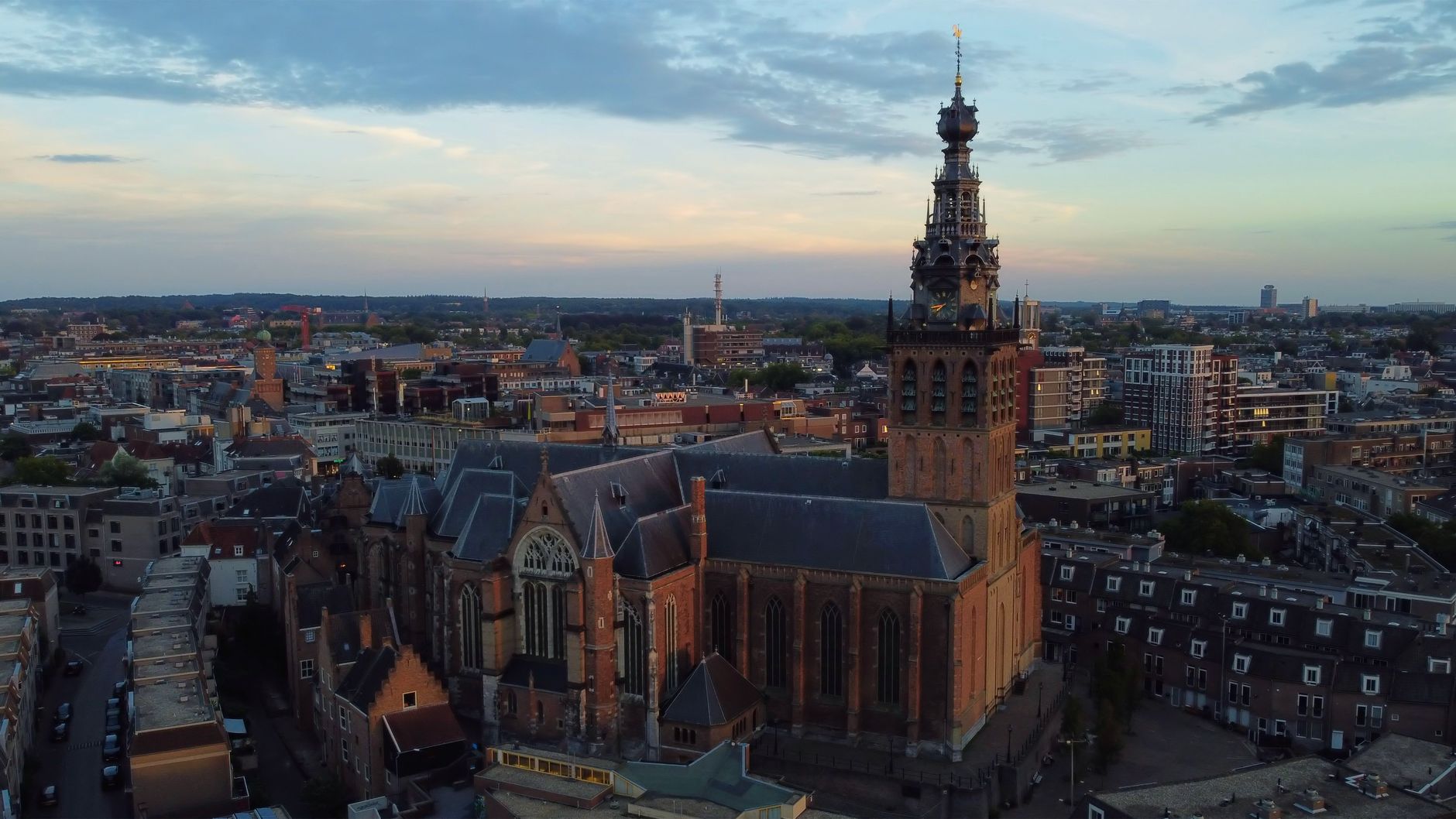
Along the banks of the Waal River in the Gelderland province, the daily life of Nijmegen unfolds with the unhurried cadence of currents descending from the Rhine. This is not a city that lives on theatrical tourism, but rather an enclave where river geography has sculpted for centuries a very particular way of understanding nourishment. Since the era when Roman legions established their basecamp here, the local pantry has depended on alluvial soil and the skill of artisans who transform surrounding resources into daily sustenance.
Strolling through the cobblestone streets of the historic center early in the morning reveals the unmistakable aroma of freshly baked bread and steaming coffee drifting from small neighborhood establishments. Here, everyday cooking is not an exercise in haute cuisine, but a communal practice rooted in fresh, seasonal produce. Open-air markets set up in the main squares bring together vegetable growers, artisanal cheesemakers, and bakers who keep alive recipes passed down through generations without commercial artifice.
The Morning Pulse of the Market Square
The commercial and social heart of the city beats strongly in its main marketplace, a space where vegetable stalls display crops harvested from the surrounding polders. Root vegetables, winter cabbages, and potatoes grown in clay soil share prominence with farmhouse Gouda cheeses and bakery specialties that fill the trays from dawn. It is in this coming and going of residents that the true identity of Nijmegen is appreciated, far from the overcrowded tourist circuits of Amsterdam or Rotterdam.
Local vendors explain the origin of each product with simplicity, highlighting the importance of respecting the natural cycles of the land. Families arrive with traditional wicker baskets to provision themselves with weekly essentials, perpetuating a habit of proximity consumption that prioritizes quality over standardization. This daily exchange reinforces a social fabric where the shopkeeper and the customer share more than a commercial transaction: they share a common gustatory memory.
Nijmegen’s everyday kitchen rests upon absolute respect for local produce and the memory of traditional ovens.
The influence of water is omnipresent in the region’s food culture. Canals, dikes, and the Waal riverbed act as protective barriers and, at the same time, as communication routes that have facilitated the exchange of ingredients over the centuries. Today, this hydrological heritage translates into menus where river fish and comforting preparations occupy a preferred place in homes and traditional taverns. The constant flow of water shapes the agricultural rhythm of The Netherlands, ensuring that culinary traditions remain deeply anchored to seasonal changes and natural hydrological cycles.
The Baking Tradition and Flavors of Gelderland
If there is one element that defines the morning aroma of the city, it is rye bread and the rustic pastry specialties inhabiting local ovens. Nijmegen’s bakers combine traditional mill flours with long fermentations to achieve loaves with crispy crusts and dense crumbs, designed to last several days in home pantries. This respect for resting times contrasts with the speed of modern life and reminds us that good food demands patience.
Accompanying the bread, matured cheeses from the Gelderland province provide intense notes that complement vegetable soups and winter stews. Homemade recipes convey a deep sense of belonging, using simple ingredients like onions, legumes, and meats from local farms. There are no avant-garde pretensions in these dishes, but rather a culinary honesty that comforts both traveler and resident during the months when the northern wind blows strongly across The Netherlands.
Sustainability and Responsible Choices on the Plate
In recent years, Nijmegen’s hospitality sector has adopted a firm stance in favor of culinary sustainability. Local restaurateurs work hand in hand with regional agricultural cooperatives to reduce carbon footprints and ensure menus strictly reflect seasonality. This transition toward a more responsible model is not advertised as a marketing strategy, but as a logical evolution within a community that has always prudently savored the fruits of its environment.
Visitors wishing to understand this philosophy can do so by choosing establishments offering concise menus based on what the garden and independent producers supply each morning. Thus, the act of eating becomes a tool to support the local economy and a form of genuine cultural immersion. When sitting at the table in Nijmegen, the diner participates in a silent pact of respect toward the landscape and those who work it daily, valuing the rich agricultural heritage of The Netherlands.
Historical Legacy in the Flavors of the Present
The city’s millennial history is also felt in the layout of its cellars and the long-cooking recipes featured in historic tavern menus. Beneath the cobblestone streets, medieval structures and vaulted basements still survive, once used to preserve salted meats, cheeses, and barrels of artisanal beer. Today, some of these spaces have been reclaimed as corners where traditional slow-cooked preparations can be savored.

The combination of Germanic and Dutch influences has given rise to a recipe book dominated by hearty stews, fresh herb sauces, and homemade pickle accompaniments. Far from being museum pieces, these flavors remain alive in family kitchens every weekend, when households gather around the table to share steaming dishes that defy the cold outside and reaffirm community cohesion throughout the region.
The Evening Pause and Life on River Terraces
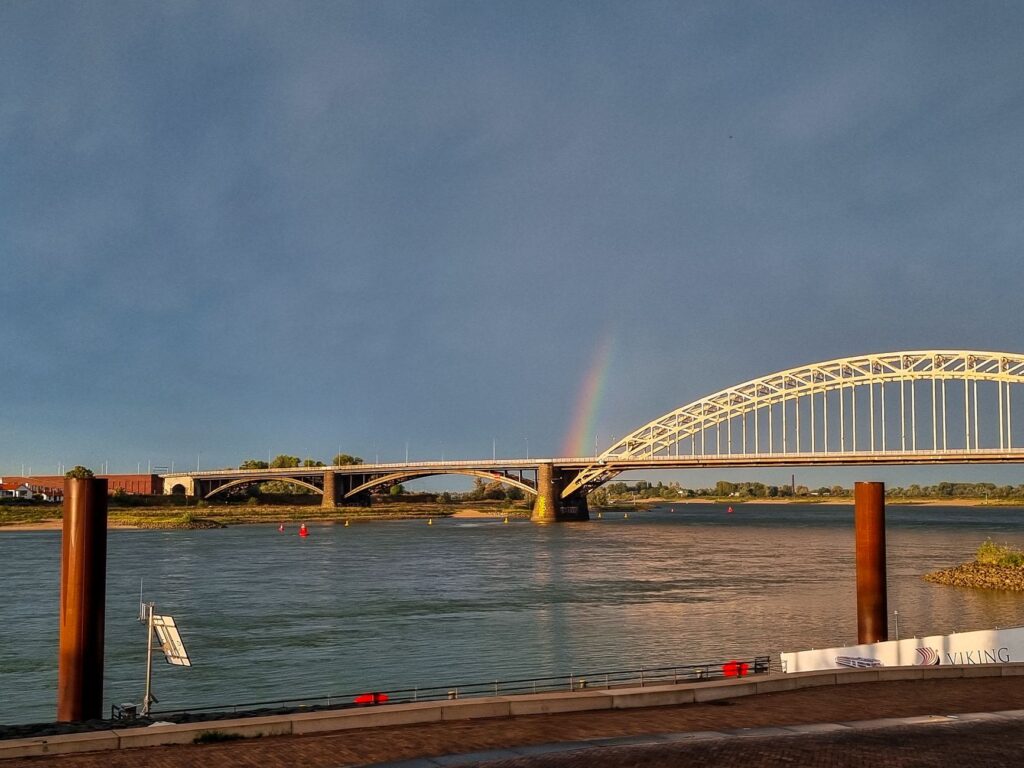
As evening falls, the rhythm of Nijmegen shifts toward terraces facing the Waal River. Sunset dyes the waters in copper tones while locals pause to enjoy a hot beverage or a selection of local appetizers in the company of friends and family. This moment of transition between daytime activity and nighttime rest constitutes one of the most endearing rituals of urban life in this area of The Netherlands.
Understanding a place requires observing how its inhabitants share bread and time at the end of the day.
Cafés and small tea rooms offer homemade cakes crafted from apples from nearby orchards and aromatic spices, completing a culinary offer that cares for both the beginning and the end of the day. In these spaces, there is no rush; conversation flows at the unhurried pace of the river, reminding the visitor that the true luxury of travel consists of tuning into the daily cadence of the welcoming place.
Practical guide
How to get there: Nijmegen has excellent railway connections from major cities in The Netherlands such as Amsterdam, Utrecht, and Arnhem, with frequent trains arriving at the city’s central station.

When to go: Spring and summer offer ideal weather to explore open-air markets and enjoy walks along the Waal River, although autumn brings a special charm to traditional taverns and bakeries.
Where to eat: Travelers are advised to look for small bistros and artisanal bakeries located in the historic center and residential neighborhoods, where menus vary according to daily local market availability.
Etiquette tips: It is customary to greet staff when entering small establishments and thank them for the service upon leaving. Card payment is widely accepted in almost all shops and restaurants across The Netherlands.
The Quiet Echo of a Corner Along the Waal
Bidding farewell to Nijmegen means carrying away in memory the profile of its green dikes, the constant murmur of its river currents, and the sincere warmth of its shared tables. This is not a city seeking to dazzle with ephemeral artifices, but a refuge of authenticity where daily cooking reflects the honest, hardworking character of its people. In every crumb of artisanal bread and every cup of steaming coffee served under the shelter of history, the city renews its silent commitment to time, land, and community life in The Netherlands.